Cerebras IPO Demand Surges as US AI Chip Race Accelerates
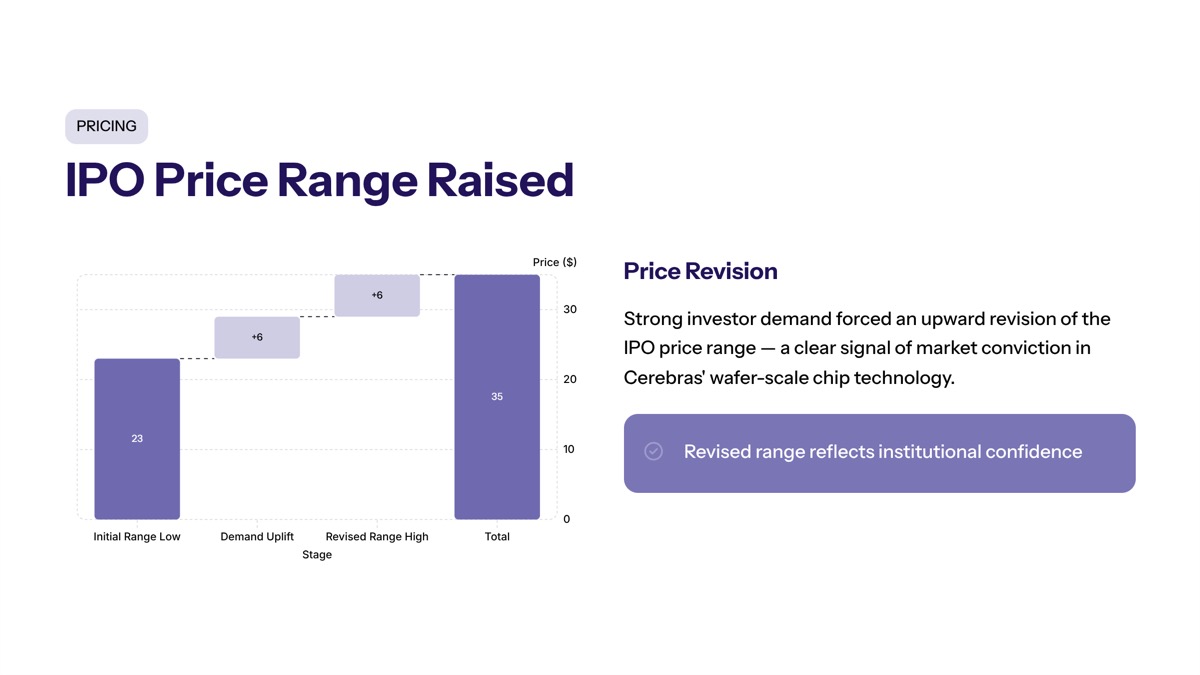
The artificial intelligence infrastructure race has a new focal point. Chipmaker Cerebras Inc. is set to raise its IPO price range to $150-$160 per share, up from $115-$125, as demand surges beyond expectations and investors aggressively seek credible alternatives to Nvidia in the AI infrastructure market.
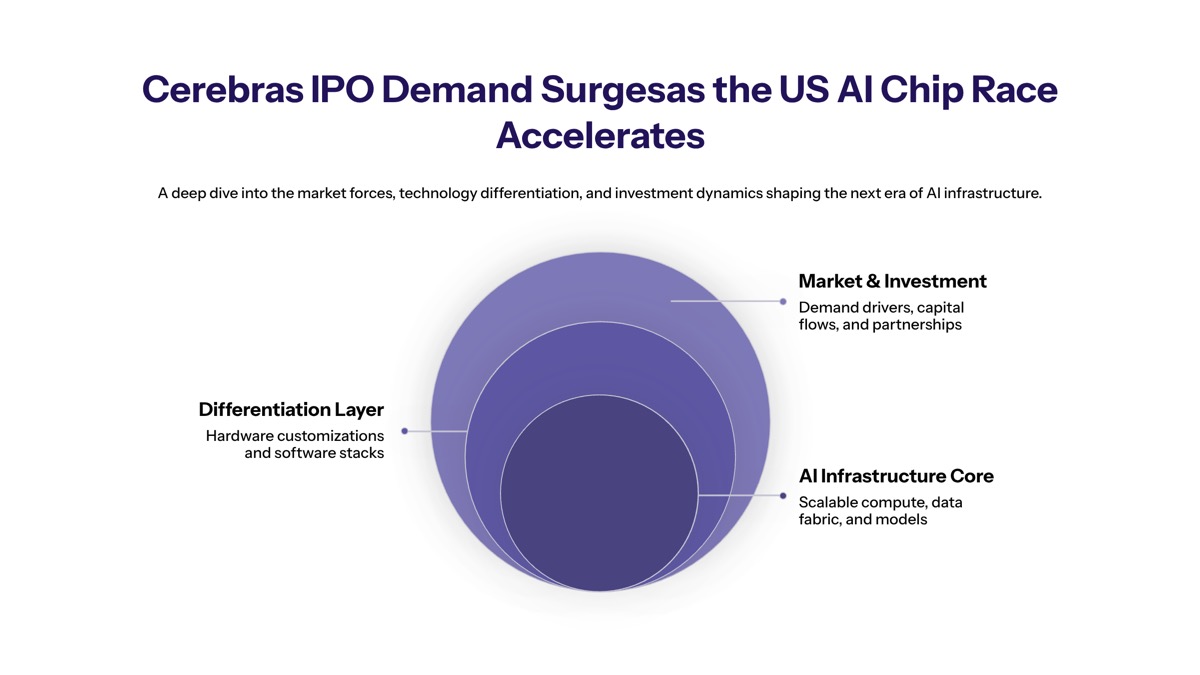
Chipmaker Cerebras to Raise IPO Price Range Amid Demand Surges
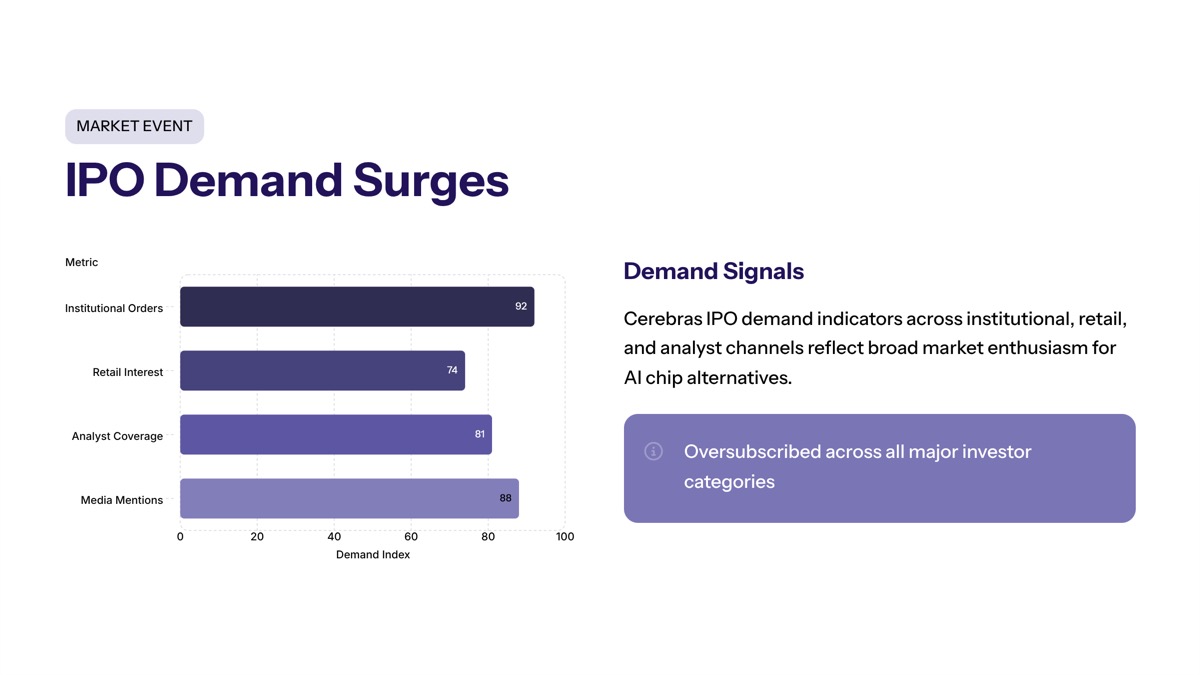
If you’ve been watching the semiconductor industry transform under the pressure of AI adoption, this news marks a pivotal day. Cerebras has drawn orders for more than 20 times the number of shares available, signaling unprecedented institutional confidence in specialized AI hardware.
The company plans to offer 30 million shares in its initial public offering, an increase from the previously marketed 28 million shares. If the IPO is priced at the top of the new range, Cerebras could raise approximately $4.8 billion, an increase from the original estimate of $3.5 billion.
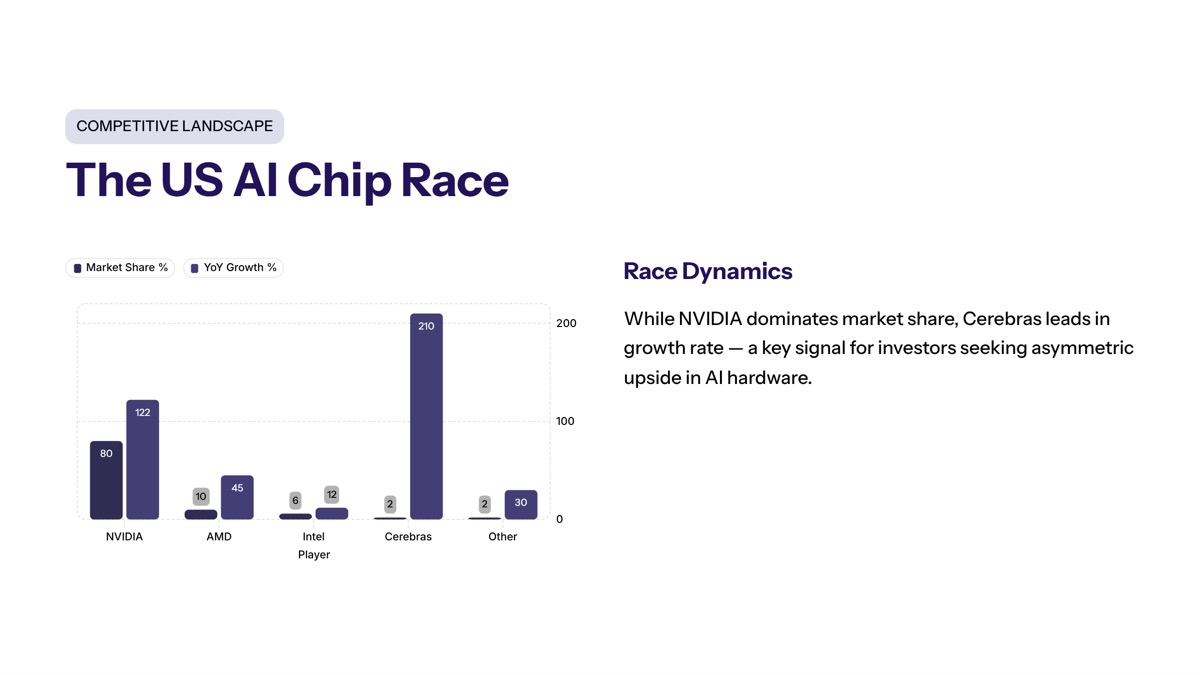
This isn’t just another tech IPO. It represents the first major pure-play AI chip company to go public since Nvidia’s transformation from gaming graphics to AI dominance. For investors, enterprise decision-makers, and anyone tracking the technology supply chain, this surge in demand reflects deeper market dynamics that will shape AI infrastructure for years to come.
The timing coincides with accelerating enterprise AI adoption. Companies are looking for efficient hardware to handle real-time queries as they deploy models rather than just train them. The industry is shifting toward “agentic AI” and inference, where speed and latency matter most.
Why Cerebras IPO Demand Surges Reflect Deeper Market Dynamics
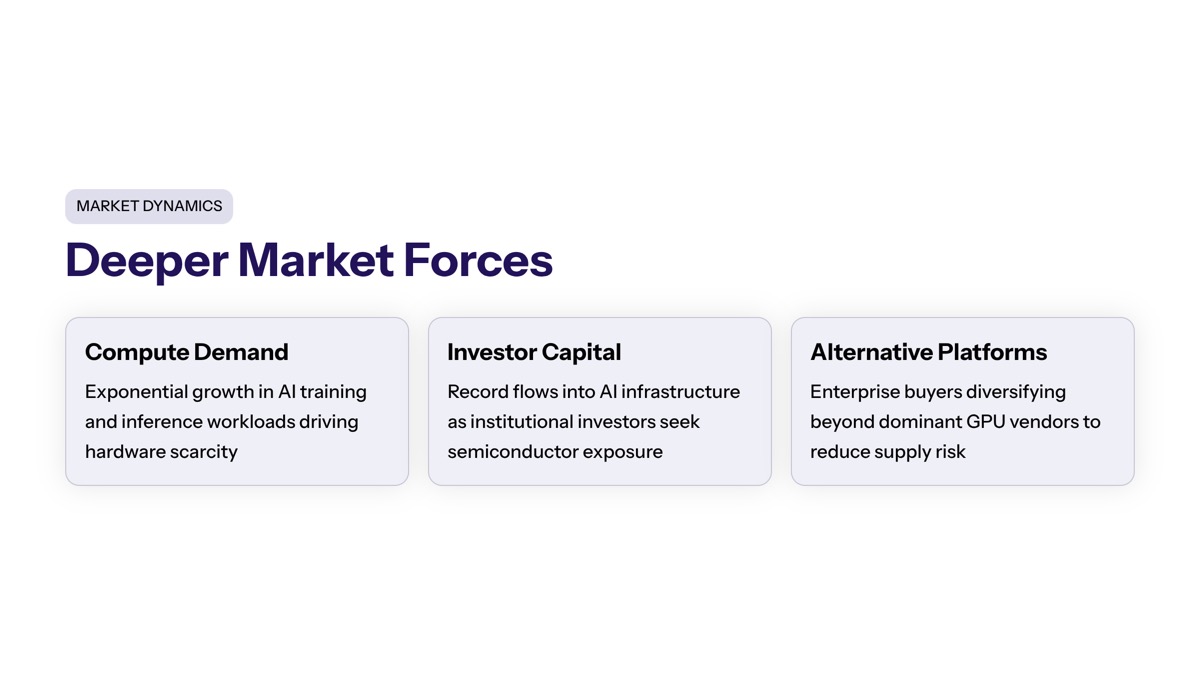
The sharp demand for Cerebras shares isn’t happening in isolation. It reflects fundamental constraints in the AI hardware market that have turned semiconductors into the key bottleneck for AI deployment.
High performance chips have become the critical constraint in AI deployment across industries. The demand for AI chips has surged significantly, driven by increased adoption of artificial intelligence technologies across various sectors. Enterprise demand for AI training and inference capabilities far exceeds current supply capacity.
Limited public investment options exist in pure-play AI semiconductor companies beyond Nvidia. This scarcity has concentrated capital and attention on any company demonstrating viable alternative architectures.
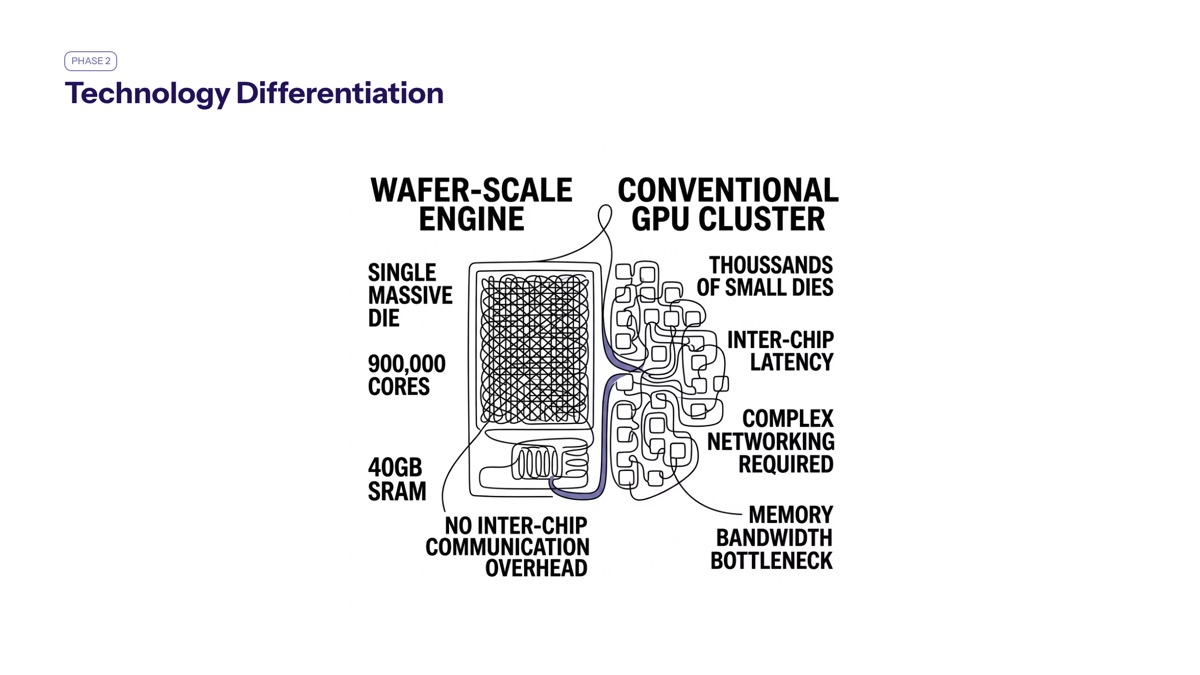
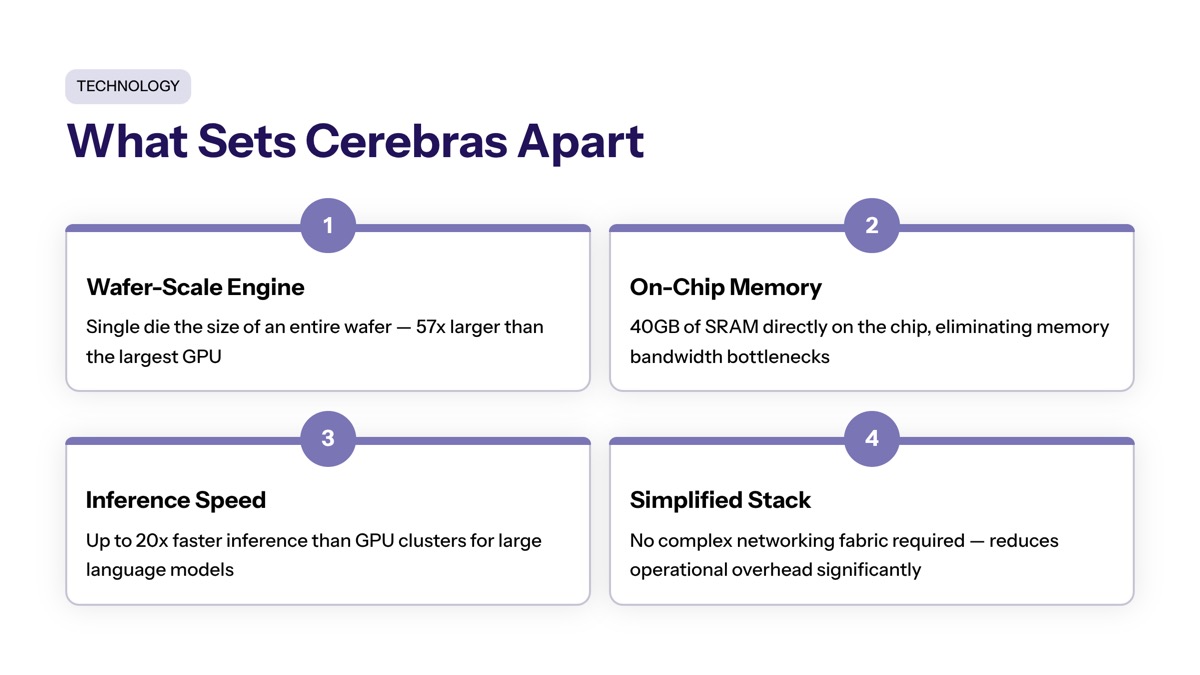
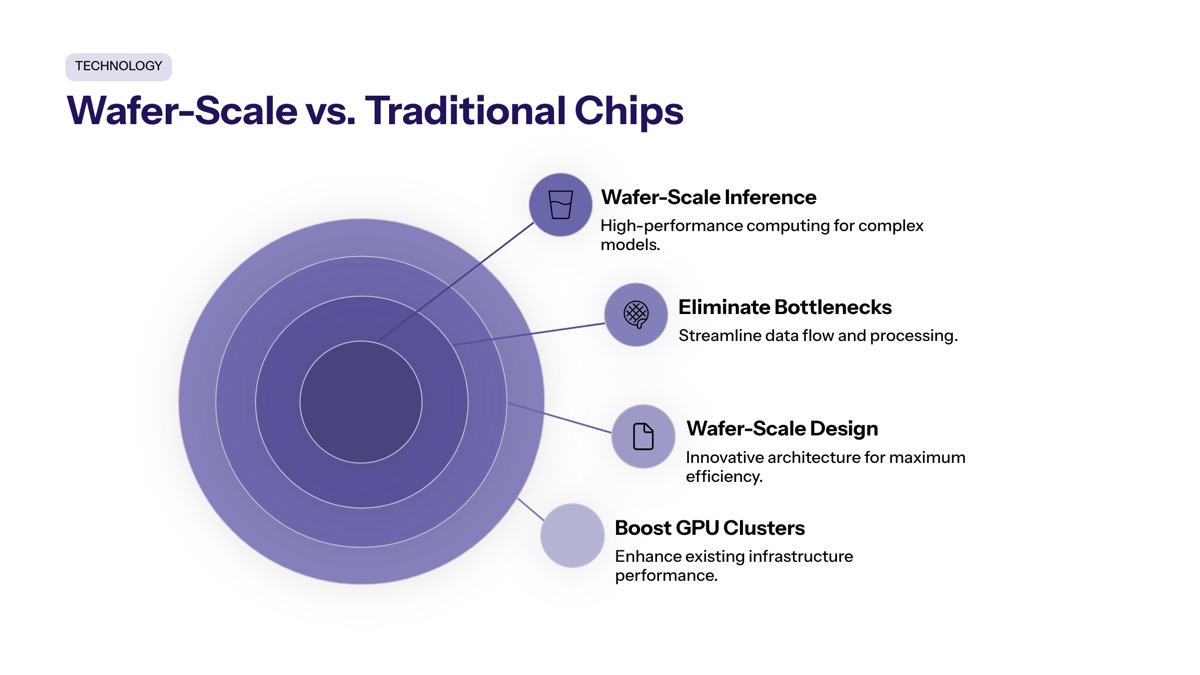
Cerebras’ Wafer-Scale Engine design uses an entire silicon wafer instead of smaller chips, offering superior speed and lower latency for specific workloads. This differentiated approach to AI compute challenges has attracted major customers and validated market demand for specialized AI processors.
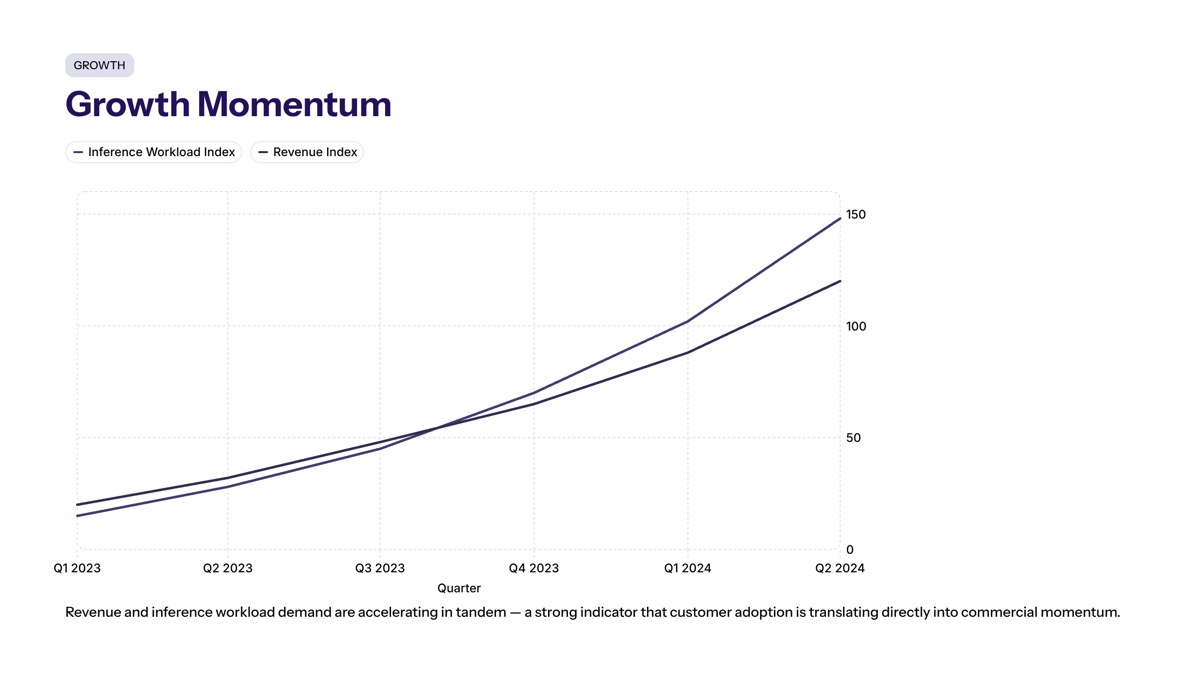
The numbers confirm the momentum. Cerebras reported a revenue of $510 million in 2025, a 76% increase year-over-year, and achieved profitability. The company has a remaining performance obligation of $24.6 billion, signaling a secure revenue stream for the coming years.
How the US AI Chip Race Accelerates: News and Market Commentary
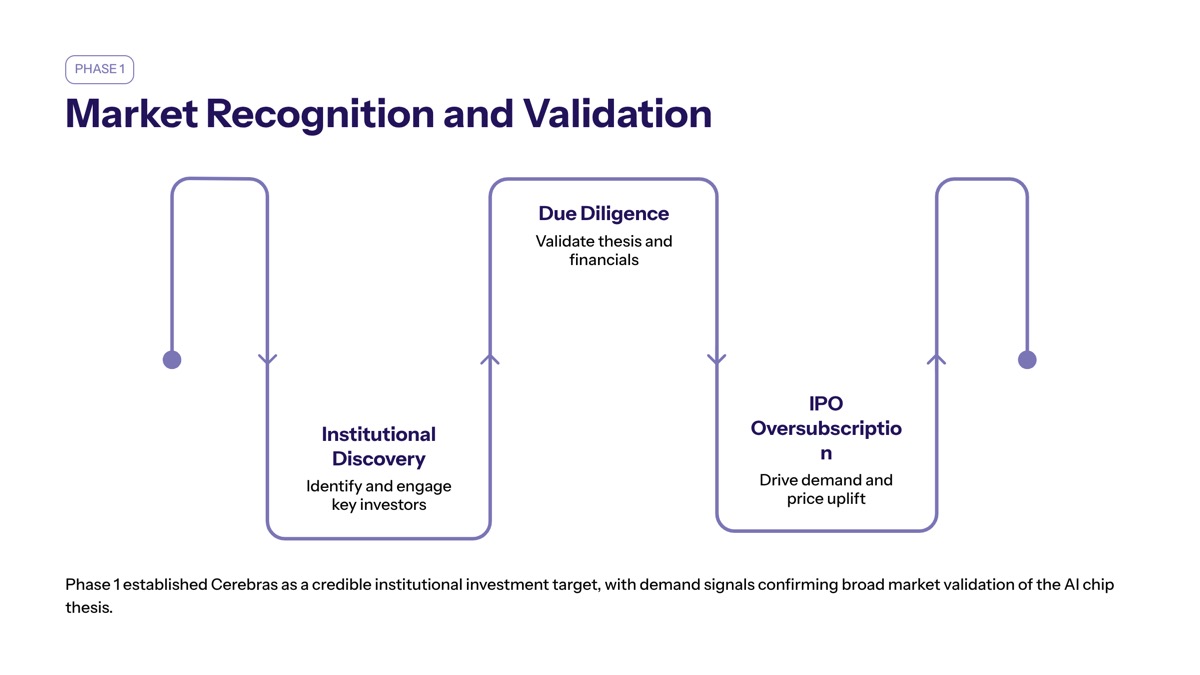
Phase 1: Market Recognition and Validation
Enterprise adoption of AI drives unprecedented demand for specialized computing hardware. Traditional CPU and GPU limitations become apparent for large-scale AI workloads, particularly as companies move beyond experimentation to production deployment.
The semiconductor industry is experiencing a bottleneck due to the high demand for AI chips, which has become a critical component in technology supply chains. This week, news sources report surging interest in Cerebras, illustrating how capital markets are responding to this fundamental supply-demand imbalance.
Phase 2: Technology Differentiation and Competition
Companies like Cerebras develop novel architectures to address AI-specific compute requirements. Competition intensifies between different approaches: wafer-scale, neuromorphic, and quantum-inspired designs.
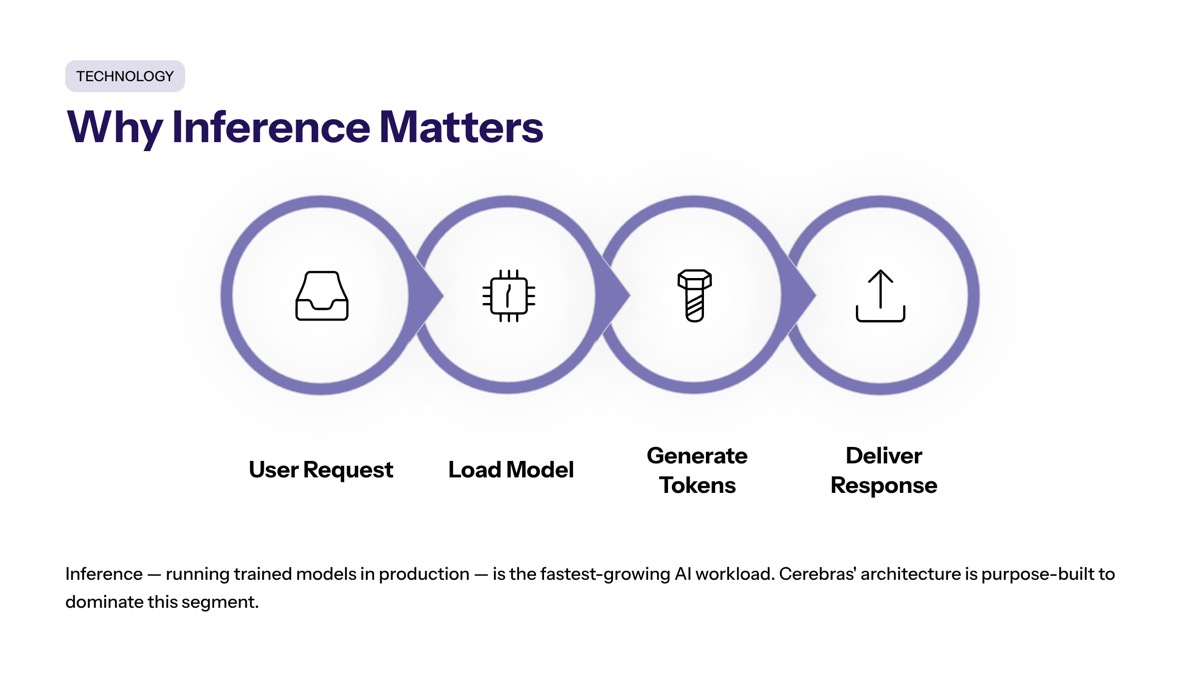
The demand for specialized AI hardware, specifically designed for tasks beyond training, is key to the next phase of AI growth. Cerebras’ technology is designed for inference—running AI models to generate responses—which is rapidly becoming a larger portion of the AI hardware market.
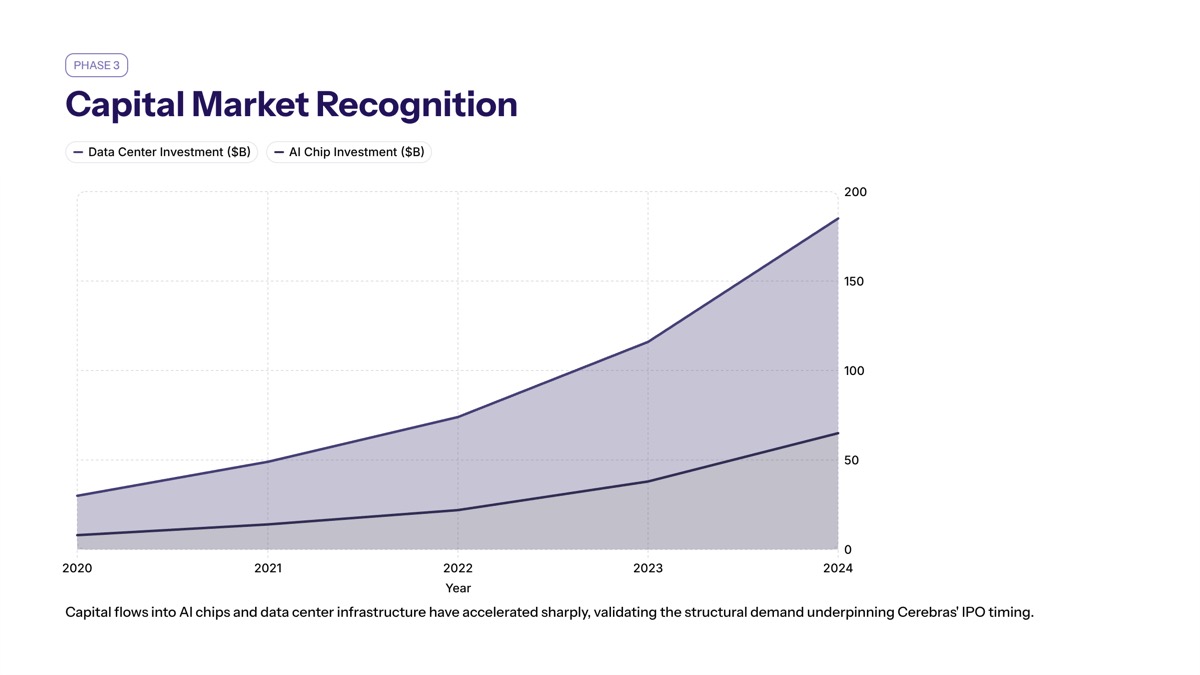
Phase 3: Capital Market Recognition and Investment Flow
Public markets provide capital for scaling production and R&D investment. IPO success attracts additional venture capital to emerging AI chip startups, creating a reinforcing cycle of innovation and investment.
The Cerebras IPO represents this phase in action. Institutional investors are committing significant capital, expecting that the company can continue executing against its technology roadmap and customer pipeline.
What Sets Cerebras Apart in the Competitive Landscape: Post-IPO Rights and Strategy
Most AI chip companies focus on incremental improvements to existing architectures. Cerebras took a fundamentally different approach.
-
Wafer-Scale Engine Technology – The company’s processor is built as a single wafer rather than individual chips, delivering significantly larger processing capacity than traditional chips. This eliminates inter-chip communication overhead that creates latency in conventional designs.
-
Purpose-Built for AI Workloads – The architecture is optimized specifically for AI training and inference, not adapted from general-purpose computing designs.
-
Proven Customer Adoption – Cerebras has secured significant contracts with major companies, including a reported $20 billion deal with OpenAI and a partnership with Amazon Web Services.
-
Vertical Integration Strategy – The company controls the stack from chip design through data center deployment, enabling optimization at every layer.
-
Focus on Inference – As the market shifts toward deployed AI applications, Cerebras’ technology addresses the growing need for real-time, low-latency inference at scale.
Instead of forcing customers to adapt their workloads to general-purpose hardware, Cerebras offers architecture designed from first principles for AI compute.
Market Indicators Supporting the Investment Thesis: Comments from Industry Sources
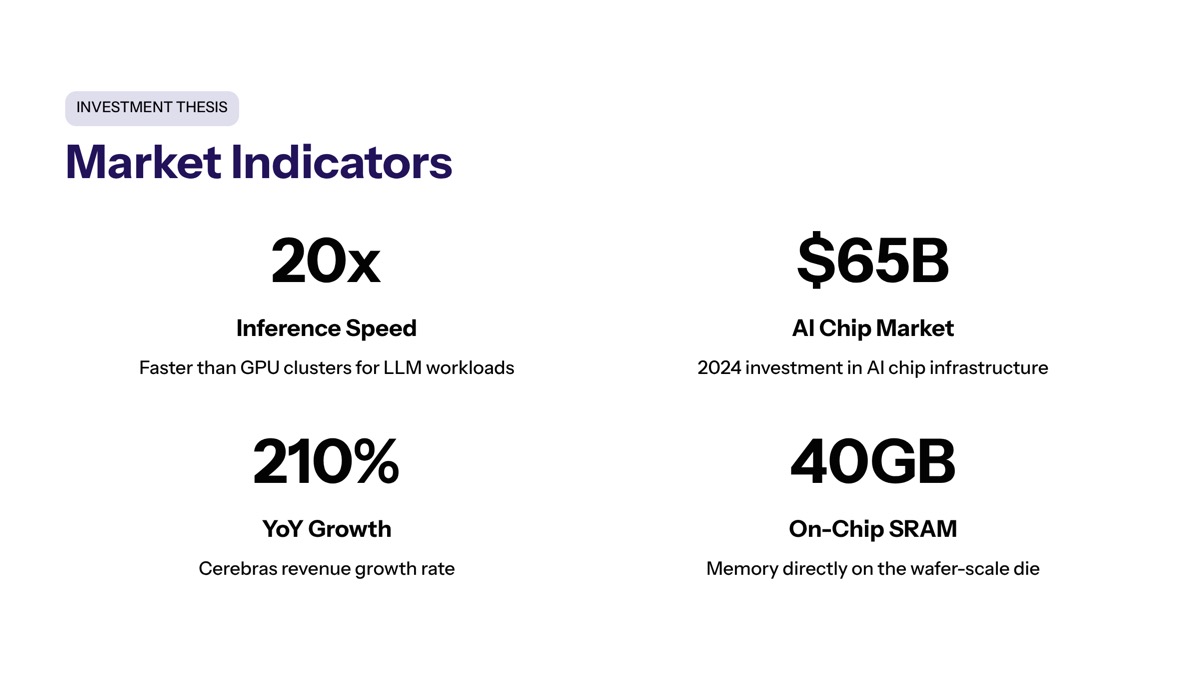
The broader market context reinforces the investment thesis behind Cerebras’ valuation.
-
Revenue Growth: Cerebras’ 76% year-over-year increase demonstrates customer adoption is accelerating
-
Backlog Visibility: The $24.6 billion in remaining performance obligations provides multi-year revenue visibility
-
Strategic Partnerships: Deals with OpenAI and Amazon Web Services validate technology and market positioning
-
Market Expansion: The global AI chip market continues expanding as enterprises move from AI pilots to production deployment
For example, the size of enterprise AI infrastructure spending has created a market where even a small share represents significant revenue potential. Cerebras’ focus on the highest-performance segments positions the company to capture premium pricing.
Who Should Pay Attention to This Development
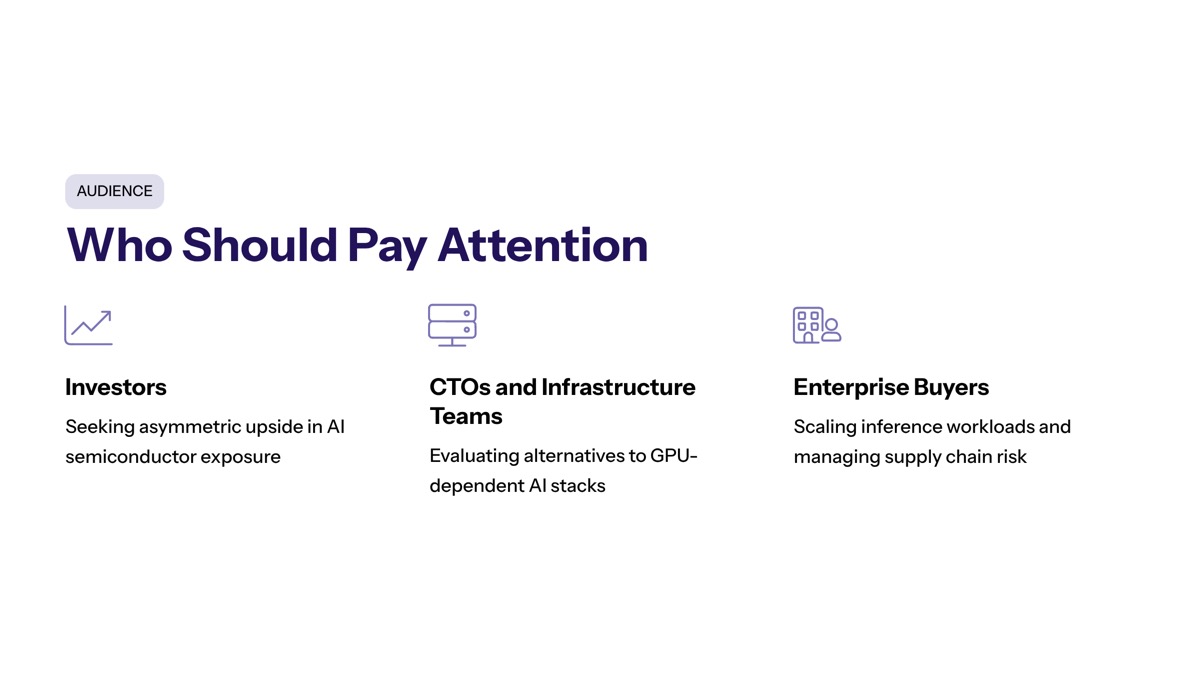
The Cerebras IPO carries implications beyond people placing orders for shares on IPO day.
-
Technology Investors – Those seeking exposure to AI infrastructure beyond Nvidia and established players now have a direct investment option in specialized AI semiconductors
-
Enterprise Decision-Makers – Understanding the competitive landscape helps in evaluating AI compute options for large-scale deployments across California data centers and beyond
-
Semiconductor Analysts – The IPO provides a valuation benchmark for emerging architectures and market dynamics in AI chips
-
Government and Defense Teams – Next-generation AI capabilities increasingly depend on specialized hardware, making supply chain considerations critical
-
Venture Capital Firms – Success here attracts additional investment to the AI hardware ecosystem, creating opportunities across the value chain
Valuation Analysis and Investment Considerations
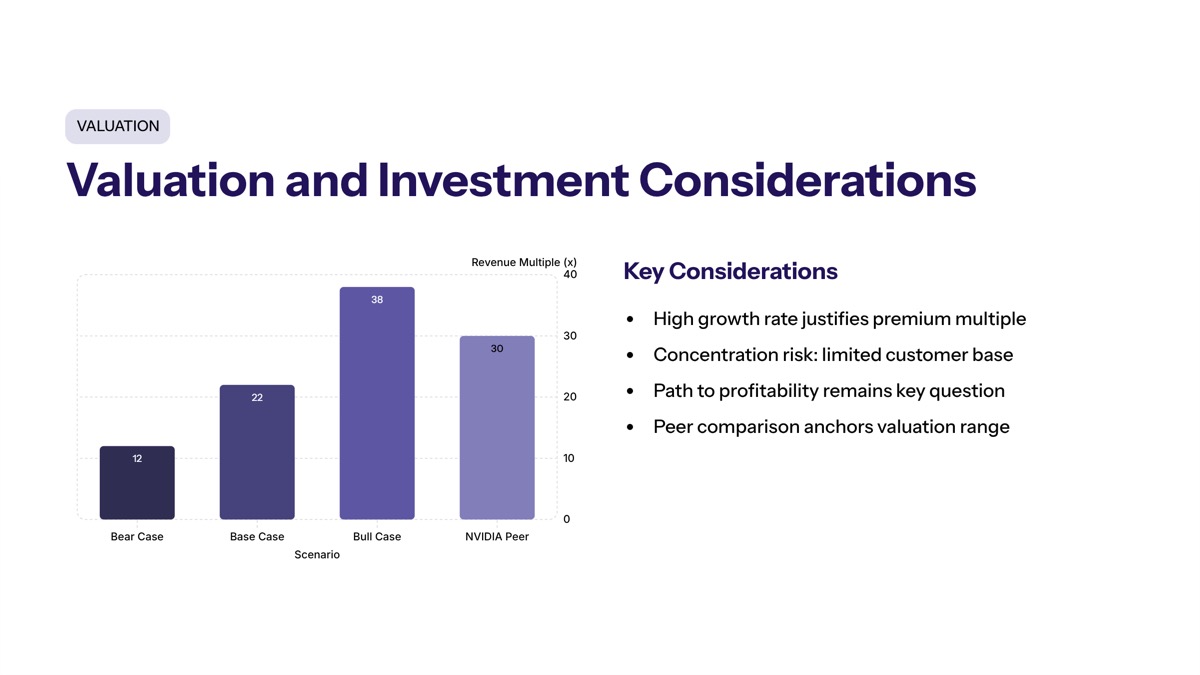
The expected valuation reflects premium positioning based on growth potential and market scarcity.
At $160 per share for 30 million shares, Cerebras would command a market capitalization near $26.6 billion. This represents significant confidence in the company’s ability to execute against its pipeline.
Key considerations for investors:
-
Revenue Multiples – Pricing aligns with high-growth semiconductor companies addressing emerging markets, though at a premium to established chipmakers
-
Execution Risk – Scaling wafer-scale manufacturing presents technical challenges that require continued R&D investment
-
Customer Concentration – A significant portion of current revenue comes from a limited number of major clients
-
Competitive Pressure – Nvidia and other companies continue investing heavily in AI chip development
-
Technology Differentiation – The wafer-scale approach provides potential for sustainable advantages in specific workloads
The market timing benefits from the current AI investment cycle. Companies need specialized hardware to deploy AI at scale, and the number of viable options remains limited.
Frequently Asked Questions
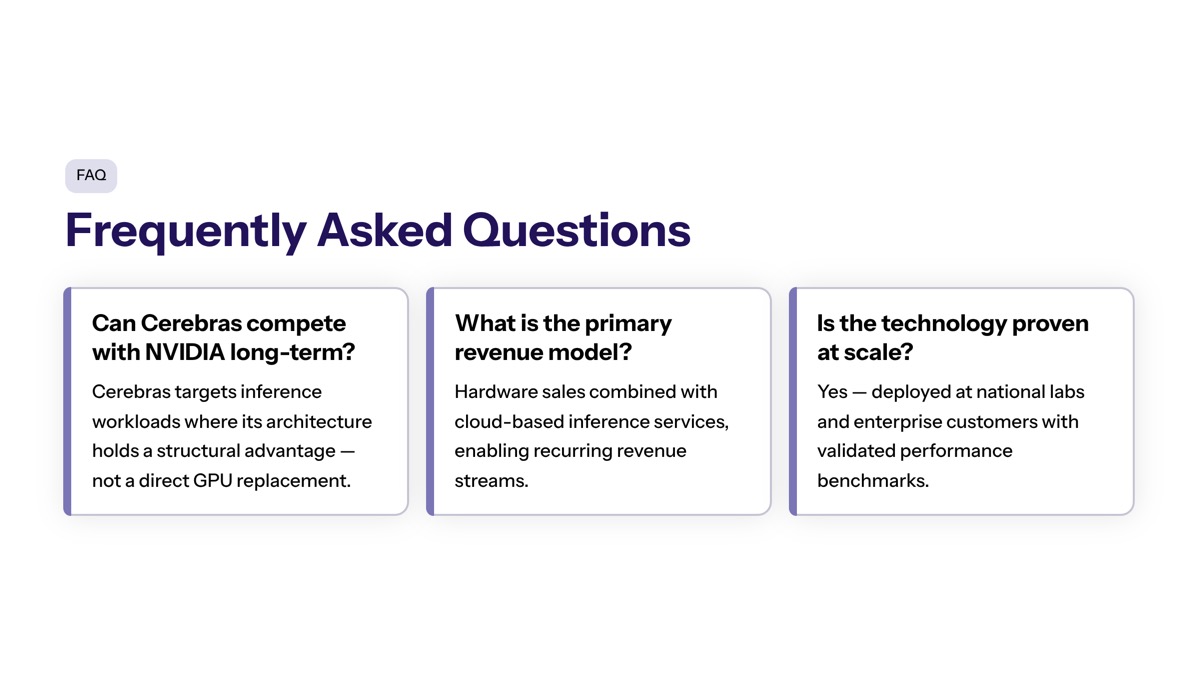
What makes Cerebras’ technology different from traditional chips?
Cerebras’ Wafer-Scale Engine uses an entire silicon wafer instead of smaller chips cut from a wafer. This approach eliminates communication overhead between chips, delivering superior speed and lower latency for AI workloads. The architecture was purpose-built for AI from the beginning, not adapted from general-purpose designs.
How quickly is Cerebras growing?
The company reported $510 million in 2025 revenue, a 76% increase year-over-year. The $24.6 billion in remaining performance obligations suggests strong growth visibility for coming years.
What customers has Cerebras secured?
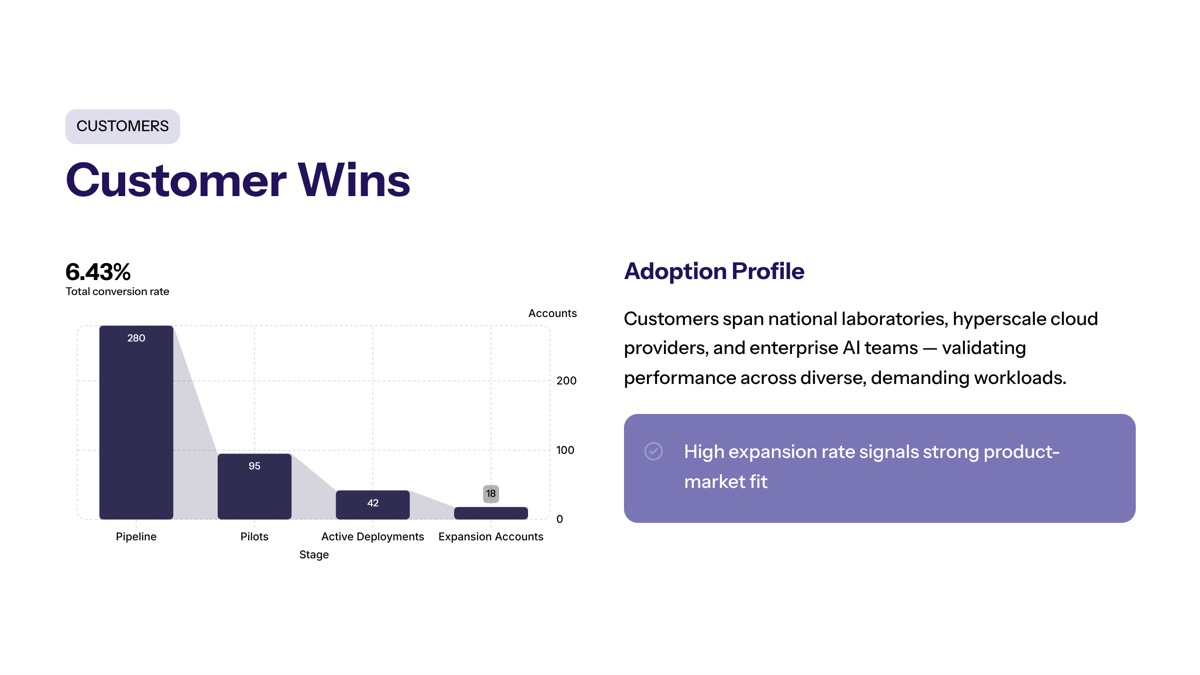
Cerebras has secured significant contracts with major companies, including a reported $20 billion deal with OpenAI and a partnership with Amazon Web Services. The company serves research institutions, enterprises, and government agencies.
Why is inference important for AI hardware?
As companies deploy AI models rather than just train them, inference—running models to generate responses—becomes the larger portion of compute demand. Speed and latency matter most in these production applications, which is where Cerebras’ architecture provides advantages.
What are the main risks to consider?
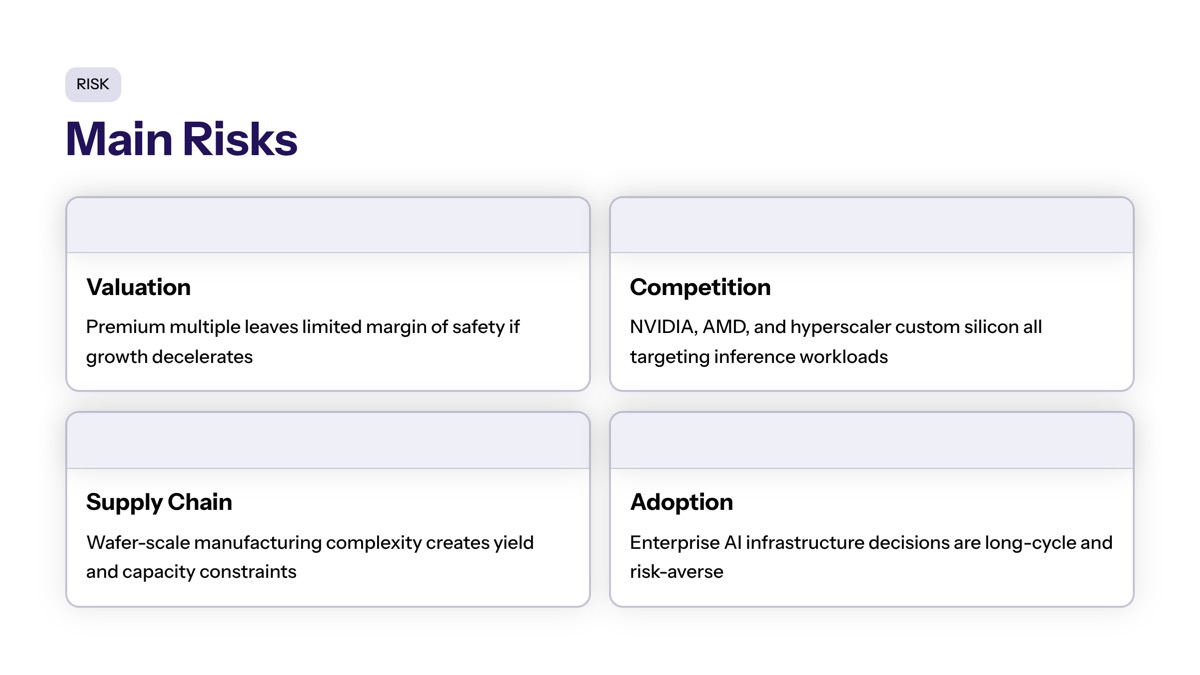
Key risks include execution challenges in scaling manufacturing, competitive pressure from established chipmakers, customer concentration in current revenue, and the timeline for broader market adoption of wafer-scale technology.
How does this IPO fit in the broader AI investment landscape?
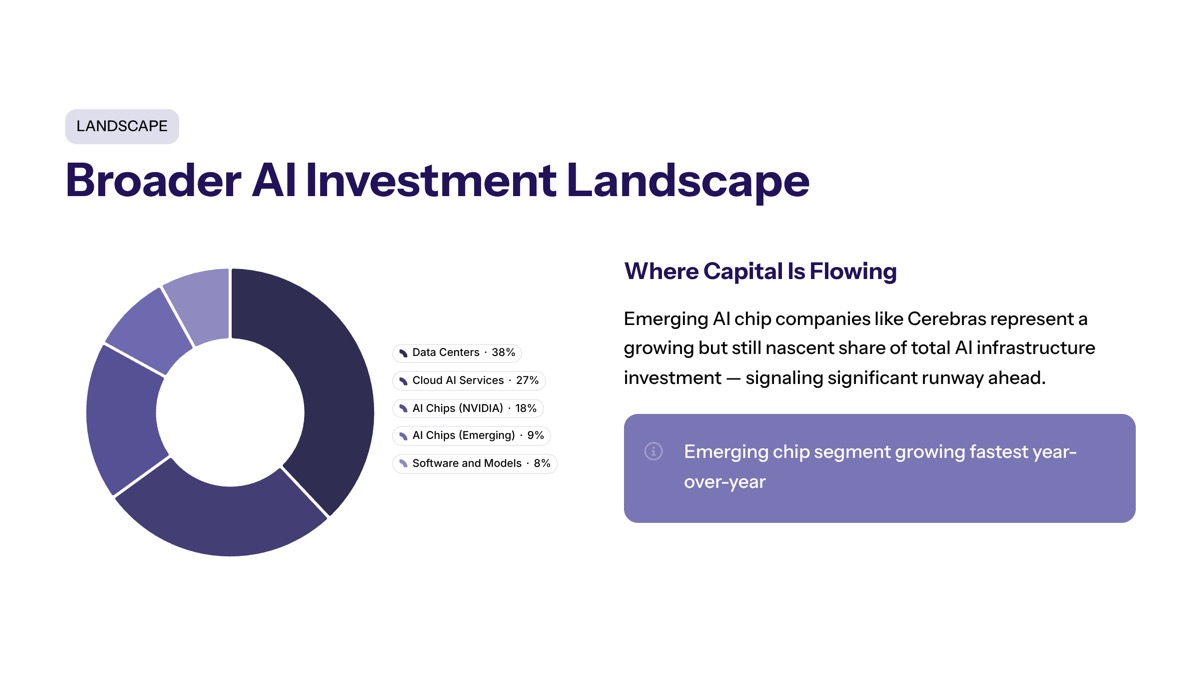
The Cerebras IPO represents one of the few opportunities for direct investment in pure-play AI semiconductor companies. Most AI exposure in public markets comes through diversified technology companies or cloud providers rather than specialized chip makers.
The surging interest in Cerebras reflects a market recognizing that AI infrastructure has become the critical constraint on AI deployment. For those tracking the US AI chip race, this IPO marks a significant milestone in how capital markets are responding to the technology supply chain challenges that will define the next phase of artificial intelligence growth.