
Enterprise AI Moves Beyond Pilots Into An Orchestration Test
TechRadar argued on April 2, 2026 that enterprise AI has moved past the pilot phase and into a new constraint: orchestrated automation. The piece said the real barrier is no longer proving that isolated experiments can work. It is coordinating how agentic systems trigger one another, stay accountable across workflows, and avoid creating automation sprawl. The clearest supporting number in the article was that only 15 percent of leaders reportedly named budget as the main barrier. That makes the core message straightforward. Trust, coordination, and operating design now matter more than another round of pilot enthusiasm.
For leadership teams, that shifts the conversation toward rapid transformation planning choices rather than pilot theater. Once AI systems start touching real processes, the issue is no longer whether one tool can succeed in a controlled environment. It is whether the organization has a workable model for ownership, exceptions, and cross-system coordination at scale.
Key Takeaways
The April 2 post-pilot argument matters because it moves the center of gravity from experimentation to operating design. Scaling AI now depends on coordination quality more than isolated proof points.
- TechRadar framed enterprise AI as moving from pilots to orchestrated automation, with trust and coordination overtaking budget as the central barrier
- The most important reported number was that only 15 percent of leaders cited budget as the main obstacle
- Teams preparing to scale AI should invest in ownership, exception handling, and coordinated platform design before funding another round of disconnected pilots

TechRadar Framed The Post-Pilot Problem As Orchestration
The April 2 piece matters because it changed the question executives are being asked to answer. In the pilot phase, the problem was whether AI could produce value in a contained setting. In the next phase, the problem becomes whether that value survives contact with real workflows, escalations, and cross-team dependencies.
That distinction matters because pilots often protect teams from the hardest parts of deployment. They narrow scope, reduce exception volume, and concentrate attention. Those conditions can make a system look ready before the wider operating model has actually been designed.
Only 15 Percent Still Called Budget The Main Barrier
The reported 15 percent figure is important because it shifts the diagnosis. If budget is no longer the main blocker for most leaders, then the constraint has moved elsewhere. The article points that “elsewhere” toward trust, coordination, and the ability to manage agentic systems once they start interacting across end-to-end processes.
That is a more operational problem than a financial one. It suggests that organizations are less stuck on whether to spend and more stuck on how to scale without losing control.
The Article Reframed Scale As A Coordination Problem
This is the most useful shift in the piece. It treats post-pilot AI not as a bigger version of experimentation but as a different class of management problem. Once systems start triggering one another, the challenge is no longer just usefulness. It is how decisions move, who owns the outcome, and how failures get contained.
That framing is more honest than a generic “time to scale” story. Many rollouts do not break because the model is weak. They break because the surrounding coordination model was never made explicit.
Automation Sprawl Becomes The First Operating Constraint
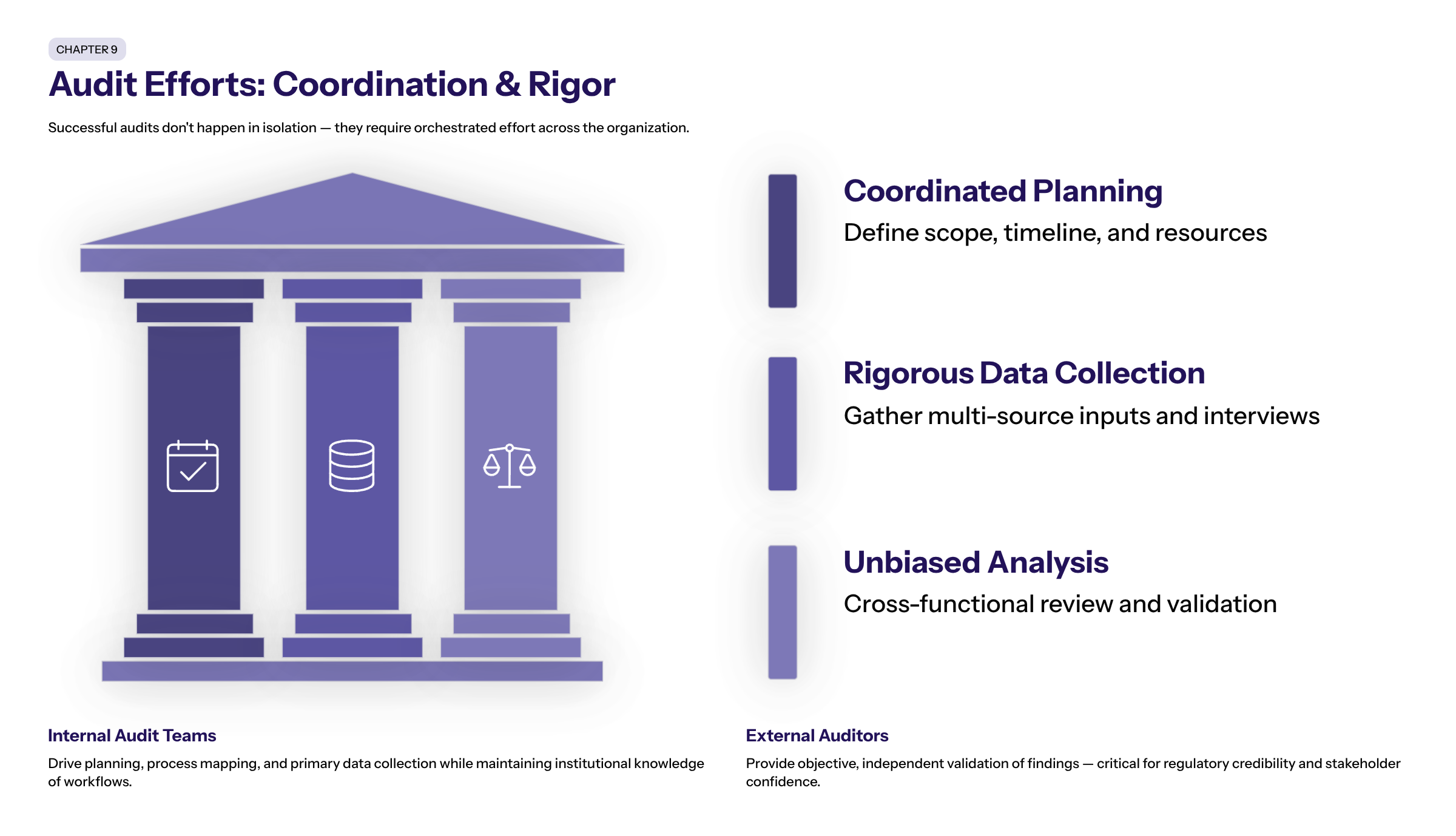
The article warned that enterprises risk automation sprawl when teams deploy disconnected tools independently. That matters because the apparent speed of AI adoption can conceal fragmentation underneath it. A company may have more active systems and less real control at the same time.
This is where many pilot-heavy strategies start to fail. Separate teams can each prove value locally while collectively building an environment with overlapping logic, unclear handoffs, and conflicting escalation paths. The problem is not lack of activity. It is lack of shared design.
Disconnected Agent Flows Create Value Drift Fast
Agentic systems are increasingly expected to trigger one another and support end-to-end processes. That raises the stakes of every handoff. If one team builds for throughput, another for compliance, and a third for local convenience, the result may still look innovative while the operating model gets harder to trust.
This is why orchestration quality matters so much after the pilot stage. Without a clear interaction model, value starts drifting away from the original use case and toward local workarounds, duplicated oversight, and unplanned exception handling.
Accountability And Trust Now Decide Whether Rollout Holds
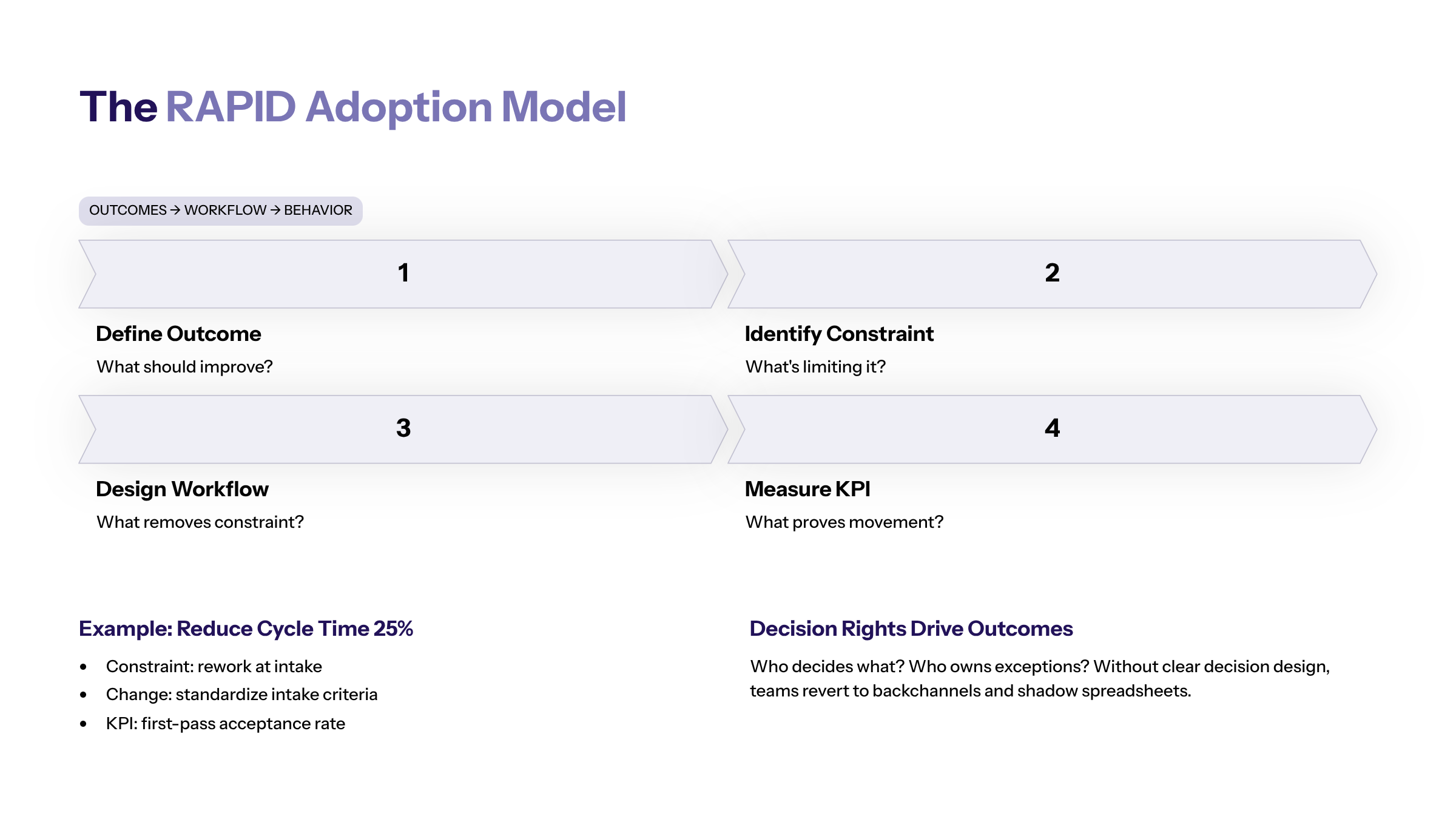
The strongest part of the April 2 argument is that trust now sits above budget in the rollout stack. Teams can secure funding and still fail if nobody knows who approves decisions, where oversight lives, or how an automation path gets corrected when it behaves unexpectedly.
That is why accountability needs to be designed as part of the system, not added after deployment. Enterprises that treat governance as a later clean-up phase will discover too late that usage can grow faster than confidence in the system.
Ownership Has To Follow The Workflow, Not The Tool
This is where many organizations under-prepare. Ownership often stays attached to the team that bought the tool rather than the workflow the tool now affects. Once AI touches product, operations, compliance, support, or finance in the same chain, component ownership is not enough.
A related Cognativ read on Copilot becoming a workplace bet is useful here because it points to the same pattern. AI stops being a tool decision once it begins altering how work is coordinated across the business. At that point, ownership has to follow the workflow and the risk, not just the software boundary.
The Next Investment Should Go Into Controlled Scale
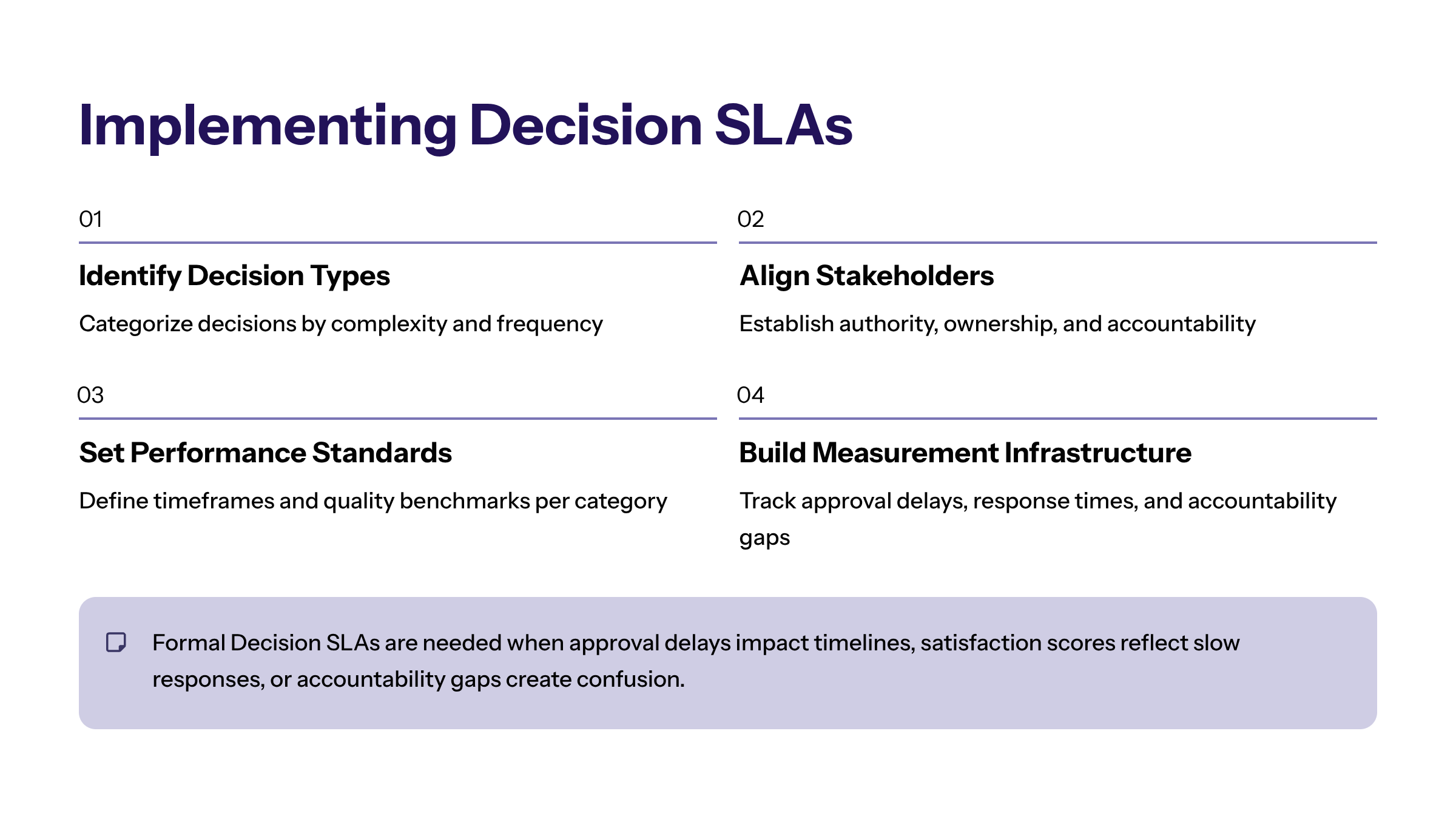
The useful implication of the post-pilot argument is not to stop scaling. It is to change what gets funded next. If the main barrier is no longer budget, then the next dollar should not default to another pilot. It should go toward the control systems that let rollout hold up under real operating conditions.
That means investing in coordinated platform design, measurable workflow accountability, and exception paths that remain clear when volume rises. Those are not side tasks. They are the infrastructure of durable AI adoption.
Platform Design Matters More Than Another Isolated Pilot
Another isolated pilot can still generate a good demo and still fail to improve the system. Platform design does the harder work of deciding how tools interact, how decisions escalate, and how teams share responsibility once automation affects multiple functions at once.
That is why the best post-pilot teams start narrowing sprawl before they expand scope. They treat scale as something that has to be earned through better coordination, not simply announced through a larger deployment count.
The Better Readiness Test Is How Exceptions Move
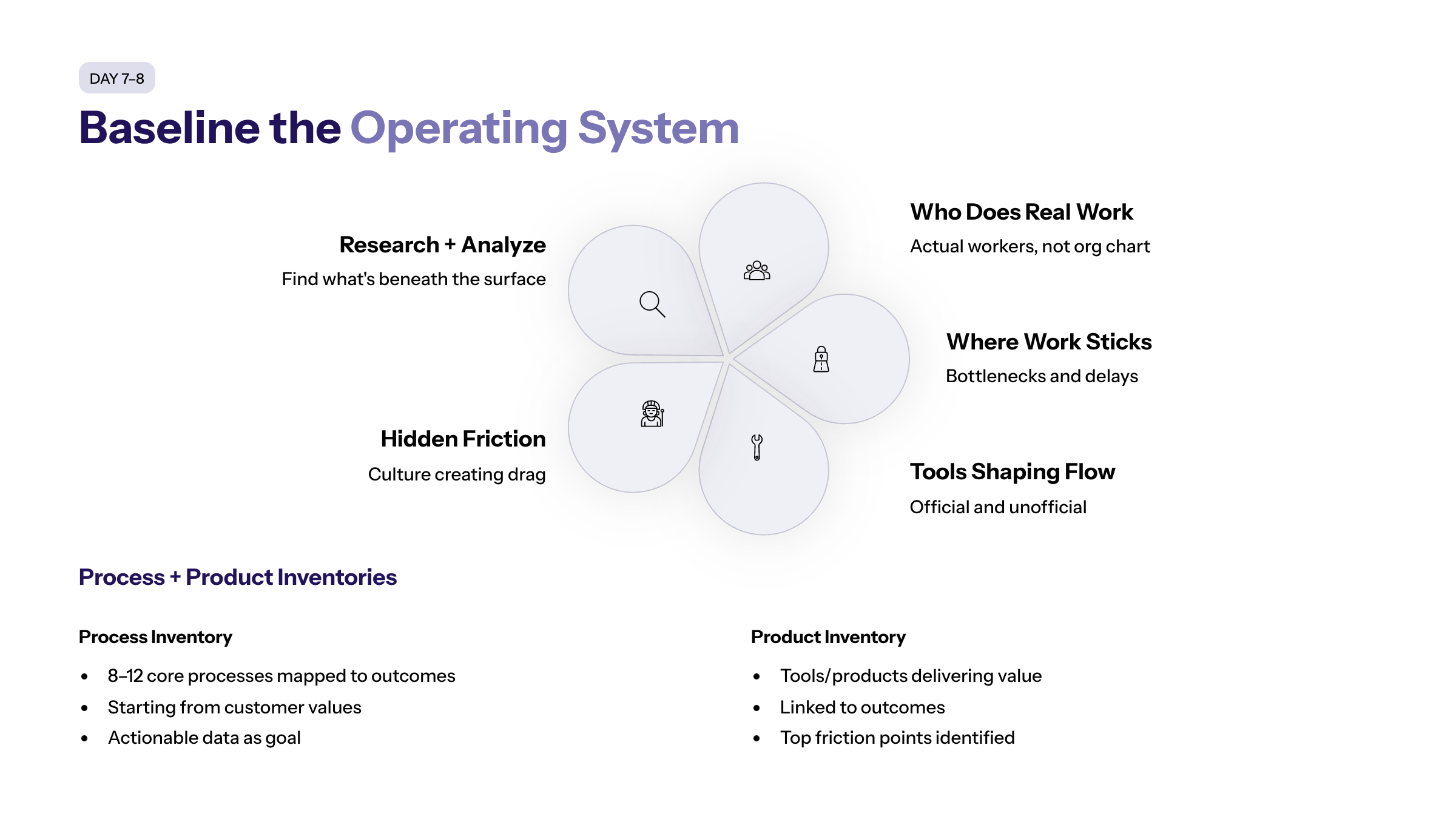
The most practical readiness test is not how many pilots succeeded. It is whether the organization can explain how exceptions move through the scaled system, who owns them, and how performance will be reviewed once novelty disappears. If those answers are still vague, the real bottleneck has not been addressed.
That test is harder than celebrating another use case, but it is more reliable. It reveals whether the company has built an AI operating model or only accumulated evidence that individual tools can look good in controlled conditions.
Conclusion
The April 2 argument about enterprise AI moving beyond pilots did something useful. It shifted attention from pilot count to orchestration quality, highlighted that only 15 percent of leaders reportedly see budget as the main barrier, and framed automation sprawl, trust, and accountability as the real constraints of scale. That is the news.
The stronger implication is that the next failure mode will be managerial, not experimental. Organizations that keep funding disconnected pilots while neglecting coordinated platform design will create more AI activity without creating a more reliable operating system. If your team is already deciding what should come after the pilot phase, use this automation scaling review before rollout speed outruns the control model it depends on.