
GitHub Moves Copilot Cloud Agent Controls to the Org Layer
On April 3, 2026, GitHub said Copilot cloud agent now supports organization-level runner controls. The changelog update means organization admins can set default runners for Copilot cloud agent and lock that setting so repositories cannot override it.
The same release also moves control away from per-repository copilot-setup-steps.yml customization.
That is the actual product change. Copilot cloud agent tasks run inside new development environments powered by GitHub Actions, and teams can now steer those tasks toward GitHub-hosted, large, or self-hosted runners under an org policy instead of leaving the decision scattered across repositories.
For teams trying to keep agent execution consistent across many repos, that is closer to AI software delivery with enforceable runtime guardrails than to a small admin convenience.
Key Takeaways
GitHub’s April 3 release changed where Copilot cloud agent runner policy can be defined and enforced.
- GitHub now lets organization admins set default runners for Copilot cloud agent and lock that choice so repositories cannot override it
- Copilot cloud agent tasks still run inside GitHub Actions-backed development environments, but the runner can now be pointed to GitHub-hosted, large, or self-hosted options under org policy
- The release shifts the main enterprise question from whether runner governance is possible to what default runner, exception path, and self-hosted access policy the organization should actually adopt

GitHub Put Runner Defaults Above Repository Settings
The clearest way to read the changelog is that GitHub moved runner control to the layer where platform teams usually need it. Before this update, runner behavior was closer to a repository-specific decision. After the update, the organization can define a default runner for Copilot cloud agent and apply that choice more broadly.
That matters because repository-by-repository configuration creates drift fast. A cloud agent can look standardized at the interface level while still running under different execution assumptions across teams. GitHub’s release addresses that by moving the runner decision upward before adoption spreads further.
Admins Can Now Lock a Default Runner
The lock control is one of the highest-value details in the release. GitHub did not only add an organization default. It also added a way for the organization to stop repositories from overriding that default.
That turns the feature from a suggestion layer into a policy layer. A default without a lock is a convenience. A default with a lock is a real governance tool because it gives platform teams a way to hold execution context steady across repositories.
Runner Choice No Longer Lives in Repo Setup Files
GitHub also made clear that it is moving control away from per-repo copilot-setup-steps.yml customization. That is not cosmetic. It changes where runtime decisions live in the delivery model.
When runner choice sits inside local repository setup, each team can quietly shape execution context on its own. When runner choice moves to the org layer, the default model becomes easier to audit, document, and explain to security and platform stakeholders.
Copilot Tasks Now Inherit an Actions-Backed Runtime Choice
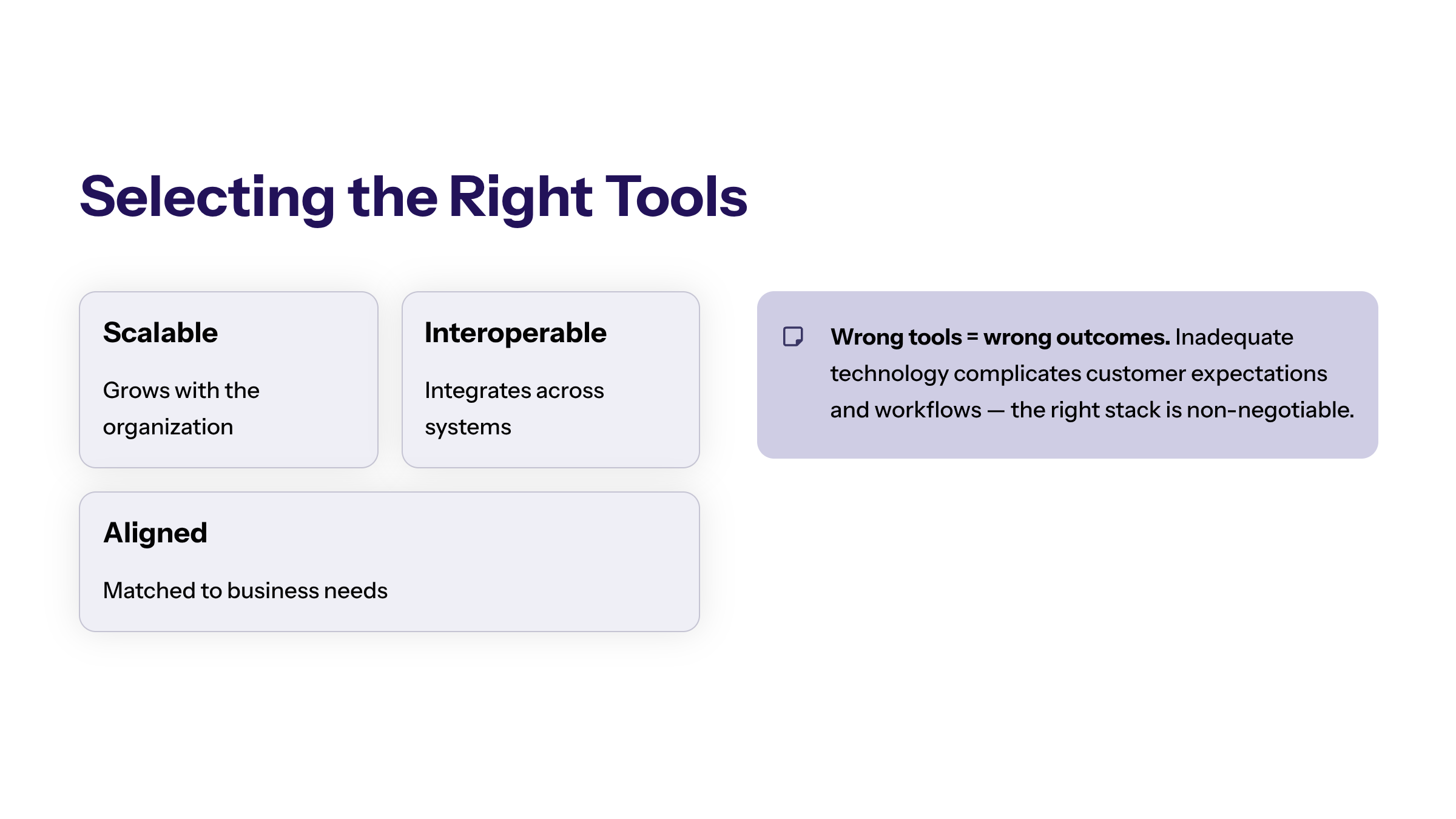
GitHub did not change the underlying fact that Copilot cloud agent tasks run inside new development environments powered by GitHub Actions. What changed is that the runner decision can now be made centrally for those environments rather than repo by repo.
That distinction is important because runner choice is not just a performance setting. It determines what kind of machine the agent runs on, what resources it can reach, and how much of the execution environment the organization controls directly.
GitHub-Hosted and Large Runners Stay Inside Standard Infrastructure
One practical consequence of the release is that teams can now set GitHub-hosted or large runners as the default execution path at the organization level. That creates a cleaner baseline for teams that want predictable infrastructure without introducing private network reach or custom runner management.
This is the part of the feature that will appeal first to platform teams trying to reduce inconsistency. Once a default runner is defined centrally, repositories inherit a more uniform execution model and fewer local runtime variations have to be explained after the fact.
Self-Hosted Runners Bring Internal Access Into Scope
The more sensitive option is self-hosted runners. GitHub’s release explicitly allows teams to point Copilot cloud agent toward self-hosted infrastructure, which means the feature is also about internal resource access, network boundaries, and trust in the execution path.
That is why runner governance matters. A self-hosted option can improve performance or internal integration, but it also changes what the agent can touch. The decision therefore belongs in platform policy, not in scattered repository-level preference files.
Runner Governance Changes What Platform Teams Need to Review
Once runner policy lives at the org boundary, platform teams have a more realistic place to standardize execution. That makes the review problem clearer too. The question is no longer just which repositories enabled the cloud agent. The question becomes which runners are allowed to serve as the default operating context for the agent across the organization.
This is where the change becomes more than a GitHub admin update. A related Cognativ read on AI code review moving into core delivery controls points to the same broader pattern: as coding agents move deeper into delivery work, teams need control over the surrounding runtime and review environment, not just the model interface.
Runner Policy Now Affects Security, Drift, and Exception Handling
Central runner policy reduces drift, but only if the organization treats it as a real operating standard. Platform teams need visibility into which runner is locked, where self-hosted access is permitted, and how exceptions are granted when teams need a different execution path.
That is where the control becomes operational instead of symbolic. A locked default runner, an explicit exception path, and a record of which repos sit outside the default are the pieces that turn this feature into a real governance surface.
Org Runner Policy Is Now the Real Implementation Work
GitHub solved the placement problem. It gave organizations a place to define runner policy. What it did not solve is the harder question of what that policy should be. That work now sits with platform, security, and engineering leadership rather than with the product itself.
This is the point where many teams will discover whether they actually have an agent execution standard or only a collection of implicit preferences. Central control helps only when the default, the lock decision, and the self-hosted review path are all explicit enough to survive scale.
Default Runner Selection Now Sets the Guardrail
The first useful org-level decision is the default runner itself. Should Copilot cloud agent inherit a GitHub-hosted runner by default, a large runner for heavier jobs, or a self-hosted runner for controlled internal access? Each option changes the organization’s risk and operating model.
After that comes the exception path. Which teams can request a different runner, who approves it, and when does self-hosted access become justified? Those are the decisions that turn GitHub’s April 3 release from a feature into a defensible platform standard.

Conclusion
GitHub’s April 3 changelog did something specific: it moved Copilot cloud agent runner controls to the organization layer, let admins set and lock default runners, and reduced reliance on per-repository setup choices. Those are the facts that define the release.
The broader significance follows from that change. Copilot cloud agent execution is starting to look more like an org-governed runtime surface than a local repo setting. If you are already deciding which runners agents should be allowed to use across shared repositories, move that question into a real delivery and control review through this runtime control review.