
Moonbounce Frames AI Moderation As A Runtime Policy System
TechCrunch reported on April 3, 2026 that Moonbounce raised $12 million and positioned its product around applying “policy as code” to content moderation. The company says its system can evaluate content at runtime and respond in 300 milliseconds or less. The report also sharpened the human-review constraint behind that pitch: Facebook reviewers reportedly had 30 seconds to decide against a 40-page policy document and were only slightly better than 50 percent accurate. That is the real setup. Moderation is being recast as executable runtime infrastructure because manual review and static policy documents cannot keep pace with AI-generated output.
For trust-and-safety teams, that makes this closer to an AI-first architecture review and enforcement-design story than a startup profile. Once policy has to operate at product speed, moderation stops being only a reviewer workflow and becomes a system that needs latency, fallback behavior, and operational ownership.
Key Takeaways
The April 3 Moonbounce story matters because it turns moderation into an engineering and runtime-control problem instead of a document-and-review problem alone.
- Moonbounce raised $12 million and framed moderation as “policy as code” infrastructure that can respond in 300 milliseconds or less
- The report used Facebook reviewer constraints, 30 seconds against a 40-page policy and only slightly better than 50 percent accuracy, to show why manual review cannot carry the whole load
- Teams shipping AI products increasingly need executable enforcement systems, with humans handling ambiguity and escalation instead of first-line volume alone

Moonbounce Framed Moderation As A Live Runtime Layer
The April 3 report matters because it attached funding and product language to a broader moderation shift. Moonbounce is not selling moderation as extra reviewer capacity. It is selling a runtime layer that can translate policy into action while the product is operating.
That framing matters because AI content volume changes the timing problem. Moderation is no longer only about what gets reviewed eventually. It is about what gets intercepted, delayed, escalated, or allowed before content can do harm inside a live workflow.
$12 Million And 300 Milliseconds Made The Runtime Claim Concrete
The funding amount matters because it signals investor belief that moderation now belongs inside the infrastructure stack. The 300-millisecond response claim matters because it sets the operational standard the product is aiming at. This is not a queue-management story. It is a runtime-performance story.
That distinction changes how teams should evaluate the category. A moderation system that acts in milliseconds has to be judged on engineering behavior, not only on policy intent or reviewer staffing.
The Facebook Reviewer Example Showed Why Manual Review Breaks Down
The reviewer constraint is the strongest context in the piece. Asking humans to make decisions in 30 seconds against a 40-page policy document while performing only slightly better than 50 percent accuracy is a clear description of why static review models struggle under AI-era volume.
That does not make humans irrelevant. It makes them poorly matched to first-line speed enforcement when the system itself is generating or distributing content at machine pace.
Policy Has To Be Translated Into Executable Logic
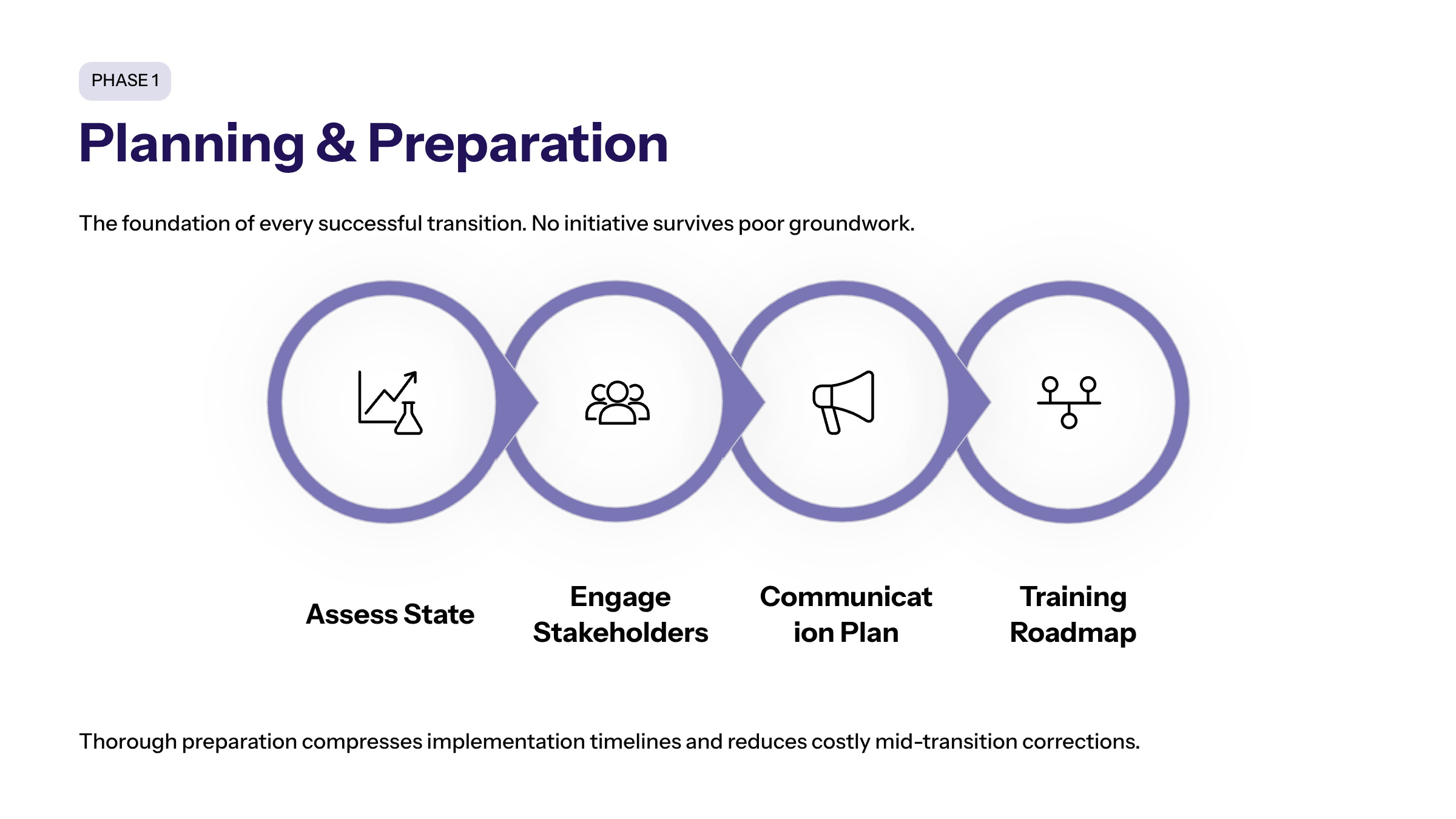
This is the harder part of the Moonbounce thesis. Policy documents, reviewer playbooks, and escalation memos are not the same thing as runtime enforcement. A live product needs rules, thresholds, interventions, and fallback states that can operate consistently under load.
That translation work is where many teams still lag. They can describe what the policy says, but not how the product should behave in milliseconds when content falls into a risky or ambiguous zone.
Policy As Code Is Really A System-Design Problem
“Policy as code” is useful language because it forces teams to admit that moderation cannot stay abstract. If a rule cannot be operationalized, then it is not yet a runtime policy. It is still only a governance aspiration.
That is what makes moderation an engineering problem. The work sits in thresholds, routing, escalation design, uncertainty handling, and observability, not only in the policy document itself.
Adoption Depends On Whether Teams Trust The System To Act In Time
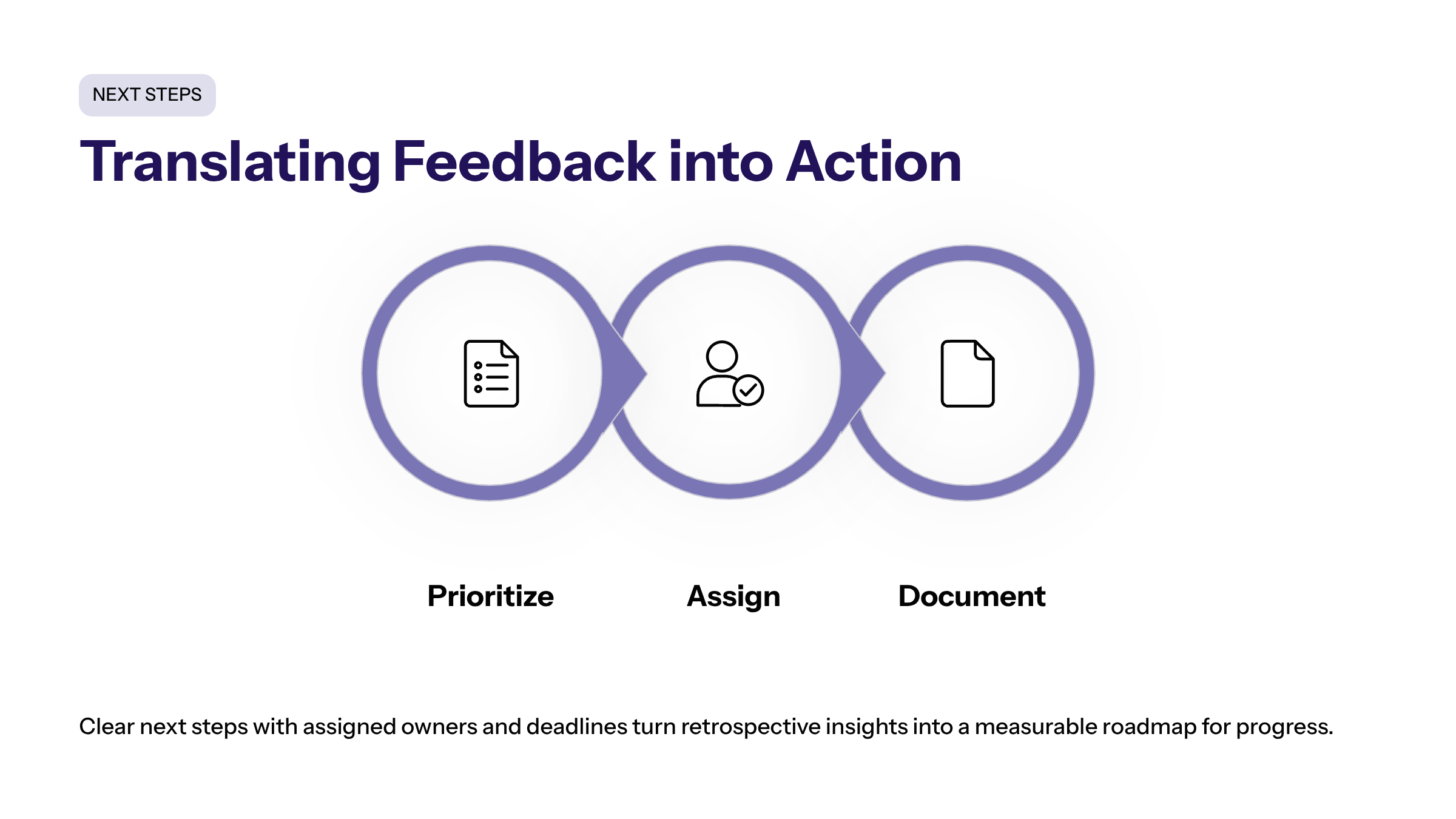
The next adoption challenge is not whether runtime moderation sounds appealing. It is whether product and trust-and-safety teams believe the system can actually intervene at the right moment without creating unacceptable false positives, blind spots, or unclear escalation paths.
That is where runtime moderation becomes harder than a funding narrative suggests. Acting quickly is necessary, but speed without a trusted fallback model can create a different kind of operational risk.
Humans Still Matter Most At The Escalation Boundary
The strongest runtime systems do not eliminate human judgment. They reposition it. Humans become more valuable at ambiguity handling, appeals, policy refinement, and edge-case review, while the runtime handles first-line filtering and intervention at machine speed.
A related Cognativ analysis on governance bundled into one platform bet is useful here because it points to the same design principle. Governance becomes real only when it is connected to system behavior, ownership, and escalation logic instead of floating above the product as a separate document.
The Friction Sits In Precision, Fallbacks, And Real Harm Dynamics
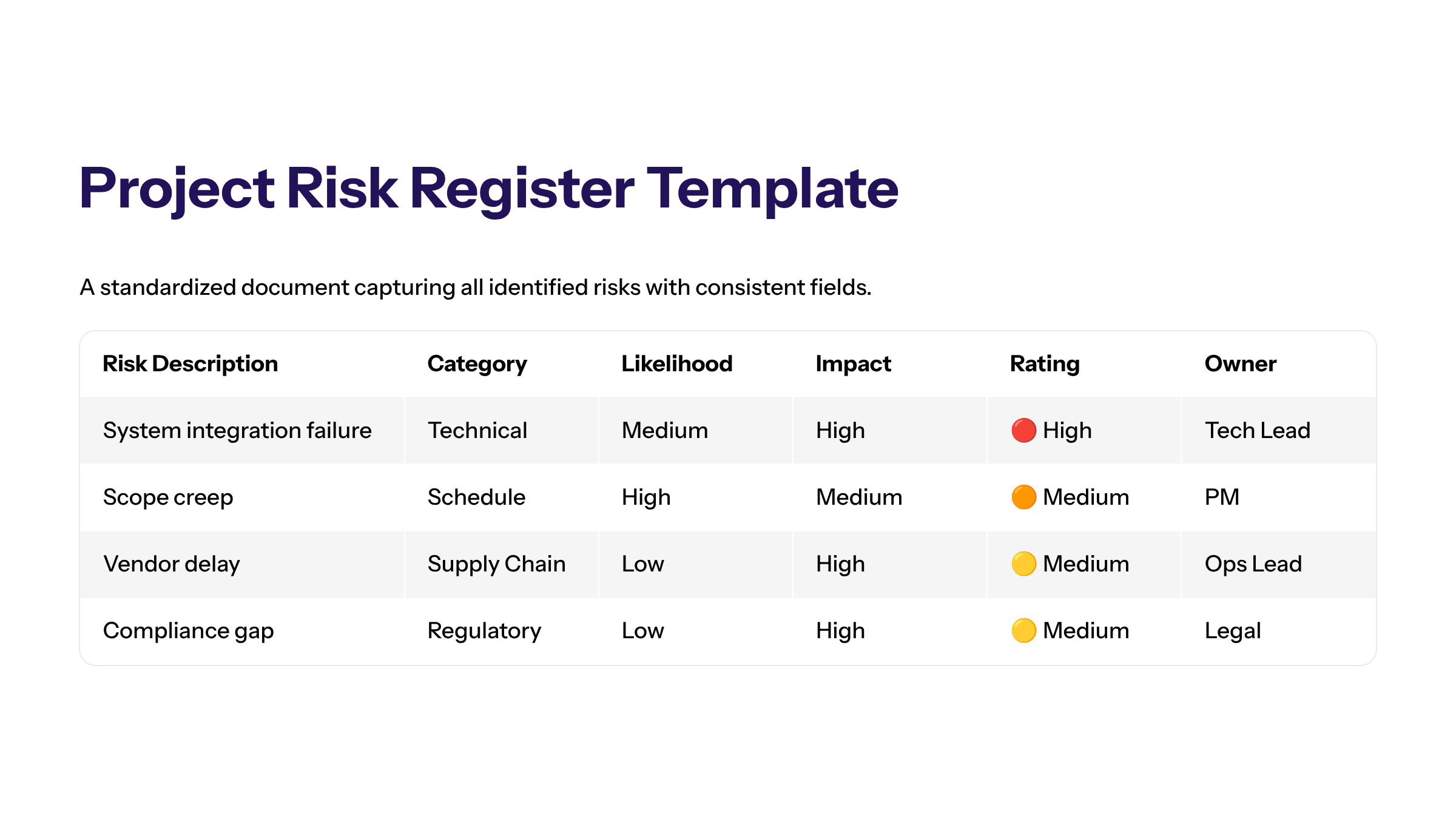
This is the part teams cannot skip. Runtime moderation sounds clean until the system encounters content that is context-dependent, borderline, or rapidly evolving. That is where executable policy stops being a classification exercise and becomes a live product-behavior decision.
The stronger teams will review not only whether a model can flag or block content, but how the system behaves when it is uncertain. That is the clearest sign that moderation is being treated as real infrastructure instead of a binary filter glued onto the side of the product.
The Better Readiness Test Is What Happens In Ambiguous Cases
The best readiness test is not whether the system handles easy violations quickly. It is whether the team can explain what happens in ambiguous cases: whether content is slowed, escalated, routed for review, or handled through a safer fallback path.
That is the operational maturity gap the Moonbounce story exposes. Many teams can describe their values more clearly than they can describe their runtime behavior when those values need to execute under pressure.
Runtime Enforcement Quality Now Shapes Product Quality Directly
Once moderation sits in the runtime, it affects latency, release confidence, user trust, and product scope. That makes it a platform capability, not a sidecar function. A stronger enforcement layer can make product expansion safer, while a weak one can inject risk into every new feature.
That is why this category matters now. Enforcement quality is starting to shape product quality directly, which means moderation design belongs in the core engineering conversation.
Conclusion
The April 3 Moonbounce story described a $12 million funding round, a “policy as code” moderation model, a 300-millisecond runtime-response claim, and a human-review constraint defined by 30 seconds, 40 pages, and only slightly better than 50 percent accuracy. That is the news.
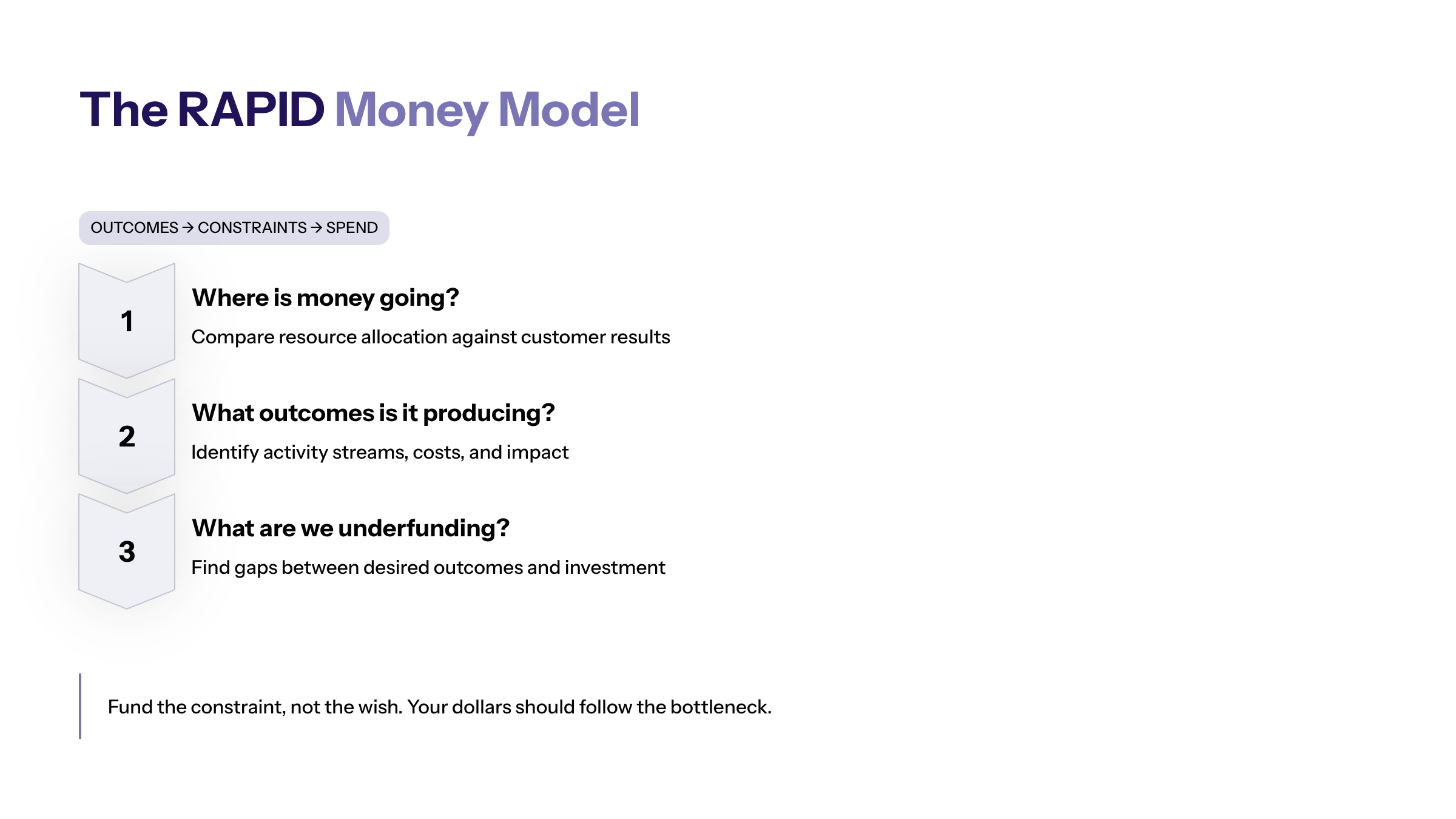
The broader lesson is that moderation is becoming executable runtime policy because manual review and static guidance cannot absorb AI-era content volume on their own. Teams building AI products need enforcement systems that can act in time, fail safely, and escalate intelligently when policy stops being obvious. If that same gap is visible in your roadmap, use this moderation systems review before moderation remains a document while the product keeps moving.