
Y Combinator Cuts Ties With Delve Amid Compliance Claims
On April 4, 2026, TechCrunch reported that Y Combinator removed Delve from its directory and that the two sides had parted ways. Insight Partners also appeared to distance itself from the company. Delve, a compliance startup, is at the center of claims that it misled clients, including allegations around skipped requirements and auto-generated reports for certification mills. Those are the facts to start with. They turn the story from startup fallout into a trust test for compliance automation.
That is why this belongs in AI-first architecture planning and governance review, not in founder gossip. Compliance automation is sold into workflows where evidence, review depth, and defensibility are the product. If the company behind the system is accused of skipping the same rigor it promises to accelerate, buyers have to reassess the category on harder terms.
Key Takeaways
Delve's April 4 fallout matters because it puts the credibility of AI-assisted compliance workflows under direct pressure.
- Y Combinator removed Delve from its directory and the companies parted ways, while Insight Partners also appeared to distance itself from the startup
- The allegations center on skipped requirements and auto-generated reports, which cut directly at the trust model behind certification tooling
- Buyers should judge compliance automation on control depth, evidence quality, and audit defensibility rather than speed claims alone

What Happened On April 4
The story changed because the external signals became harder to dismiss. Y Combinator did not simply stop talking about Delve. It removed the company from its directory and the two sides parted ways. Insight Partners also appeared to distance itself. When both an accelerator and an investor step back during a controversy, the market stops treating the issue as noise.
That matters because the product category is compliance. A vendor in this space does not just sell convenience. It sells confidence that controls, evidence, and certification workflows can stand up to scrutiny. Once credibility around the vendor itself starts to crack, the product promise comes under the same pressure.
Y Combinator's Split Turned A Startup Story Into A Market Signal
A YC split is not just brand damage. It is a market signal that the company no longer fits the trust boundary a high-visibility backer wants to maintain. In a governance-heavy category, that kind of separation travels fast because customers read it as an indicator of unresolved risk, not just public-relations discomfort.
Investor distance matters for the same reason. Once external supporters begin stepping back, buyers have to ask whether the issue is reputational, operational, or structural. In Delve's case, the answer matters because the allegations go directly to how the product is supposed to handle compliance work.
Allegations Around Skipped Requirements Hit The Product Promise
The hardest part of the story is not that Delve faces criticism. It is the shape of the criticism. The allegations involve skipped requirements and auto-generated reports for certification mills. That means the controversy is not orbiting generic startup behavior. It is aimed at whether the system's output was backed by real control validation.
That is the exact place where governance tooling can fail catastrophically. If the workflow becomes fast by compressing evidence or bypassing real review, the software stops helping with trust and starts manufacturing false confidence instead.
Investor Distance Shows How Quickly Trust Can Collapse
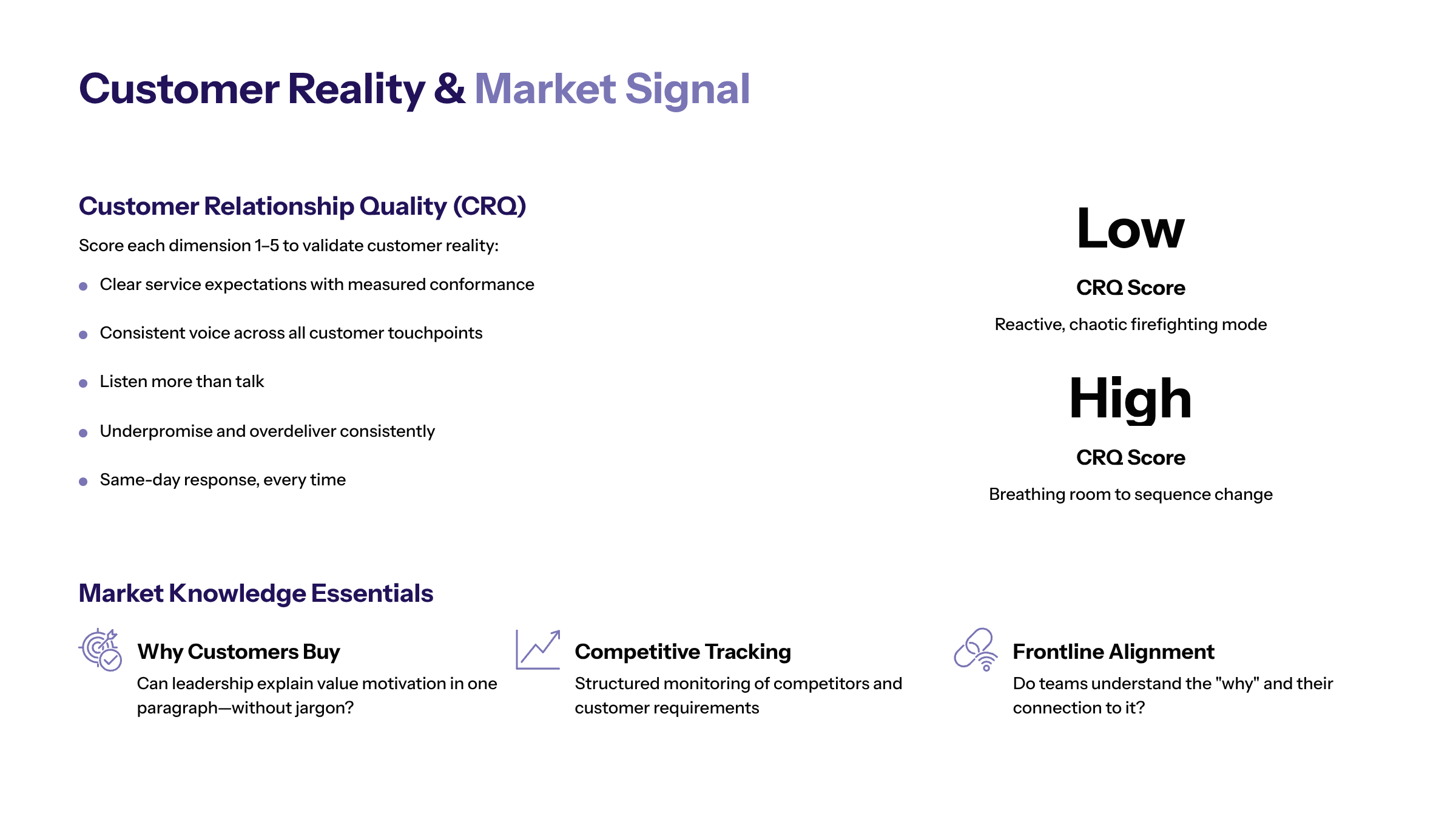
Governance vendors can lose trust faster than ordinary SaaS companies because their product is already sitting inside a higher-stakes decision chain. Customers do not buy these tools for entertainment or convenience alone. They buy them to survive audits, prove controls, and reduce risk around regulated or review-heavy work.
That changes the way controversy behaves. In another category, a reputation hit might remain mostly commercial. In compliance automation, it immediately becomes operational because customers have to ask whether the workflow itself is still defensible. Trust is not adjacent to the product. It is part of the product.
Governance Vendors Lose Credibility Faster Than Ordinary SaaS Tools
The deeper reason is simple: the buyer is outsourcing part of a trust workflow. That means the vendor's own process logic, review depth, and evidence discipline are part of the commercial proposition. Once those become questionable, the damage moves from reputation into usability very quickly.
That is what makes the Delve story more useful than typical startup drama. It shows how quickly a governance-automation company can stop being evaluated on speed and start being evaluated on whether its outputs were ever sturdy enough to deserve confidence.
The Real Weakness Sits In The Evidence Layer
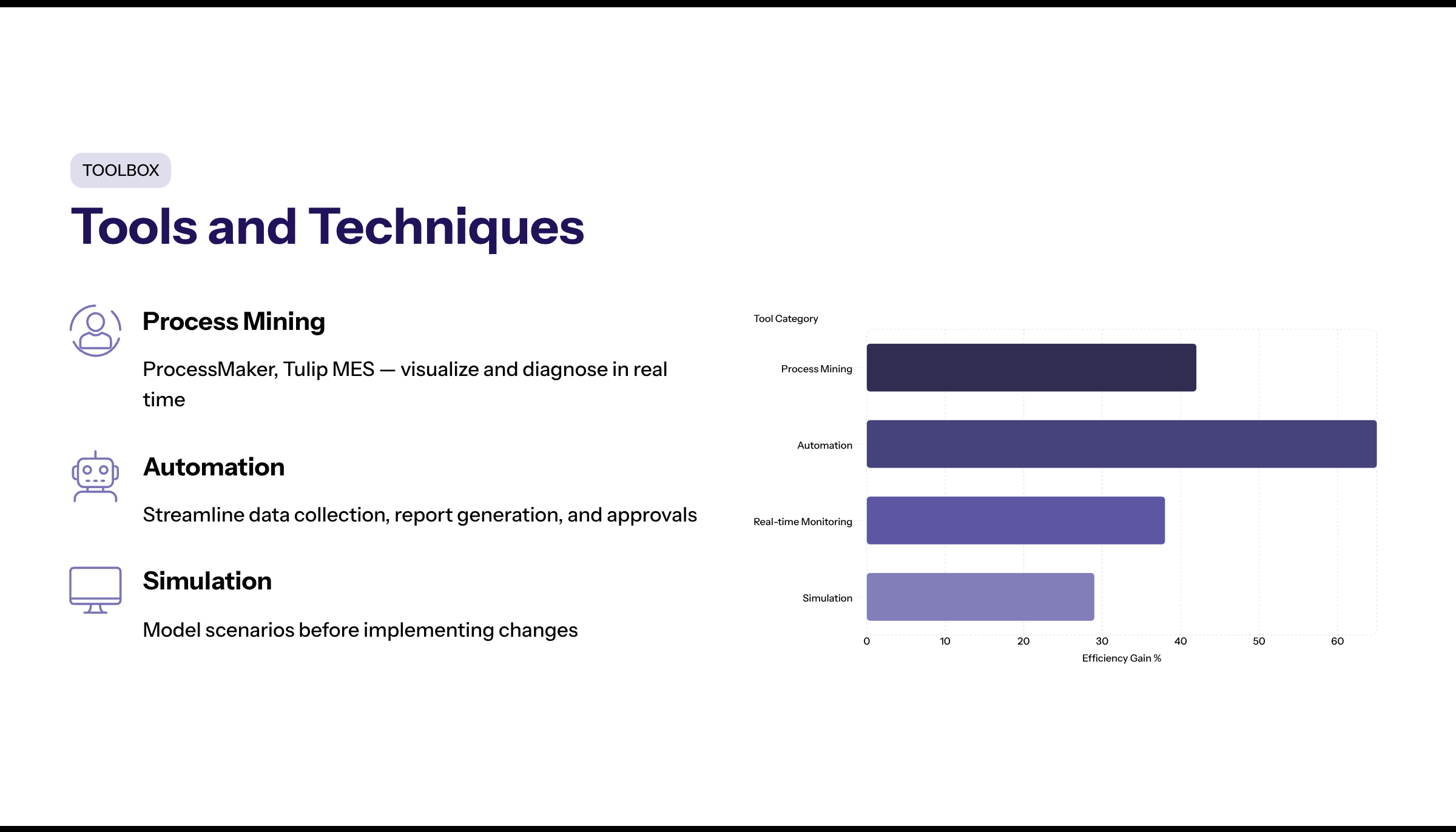
The broader lesson is not anti-automation. It is anti-shortcut. Automation can reduce repetitive work, standardize task routing, and make preparation cleaner. None of that solves the deeper problem if the evidence layer underneath the workflow is thin, weakly reviewed, or hard to defend once challenged.
That is why the right question is not whether compliance work can be accelerated. Of course some of it can. The right question is which parts of the workflow can be accelerated without weakening provenance, approval logic, exception handling, and the audit trail that makes the system trustworthy in the first place.
Auto-Generated Reports Mean Little Without Real Control Validation
Auto-generated reporting only has value when it sits on top of real control validation. If the system is generating polished output from incomplete checks, skipped requirements, or weak evidence review, the automation becomes cosmetic. It may help the workflow look mature while quietly undermining the part that matters.
That is the most important filter buyers should take from this case. A vendor should be able to explain how a control was validated, who approved the evidence, how exceptions are logged, and what happens when the underlying proof is incomplete or contradictory. If that explanation stays vague, the interface does not matter.
Buyers Should Treat Certification Automation As A Control Problem
A related Cognativ analysis on governance bundled into one platform bet helps frame the larger issue. Governance software often gets sold as if consolidation and automation automatically improve oversight. The Delve controversy shows why buyers should distrust that shortcut. The system is only as credible as the control model and evidence discipline underneath it.
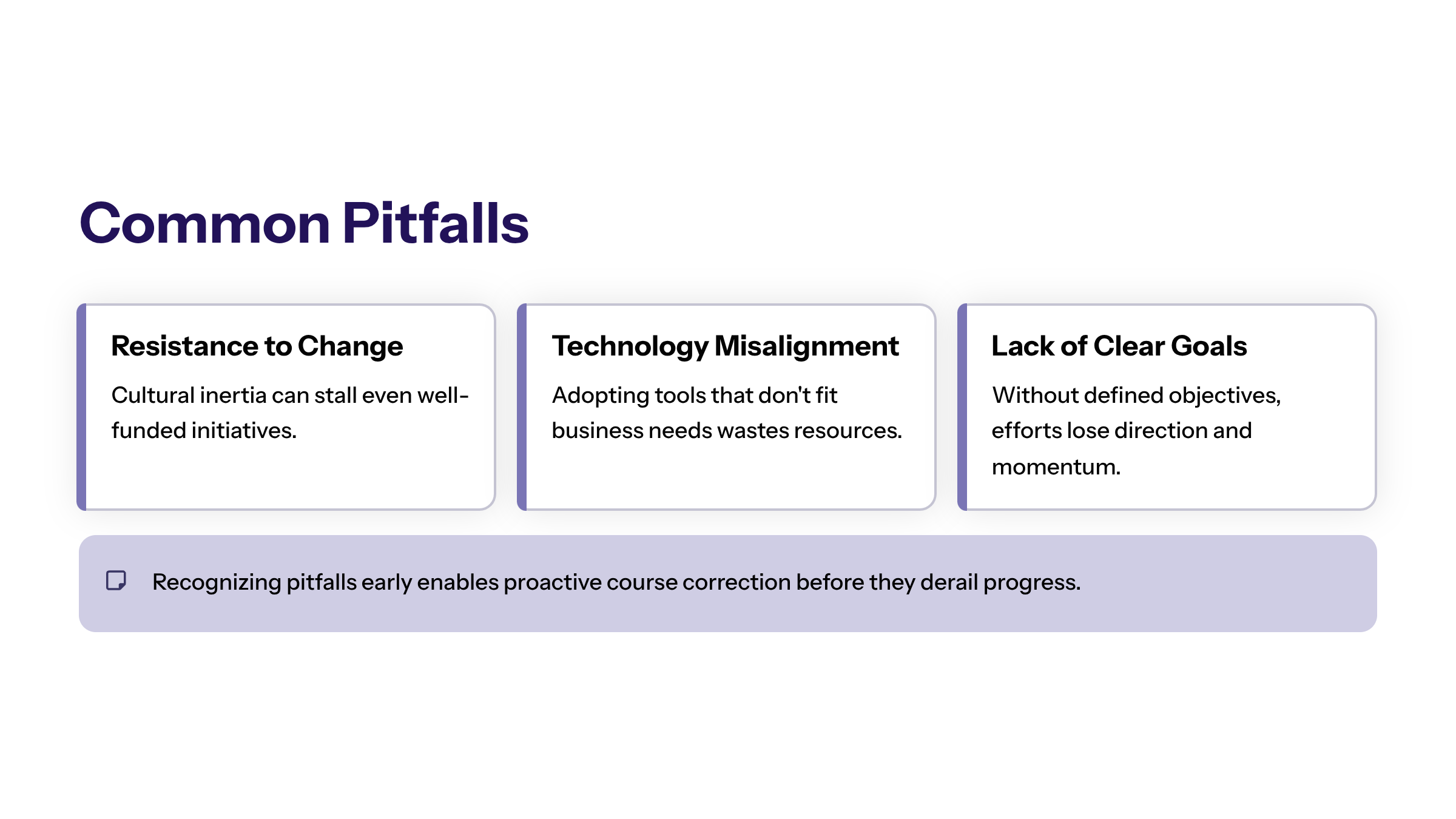
That means certification automation should be reviewed as a control problem first and a workflow problem second. Faster preparation is useful. It is not the same thing as defensible compliance. If a product compresses the part of the process where human review, exception handling, and evidence quality are supposed to stay visible, speed becomes a liability.
Review Depth Has To Stay Visible Even When Workflow Speed Improves
The strongest products in this category are usually explicit about where automation stops. They can show where human review remains mandatory, how confidence is assigned, and what happens when evidence arrives late, incomplete, or contradictory. That visibility is part of the product, not an afterthought.
Buyers should demand that level of clarity. If a vendor cannot explain the review path without sliding into marketing language, the automation layer is probably running ahead of the governance layer.
The First Test Is What The System Refuses To Automate
One of the best diligence questions is also the simplest: what does the system refuse to automate? A credible compliance product should have clear boundaries. It should be able to say where documentation ends, where human judgment begins, and which decisions must remain reviewable by named owners.
That is the discipline missing from too much of the category. Products that claim to automate everything in a governance-heavy workflow often reveal that they do not really understand the seriousness of the workflow they are accelerating.
Conclusion
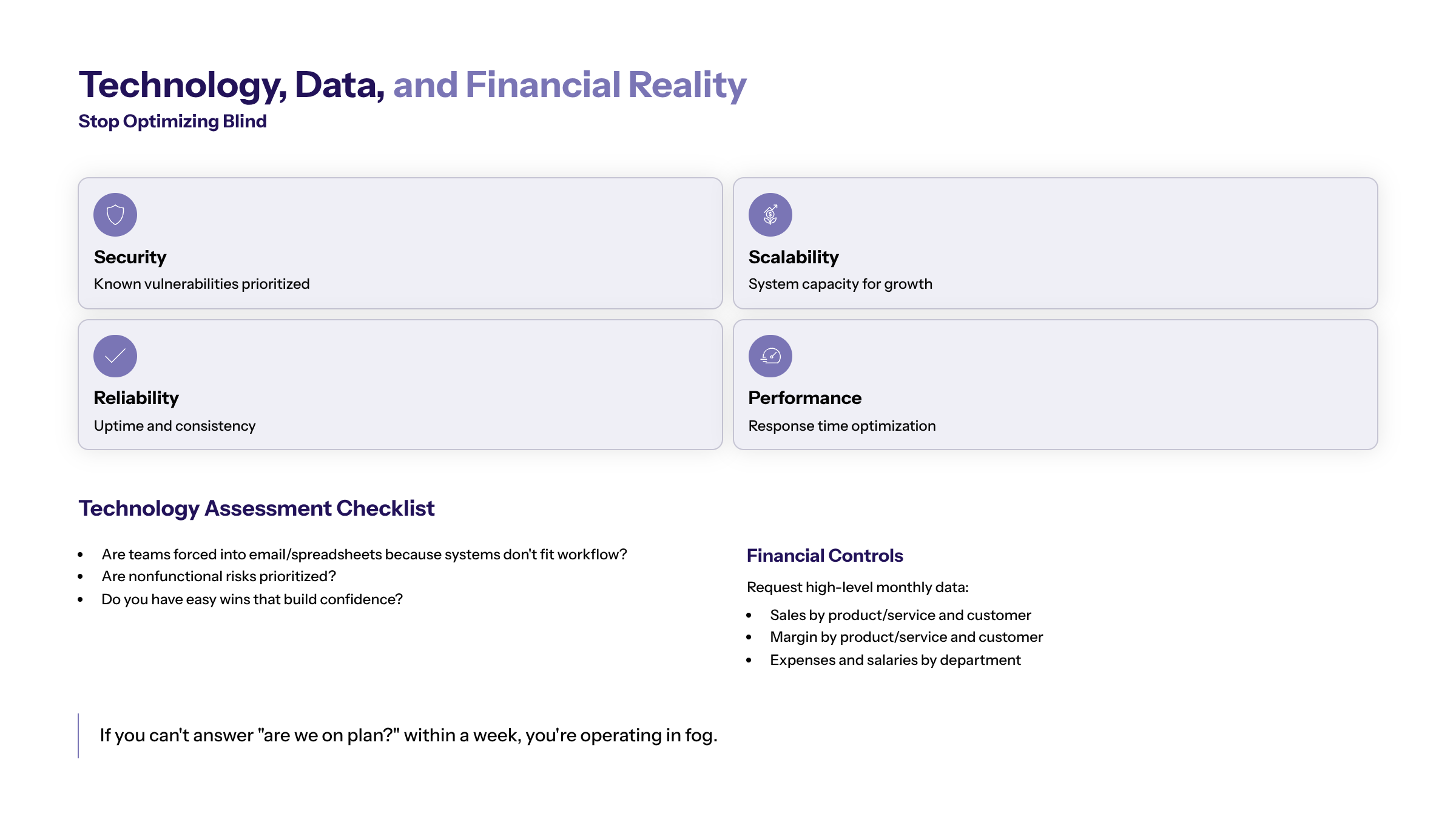
On April 4, Y Combinator removed Delve from its directory and the two sides parted ways while the startup continued facing allegations tied to skipped compliance work and auto-generated reporting. The episode turns a startup controversy into a clearer warning about what happens when automation claims outrun evidentiary controls.
For buyers, the lesson is straightforward. Treat certification automation as a control-design question before you treat it as an efficiency purchase. If that same risk is already surfacing in your vendor reviews, use this governance review session before convenience starts substituting for defensibility.