
Big Software Faces A Seat-Pricing Reset As AI Agents Rise
Business Insider reported on April 7, 2026 that investor anxiety around AI agents is hitting major software vendors at the same time their pricing logic looks exposed. Microsoft stock was down more than 21 percent year to date, Salesforce 26 percent, Workday 36 percent, Asana 51 percent, and the IGV software benchmark nearly 22 percent. At the same time, Microsoft was still charging $99 per seat per month for its top E7 enterprise AI tier, while IDC predicted pure seat-based pricing would be obsolete by 2028. That is the real story. Big software is not only defending product relevance. It is defending the economics that made seat-based SaaS work in the first place.
For enterprise buyers, that makes this closer to a business strategy planning review than a product-roadmap debate. Once agents can trigger, coordinate, and complete more work above the old application layer, the important question becomes which vendors still own a durable operating role and which ones are trying to preserve legacy pricing on a thinner layer of value.
Key Takeaways
The April 7 reporting tied investor pressure, pricing pressure, and enterprise uncertainty into the same market signal. AI agents are challenging both software features and the commercial logic behind them.
- Major software stocks are down sharply while investors question whether agents weaken the need for traditional SaaS layers
- Microsoft's $99 per seat E7 price and IDC's 2028 forecast make the seat-pricing transition concrete rather than theoretical
- Buyers should expect a messy period where consumption, orchestration, and trusted-platform pricing models overlap

The April 7 Report Put SaaS Pricing Pressure In View
The April 7 report matters because it joined market performance and pricing exposure in one frame. Microsoft, Salesforce, Workday, Asana, and the IGV benchmark were all down materially, which shows investors are no longer treating AI-agent disruption as a distant product issue. They are starting to treat it as a direct threat to software economics.
The Microsoft pricing example gave that concern a visible target. Charging $99 per seat per month for a top enterprise AI tier makes sense only if seat access remains the right commercial anchor. If agent workflows weaken the relationship between user count and delivered value, then that anchor comes under pressure quickly.
The Stock Declines Made Investor Anxiety Visible
The declines matter because they are broad enough to suggest a category-level reset, not just a company-specific stumble. When Microsoft is down more than 21 percent, Salesforce 26 percent, Workday 36 percent, Asana 51 percent, and IGV nearly 22 percent, the market is signaling concern about the structure of the sector.
That structure question is larger than quarterly execution. Investors are asking whether agents reduce the need for traditional interfaces and whether software vendors can still defend the same margin profile once work starts flowing through thinner, automated layers.
The $99 Seat Question Keeps The Pricing Problem Concrete
The E7 pricing example matters because it turns a market debate into a commercial one. A vendor can keep adding AI capabilities and still face a harder question about how value is measured if the user is no longer the clearest unit of output.
That does not mean seat pricing disappears overnight. It does mean every premium seat price now has to survive comparison with agent-led workflows that may coordinate more work with fewer direct users inside the application.
AI Agents Are Pressuring The Old SaaS Value Model
This is the deeper reset underneath the market reaction. Seat-based SaaS pricing assumed a relatively stable link between access, usage, and value. AI agents weaken that link by letting fewer people supervise more work and by pushing some interactions outside the old interface pattern entirely.
That is why the threat is not only feature replacement. It is value-model displacement. If the application no longer owns the most important point of coordination, then the vendor has to explain why its traditional pricing logic should still define the commercial center of the workflow.
Seat Economics Look Weaker When Work Can Be Delegated
One user can now trigger more output through automation than a seat model was originally designed to capture. In some cases, the work may not even happen through persistent human interaction with the application. It may happen through prompts, agents, and cross-system orchestration layered above it.
That changes the pricing test for vendors and buyers alike. The question is no longer only what the software can do. It is whether the vendor still owns the point where business value is governed, observed, and justified.
Trusted Platforms Still Have A Defense To Make
The collapse thesis is not complete. Some vendors argue AI agents increase the need for trusted workflow platforms rather than eliminate them, and that argument is not empty. Enterprises still care about security, integration depth, auditability, procurement trust, and the operational burden of stitching together internal systems on their own.
That is why the transition will be messy instead of clean. Buyers may rely more heavily on vendors that can manage security and cross-system coordination even while resisting the old logic of paying simply by seat count. The platform role can survive, but the pricing language around it may have to change.
Security, Integration, And Governance Still Favour Incumbents
Enterprises are still weighing whether to build internal AI systems or rely on vendors for secure, integrated execution. That build-versus-buy friction matters because most large organizations do not want to own every orchestration layer, security boundary, and compliance surface themselves.
A related Cognativ read on Copilot becoming a workplace bet is useful here because it captures the same dynamic. The strongest incumbent defense is not simply to add AI features. It is to remain the trusted place where coordination, security, and workflow authority still converge after agent usage rises.
Buyers Should Prepare For Mixed Pricing And Build-Versus-Buy Tension
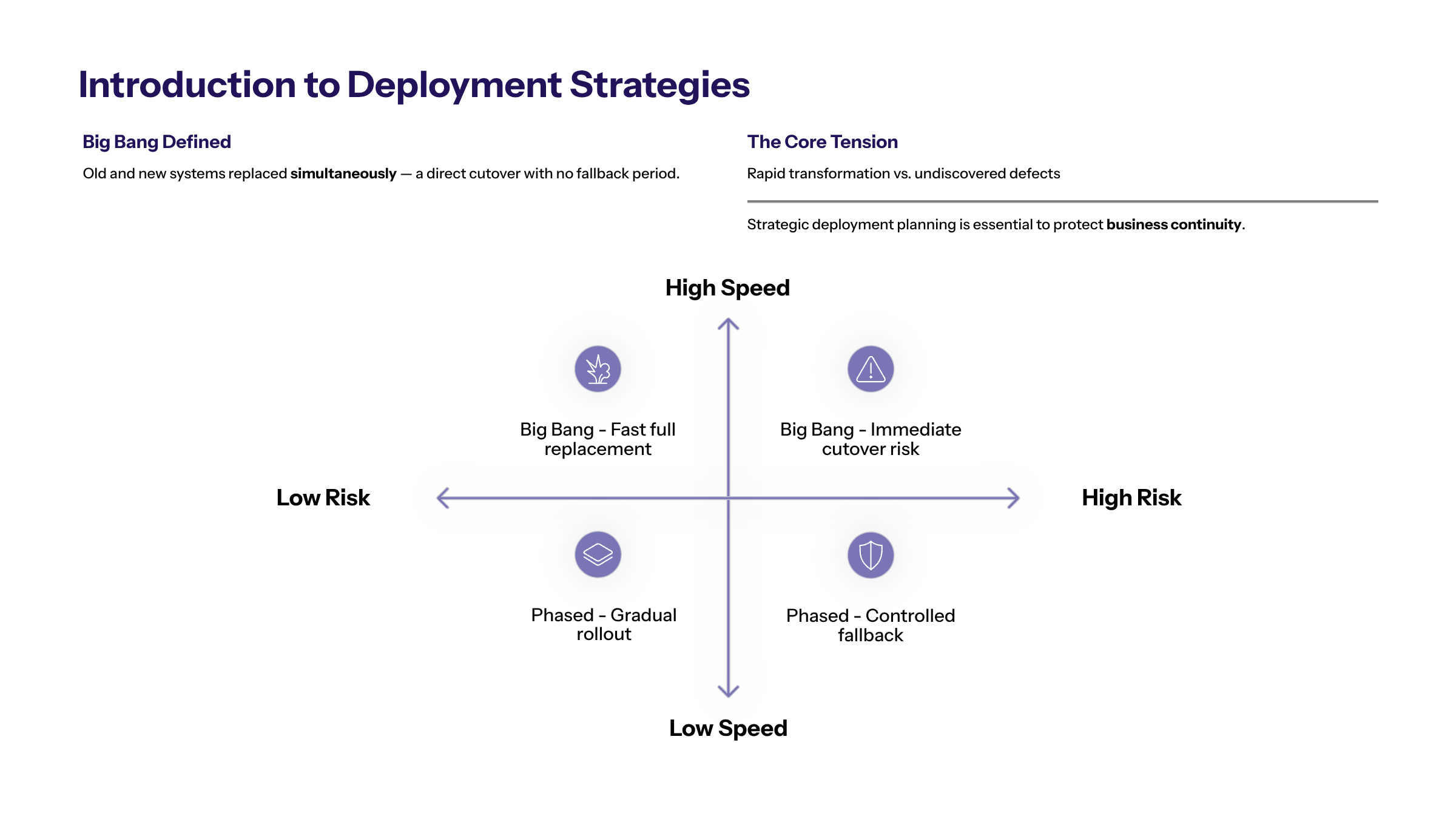
IDC's forecast that pure seat-based pricing will be obsolete by 2028 matters because it puts a time boundary on what could otherwise sound like open-ended debate. Vendors and buyers do not need to agree on the final model yet, but they do need to prepare for a transition in which seats, consumption, orchestration, and premium-governance pricing can all coexist.
That overlap will create friction. Renewal conversations, bundling changes, and premium AI tiers will all become signals of how vendors are trying to preserve value while the old model weakens. Buyers should expect noise, but it will be informative noise.
2028 Matters Because Pricing Change Is Already On The Clock
The 2028 forecast forces a practical question: what happens between now and then. Vendors still need to protect margin and customers still need stable buying rules, so the interim market will likely be full of hybrid packages that mix seats, usage, orchestration fees, and platform premiums.
That matters because pricing change often begins before product change is fully visible. A vendor's commercial model can reveal where it thinks its future leverage will sit long before its marketing language catches up.
The Better Review Looks At Role, Not Roadmap Noise
The strongest buying discipline is to ask which vendors are becoming more central to orchestration, trust, and workflow control and which are simply layering AI features onto a role that is starting to thin out. That review is more useful than comparing feature lists in isolation.
The important question is whether the vendor still owns a durable job in the post-agent workflow. If the answer is unclear, that uncertainty should be treated as a strategic signal during renewals, architecture reviews, and platform rationalization.
Conclusion
The April 7 reporting made the software reset visible. Big vendor stocks were down, Microsoft's $99 E7 price kept premium seat economics in focus, and IDC's 2028 forecast showed that the pricing model itself is now under open pressure. That is the news.
The broader implication is that AI agents are forcing large software vendors to defend not only their products but also the logic of how they charge and where they sit in the workflow. Buyers should read the transition as a role-and-pricing reset, not just an AI-feature race. If your team is already reviewing which platforms stay central and which ones are becoming harder to justify, use this platform strategy review before pricing drift turns into architecture drift.