Measurable Outcomes Examples to Enhance Your Goal Setting
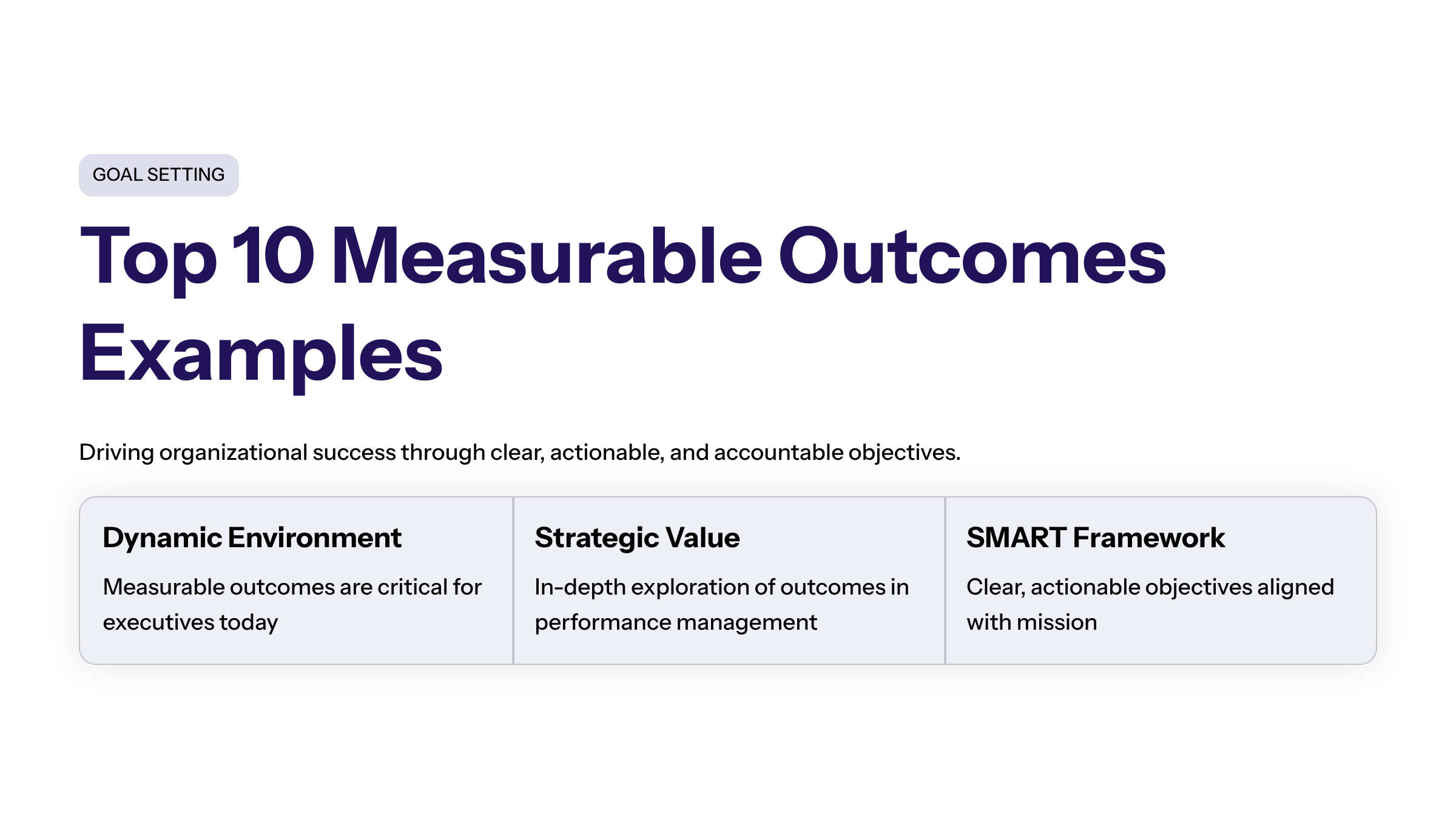
In today’s dynamic business environment, setting measurable outcomes is a critical practice for executives aiming to drive organizational success.
This article provides an in-depth exploration of measurable outcomes examples, emphasizing their strategic value in goal setting and performance management. By leveraging frameworks such as SMART goals, organizations can create clear, actionable, and accountable objectives that align with their mission and broader strategic priorities.
This analytical overview will guide leaders through the nuances of measurable objectives, illustrating how these tools support effective decision-making, enhance employee engagement, and foster continuous improvement.
Key Takeaways
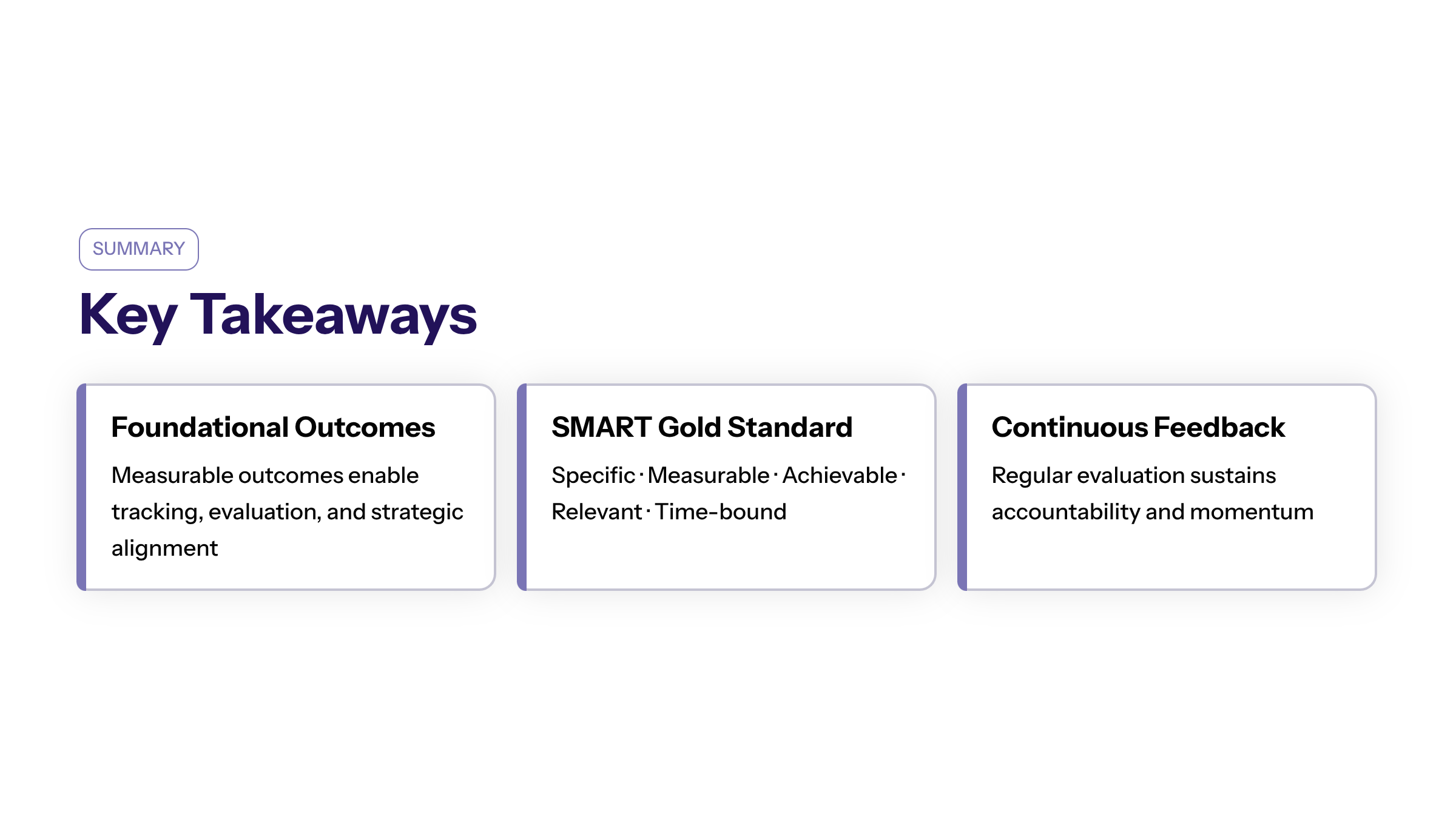
Measurable outcomes are foundational to effective goal setting, enabling organizations to track progress, evaluate performance, and align efforts with strategic missions.
The SMART framework (Specific, Measurable, Achievable, Relevant, Time-bound) remains the gold standard for developing clear and actionable objectives that support organizational success.
Regular evaluation and feedback mechanisms are essential to overcome challenges, ensure accountability, and sustain momentum toward achieving measurable goals.

Introduction to Goal Setting
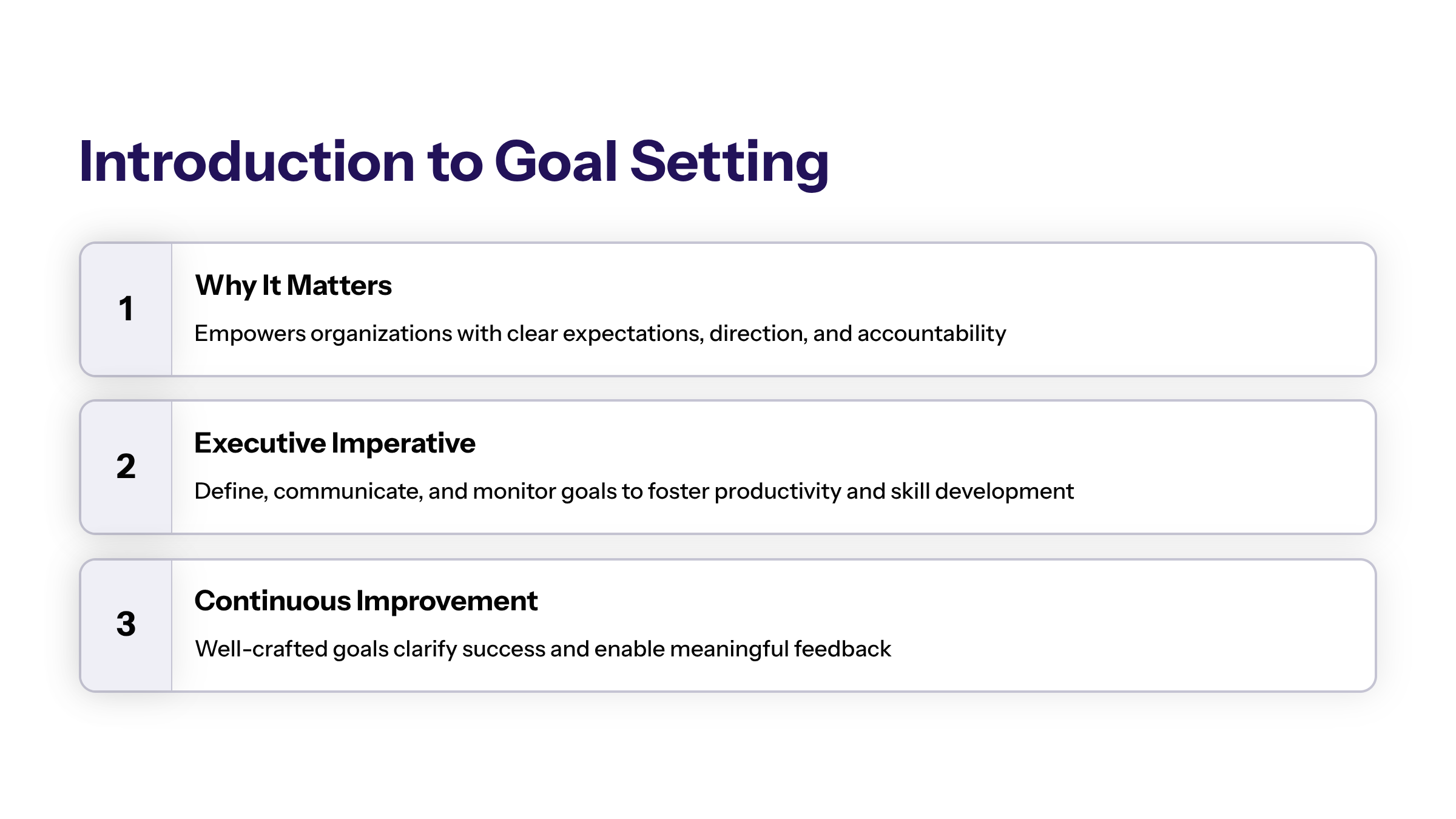
Goal setting is a fundamental process that empowers organizations and individuals to succeed by establishing clear expectations and direction. For executive leaders, the ability to define, communicate, and monitor goals is essential to fostering productivity, accountability, and skill development within teams. Well-crafted goals not only clarify what success looks like but also create opportunities for meaningful feedback and continuous improvement.
The Strategic Importance of Setting Smart Goals
Smart goals, an acronym for Specific, Measurable, Achievable, Relevant, and Time-bound objectives, provide a structured methodology that enhances clarity and feasibility. This approach aligns individual and team efforts with the organization’s mission, ensuring that goals contribute to overarching business objectives. For example, a company like Salesforce integrates SMART goals within their performance management system to drive sales growth and customer satisfaction metrics.
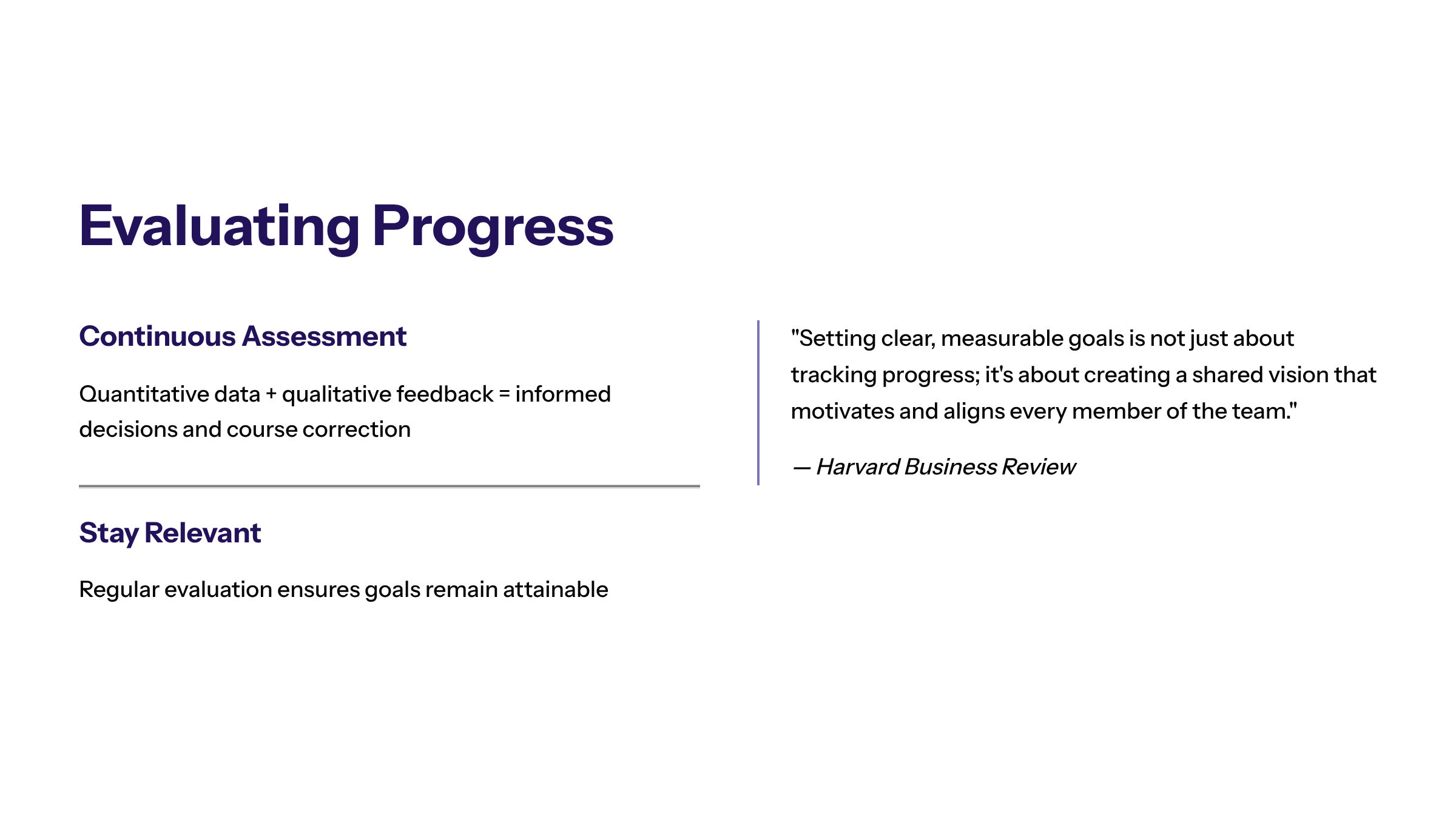
“Setting clear, measurable goals is not just about tracking progress; it’s about creating a shared vision that motivates and aligns every member of the team.” — Harvard Business Review
Understanding Measurable Objectives
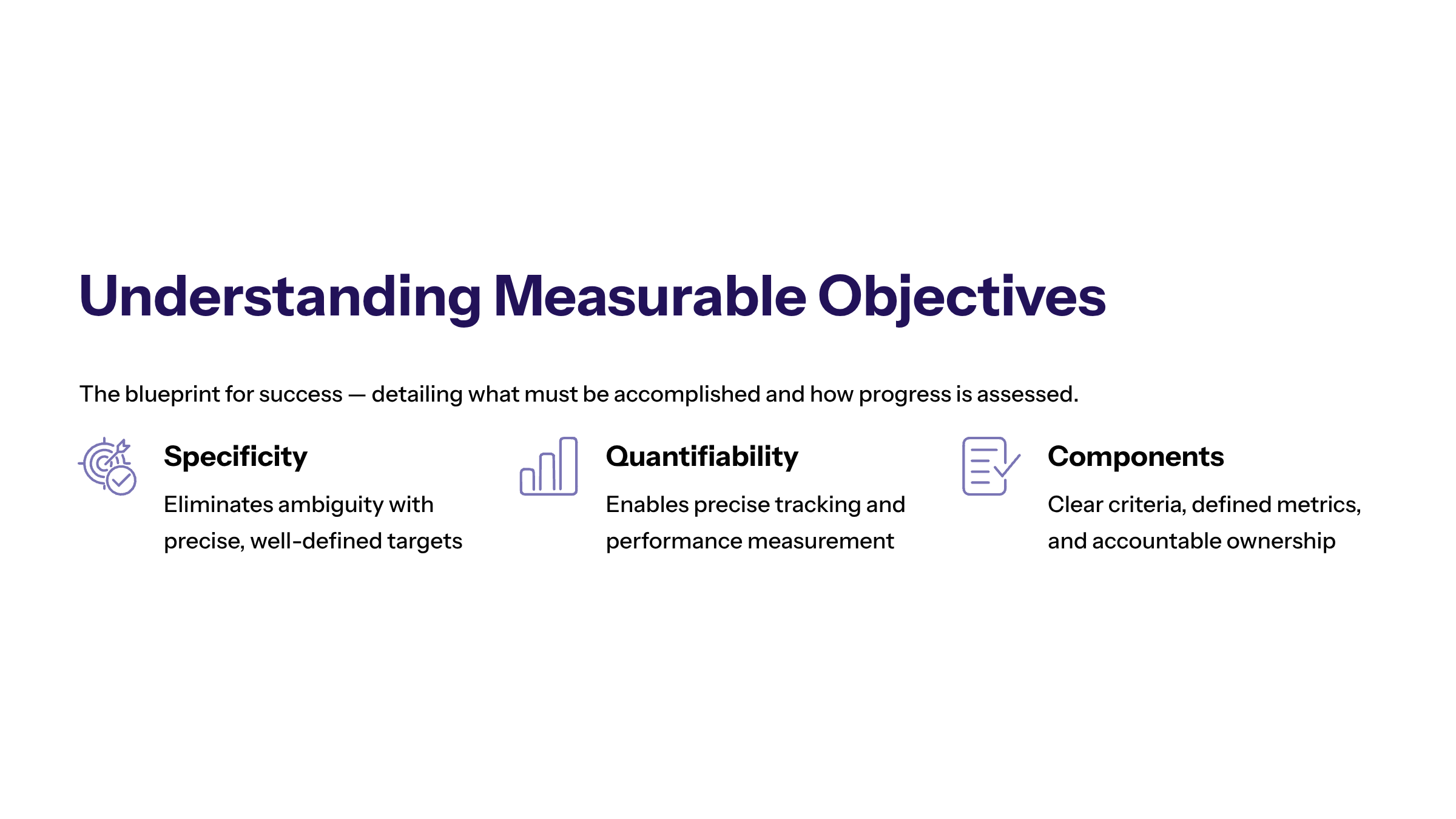
Measurable objectives serve as the blueprint for success, detailing what needs to be accomplished and how progress will be assessed. These objectives are characterized by their specificity and quantifiability, which eliminate ambiguity and enable precise tracking.
Components of Effective Measurable Objectives
Specific Goals: Clearly defined targets that articulate what is to be achieved.
Measurable Criteria: Quantifiable indicators that track progress and outcomes.
Achievable Targets: Realistic and attainable goals considering available resources and developmental levels, especially important in educational settings where objectives should be written at the appropriate developmental level for student success.
Relevance: Alignment with the organization’s strategic priorities and mission.
Time-bound Deadlines: Defined time frames that create urgency and focus.
Learning Outcomes and Critical Thinking in Objective Setting
In educational and professional development contexts, measurable learning outcomes emphasize critical thinking and problem-solving skills. Learning objectives must be quantifiable and state the quality or level of performance that will be considered acceptable to ensure clear expectations. The process of setting learning objectives begins with knowing the specific standards, benchmarks, and supporting knowledge students are required to learn. The best lesson objectives require that students utilize higher order and deep thought processes, fostering meaningful learning experiences.
Lesson planning begins with the end in mind, focusing on what students will know or be able to do at the end of the lesson. This approach ensures that teaching strategies and assessments are aligned with desired outcomes, helping educators determine how best to support student achievement.
For instance, organizations like Coursera and edX design course objectives that require learners to demonstrate mastery through specific, measurable tasks. This approach ensures that learning is aligned with broader organizational goals and workforce development strategies.
Creating Smart Goals
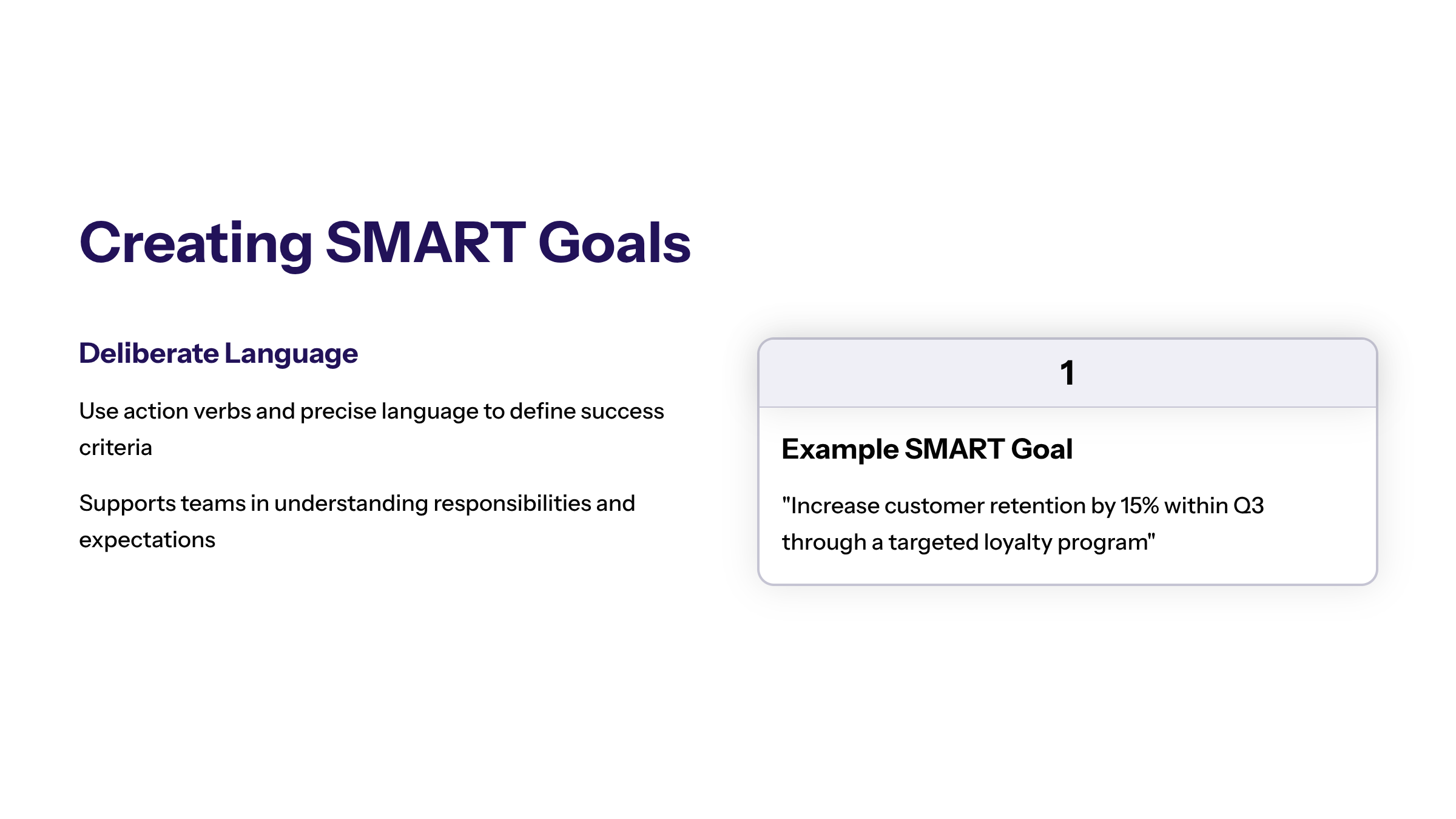
Developing smart goals requires deliberate use of action verbs and precise language to define what success looks like. This clarity supports employees and teams in understanding their responsibilities and the criteria for success.
Example of a SMART Goal
“Increase customer loyalty by 15% next quarter by implementing targeted retention strategies and monitoring customer satisfaction through Net Promoter Score (NPS) surveys.”
This example illustrates how specificity, measurability, and time-bound elements combine to create a goal that is both actionable and relevant to business growth.
The Role of Action Verbs in Defining Objectives
Using verbs such as “increase,” “reduce,” “develop,” and “implement” helps clarify expected actions and outcomes. This practice is supported by frameworks like Bloom’s Taxonomy, which categorizes cognitive skills and supports the development of measurable learning objectives.
Time Bound Goals
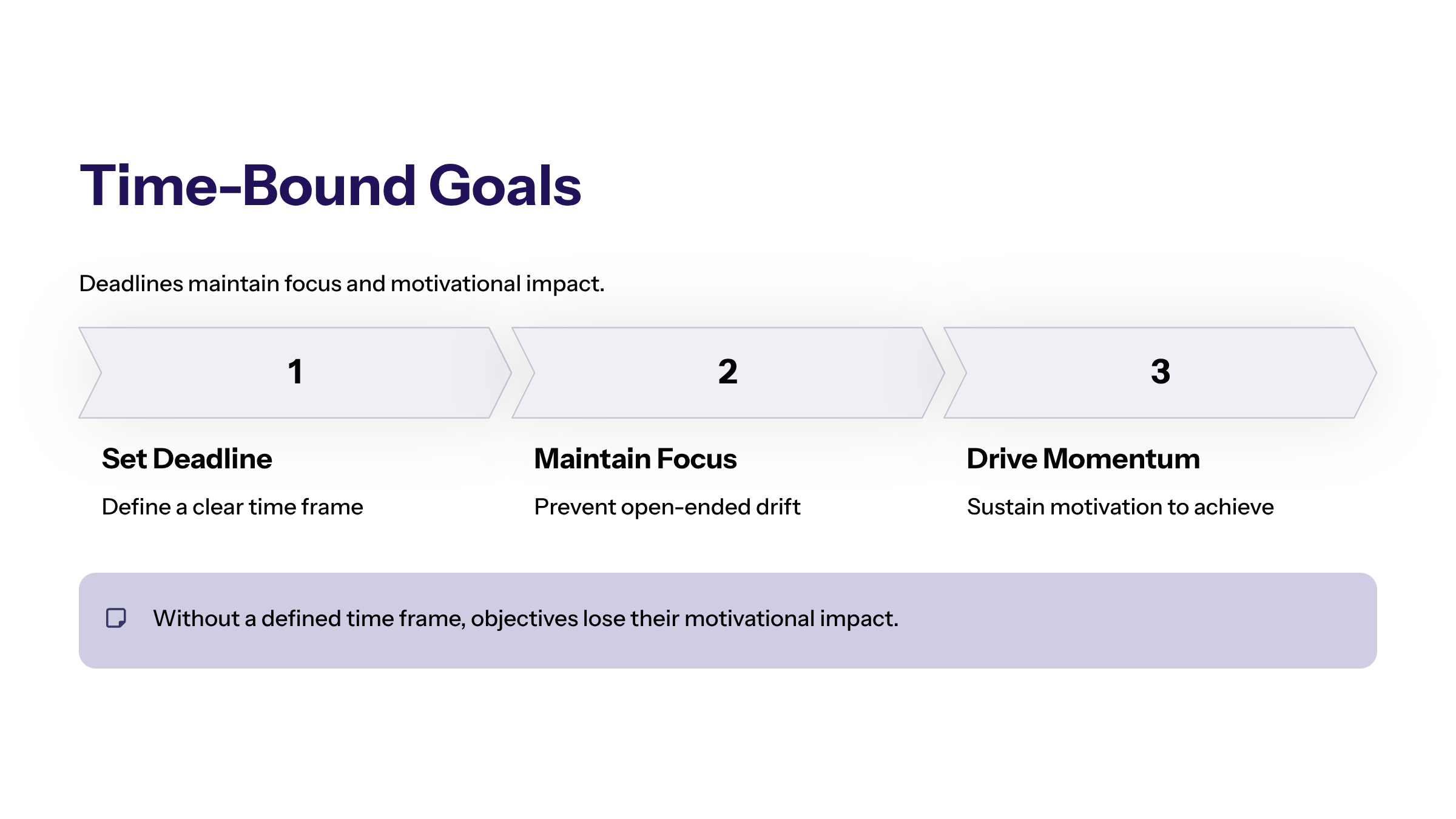
Time-bound goals establish clear deadlines that help maintain focus and momentum. Without a defined time frame, objectives risk becoming open-ended and lose their motivational impact.
Importance of Time Frames in Goal Achievement
Setting realistic time frames, such as “within the next six months” or “by the end of Q3,” ensures that goals are achievable and progress can be tracked systematically. Organizations like Google and Microsoft incorporate quarterly OKRs (Objectives and Key Results) to maintain alignment and timely execution of strategic initiatives.
Time-to-Skill is another important metric that measures the average time required to achieve proficiency in a new task, providing valuable insight into training effectiveness and readiness.
Progress Tracking and Regular Check-ins
Consistent monitoring through regular check-ins allows teams to adjust strategies, address obstacles, and celebrate milestones. This practice supports accountability and continuous improvement, essential components for sustaining high performance.
Measurable Outcomes
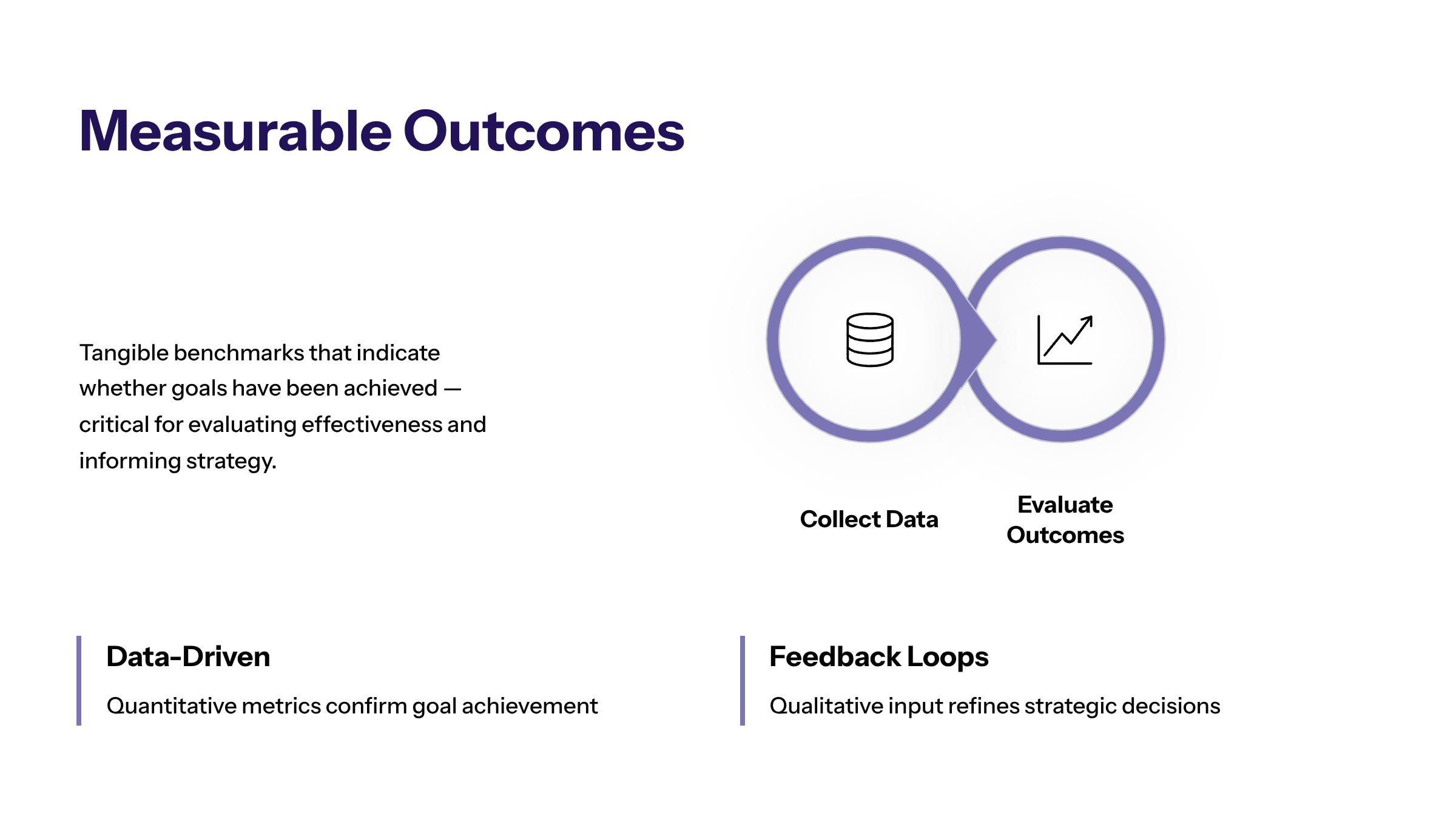
Measurable outcomes provide tangible benchmarks that indicate whether goals have been achieved. They are critical for evaluating effectiveness and informing strategic decisions.
Using Data and Feedback to Measure Outcomes
Effective metrics assess outcomes by tracking quantifiable data and qualitative feedback to align with strategic goals. Organizations increasingly rely on data analytics and real-time feedback to assess performance. For example, healthcare systems use patient satisfaction scores, readmission rates, and clinical indicators—specific reductions from a patient's baseline health measures—to improve care quality. Similarly, tech companies track user engagement metrics like Task Completion Rate, which measures the ease of use for websites and apps, to refine product development strategies.
In finance, metrics such as Cash-to-Cash Cycle Time are crucial for maintaining liquidity during market volatility, while Customer Acquisition Cost (CAC) and Customer Lifetime Value (CLV) provide insights into marketing efficiency and customer profitability, respectively.
Emergency Department Throughput is another healthcare metric used to streamline patient flow, ensuring timely and efficient service delivery. Monitoring Denial Rate—ideally under 5%—helps identify billing errors in the healthcare revenue cycle, optimizing financial performance.
Technological adoption can be gauged through AI Density & Integration Rate, which measures how effectively institutions incorporate AI-powered tools. Looking ahead to 2026, effective metrics are expected to focus more on actionable insights rather than vanity metrics, ensuring that organizations prioritize meaningful performance indicators.
Identifying Areas for Improvement
Measurable objectives help pinpoint specific areas requiring attention, enabling targeted interventions and resource allocation. This data-driven approach supports a culture of continuous learning and adaptation.
Learning Outcomes
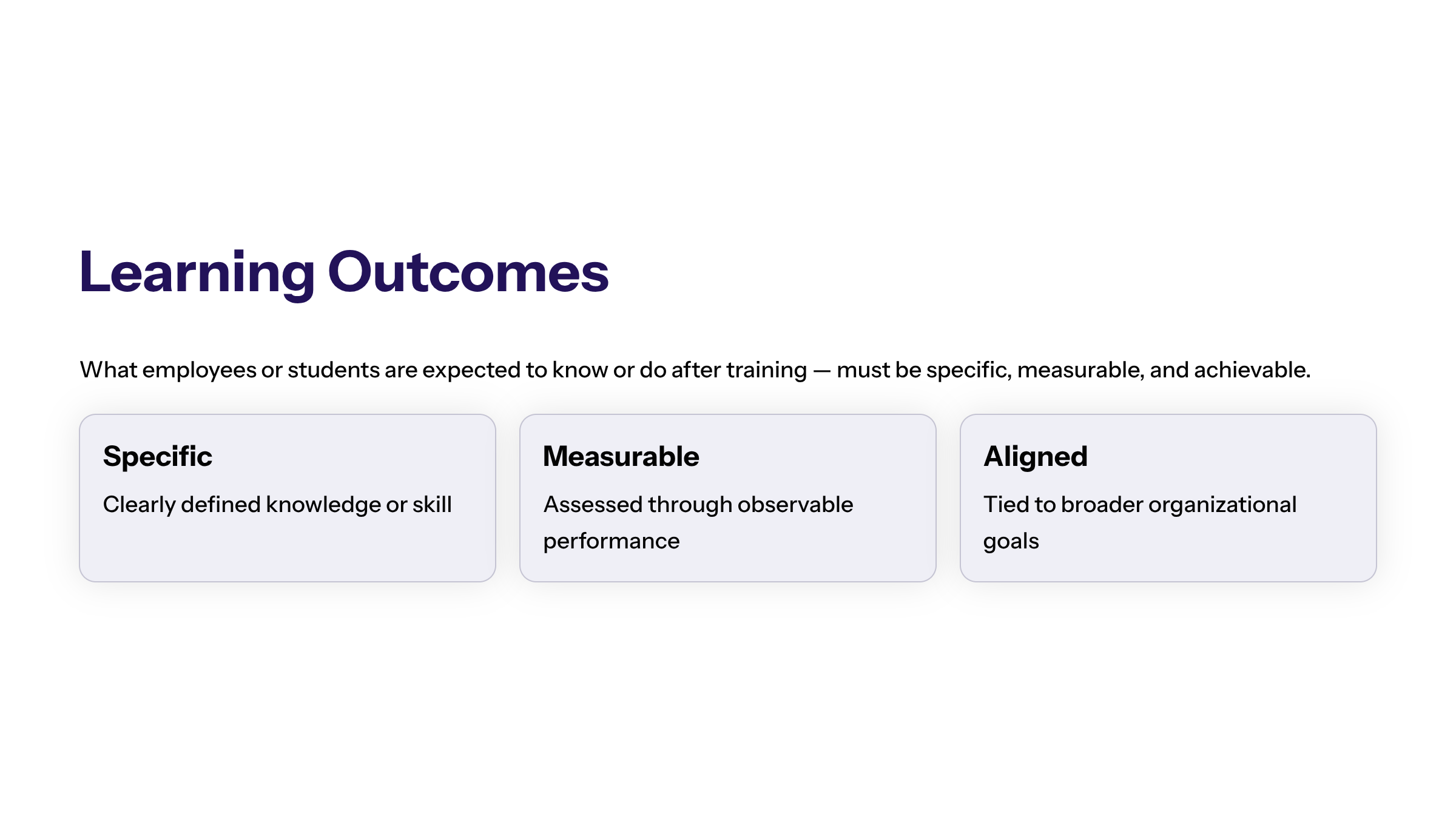
Learning outcomes articulate what students or employees are expected to know or be able to do after an educational or training experience. These outcomes must be specific, measurable, and achievable to be effective.
Aligning Learning Outcomes with Organizational Goals
Effective learning outcomes integrate critical thinking and problem-solving skills that contribute to broader organizational objectives. For example, the corporate training programs at IBM focus on developing AI literacy and data analytics capabilities aligned with the company’s innovation strategy.
Enhancing Teaching and Learning Strategies
Lesson planning begins with the end in mind, focusing on what students will know or be able to do at the end of the lesson. Clear learning outcomes guide instructional design and assessment, ensuring that teaching methods support the achievement of specific skills and knowledge.
Examples of Achievable Goals
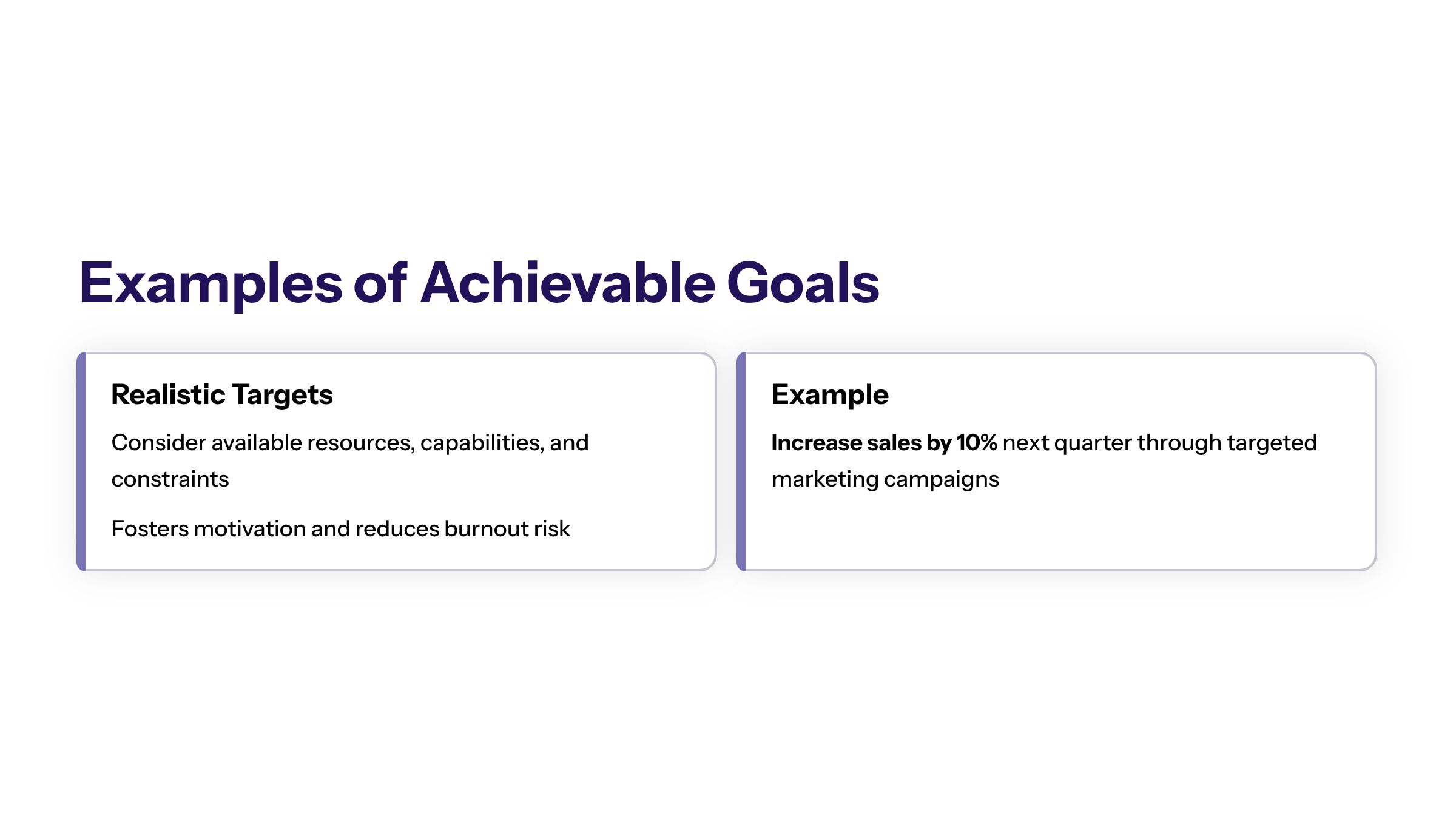
Achievable goals are realistic targets that consider available resources, capabilities, and constraints. Setting such goals fosters motivation and reduces the risk of burnout.
Illustrative Examples
Increase sales by 10% next quarter through targeted marketing campaigns.
Improve employee skills by 20% within the next three months via professional development workshops.
These examples demonstrate how achievable goals provide clear direction and measurable success criteria.
Benefits of Goal Setting
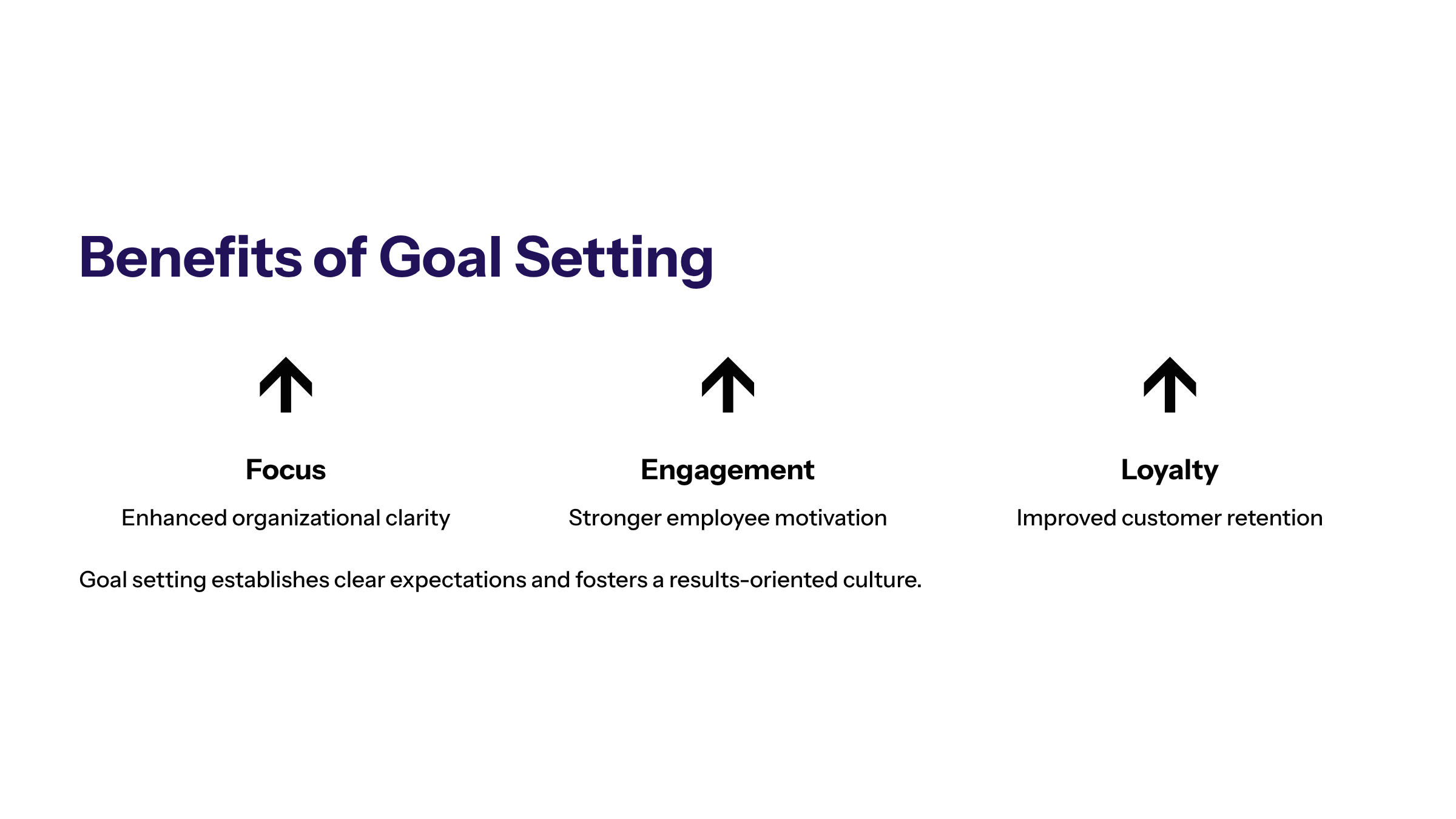
Goal setting delivers multiple organizational benefits, including enhanced focus, motivation, and performance. It establishes a clear understanding of expectations and fosters a results-oriented culture.
Impact on Employee Engagement and Customer Loyalty
Performance goals create a clear vision of what is expected from each employee, helping eliminate confusion in the workspace and creating opportunities for employees to show their strengths.
Setting self-management goals encourages employees to take ownership of their responsibilities, leading to greater accountability and productivity. Collaboration performance goals can lead to a workspace that is better equipped to succeed by fostering teamwork and shared objectives.
By setting smart goals and measurable objectives, organizations can improve employee skills and increase customer loyalty. Companies like Zappos emphasize goal alignment to enhance customer experience and employee satisfaction.
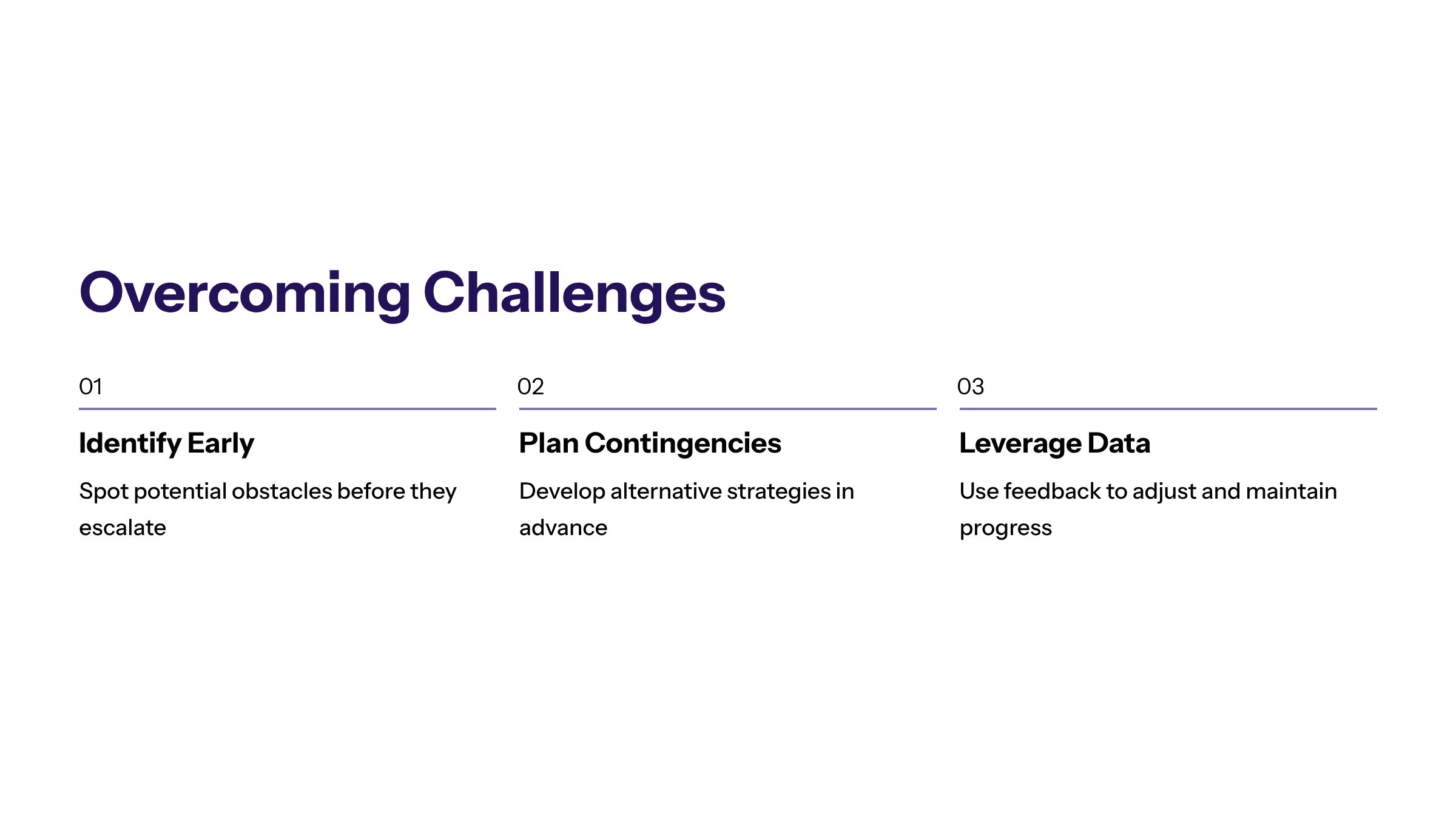
Overcoming Challenges
Achieving goals often involves overcoming obstacles that require strategic planning and resourcefulness.
Strategies for Success
Identifying potential challenges early and developing contingency plans are vital. Leveraging data and feedback mechanisms helps leaders adjust approaches and maintain progress.
Best Practices
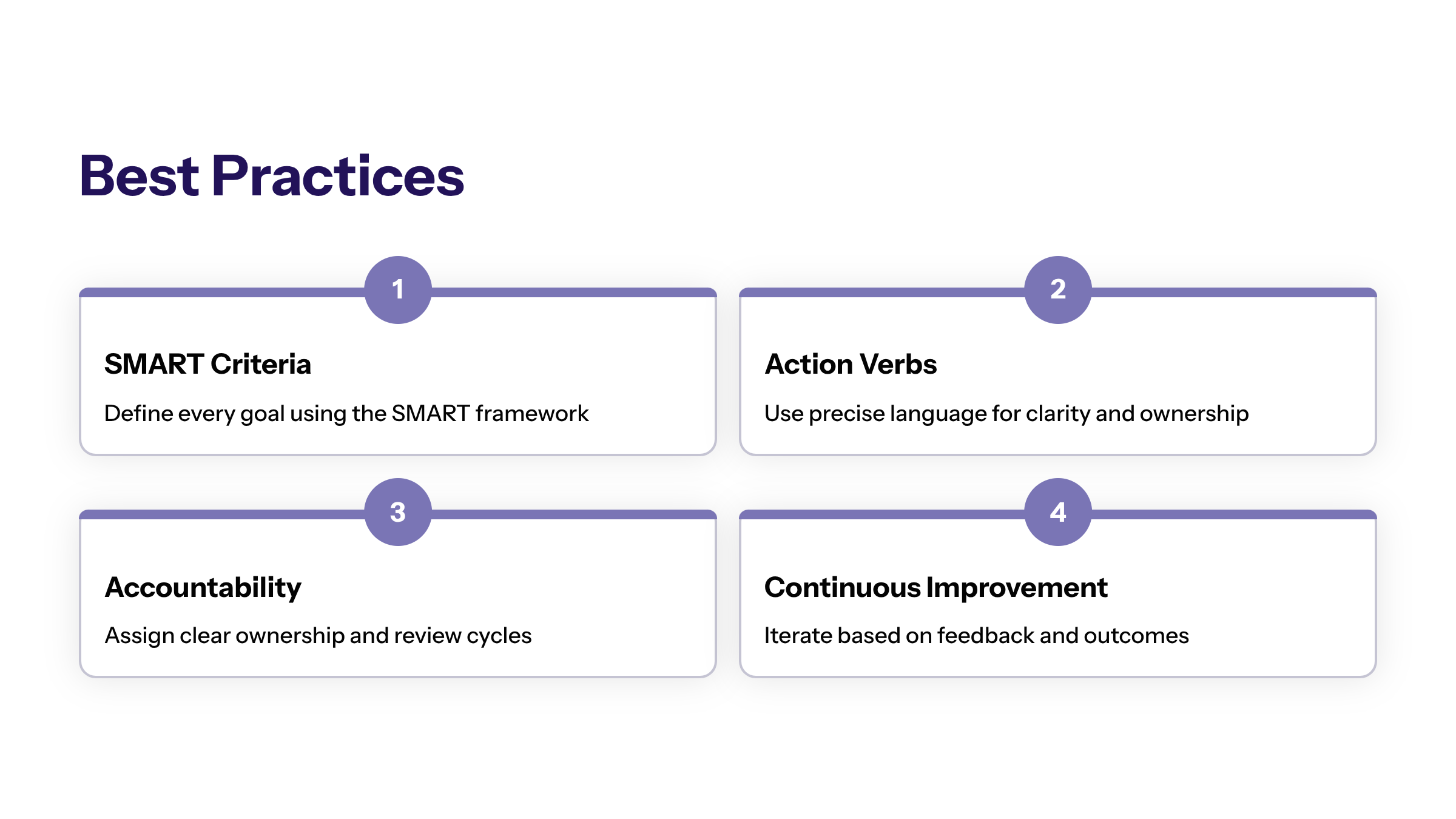
Adopting best practices in goal setting ensures clarity, accountability, and continuous improvement.
Key Recommendations
Use SMART criteria to define goals.
Employ action verbs for clarity.
Schedule regular progress reviews.
Align goals with broader organizational objectives.
Common Mistakes
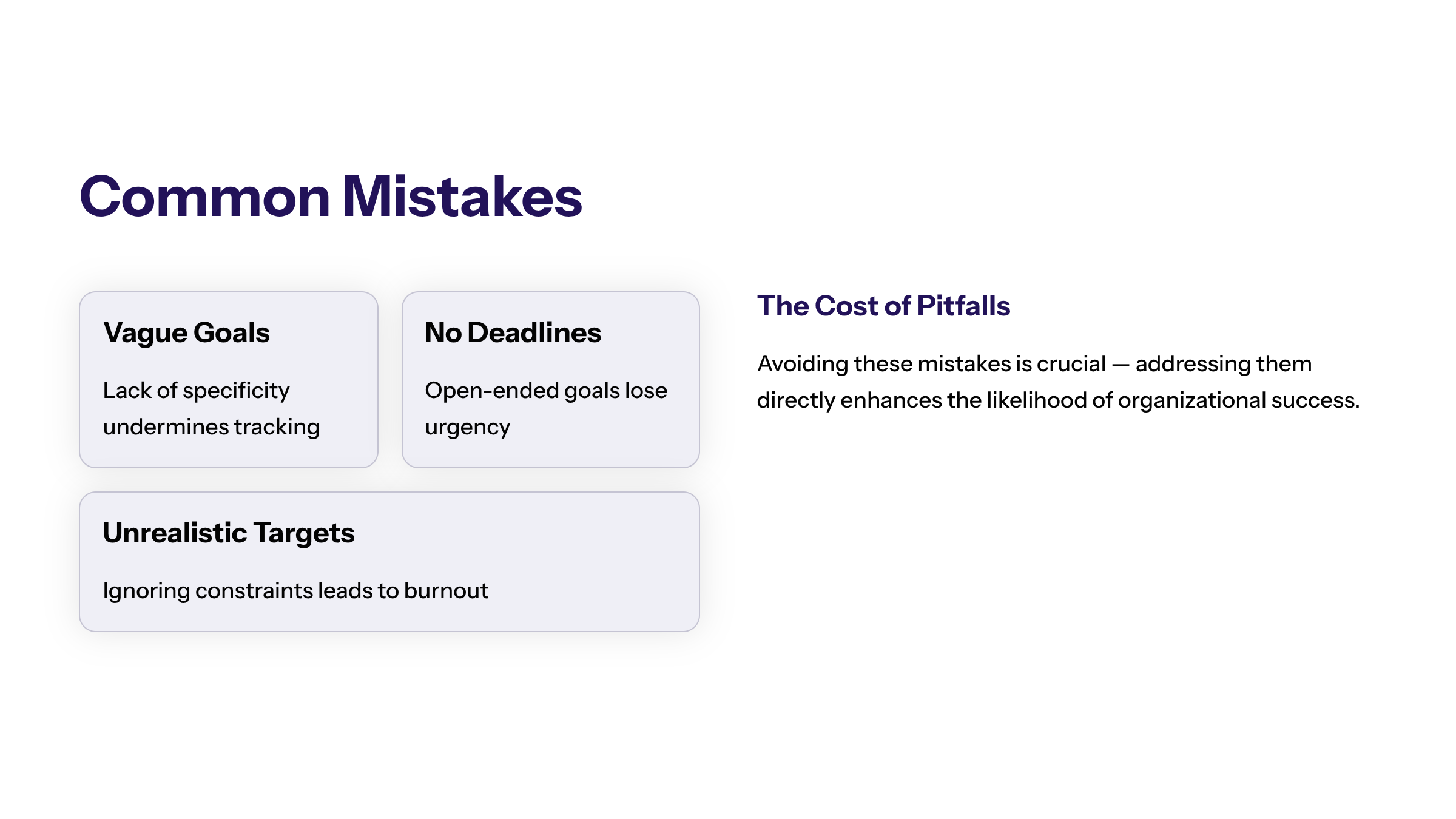
Avoiding common pitfalls is crucial to effective goal setting.
Typical Errors
Setting unrealistic goals.
Neglecting progress tracking.
Failing to provide feedback.
Addressing these issues enhances the likelihood of success.
Goal Setting Methodologies
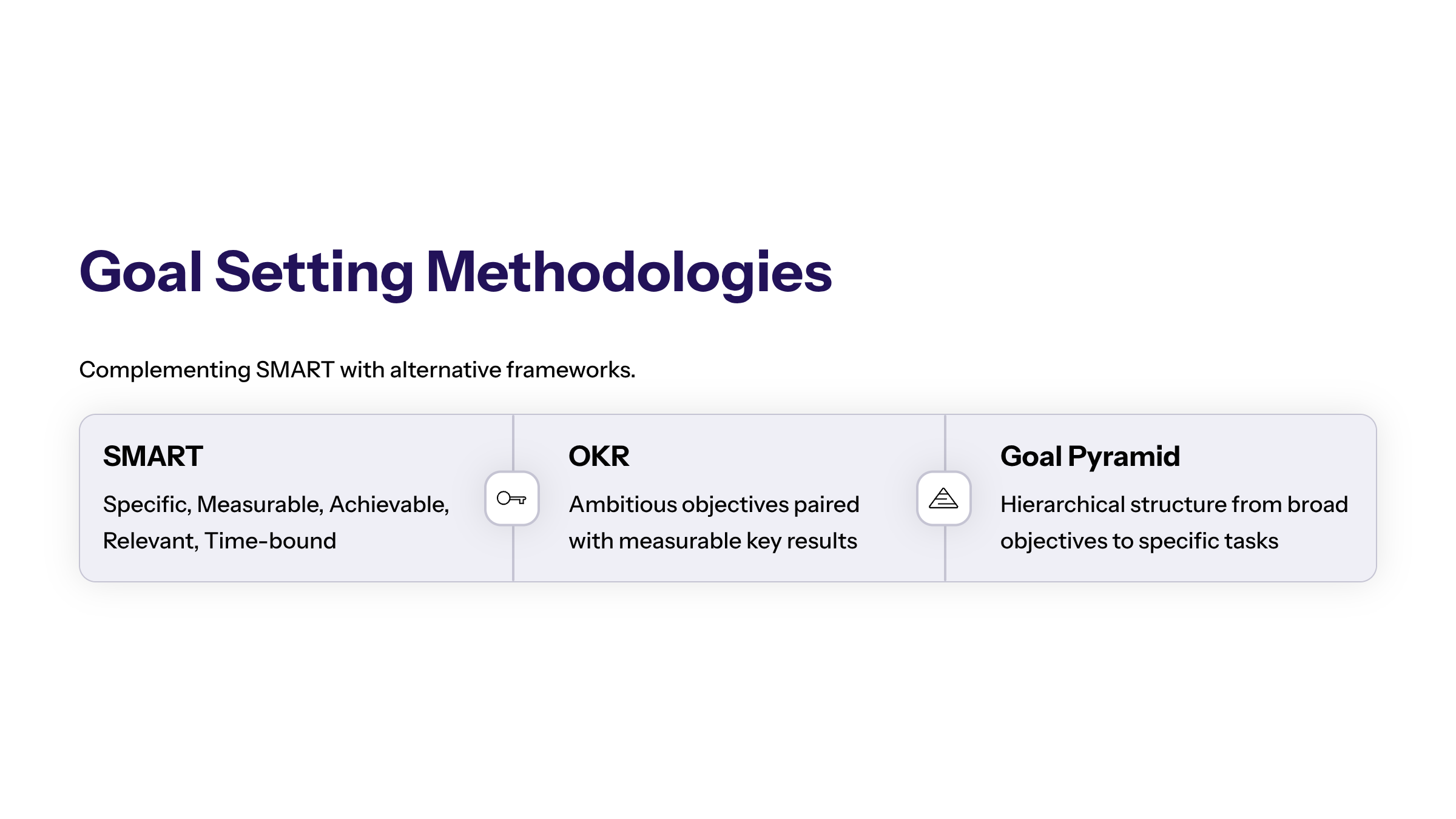
Various methodologies complement the SMART framework, providing alternative approaches to goal setting.
Overview of Popular Frameworks
OKR (Objectives and Key Results): Focuses on ambitious objectives paired with measurable key results.
Goal Pyramid: Structures goals hierarchically from broad objectives to specific tasks.
Evaluating Progress
Continuous evaluation is essential for ensuring that goals remain relevant and attainable.
Leveraging Data and Feedback
Regular assessment using quantitative data and qualitative feedback supports informed decision-making and course correction.
Conclusion
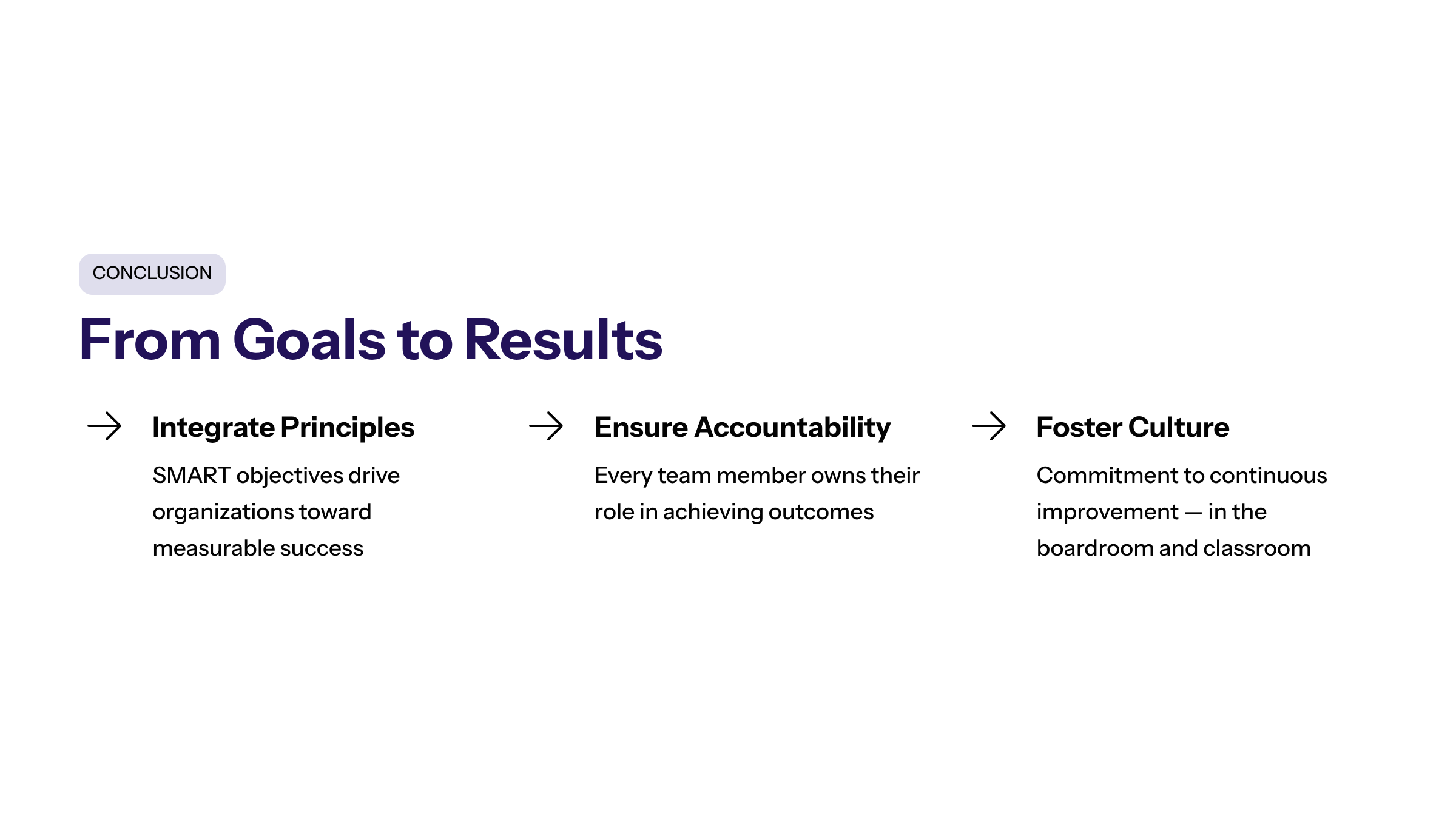
By integrating these principles and examples of measurable outcomes, executive leaders can develop well-defined SMART objectives that drive their organizations toward success. A complete and thoughtful goal-setting process ensures that clear expectations happen, with every team member responsible for their role in achieving outcomes.
Whether in the boardroom or the classroom, this commitment to accountability and continuous improvement fosters a culture where goals are not only set but actively pursued and realized. Embracing this comprehensive approach positions organizations to adapt and