
When Business Priorities Change, the Operation Needs to Follow
A new service, a growing customer base, or a shift in strategy changes what the business needs from its teams. Processes that once worked can become bottlenecks. Decisions take longer, handoffs multiply, and progress depends on people working around the same recurring problems.
Cognativ examines how work moves across the organization and where the operating model no longer supports the intended outcome. We connect leadership priorities with customer needs, team capacity, and day-to-day responsibilities to determine what should change first.
| Business impact | Lower effort | Higher effort |
|---|---|---|
| Higher impact | Quick WinsPrioritize high-impact improvements that need less effort to put into practice. |
Major ProjectsPlan the resources, dependencies, and ownership for changes with substantial business value. |
| Lower impact | Incremental ImprovementsFit smaller improvements around the work that matters most. |
Reassess the InvestmentChallenge the scope or approach when the effort outweighs the expected business impact. |
Business Transformation Services Built Around Your Priorities
An engagement can address a specific operating problem or connect several areas of change. We define the scope around the business outcome, the teams involved, and the decisions required to move forward.
Business Strategy and Transformation Priorities
- Business Goals
- Priorities
- Resource Allocation
Turn strategic objectives into choices about where to focus time, funding, and management attention. We examine the gap between your current position and the outcome you want, then identify the capabilities and changes needed to close it. The result is a sequence of priorities grounded in what the organization can support.
Business Process Improvement
- Workflows
- Handoffs
- Customer Value
Examine how work moves from request to completion, including approvals, exceptions, and transfers between teams. We identify where delays, repeated effort, or missing information affect service delivery. Process changes address those causes and establish ownership before automation or new software becomes part of the solution.
Operating Model and Accountability
- Responsibilities
- Decision Rights
- Coordination
Clarify how teams, responsibilities, and decisions fit together as the business changes. We work through who owns each outcome, where functions depend on one another, and how competing priorities are resolved. This gives leadership and operating teams a shared understanding of how the work will be managed.
Change Management and Adoption
- People
- Communication
- Adoption
Prepare the people whose work will change. We identify affected roles, involve the teams closest to the process, and connect communication and training needs to the implementation plan. Feedback from those teams helps reveal where a proposed change needs adjustment before it becomes an established way of working.
New Service and Capability Development
- Service Design
- Capabilities
- Delivery
Connect a new business offering with the capabilities required to deliver it. We help define the service, the operating responsibilities, and the skills needed to support customers. Early delivery provides evidence for refining the offering and making subsequent staffing, investment, and growth decisions.
Transformation Execution and Governance
- Ownership
- Dependencies
- Progress
Give transformation work clear owners, an achievable sequence, and regular decision points. We connect progress reviews to business outcomes, surface dependencies, and help leadership resolve issues that cross team boundaries. For initiatives already underway, we reassess the current position and adjust the work around what the evidence shows.
See How Business Change Takes Shape
Cognativ's work connects business direction with operating capability. In an accounting firm, that meant developing a digital advisory practice and building internal delivery talent. In logistics, it meant addressing service visibility and manual workflows as part of a broader modernization effort.
Digital Advisory Practice Tops $3M in Year One
Technology Consulting
ERP Implementation
Digital Finance
Digital Advisory
Digital Advisory Practice Tops $3M in Year One
Cognativ helped an accounting firm launch and scale a digital advisory arm, moving from traditional tax and audit services into ERP implementation, digital finance transformation, and strategic advisory.
The new practice generated more than $3M in year-one revenue.
Review the $3M Practice Build
Logistics Platform Reduces Customer Churn by 35%
Logistics Software
Customer Portals
Workflow Automation
Systems Integration
Logistics Platform Reduces Customer Churn by 35%
Cognativ helped a logistics firm recover from a failed digital transformation by delivering a unified logistics platform through RAPID.
The work reduced customer churn by 35%, increased portal engagement 5x, lifted existing-client revenue by 22%, and cut compliance workflow time by 40%.
See the Logistics ResetRAPID Is How We Manage the Transformation
Created by Cognativ founder Ali Davachi, RAPID connects Research, Analyze, Plan, Implement, and Decide. It provides the working method for the engagement: understand the business, choose priorities, put changes into practice, and use the results to guide the next decision.
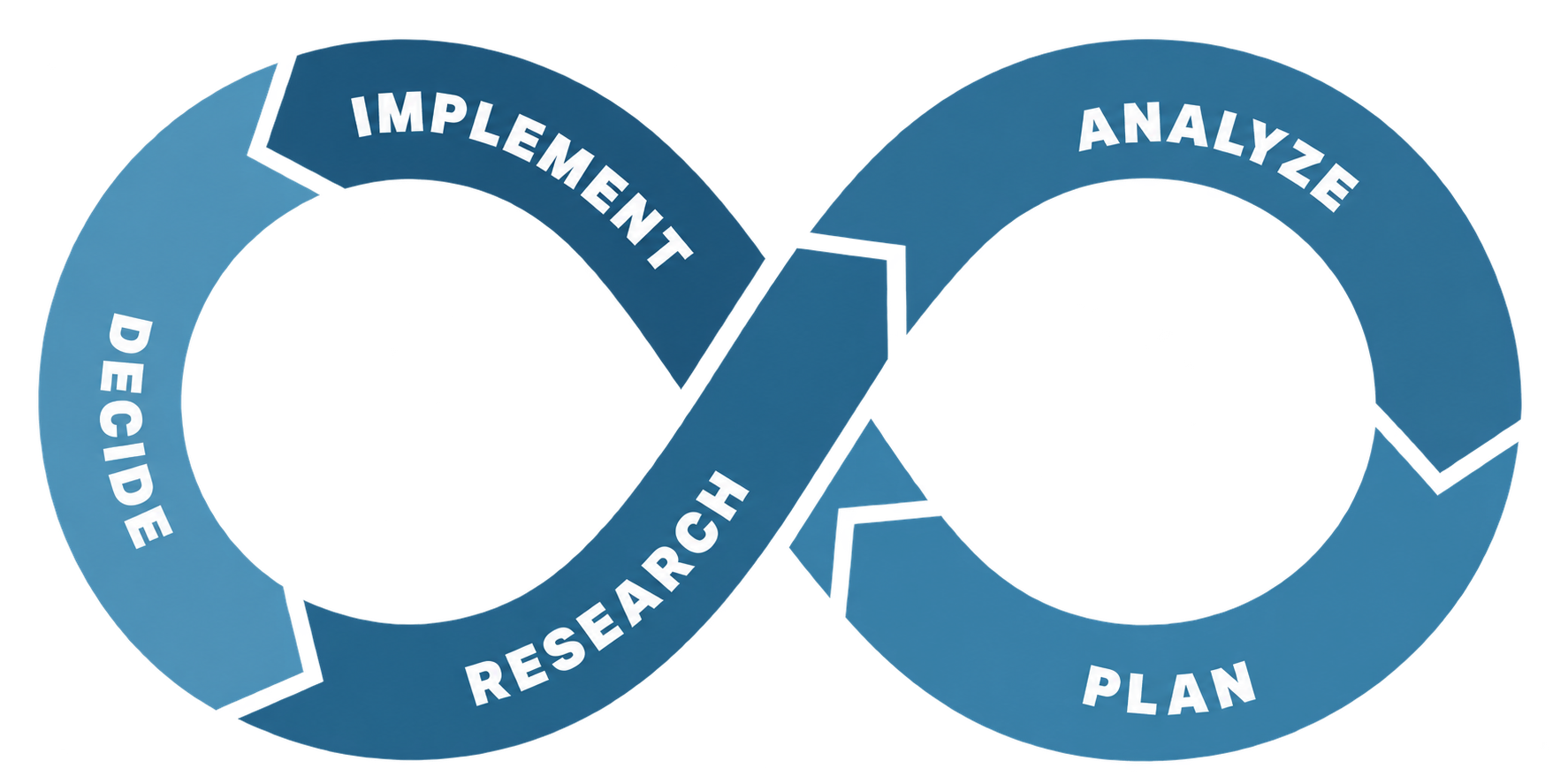
Research and Analyze: Understand What Needs to Change
We examine processes, customer needs, operating information, and the experience of the people doing the work. Together, these show where the organization is constrained and which issues have the greatest effect on the intended outcome. Research and analysis continue as new questions emerge.
Plan, Implement, and Decide: Make Change Work in Practice
We translate the findings into priorities, responsibilities, and an implementation sequence. As changes enter daily operations, we review their effects with the people accountable for the outcome. That feedback informs whether to continue, adjust, or revisit the underlying assumptions.
Define the Outcome, Then Organize the Work
Start with what needs to improve: a process, a service, an operating constraint, or an initiative that has lost direction. We work with your leadership team to define an engagement that addresses the problem and fits the organization's capacity for change.
Align Leadership Around the Business Outcome
Agree on the problem, the intended result, and the evidence that will demonstrate progress. Identify who needs to participate, which decisions require leadership input, and what falls within the engagement.
Work with the People Responsible for the Change
Connect the plan with the managers, teams, and delivery partners who will put it into practice. Clarify responsibilities, dependencies, and support needs so the work remains connected to daily operations.
From First Contact to Consulting Agreement
Discuss your priorities with Cognativ, review the proposed approach, and agree on the work before the engagement begins.
-
Book
Tell us what needs to change and arrange an initial conversation.
-
Discovery Call
Discuss your business priorities, operating challenges, and the people involved.
-
Feedback Call
Review our understanding of the situation and discuss the proposed approach.
-
Agreement
Confirm scope, responsibilities, timing, and fees before the RAPID-managed engagement begins.
Discuss Your Business Transformation
Tell us where the business is heading and what is making progress difficult. Your first consultation is free.
Share the operating challenge, the teams affected, and any work already underway. We will discuss where Cognativ can help and the next step.
Business Transformation Consulting Questions
Understand the scope, the working relationship, and how to start.
What does business transformation consulting cover?
It connects business objectives with changes to processes, responsibilities, capabilities, and execution. Cognativ defines the scope around the operating problem and manages the engagement through RAPID.
When should we bring in Cognativ?
When growth, a new offering, or a strategic shift requires changes across teams, or when an existing initiative is struggling with conflicting priorities and unclear ownership.
Can we start with one process or department?
Yes. A focused engagement can address a specific constraint while accounting for its dependencies on other teams. The scope is agreed before work begins.
How is business transformation different from technology strategy?
Business transformation focuses on how the organization operates and delivers value. Technology strategy focuses on the systems, platforms, and architecture supporting it. When both are needed, we connect the work and clarify the responsibilities.
How does RAPID guide the engagement?
Research and Analyze establish the operating context. Plan, Implement, and Decide organize action and review. These activities repeat as the team learns; decisions are made throughout the engagement.
Can Cognativ help with implementation as well as planning?
Yes. Support can extend into implementation and progress reviews. We agree which responsibilities Cognativ will take on and which remain with your team or existing partners.
How long does an engagement take, and what does it cost?
Timing and fees depend on the scope, the teams involved, and the level of implementation support. We discuss these before the agreement. The first consultation is free.
What should we prepare for the first conversation?
Bring the business objective, the current difficulty, and any relevant process information or plans. Knowing who is affected and what has already been tried helps us make the conversation specific.