
Make the Business Case Before the Technology Commitment
A platform replacement, a new application, or an expanding software portfolio can affect far more than the IT budget. It changes how teams work, how information moves, and how customers experience your business.
Cognativ connects those consequences to the decision in front of you. We examine the operating problem, the systems supporting it, and the available options so leadership can distinguish necessary change from another technology purchase.
Business priorities
The customer value, operating outcome, and investment decision that matter now.
Operating evidence
System behavior, workflow constraints, costs, and the experience of the people doing the work.
Delivery capacity
The skills, dependencies, ownership, and resources needed to make the change work.
Technology Advisory Services Built Around Your Decision
Start with the decision you need to make. An engagement can focus on one assessment or connect several areas into a broader technology strategy. RAPID provides the working method across the scope.
Technology Assessment
- Systems
- Constraints
- Priorities
Understand what your current systems enable, where they constrain the business, and which problems need attention first. We examine the applications, information flows, dependencies, and working practices relevant to your goals.
The assessment connects observed issues to their business effects. That gives leadership a basis for prioritizing action instead of treating every request, workaround, or technical concern as equally urgent.
Technology Strategy and Roadmaps
- Business Goals
- Roadmaps
- Dependencies
Translate business priorities into a sequence of technology decisions and initiatives. We connect the intended outcome to the capabilities, people, and resources required to deliver it.
The roadmap makes dependencies and decision points explicit: what can move now, what must be resolved first, and what should wait. It becomes a working reference for leadership and delivery teams, not a list of projects detached from capacity.
Platform Selection and Build-or-Buy Decisions
- Platform Fit
- Build or Buy
- Tradeoffs
Compare extending an existing platform, buying a product, building software, or integrating systems against the same business requirements. We examine fit, implementation effort, data access, ongoing responsibilities, and the constraints each option introduces.
The aim is a choice the business can explain and support. A familiar vendor or a compelling demonstration should not substitute for understanding how the solution will work in your environment.
Architecture and Integration Advisory
- Architecture
- Integration
- Data Flows
Examine the connections between applications, data, and operational workflows before committing to a design. We identify the architectural decisions and integration dependencies that shape delivery and future change.
The work gives product, engineering, and operations a shared direction. It brings maintainability, ownership, and operating requirements into the conversation while there is still room to change the approach.
Modernization Planning
- Legacy Systems
- Continuity
- Sequencing
Decide what to retain, improve, replace, or retire in an existing technology environment. We assess the business impact of current limitations alongside the disruption and dependencies of changing them.
A practical modernization plan can sequence improvements around business continuity rather than assuming a complete replacement is the answer. Each proposed initiative needs a clear purpose and a reason for its place in the sequence.
Delivery Governance and Decision Support
- Ownership
- Review Points
- Decisions
Give an initiative clear ownership, review points, and a route for resolving tradeoffs. We help leadership and delivery teams establish who makes which decisions and what evidence those decisions require.
For work already underway, the focus is the current position: what is blocking progress, which assumptions still hold, and what needs to change in the plan. Advice stays connected to execution rather than ending when a recommendation is written.
Business Context Changes the Technology Solution
Cognativ case studies show why understanding the operating problem matters. These projects connected technology choices to the work people needed to complete, from expert analysis to business purchasing.
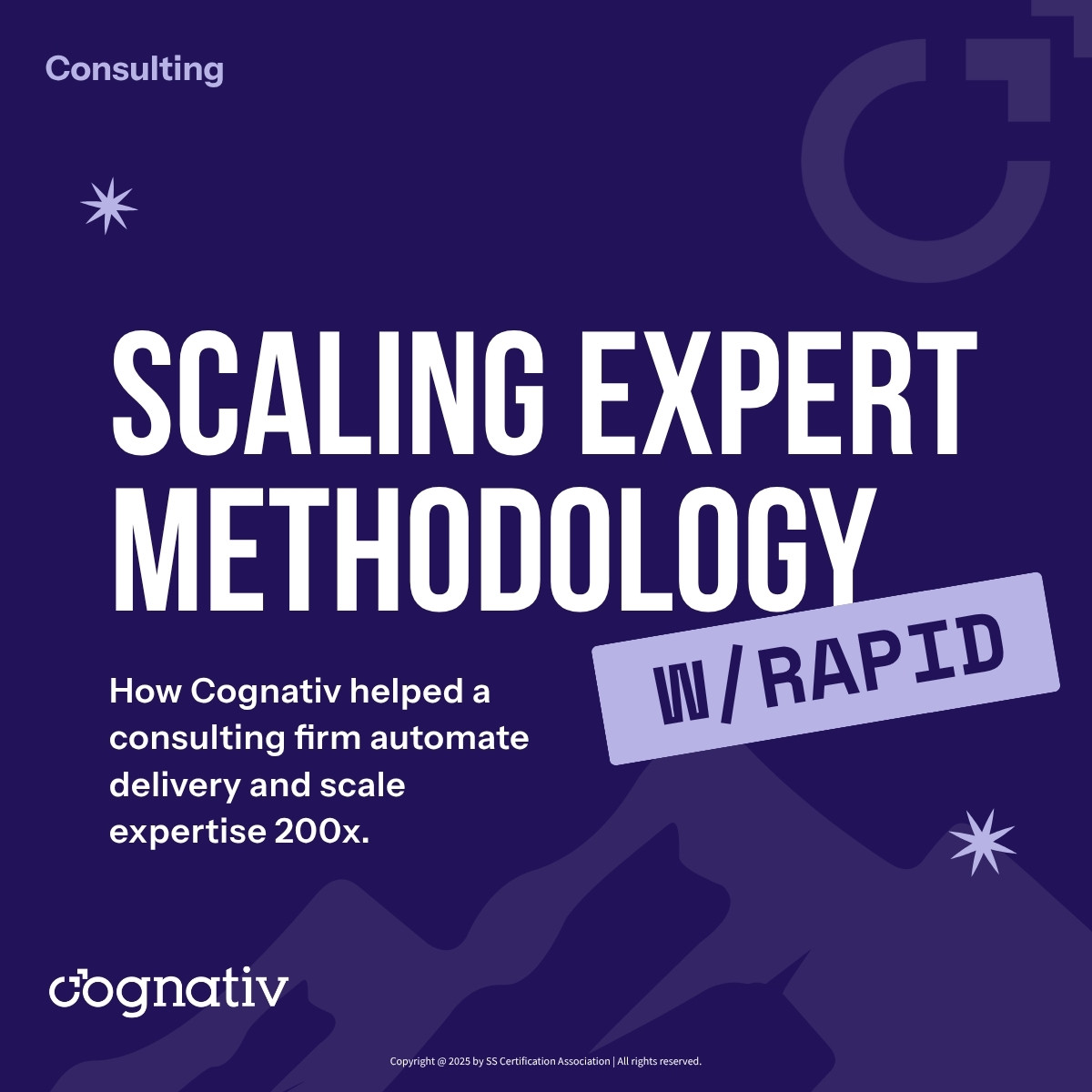
Consulting Platform Expands Capacity 200x
Custom Software
Workflow Automation
Access Control
SmartSaaS
Consulting Platform Expands Capacity 200x
Cognativ turned a senior-partner-led consulting methodology into a scalable custom software platform.
The solution reduced engagement time by 50%, improved delivery quality, and increased capacity by 200x so junior consultants could execute premium engagements independently.
Explore the 200x Scaleup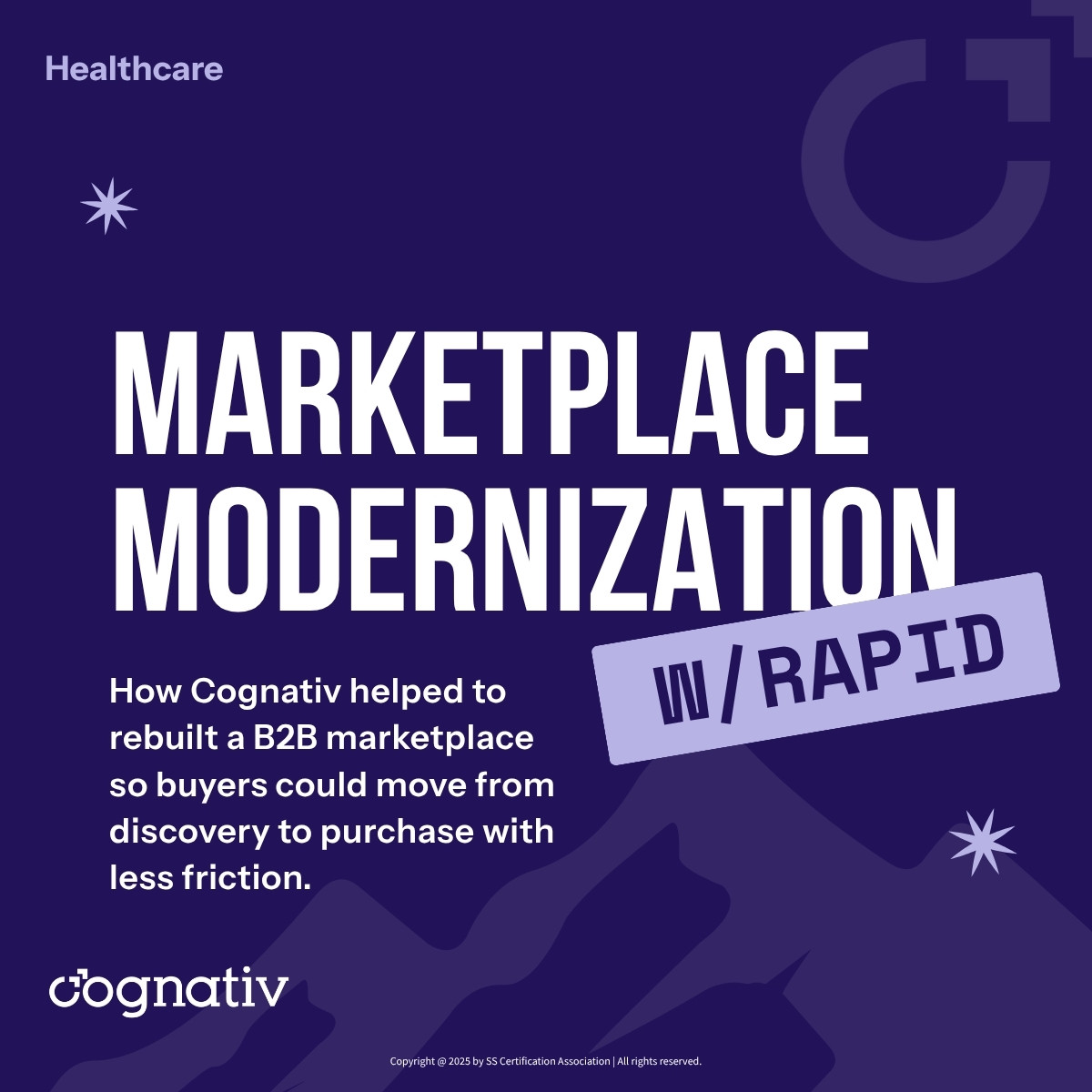
B2B Marketplace Improves Search and Bulk Ordering
B2B Ecommerce
Marketplace Development
Product Data
Bulk Ordering
B2B Marketplace Improves Search and Bulk Ordering
Cognativ modernized a B2B marketplace experience with stronger product discovery, cleaner product data, and workflows built around business buying behavior.
The work improved search, bulk ordering, account-specific purchasing, and supply-flow visibility from discovery to purchase.
Explore the B2B Marketplace RebuildRAPID Is How We Manage the Engagement
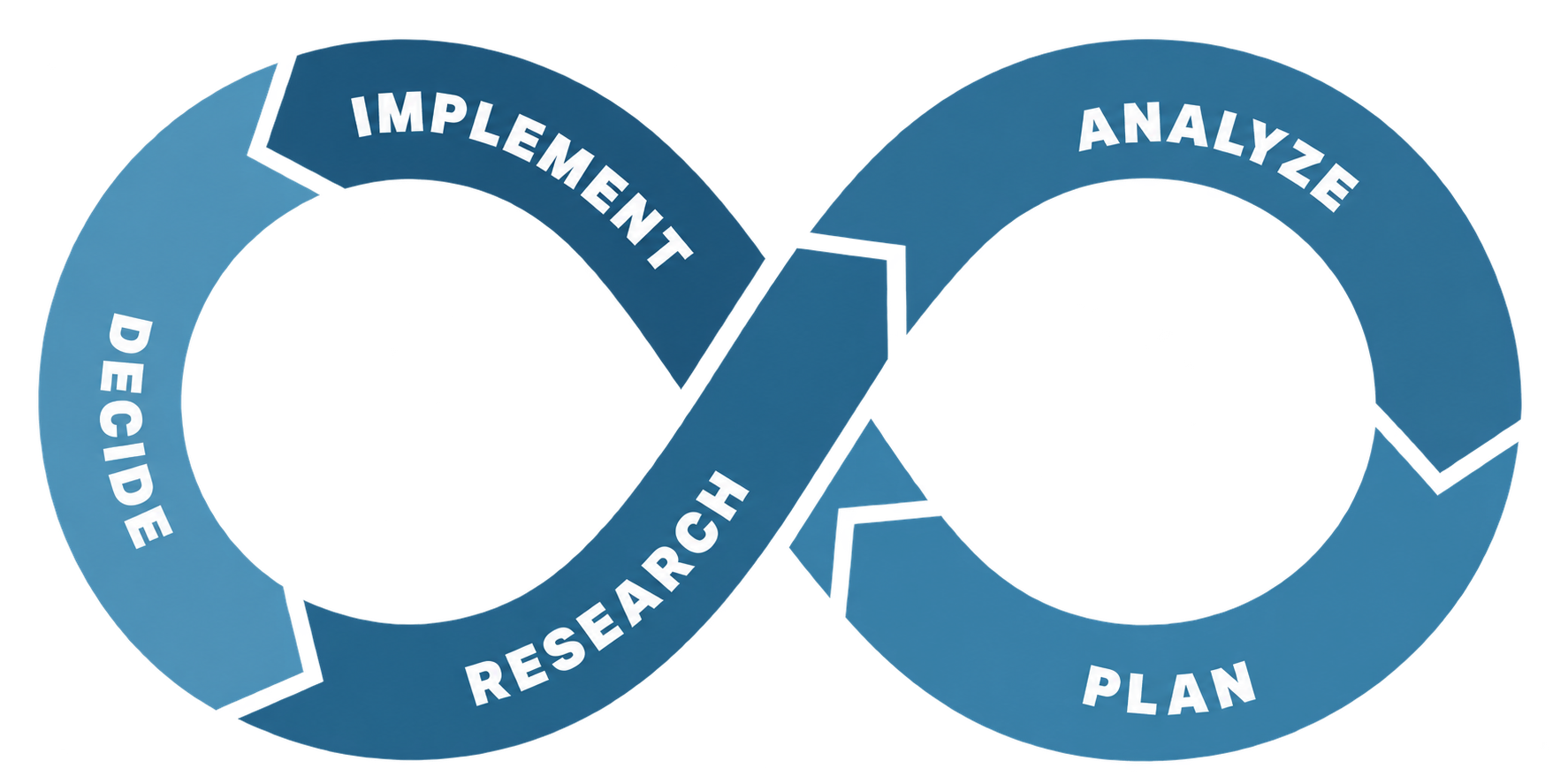
Created by Cognativ founder Ali Davachi, RAPID connects Research, Analyze, Plan, Implement, and Decide. We use it to manage the consulting work itself: frame the business outcome, test assumptions, plan the response, and use feedback to guide the next decision.
The activities work in two connected cycles. Research and Analyze strengthen the understanding; Plan, Implement, and Decide turn that understanding into action. Decisions happen throughout, and new evidence can send the team back to investigate.
Research and Analyze: Establish the Basis for the Decision
We review relevant records and speak with the people who use, manage, and depend on the systems. Customer needs, process friction, skills, financial constraints, and technology all inform the assessment.
Analysis tests the initial explanation. A request for a replacement platform may reveal an integration gap, unclear ownership, or a process that needs to change first. Missing evidence becomes a focused research question before it becomes an expensive assumption.
Plan, Implement, and Decide: Put the Direction to Work
We translate the findings into priorities, responsibilities, resource needs, and review points. RAPID inventories and gap analysis connect proposed work to customer value and the intended business outcome.
Implementation puts the agreed changes into practice with the delivery team. Feedback then informs whether to continue, adjust, or stop an approach. Where Cognativ provides ongoing advisory, that review keeps the technology direction aligned with what the business is learning.
Start with a Focused Question, Then Define the Work
You do not need a finished technical specification to start. A pending investment, a system limiting growth, or a disagreement about the next step is enough context for an initial conversation.
Align the Scope with Your Leadership Team
We begin by clarifying the business outcome, the decision at hand, and the people who need to participate. Together, we identify the evidence available, the unknowns to investigate, and the boundaries of the engagement.
Cognativ is U.S.-based. Our consulting connects business priorities with the technical and operational detail needed to act on them.
Work with the Team Responsible for Delivery
We work with internal teams, existing vendors, or a combination of both. Architecture, handoffs, and decision responsibilities should be understood by the people who will carry the plan forward.
When the next step calls for software, AI, data, or cloud implementation, we define that work explicitly. The advisory question and the implementation scope remain clear, even when Cognativ supports both.
From First Contact to Consulting Agreement
Book a conversation about the decision you need to make. We explore your business context in the discovery call, then discuss our findings and proposed approach in a feedback call before agreeing the engagement.
Once the engagement is agreed, RAPID guides the work: Research and Analyze establish the evidence, while Plan, Implement, and Decide connect recommendations to action and review.
-
Book
Tell us what you need to address and arrange an initial conversation with Cognativ.
-
Discovery Call
Explore your business priorities, current systems, constraints, and the decision your team needs to make.
-
Feedback Call
Review what we learned, discuss the proposed approach, and clarify the scope and next steps together.
-
Agreement
Confirm the scope, responsibilities, timing, and fees before starting the consulting engagement managed through RAPID.
Discuss Your Technology Priorities
Tell us what needs to improve, which decision is approaching, and what is making it difficult. Your first consultation is free.
Bring the context you have: current systems, business priorities, key constraints, and the people involved. We will discuss the question, the scope of support, and the next step.
Technology Strategy Consulting Questions
Understand the scope, the working relationship, and what to prepare before starting an engagement.
When should we bring in a technology strategy consultant?
Bring Cognativ in when a technology decision has material consequences for the business: before selecting a platform, committing to modernization, or starting an initiative with unresolved requirements and dependencies.
Consulting can also help when an existing initiative has stalled. The starting point is the outcome you need and the decision preventing progress.
How is technology strategy different from software development?
Technology strategy establishes the direction: what needs to change, which options fit the business, and how the work should be prioritized. Software development designs and builds the applications needed to support that direction.
Cognativ can support both. We define the advisory and implementation work separately so the team understands the purpose, responsibilities, and outputs of each.
How does Cognativ use RAPID in a consulting engagement?
RAPID is our way of managing the work, not an optional workshop added to it. Research and Analyze establish the evidence and challenge assumptions. Plan, Implement, and Decide connect the recommendation to action and ongoing review.
The scope determines which questions receive the most attention. The cycles remain connected, allowing findings from execution to inform further investigation and changes to the plan.
Can you assess our existing platforms before recommending a replacement?
Yes. We examine the relevant capabilities, limitations, dependencies, and business requirements before recommending a direction. Retaining, improving, integrating, or replacing a system are options to evaluate, not predetermined conclusions.
Will you work with our internal team and current vendors?
Yes. We bring leadership, technical teams, operations, and relevant vendors into the work according to the decision being addressed. Existing knowledge is important to understanding the system and making recommendations usable.
The engagement clarifies responsibilities and handoffs rather than assuming the consulting team will replace the people already delivering the work.
What will we receive from the engagement?
The agreed scope defines the outputs. They can include current-state findings, a comparison of technology options, architecture direction, a prioritized roadmap, and decision or delivery responsibilities.
Each output should support a specific decision or action. We define that purpose at the outset rather than treating every engagement as the same document package.
How are timing and fees determined?
We scope the engagement around the decision, the systems involved, access to evidence, and the level of advisory support needed. We discuss timing, responsibilities, and commercial terms before the work begins.
The first consultation is free. RAPID emphasizes progress toward outcomes; it does not impose one fixed duration on every consulting engagement.
What should we prepare for the first conversation?
Explain what needs to improve, which decision you are facing, and why it matters now. An overview of your current systems, known constraints, stakeholders, and any approaching deadlines will help frame the discussion.
You do not need to prepare a complete specification or choose a technology first. We can use the conversation to identify where a focused assessment would be useful.