90 Day Transformation Plan Template: Your Roadmap to Digital Success
Digital transformation has evolved from a strategic advantage to an essential requirement for businesses striving to remain competitive in an increasingly digital world. A well-structured 90 day digital transformation plan template serves as a vital tool to guide your organization through this complex journey. Defining your vision for the next 90 days is the starting point for productivity and clarity.
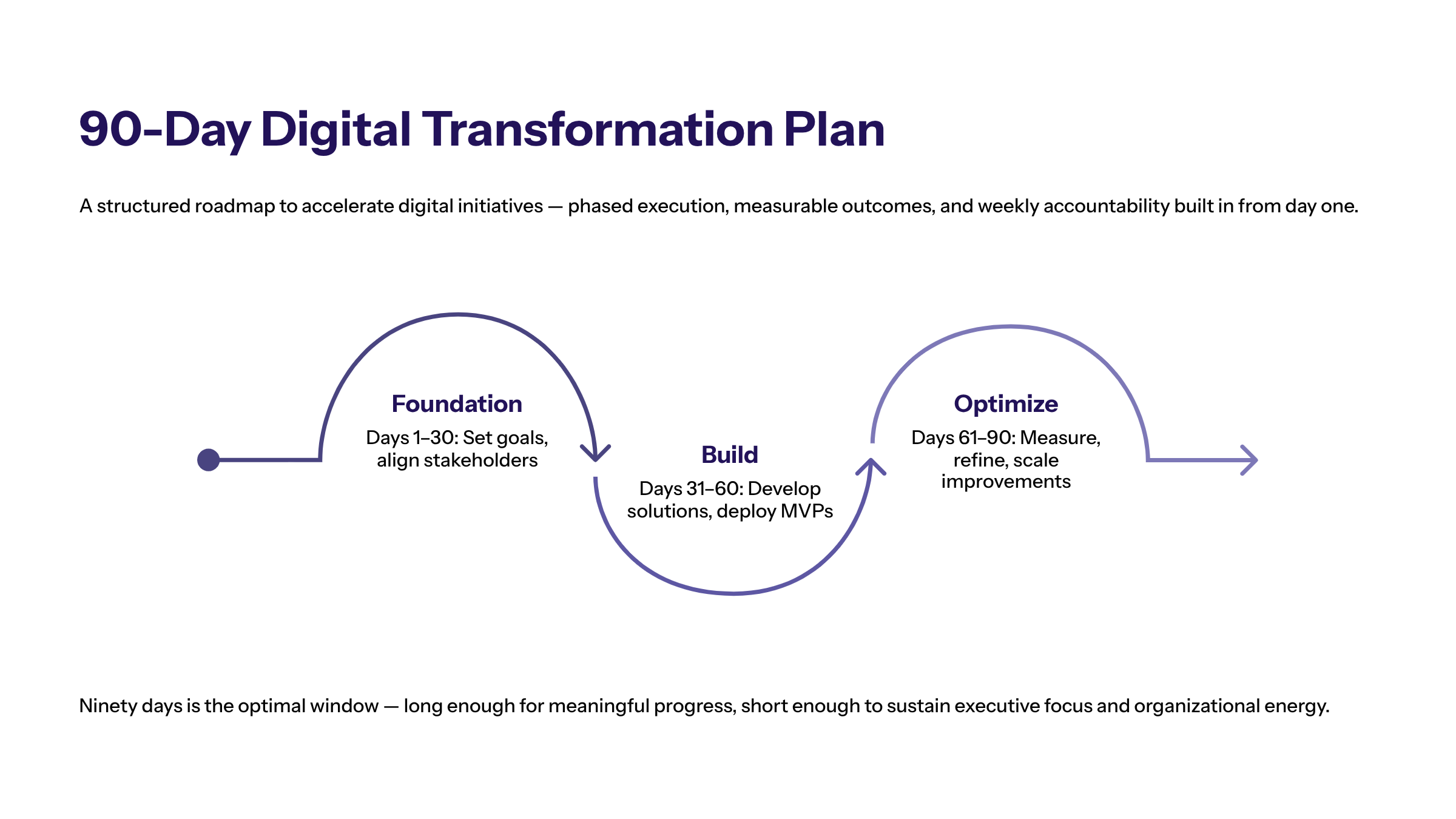
By using a template divided into three phases, each focusing on progressive overload and establishing sustainable habits, this approach helps align resources, set clear priorities, and achieve measurable progress within a concise three-month timeframe.
Whether you are embarking on your first digital initiative or accelerating existing efforts, this comprehensive guide will walk you through the critical steps to maximize impact and sustain momentum.

Why a 90 Day Digital Transformation Plan?
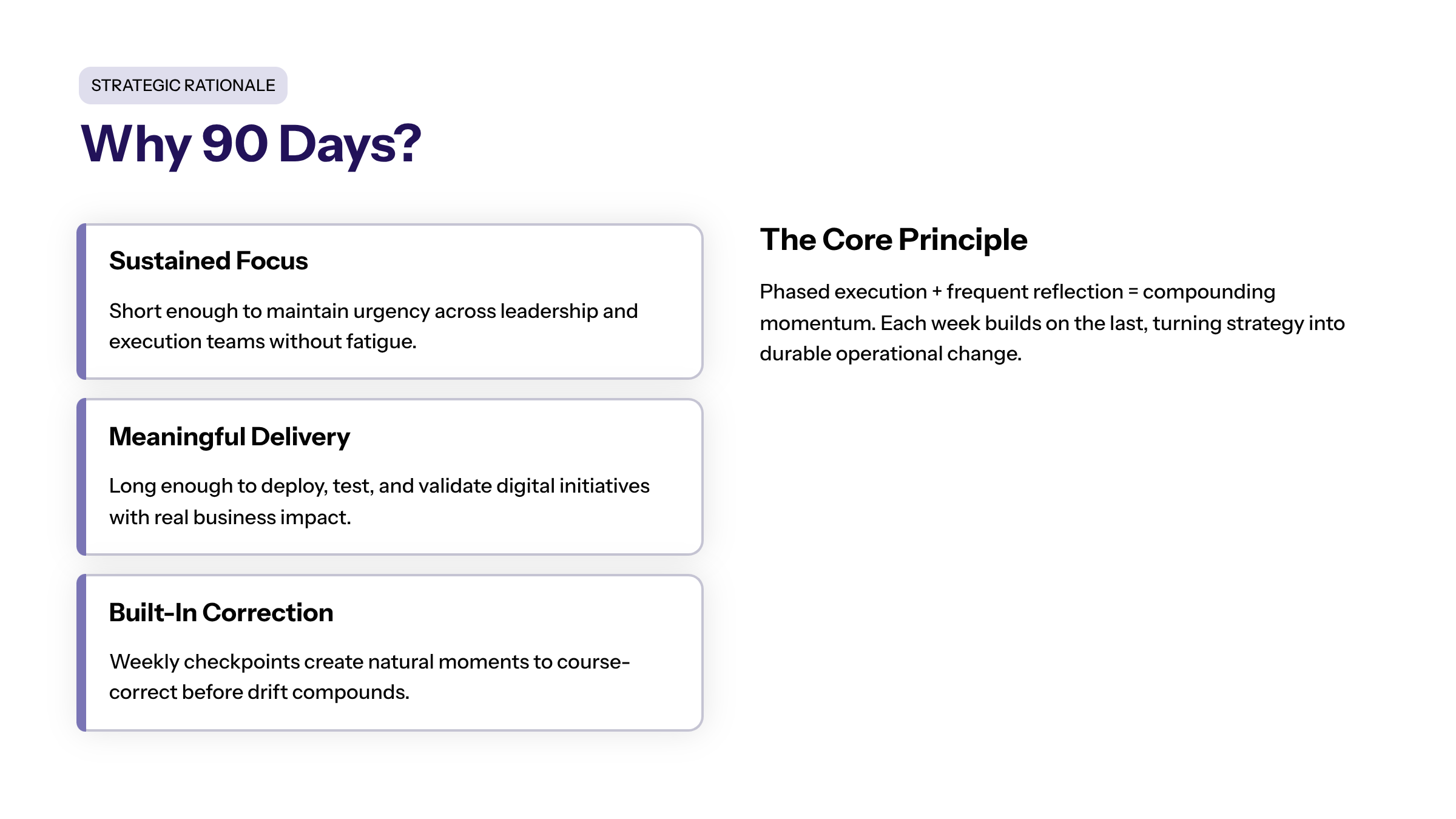
Embarking on a digital transformation journey can be overwhelming without a clear framework. Ninety days strikes an optimal balance: it is long enough to implement significant changes but short enough to maintain a sense of urgency and focus. This period enables organizations to test new technologies, adapt processes, and build capabilities while avoiding burnout or loss of momentum.
Additionally, dividing the transformation into manageable phases encourages consistent progress and provides regular opportunities to reflect, adjust, and celebrate achievements. A 90-day plan should focus on three primary goals that are meaningful and achievable.
Ultimately, a 90 day plan fosters accountability and ensures that digital initiatives align closely with business goals and customer needs.
Tracking your progress every week helps you evaluate what you completed and what needs adjustment.
Industry Context: The Urgency of Digital Transformation Across Sectors
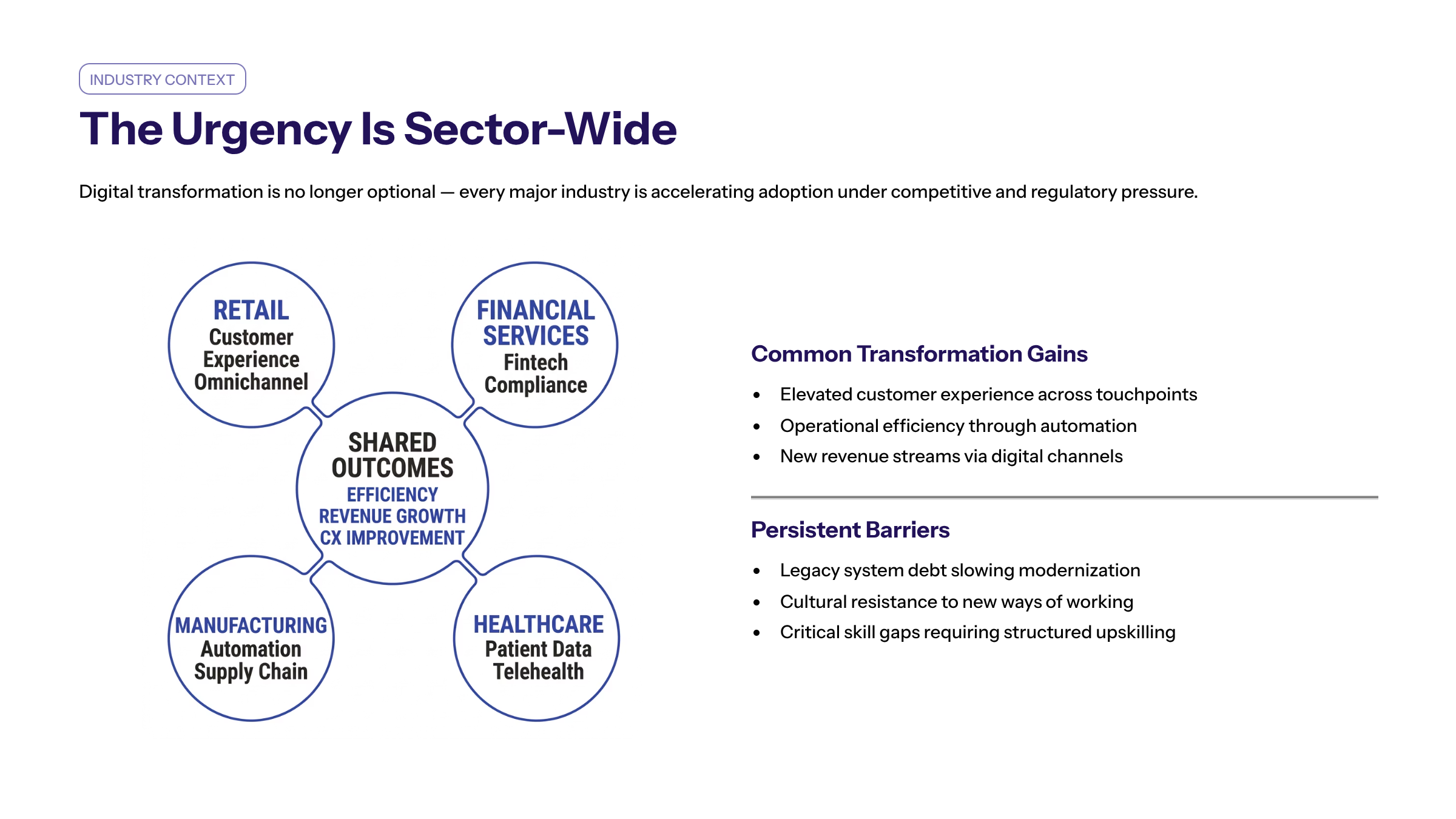
Digital transformation is reshaping industries worldwide, from retail and healthcare to manufacturing and financial services. Companies that adopt digital technologies effectively can enhance customer experiences, streamline operations, and unlock new revenue streams. For example, retailers leverage e-commerce platforms and data analytics to personalize shopping, while healthcare providers implement telemedicine and electronic health records to improve patient care.
Manufacturing firms use automation and IoT devices to boost productivity, and financial institutions deploy AI-driven tools for risk management and customer insights. Despite these benefits, many organizations face challenges such as legacy systems, cultural resistance, and skill gaps.
A structured 90 day digital transformation plan helps businesses navigate these complexities by providing clear milestones and fostering cross-functional collaboration tailored to their industry’s unique demands.
The Three Phases of a 90 Day Digital Transformation Plan
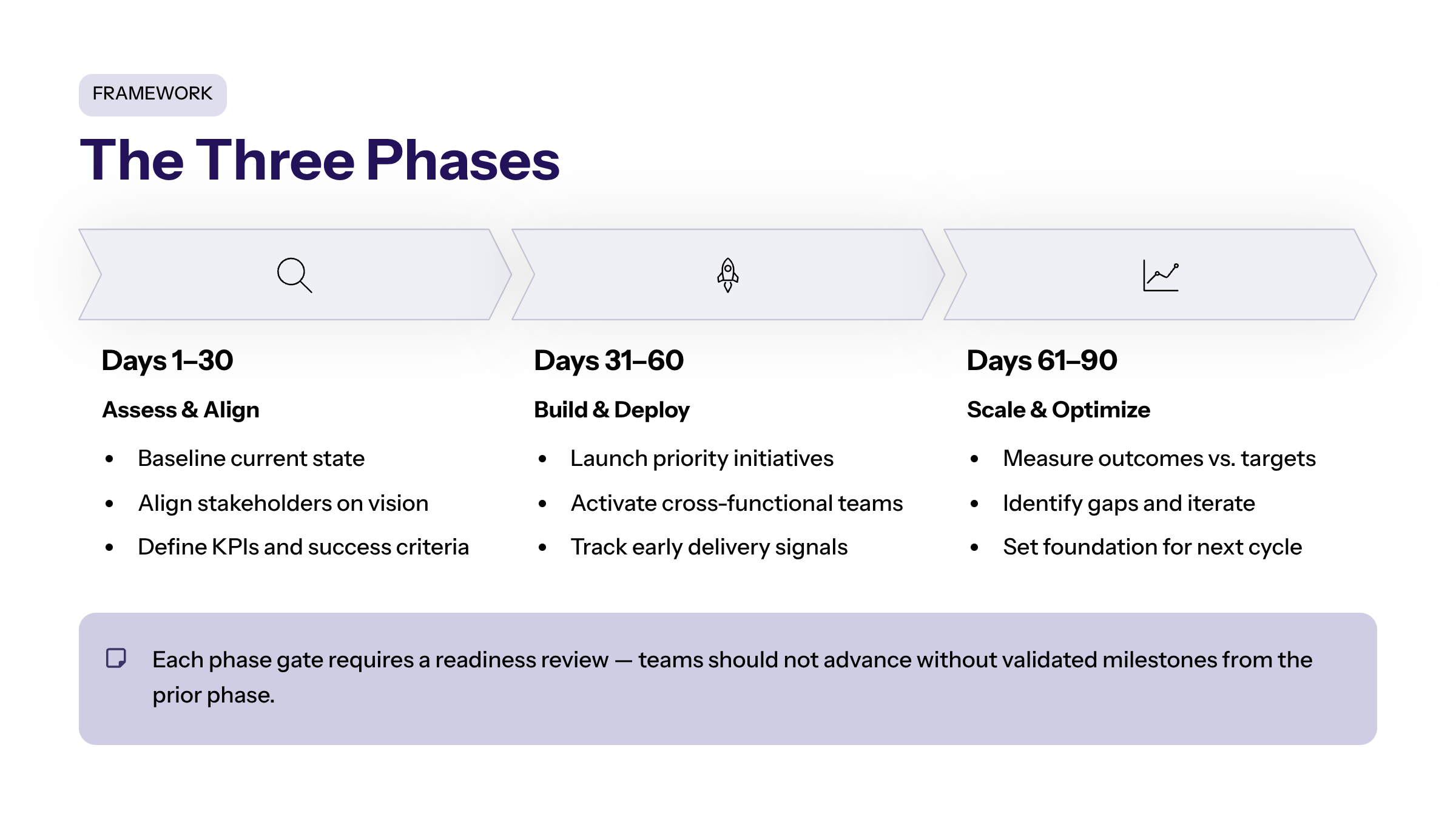
Phase 1: Assess & Align (Days 1-30)
The foundation of any successful digital transformation is a thorough understanding of your current state and a unified vision for the future. During the first 30 days, your focus should be on assessing digital maturity, aligning stakeholders, and setting the stage for change.
|
Key Activities |
Description |
Expected Outcome |
|---|---|---|
|
Define Vision and Objectives |
Engage leadership and teams to articulate what success looks like, write down your vision and objectives, and prioritize objectives. |
Clear, shared goals that guide the transformation |
|
Conduct Digital Maturity Assessment |
Evaluate existing technology infrastructure, processes, and workforce capabilities. |
Identification of strengths, weaknesses, and gaps |
|
Map Customer Journeys |
Analyze customer interactions across digital touchpoints to pinpoint pain points and opportunities. |
Enhanced understanding of customer experience |
|
Set Key Performance Indicators (KPIs) |
Establish measurable metrics aligned with business goals to track progress and impact. |
Quantifiable benchmarks for success |
|
Build Transformation Team |
Assign roles and responsibilities to ensure accountability and foster collaboration. |
A committed, cross-functional team ready to execute |
This phase is critical for creating alignment and ensuring that all stakeholders understand the scope and expectations of the transformation. It also helps uncover potential barriers early, allowing for proactive mitigation strategies.
It is important to set SMART Goals by defining specific, measurable, attainable, relevant, and time-bound goals for the entire 90 days.
Phase 2: Build Momentum (Days 31-60)
With a clear vision and assessment in place, the next 30 days focus on translating strategy into action. This phase involves prioritizing initiatives, launching pilot projects, and equipping your team with the necessary skills.
|
Key Activities |
Description |
Expected Outcome |
|---|---|---|
|
Prioritize Initiatives |
Select high-impact projects based on assessment insights that align with strategic objectives. |
Focused efforts on initiatives with maximum ROI |
|
Develop Roadmap |
Break down projects into weekly milestones and daily tasks to organize execution effectively. Structuring the plan by week helps track progress and maintain momentum. |
Structured timeline ensuring steady progress |
|
Implement Quick Wins |
Launch pilot programs or improvements that deliver immediate value and build confidence. |
Early successes that motivate the team |
|
Invest in Training & Change Management |
Provide training and resources to build digital skills and foster adaptability. |
Empowered workforce capable of embracing change |
|
Establish Communication Channels |
Maintain transparent and regular updates to keep stakeholders engaged and informed. |
Enhanced collaboration and stakeholder buy-in |
This phase is designed to build momentum by focusing on achievable goals and continuous communication. Tracking progress every week is essential in a 90-day plan, and small steps done consistently create big change over time. Training and change management are critical here to overcome resistance and embed new ways of working.
Phase 3: Optimize & Scale (Days 61-90)
The final phase centers on evaluating outcomes, refining approaches, and scaling successful initiatives to maximize impact across the organization.
|
Key Activities |
Description |
Expected Outcome |
|---|---|---|
|
Analyze Performance Data |
Review KPIs and feedback to assess the effectiveness of implemented initiatives. |
Data-driven insights to inform decision-making |
|
Refine Processes |
Adjust workflows and technology configurations based on performance analysis. |
Enhanced efficiency and user experience |
|
Scale Successful Projects |
Expand pilot programs across departments or regions to amplify benefits. |
Broader organizational impact |
|
Embed Continuous Improvement |
Foster a culture of innovation and agility to sustain transformation beyond the 90-day window. |
Long-term adaptability and growth |
|
Celebrate Wins |
Recognize and reward team achievements to maintain motivation and reinforce commitment. |
Boosted morale and sustained engagement |
Optimization and scaling ensure that the transformation delivers lasting value. Embedding continuous improvement practices helps your organization remain agile in a rapidly evolving digital landscape.
Tracking Progress Throughout Your 90 Day Plan
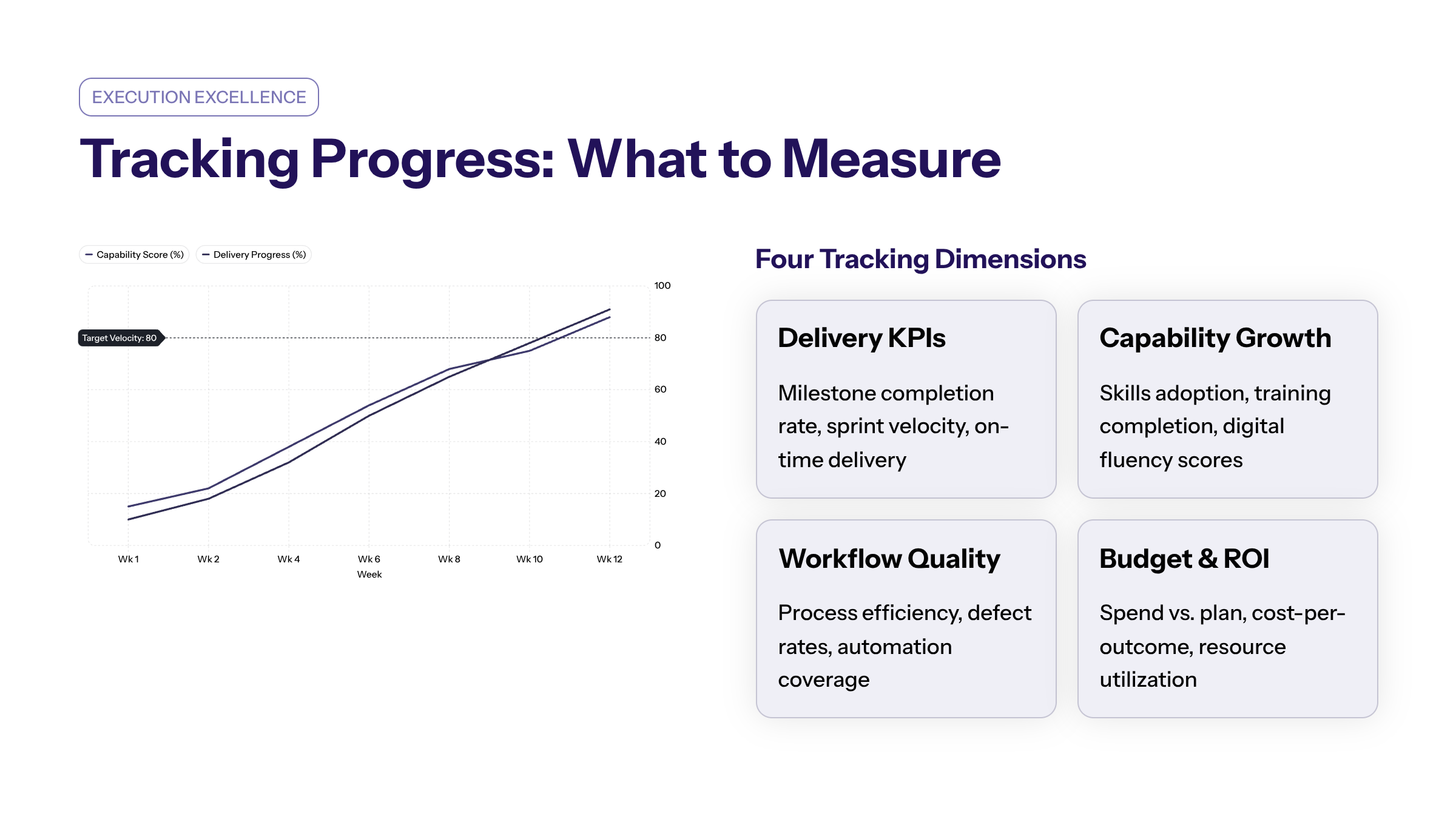
Tracking progress is the backbone of any successful 90 day digital transformation plan. By consistently monitoring your journey over the next three months, you ensure that your organization stays focused, motivated, and aligned with its vision. A well-structured approach to tracking allows you to break down ambitious goals into achievable daily tasks and weekly milestones, making the entire transformation process more manageable and less overwhelming.
To get the most out of your 90 day challenge, start by defining clear, measurable milestones for each of the three phases of your plan. Use a calendar or digital template to visualize your roadmap, and regularly update it to reflect completed tasks and upcoming priorities. This habit not only helps you track weighty deliverables and project progress, but also keeps your team accountable and engaged.
When tracking progress, it’s important to look beyond just the obvious metrics. While KPIs like project completion rates and budget adherence are essential, also consider monitoring improvements in team skills, workflow efficiency, and stakeholder engagement. Collecting and analyzing data on these fronts will help you identify areas for adjustment, fuel momentum, and ensure your transformation efforts are delivering real value.
Don’t overlook the financial side of your transformation. Track expenses and align your budget with your strategic priorities to maximize ROI. By keeping a close eye on resource allocation, you can make informed decisions, avoid unnecessary costs, and ensure your investment is driving the desired outcomes.
To maintain motivation and consistency, encourage your team to reflect on progress regularly—whether through weekly check-ins, performance dashboards, or a shared journal. Celebrate small wins along the way, such as completing a challenging project phase or achieving a key performance milestone. Sharing these successes with your team or broader organization helps build a culture of commitment and support, keeping everyone energized for the next three months.
Ultimately, tracking your progress throughout the 90 day transformation is about more than just ticking boxes. It’s about creating a sustainable program of continuous improvement, building new habits, and achieving lasting success. Stay focused, adjust your plan as needed, and celebrate every step forward—your organization’s digital transformation journey will be stronger for it.
How to Use This 90 Day Digital Transformation Plan Template
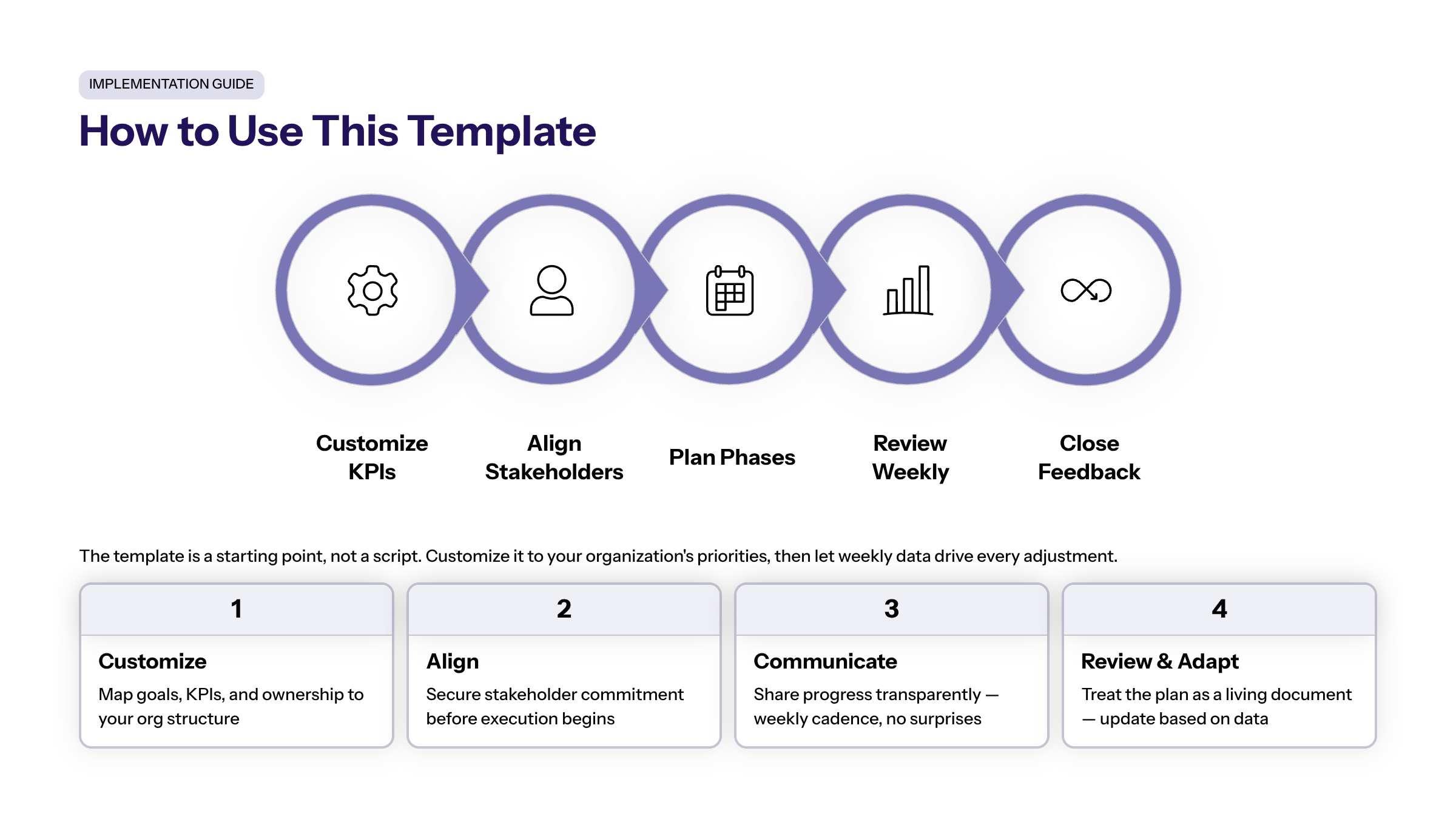
To maximize the effectiveness of your digital transformation, follow these practical steps:
-
Customize the Template to Your Needs: Tailor the plan’s objectives, KPIs, and initiatives to reflect your organization’s unique context and priorities.
-
Engage Stakeholders Early and Often: Involve leadership, teams, and customers throughout the process to gather diverse insights and foster ownership.
-
Set Realistic Milestones: Break down large projects into manageable weekly and daily tasks to maintain momentum and track progress effectively.
-
Leverage Data for Continuous Improvement: Use performance metrics to identify successes and areas for adjustment, ensuring your transformation stays on course.
-
Communicate Transparently: Maintain open channels for feedback and updates to keep everyone informed and aligned.
-
Celebrate Achievements: Recognize milestones and team efforts to build morale and reinforce commitment.
For easier tracking and reference throughout the 90 days, print the 90 day transformation plan template and keep a physical copy handy to monitor your progress.
By following these steps and utilizing the structured phases outlined in the template, your organization will be well-positioned to achieve meaningful digital transformation within 90 days.
Tips for a Successful 90 Day Digital Transformation
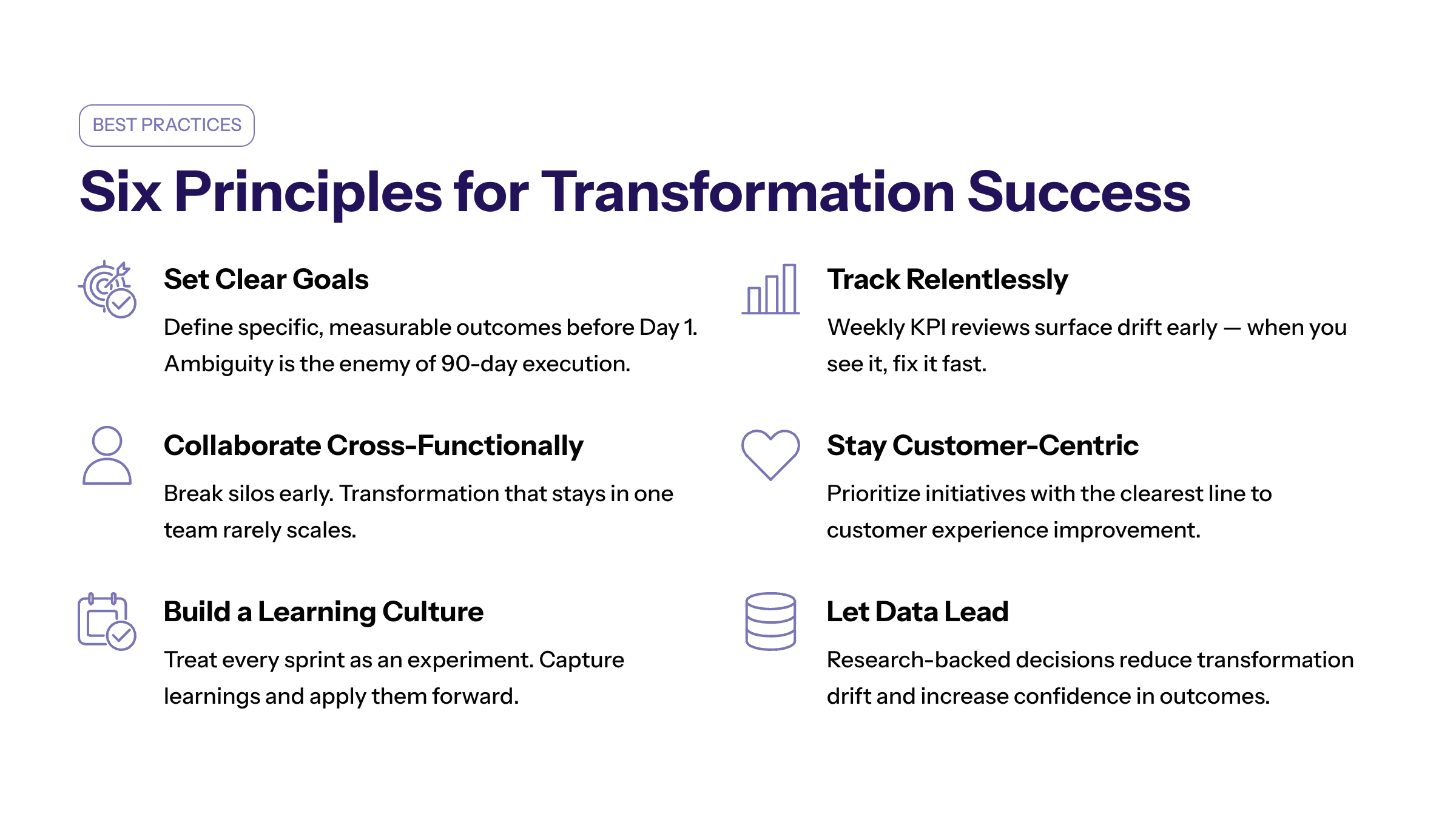
Tip: For the best results with your 90 day transformation plan template, start by scheduling a baseline assessment and applying practical strategies throughout your journey.
Success in digital transformation requires more than just a plan—it demands focus, collaboration, and adaptability. Consider these best practices:
-
Focus on Clear, Achievable Goals: Setting realistic objectives prevents overwhelm and keeps the team motivated.
-
Track Progress Regularly: Utilize digital dashboards or calendars to monitor milestones, enabling timely adjustments.
-
Encourage Cross-Functional Collaboration: Breaking down silos leverages diverse expertise and fosters innovation.
-
Prioritize Customer-Centric Solutions: Ensure that technology investments enhance the overall customer experience.
-
Commit to Continuous Learning: Foster a culture of ongoing skill development and knowledge sharing to keep pace with evolving technologies.
-
Conduct Research: Regularly research new methods and use data-driven decisions to optimize your transformation plan.
Download Your Free 90 Day Digital Transformation Plan Template
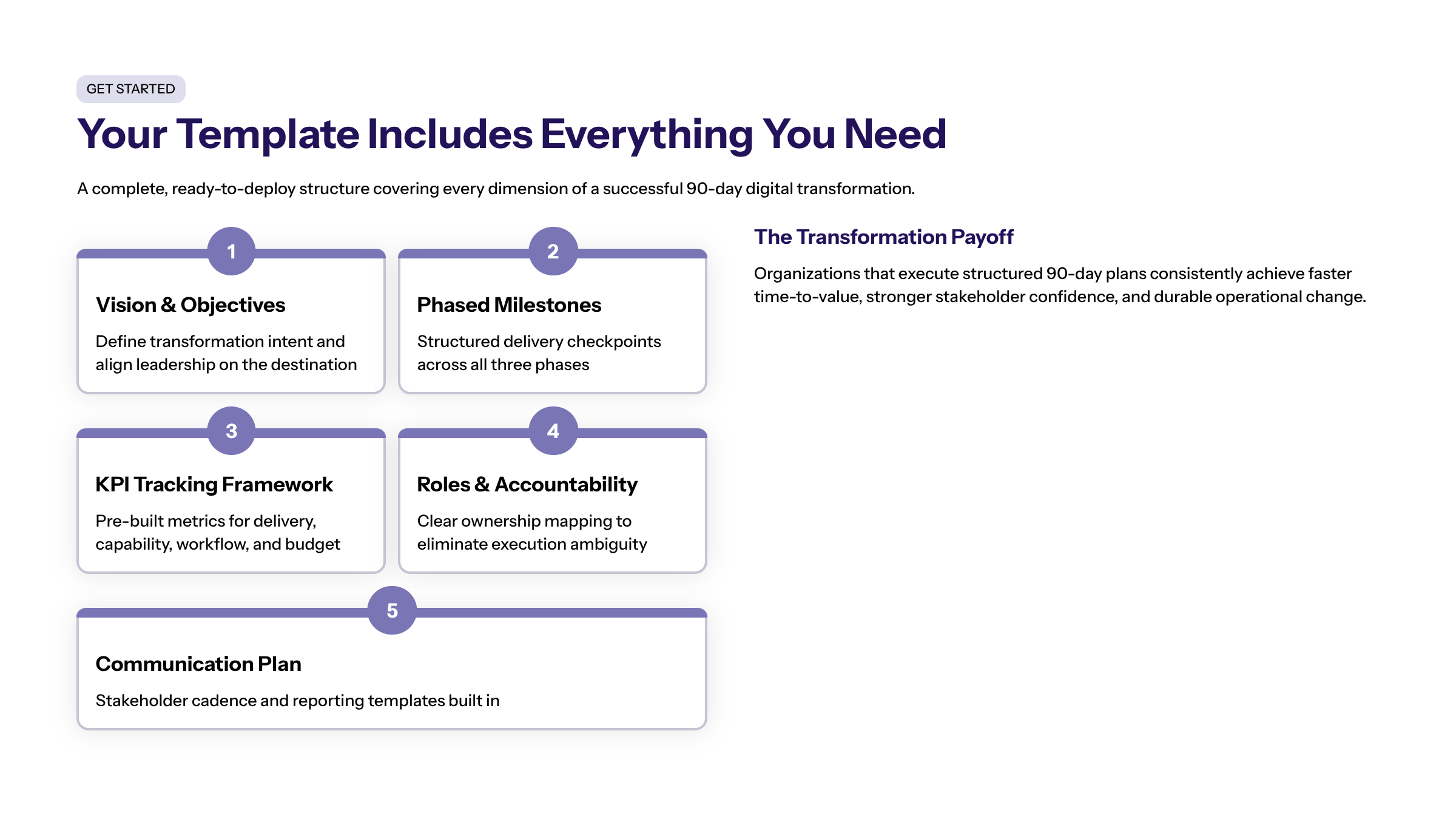
To jumpstart your digital journey, download our customizable 90 day digital transformation plan template. It includes sections for vision setting, milestone planning, KPI tracking, team roles, and communication strategies—everything you need to create a focused and actionable roadmap tailored to your organization’s goals.
A structured 90 day digital transformation plan template empowers your organization to achieve measurable results, build momentum, and lay the foundation for long-term success. Start your digital transformation journey today with clarity, focus, and a commitment to change.