Execution Cadence Template for Effective Team Collaboration
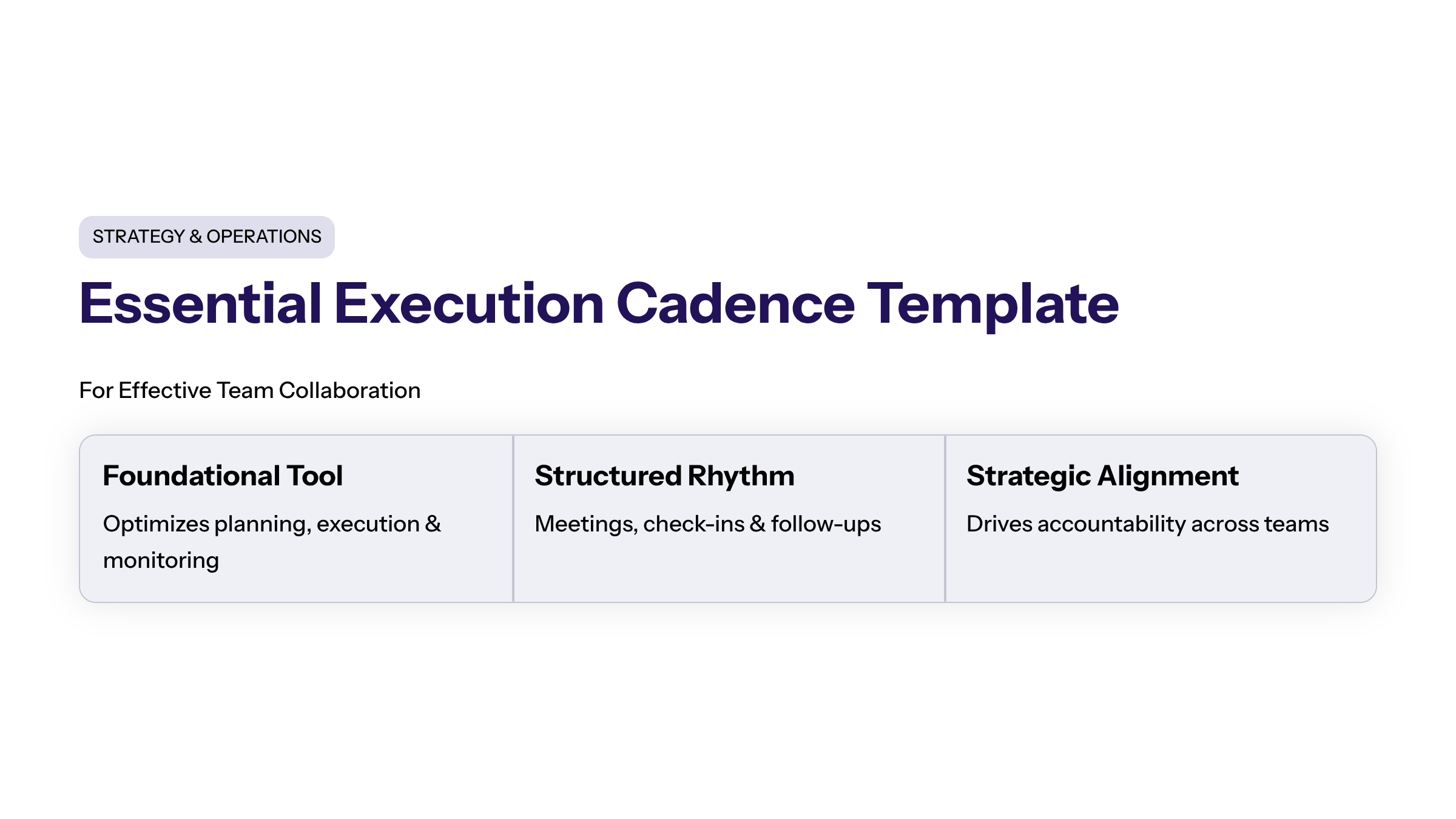
Execution cadence templates are foundational tools designed to optimize how organizations plan, execute, and monitor strategic initiatives. By establishing a structured rhythm of meetings, check-ins, and follow-ups, these templates ensure alignment across departments, enhance decision-making processes, and drive accountability throughout project teams.
This article provides an analytical overview of execution cadence templates, their critical role in strategic execution, and practical insights on how leadership teams can leverage them to adapt quickly and maintain focus amid evolving market conditions.
Key Takeaways
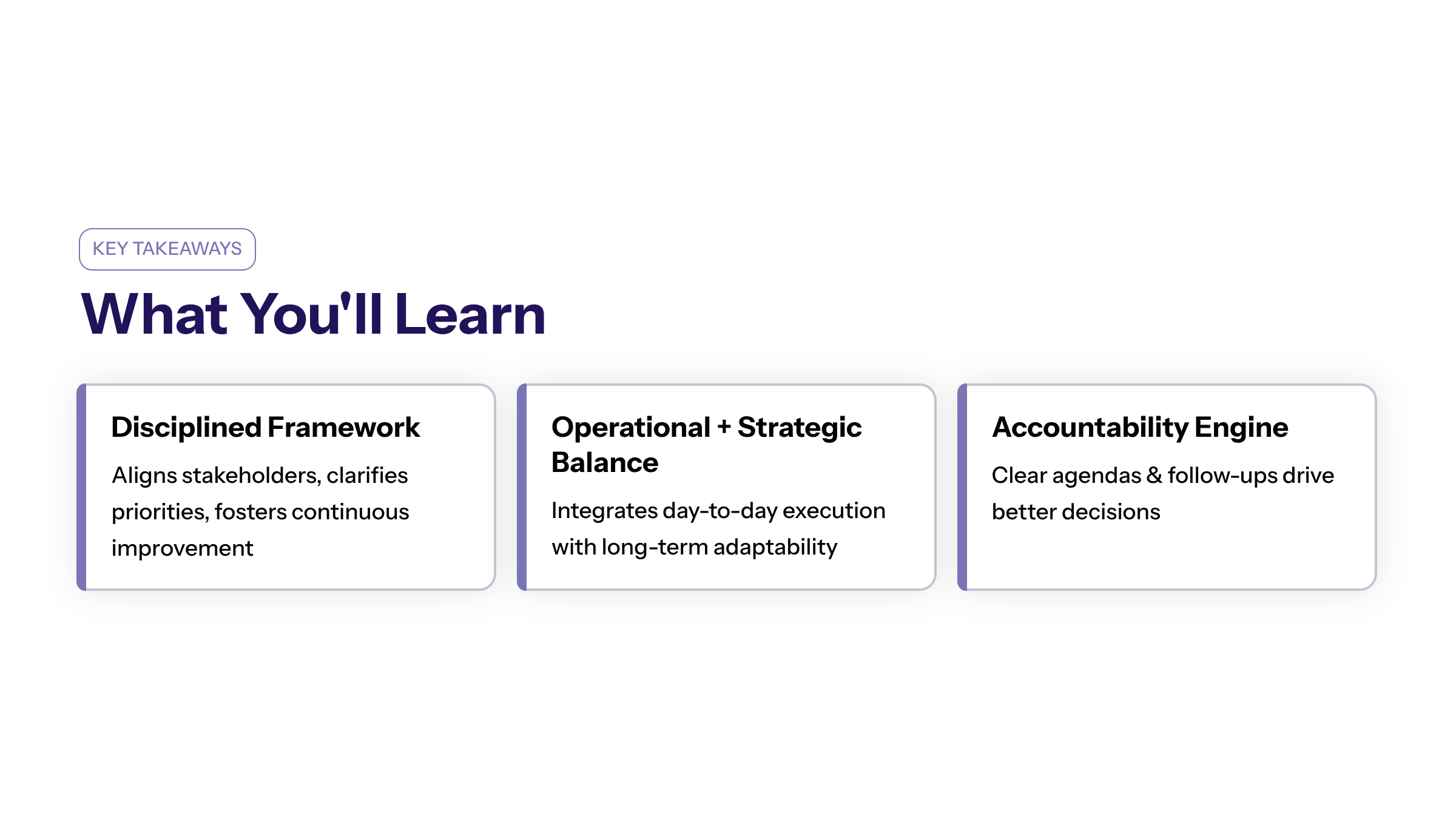
Execution cadence templates create a disciplined framework that aligns stakeholders, clarifies priorities, and fosters continuous improvement across an organization.
Integrating operational cadence with strategic planning sessions enables teams to balance day-to-day execution with long-term adaptability.
Effective meeting cadence, including clear agendas and follow-ups, drives accountability and optimizes decision-making in complex business environments.

Introduction to Execution Cadence
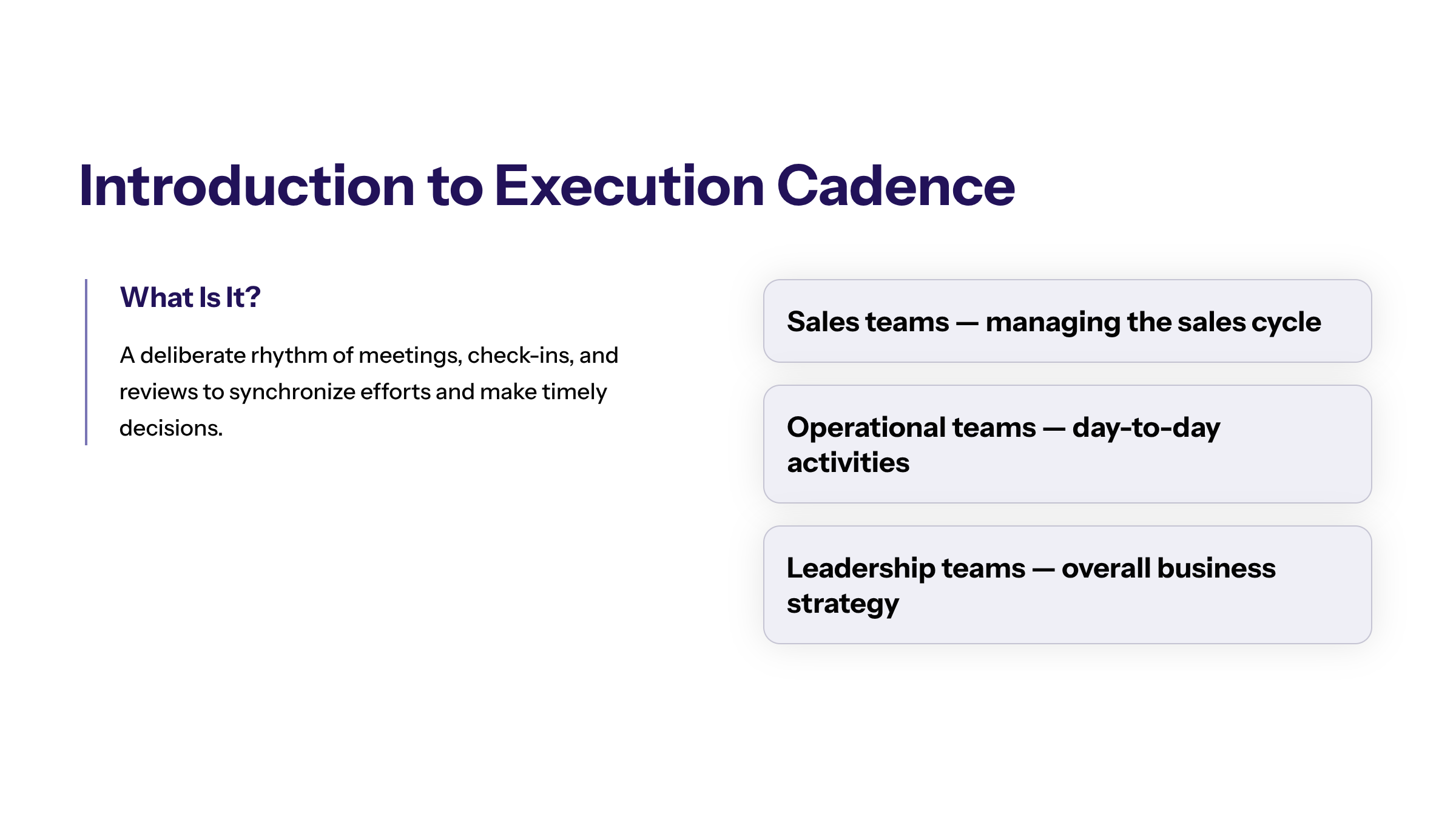
Execution cadence is the deliberate rhythm of meetings, check-ins, and reviews that organizations use to synchronize efforts, monitor progress, and make timely decisions. It is especially critical for strategic planning sessions, where cross-functional collaboration among project teams and departments must be tightly coordinated.
A well-structured execution cadence template serves as a strategic framework that aligns sales teams managing their sales cycle, operational teams overseeing day-to-day activities, and leadership teams guiding overall business strategy.
This approach helps organizations feel confident that all agenda items are addressed, key decisions are made, and tasks are completed on schedule.
The Role of Execution Cadence in Business Strategy
In today’s fast-paced market conditions, businesses must adapt quickly to remain competitive. Execution cadence facilitates this adaptability by providing a clear calendar of meetings—ranging from annual strategic planning to weekly operational check-ins—that keep teams aligned and focused.
It reduces common pitfalls such as miscommunication, overlapping responsibilities, and missed deadlines by establishing clear expectations and accountability.
“An effective execution cadence is the backbone of any high-performing organization, ensuring that strategy translates into action without losing momentum.” — Harvard Business Review
Annual Strategic Planning
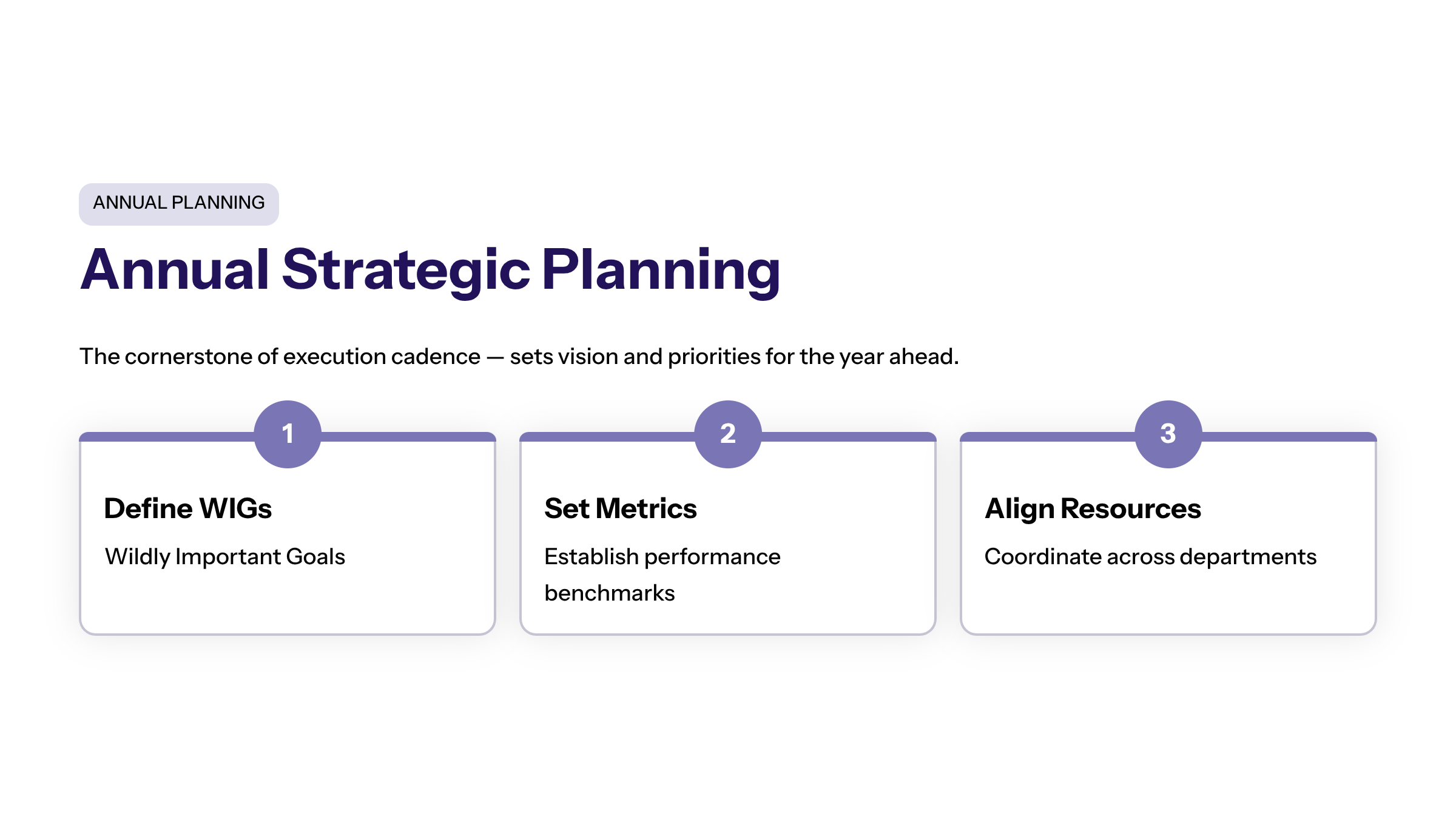
Annual strategic planning is the cornerstone of execution cadence, setting the vision and priorities for the year ahead. This process involves defining wildly important goals (WIGs), establishing performance metrics, and aligning resources across departments.
Structured Approach to Annual Planning
Using a cadence template for annual strategic planning helps organizations create clear agendas that guide discussions on market trends, competitive landscape, and internal capabilities.
For example, companies like Microsoft and Amazon employ structured planning sessions that incorporate data-driven insights and scenario analysis to prepare for varying market conditions.
Component | Description | Purpose |
|---|---|---|
Goal Setting | Define 1-3 Wildly Important Goals (WIGs) | Focus organizational efforts |
Performance Metrics | Establish measurable KPIs | Track progress and outcomes |
Resource Allocation | Align budget and personnel | Ensure feasibility of plans |
Risk Assessment | Identify potential challenges | Prepare contingency strategies |
Integrating Sales Cadence Templates
Sales teams benefit from tailored sales cadence templates that support the annual strategic plan by structuring outreach activities, follow-ups, and pipeline reviews. This ensures that sales cycles are aligned with broader business objectives and that sales pitches resonate with evolving customer needs.
“Sales cadence templates not only improve conversion rates but also create a repeatable, scalable process that integrates seamlessly with strategic execution.” — Gartner Research
Operational Cadence
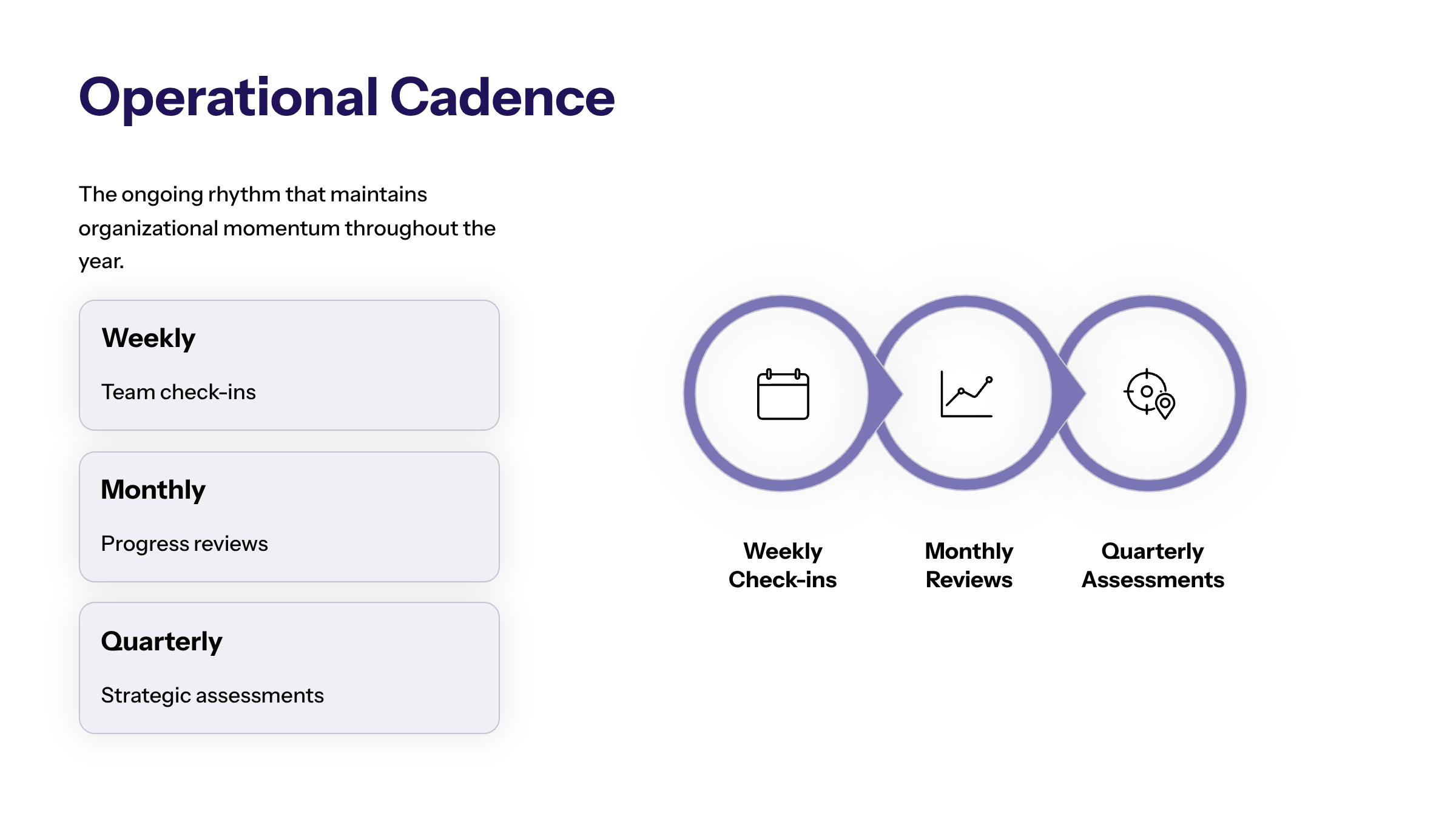
Operational cadence represents the ongoing rhythm of meetings and check-ins that maintain organizational momentum throughout the year. This includes weekly meetings, monthly reviews, and quarterly assessments that track progress against strategic goals.
Managing Operational Meetings
A well-structured operational cadence ensures that leadership teams and project teams have clear expectations about meeting types, frequency, and agenda items. For example, Salesforce uses a combination of weekly team syncs and monthly performance reviews to maintain alignment and drive continuous improvement.
Meeting Type | Frequency | Purpose | Typical Agenda Items |
|---|---|---|---|
Weekly Team Meeting | Weekly | Track progress, resolve issues | Status updates, blockers, action items |
Monthly Review | Monthly | Evaluate performance metrics and KPIs | Sales numbers, operational efficiency |
Quarterly Assessment | Quarterly | Strategic refresh and course correction | Goal reassessment, resource planning |
Leadership’s Role in Operational Cadence
The leadership team must ensure discipline in maintaining this cadence, providing coaching, and facilitating decision-making. Clear agendas and accountability mechanisms help prevent meetings from becoming routine check-ins and instead make them effective forums for problem-solving.
“Discipline in operational cadence is what separates high-performing teams from those that drift off course.” — McKinsey & Company
Leadership Team
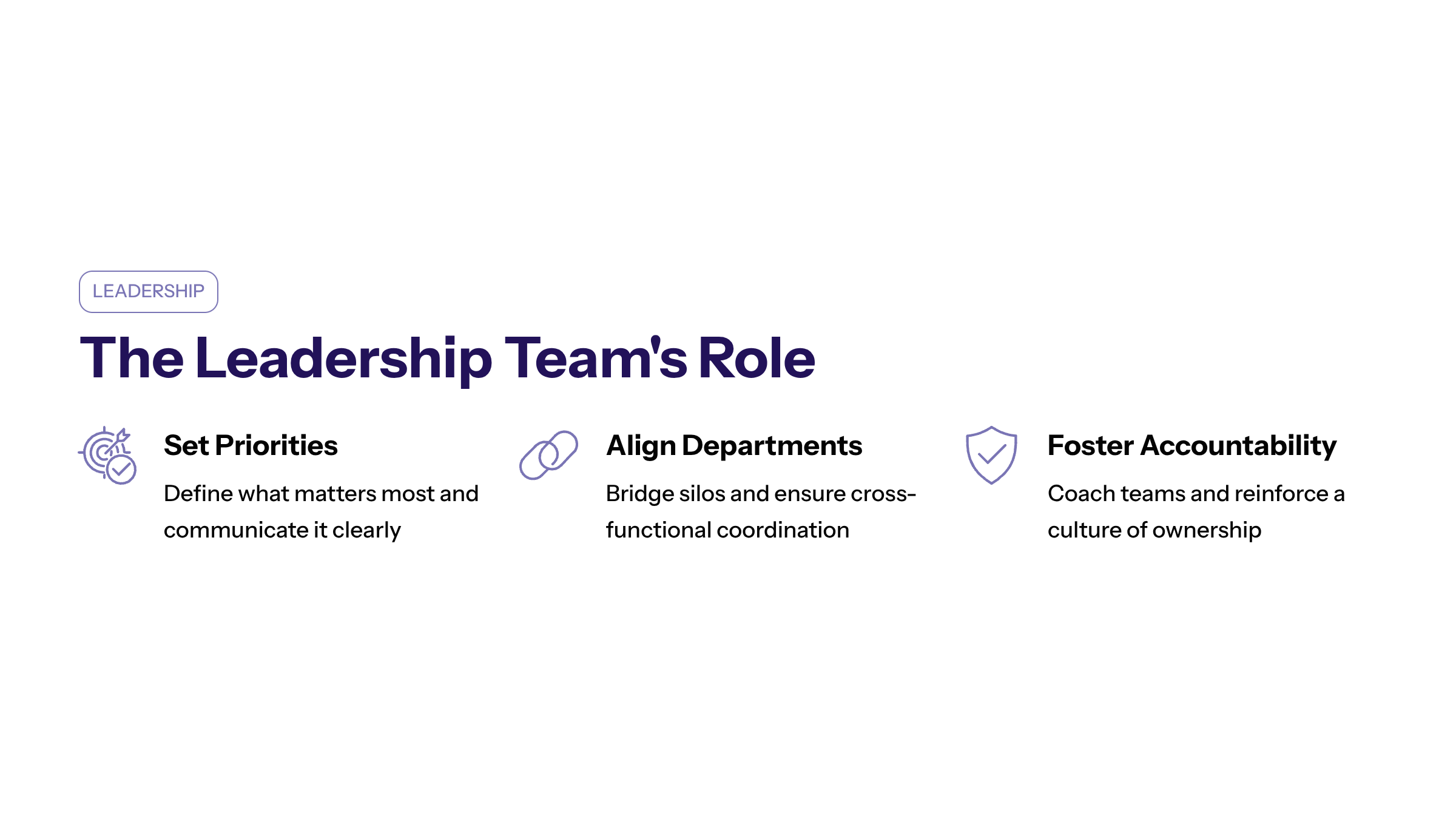
The leadership team plays a pivotal role in establishing and maintaining an effective execution cadence. Their responsibilities include setting priorities, aligning departments, and fostering a culture of accountability.
Setting Clear Priorities and Coaching
Leaders must prepare for meetings by defining agenda items that focus on critical business issues and ensuring that all participants are ready to contribute. Coaching within the leadership team helps build trust and encourages constructive dialogue.
Aligning Across Departments
Cross-departmental collaboration is essential for strategic execution. The leadership team must coordinate meeting schedules and agendas to ensure that different teams—whether sales, operations, or product development—are synchronized and informed.
“Leadership alignment through a structured cadence creates the clarity and focus necessary for execution excellence.” — Deloitte Insights
Meeting Cadence
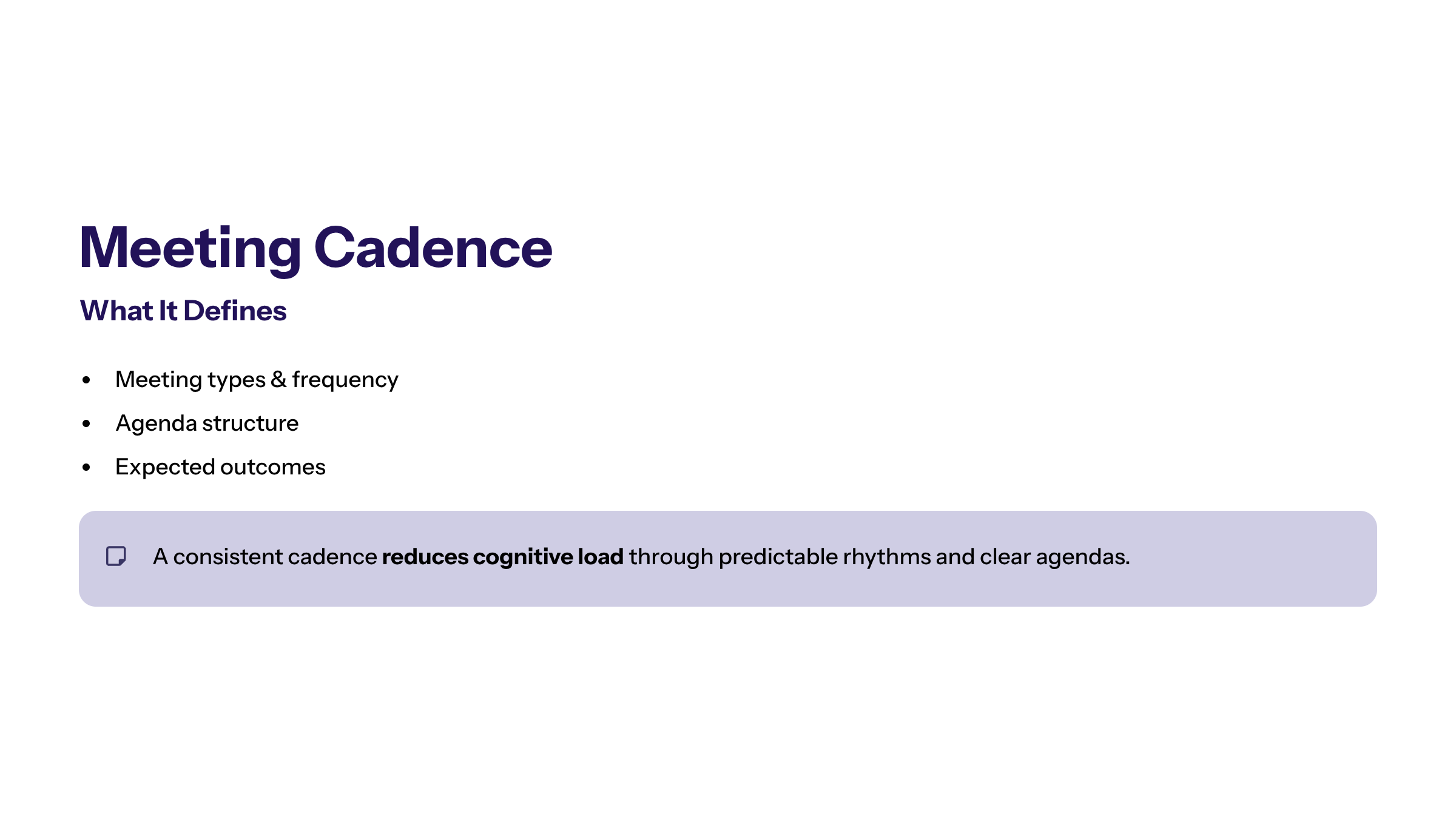
Meeting cadence refers to the schedule and structure of meetings within an organization. It defines the meeting types, frequency, agenda, and expected outcomes.
Designing Effective Meeting Cadence
A consistent meeting cadence reduces cognitive load by establishing predictable rhythms and clear agendas. This enables participants to prepare adequately and engage meaningfully. For example, Google employs a standardized meeting cadence that includes daily stand-ups, weekly project reviews, and quarterly strategy sessions.
Balancing Meeting Types and Frequency
Not all meetings require the same frequency or format. Organizations should tailor meeting cadences to their unique needs, balancing operational cadence with strategic meetings to optimize effectiveness.
“The best meeting cadences are adaptable, balancing regular check-ins with focused strategic conversations.” — Forbes
Operating Cadence
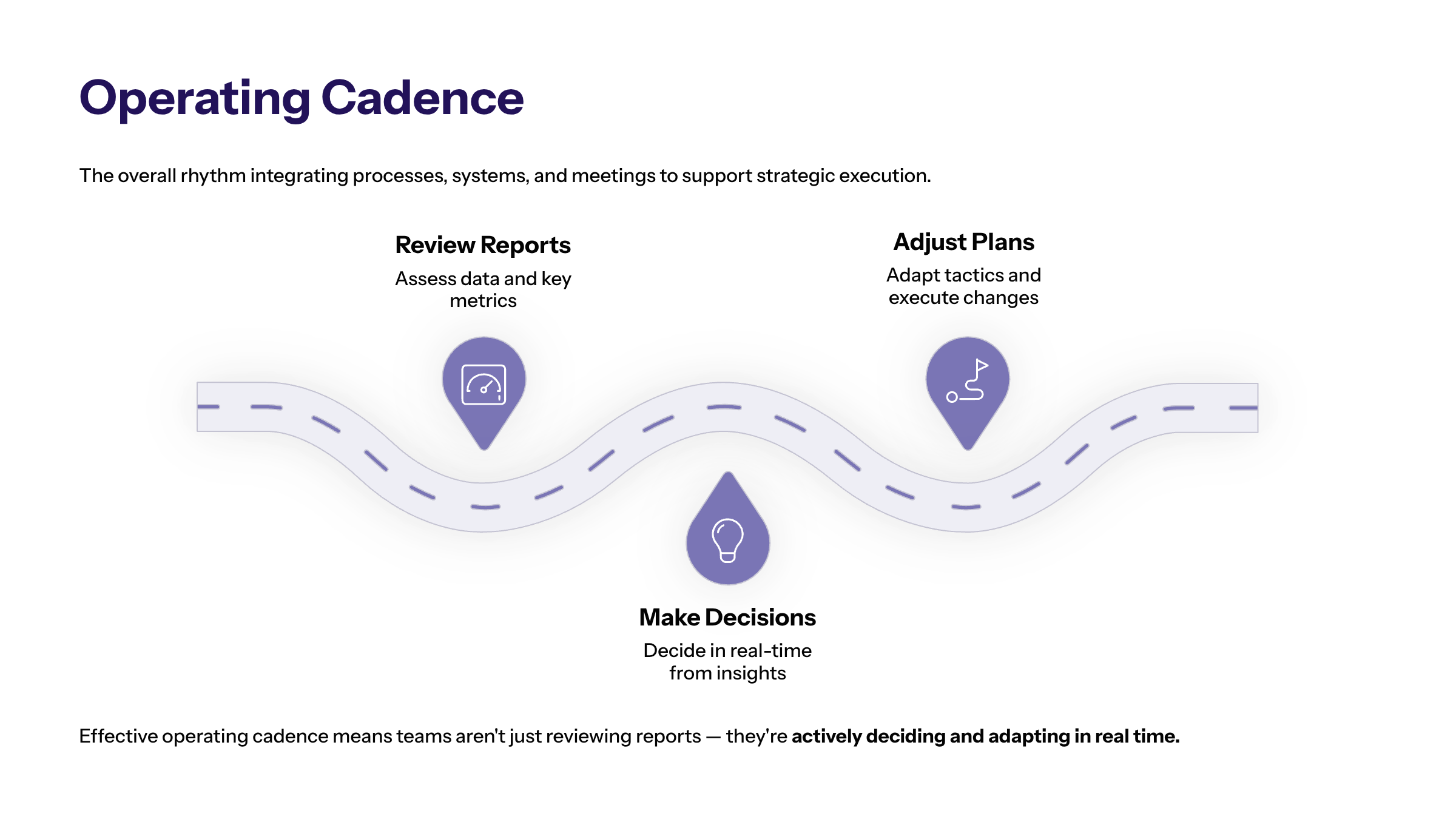
Operating cadence encompasses the overall rhythm and flow of an organization’s operations, integrating processes, systems, and meetings to support strategic execution.
Building an Effective Operating Rhythm
An effective operating cadence ensures that teams are not only reviewing reports but actively making informed decisions and adjusting plans in real time. Companies like SITA have implemented structured operating rhythms that link corporate leadership with frontline teams, driving agility in fast-moving industries.
Aspect | Description | Benefit |
|---|---|---|
Scheduled Touchpoints | Weekly meetings, monthly reviews, quarterly assessments | Keeps teams aligned and informed |
Real-Time Reporting | Access to up-to-date performance data | Enables timely decision-making |
Integrated Systems | Tools that connect data and workflows | Reduces manual effort and errors |
Sustaining Operating Cadence
Sustaining an operating cadence requires continuous evaluation and adaptation. Organizations must remove unnecessary meetings, adjust cadence to changing priorities, and maintain discipline to ensure ongoing effectiveness.
“Without a strong operating cadence, even the best strategies fail in execution.” — Cascade Strategy
Key Benefits
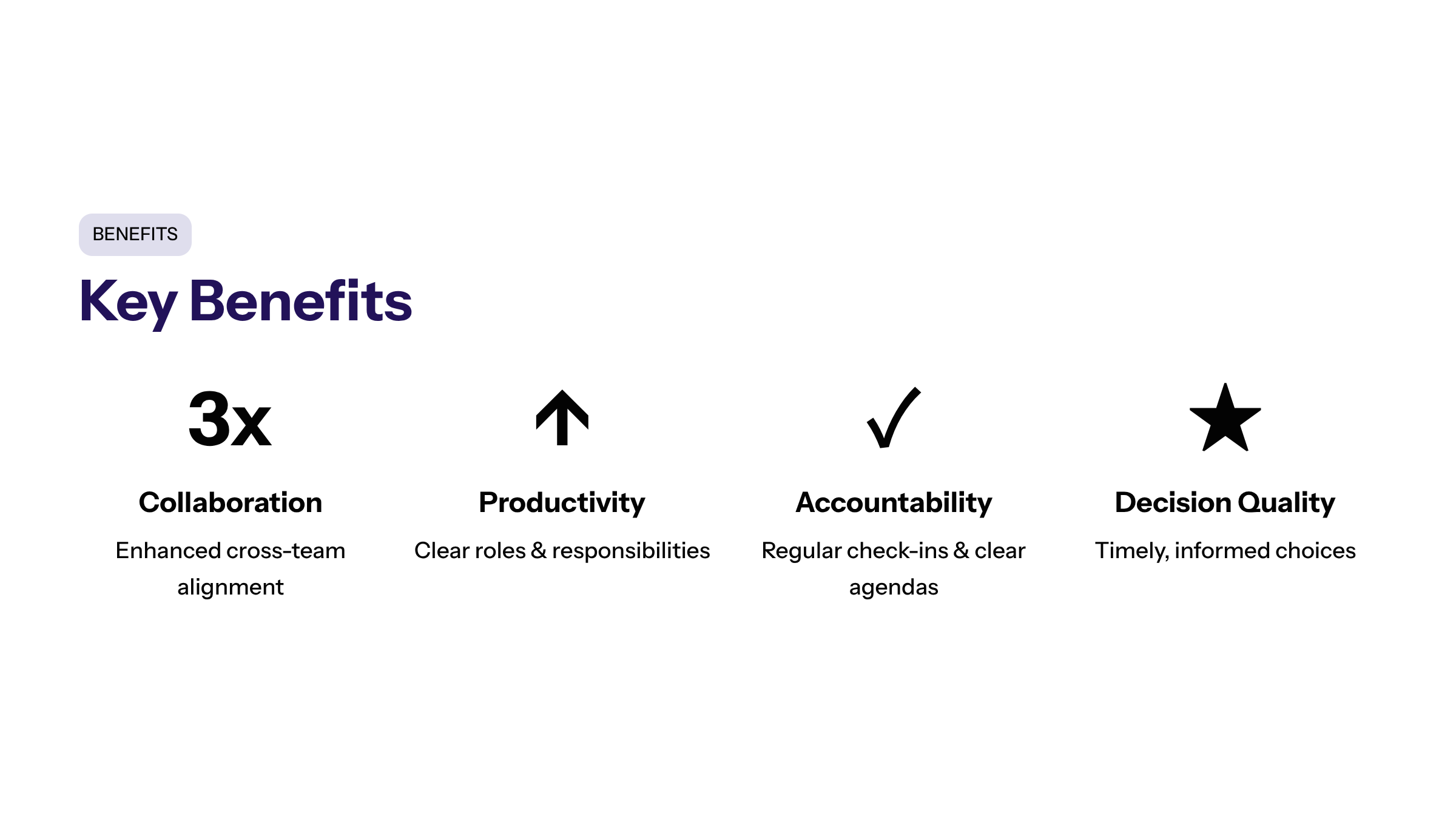
The key benefits of an effective execution cadence include enhanced team collaboration, improved productivity, and superior decision-making capabilities.
Improved Collaboration and Accountability
By aligning stakeholders through clear agendas and regular check-ins, execution cadence fosters a culture of accountability. Teams understand their roles and responsibilities, leading to more effective collaboration.
Increased Productivity and Focus
Structured cadence templates help teams prioritize tasks and avoid distractions. This focus enables organizations to execute strategies efficiently and respond promptly to emerging challenges.
Optimized Decision Making
Regular meetings with well-defined agenda items ensure that decisions are made based on current data and collective insights, reducing delays and misalignment.
“Execution cadence transforms strategy from a static plan into dynamic action.” — Harvard Business Review
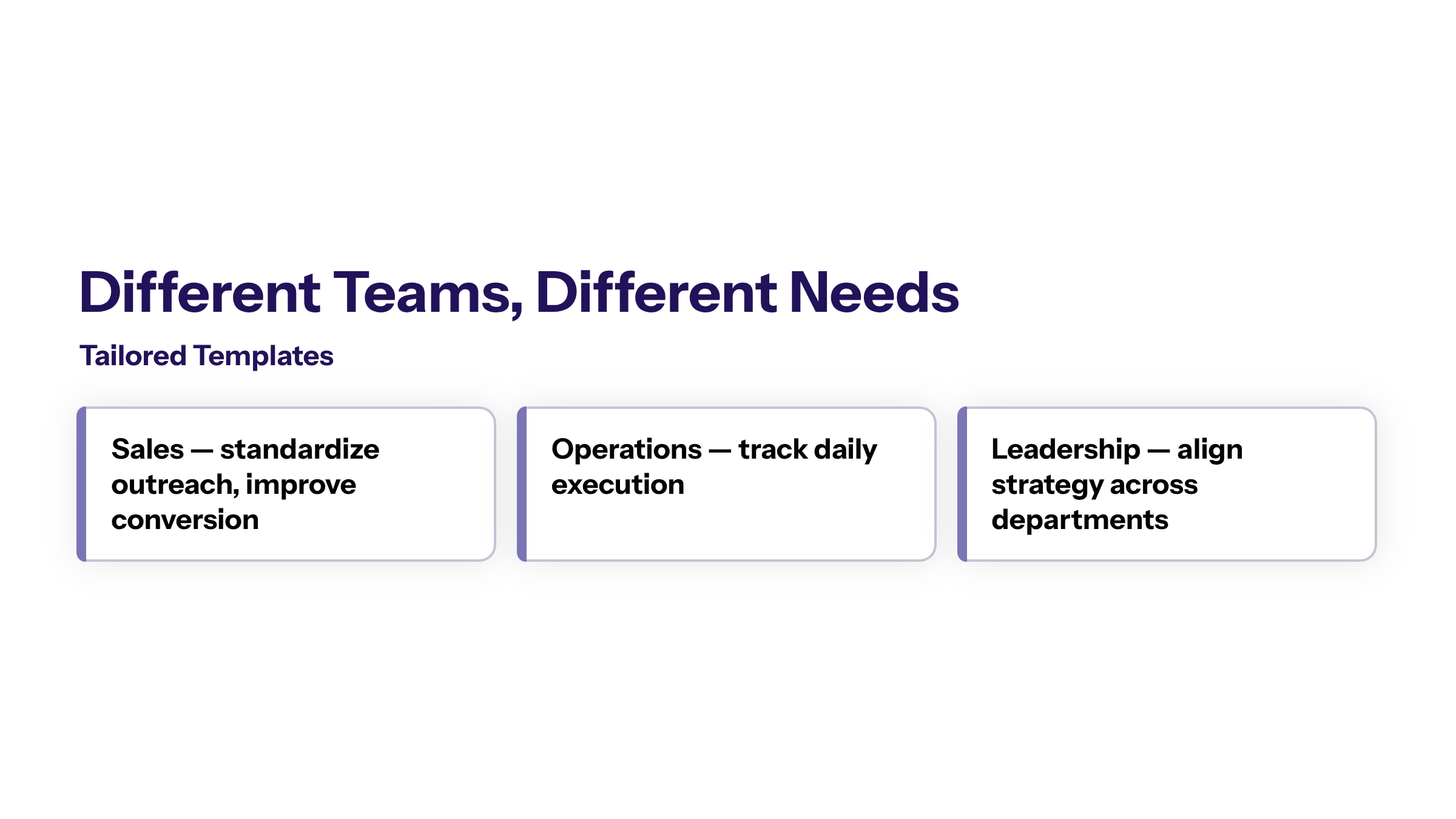
Different Teams
Different teams have unique requirements for execution cadence depending on their functions and objectives.
Sales Teams
Sales teams rely on sales cadence templates to manage outreach, follow-ups, and pipeline progression. These templates help standardize processes and improve conversion rates.
Operational Teams
Operational teams benefit from operational cadence templates that structure their meetings and workflows, ensuring clear expectations and efficient execution.
Cross-Functional Teams
Project teams spanning multiple departments require integrated cadence templates that facilitate communication and coordination across organizational boundaries.
“Tailoring cadence templates to team needs maximizes relevance and effectiveness.” — McKinsey & Company
Follow Ups
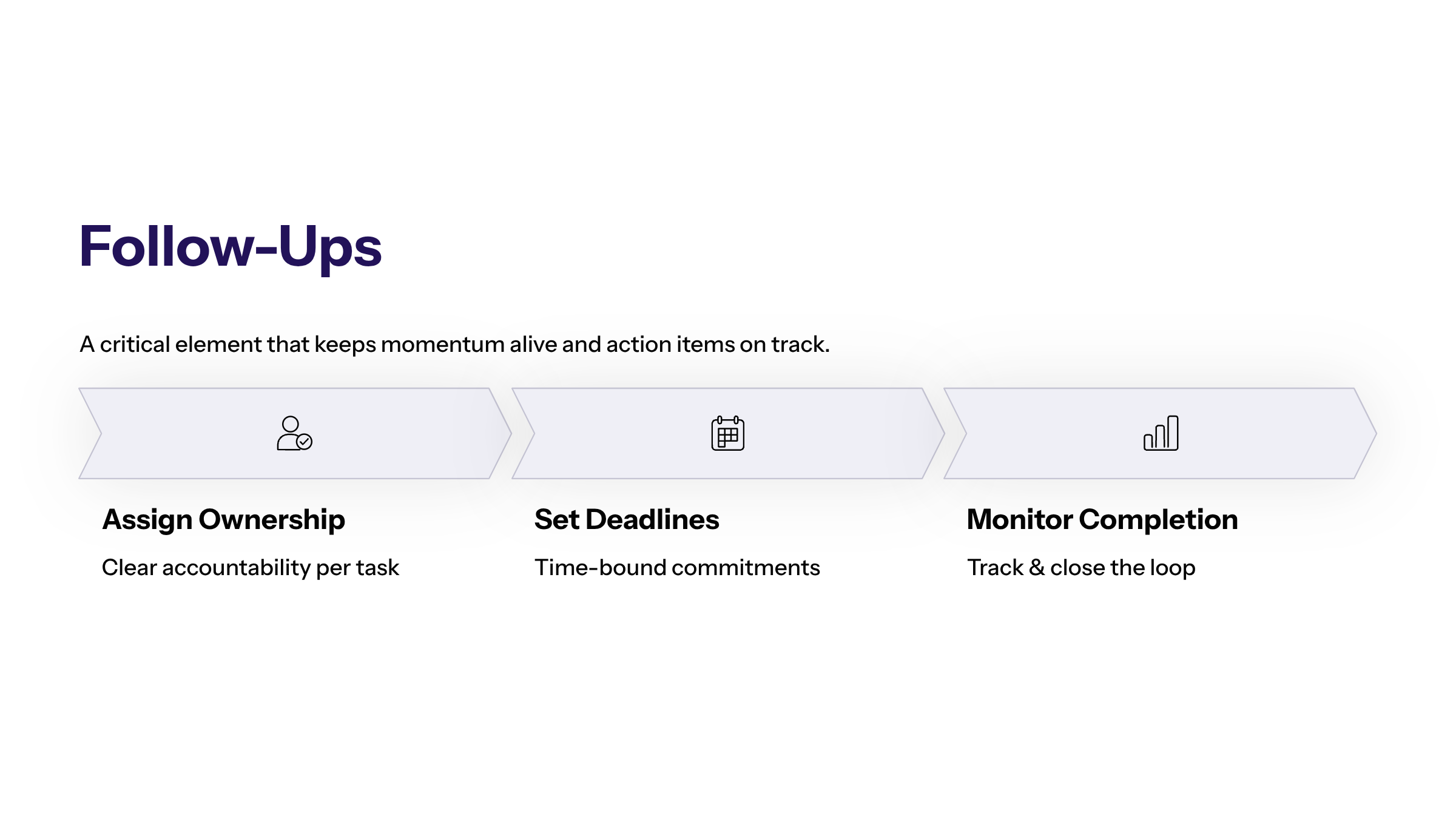
Follow-ups are a critical element of execution cadence, ensuring that action items are completed and progress is tracked.
Managing Follow-Up Activities
A structured approach to follow-ups includes assigning ownership, setting deadlines, and monitoring completion. This prevents tasks from falling through the cracks and maintains momentum.
Tools and Technologies
Modern collaboration platforms like Asana, Monday.com, and Microsoft Teams support follow-up management by providing visibility and automated reminders.
“Effective follow-ups close the loop on meetings and drive continuous improvement.” — Gartner
Cadence Template
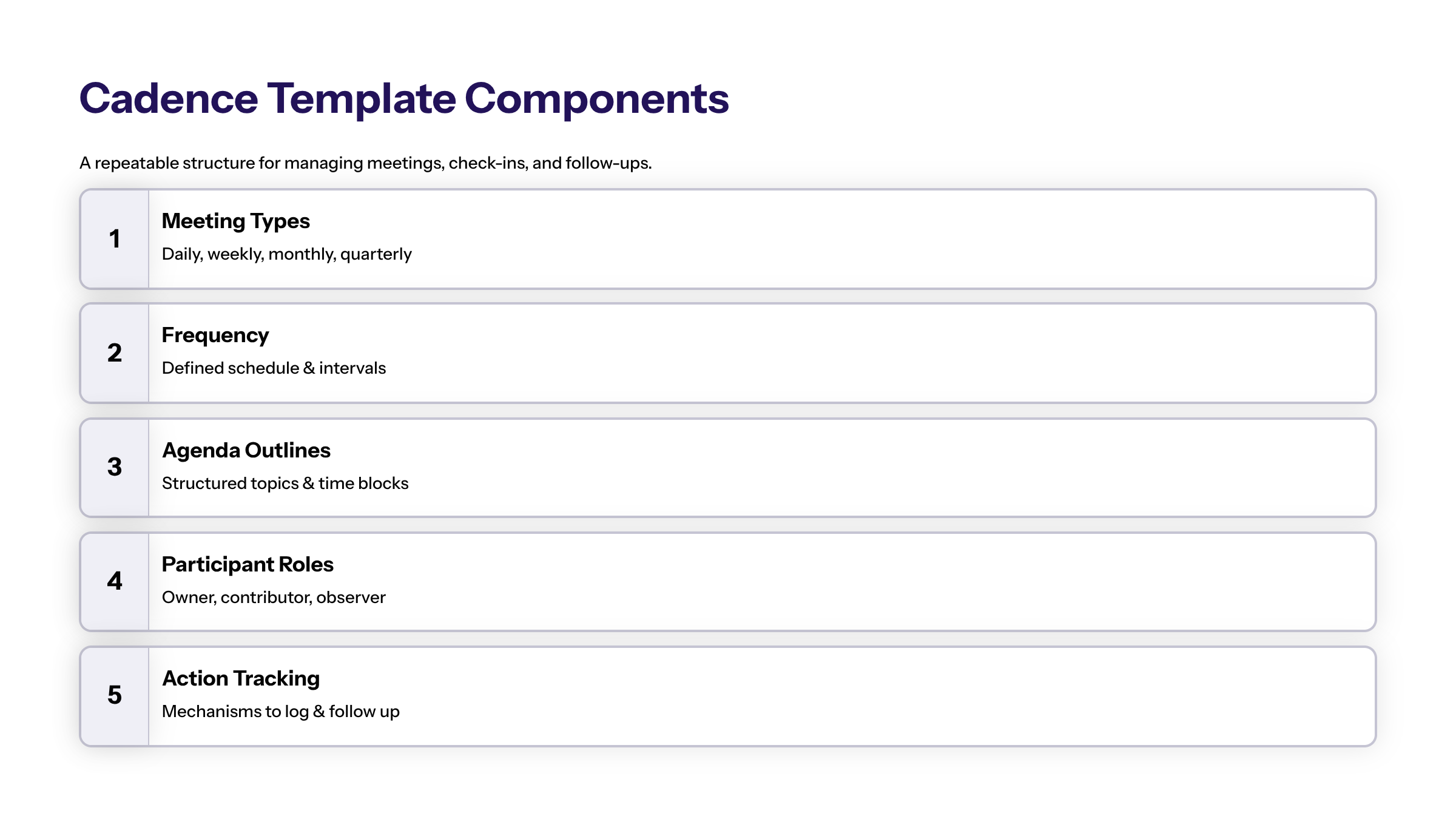
A cadence template is a practical tool that provides a repeatable structure for managing meetings, check-ins, and follow-ups.
Components of a Cadence Template
Typical components include meeting types, frequency, agenda outlines, participant roles, and mechanisms for tracking action items.
Element | Purpose |
|---|---|
Meeting Type | Defines the nature (strategic, operational) |
Frequency | Specifies how often meetings occur |
Agenda Outline | Guides discussion topics and time allocation |
Participant Roles | Clarifies responsibilities |
Action Item Tracking | Ensures accountability and follow-through |
Customizing Templates
Organizations should adapt cadence templates to their culture, size, and strategic priorities, avoiding a one-size-fits-all approach.
“A well-designed cadence template is a living document that evolves with the organization.” — Deloitte Insights
Decision Making
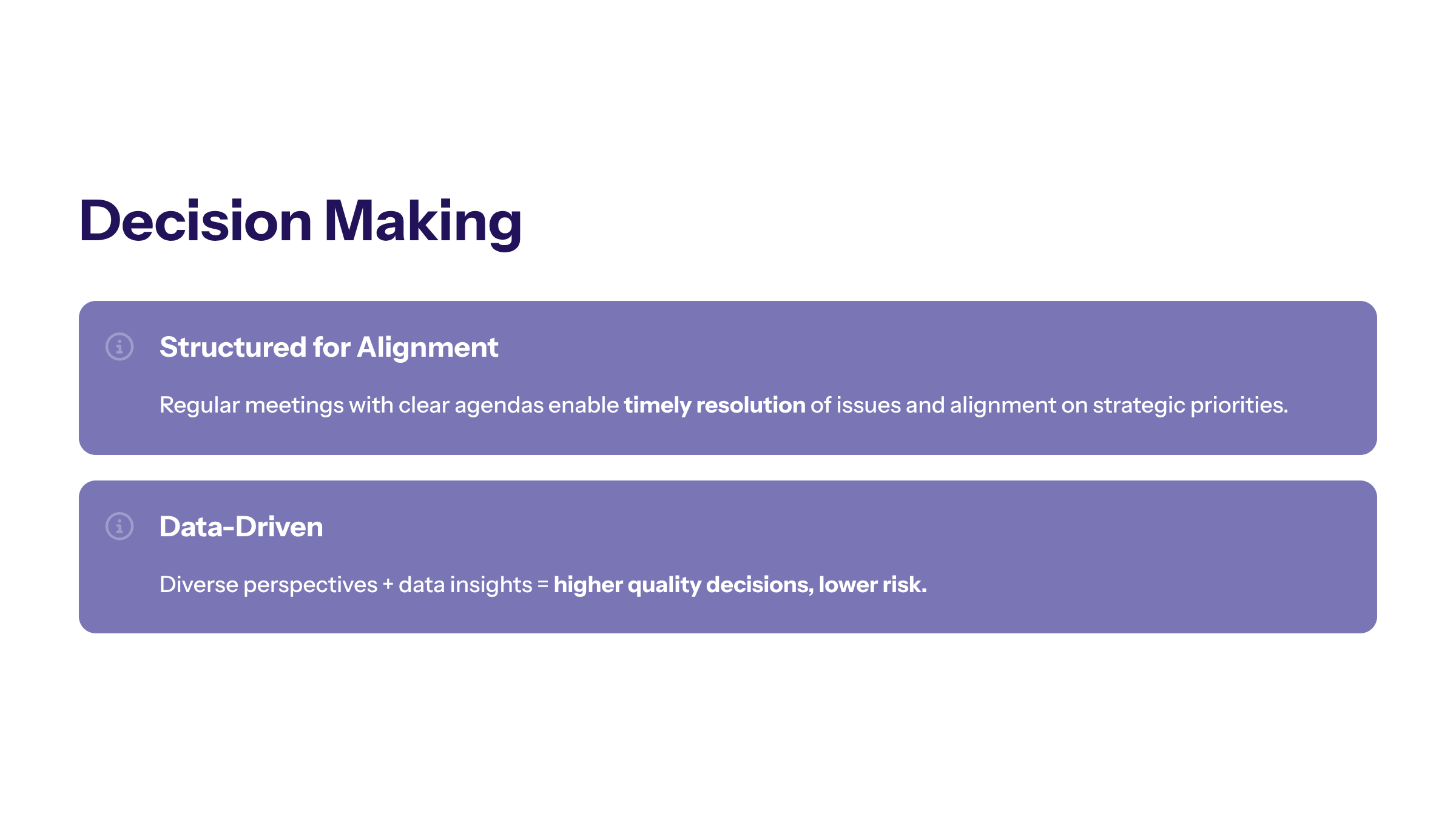
Decision making within an execution cadence framework is structured to ensure alignment and effectiveness.
Supporting Decision Making
Regular meetings with clear agenda items enable timely resolution of issues and alignment on strategic priorities.
Enhancing Decision Quality
Incorporating data-driven insights and diverse perspectives improves the quality of decisions and reduces risk.
“Structured decision-making processes embedded in cadence templates enhance organizational agility.” — Bain & Company
Sales Cadence Templates
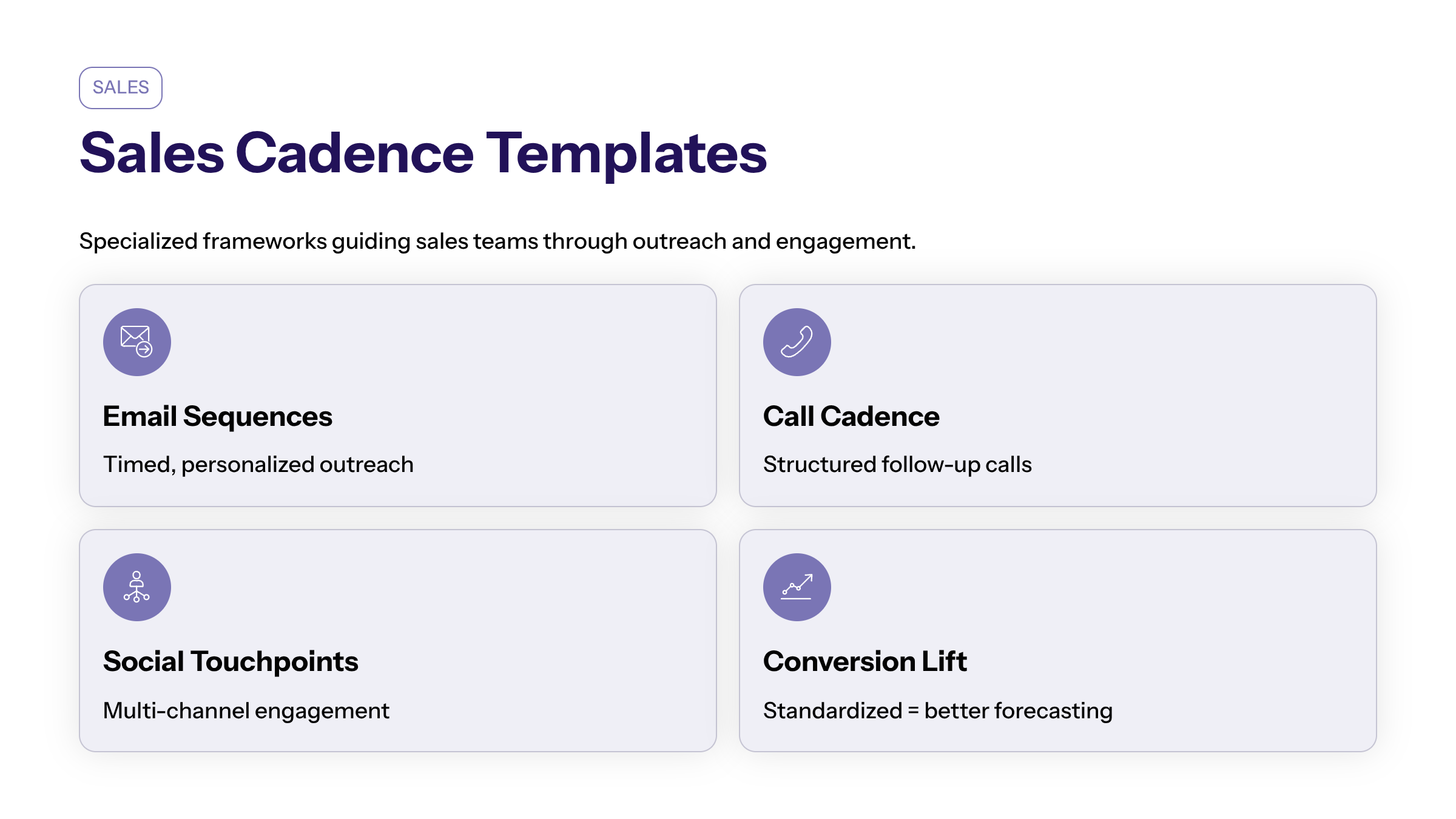
Sales cadence templates are specialized frameworks that guide sales teams through their outreach and engagement processes.
Structure and Benefits
These templates combine multi-channel touchpoints—emails, calls, social media—with appropriate timing and personalization to nurture leads effectively.
Driving Sales Effectiveness
By standardizing sales activities, cadence templates increase conversion rates and improve forecasting accuracy.
“Sales cadence templates are essential for scaling sales efforts and maintaining consistent customer engagement.” — Forrester Research
Common Pitfalls in Execution Cadence
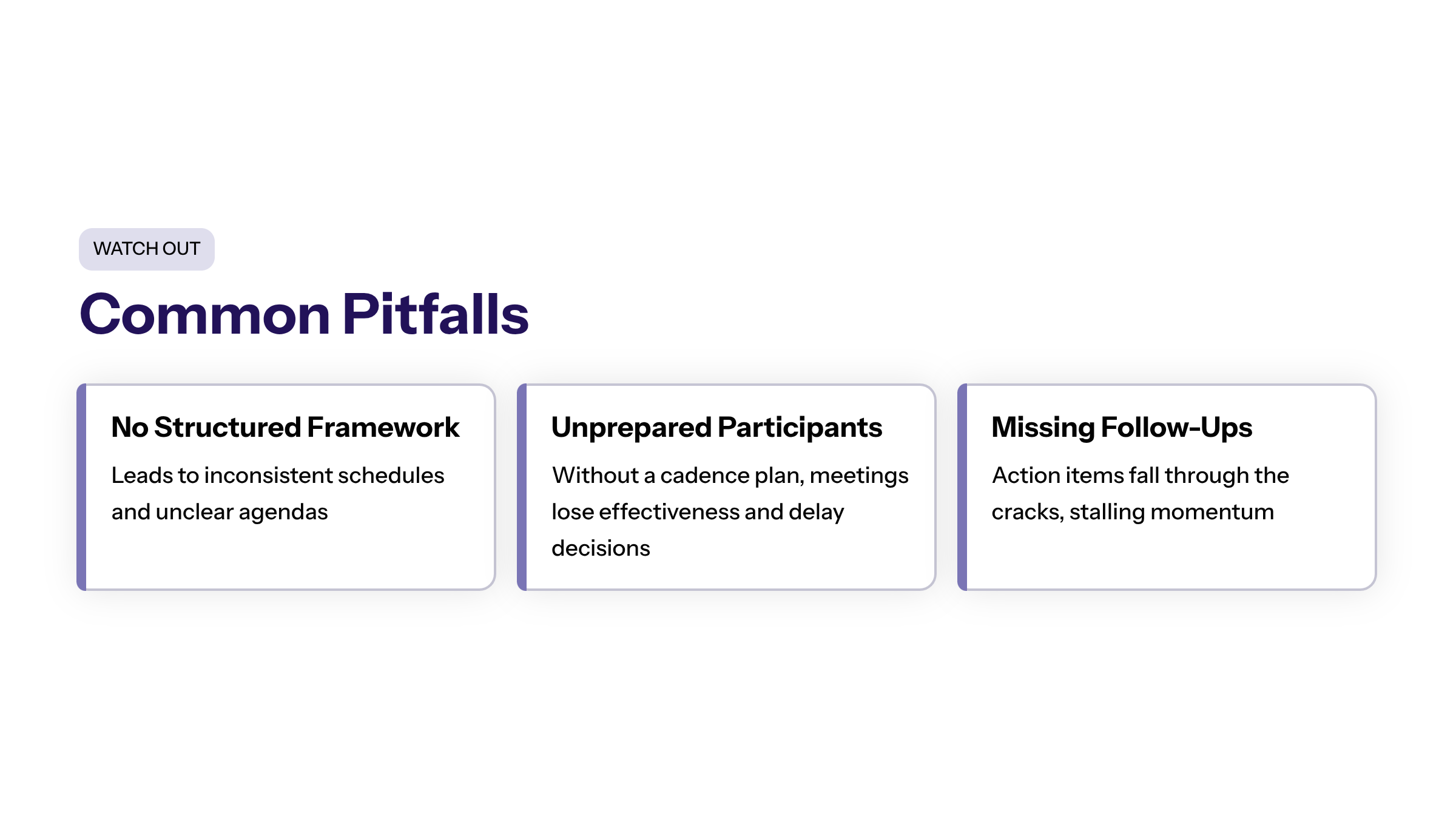
Despite the clear benefits, organizations often encounter common pitfalls when implementing execution cadence templates. One major pain point is the lack of a structured framework, which leads to inconsistent meeting schedules and unclear agendas. Without a meeting cadence plan, people may arrive unprepared, reducing the effectiveness of discussions and delaying key decisions.
Another frequent issue is overloading meetings with too many agenda items or participants, which dilutes focus and hampers decision-making.
Additionally, failing to balance urgency with patience can overwhelm teams, especially in sales cadence where touchpoints need to be thoughtfully spaced over two to four weeks. Ignoring asynchronous updates is another pitfall; relying solely on synchronous meetings can waste valuable time that could be better spent on high-value discussions. Recognizing these challenges early allows organizations to adapt their cadence and avoid stagnation.
Next Steps for Optimizing Execution Cadence
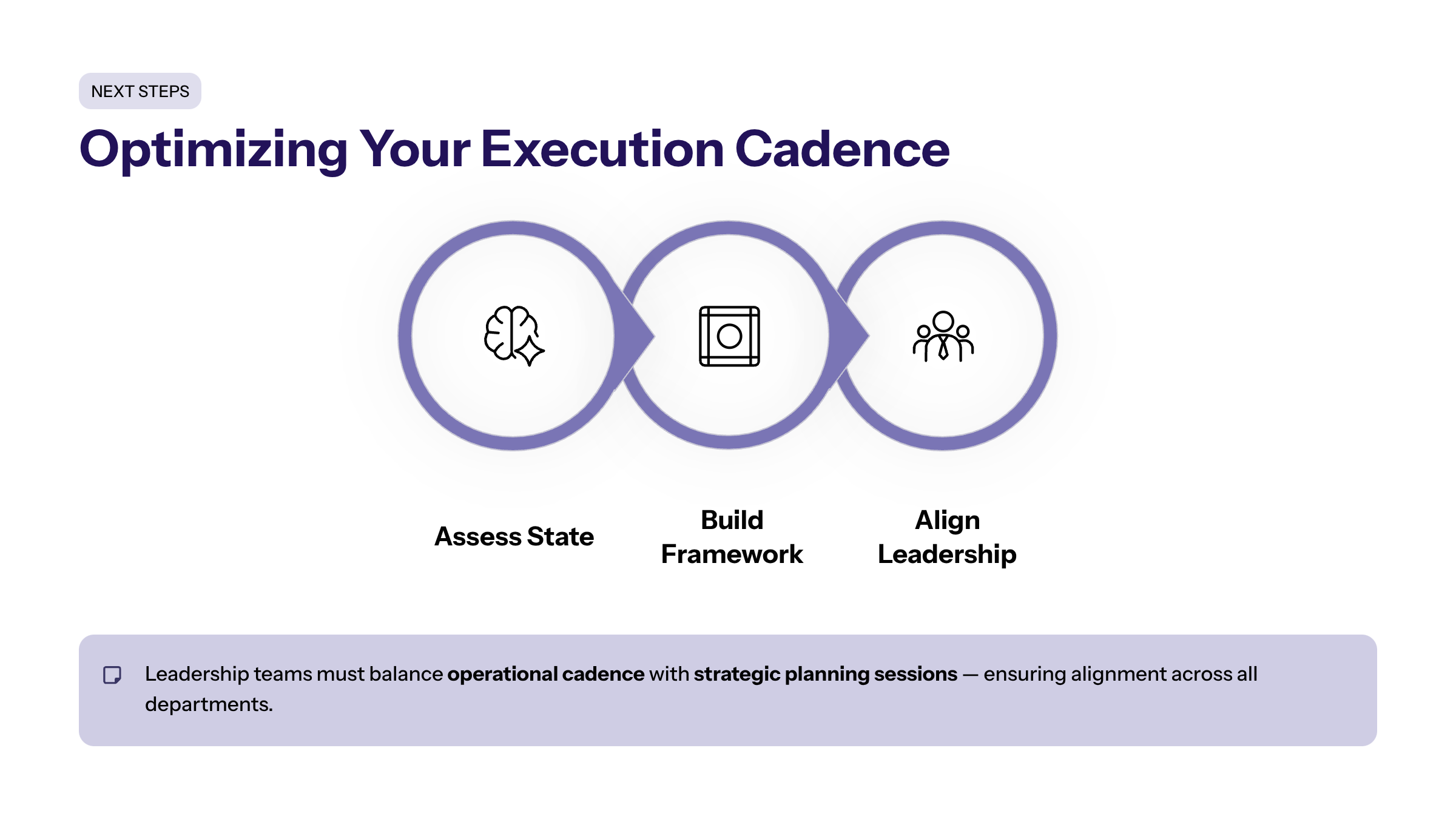
To move forward effectively, organizations should begin by assessing their current cadence against these common pain points. Implementing a structured framework that clearly defines meeting types, frequency, roles, and follow-up mechanisms is essential. Leadership teams must decide on a meeting schedule that balances operational cadence with strategic planning sessions, ensuring alignment across departments.
Incorporating asynchronous updates can free up meeting time for critical conversations, improving overall productivity. Sales teams should leverage well-defined sales cadence templates that standardize outreach while allowing personalization to boost conversion rates. For high-risk projects, adopting shorter, more frequent cadences like daily stand-ups or weekly sprints can maintain momentum.
Finally, continuous improvement should be embedded in the cadence process, with regular reviews to decide if adjustments are needed. By following these next steps, organizations can create a dynamic execution cadence that drives accountability, accelerates decision-making, and adapts swiftly to evolving market conditions.