Mastering Transformation Budgeting for Successful Digital Initiatives
Digital transformation has become a critical imperative for organizations seeking to maintain competitiveness and drive growth in an increasingly digital economy. Businesses use transformation budgeting to strategically allocate resources for digital transformation goals, ensuring that every investment supports their long-term vision.
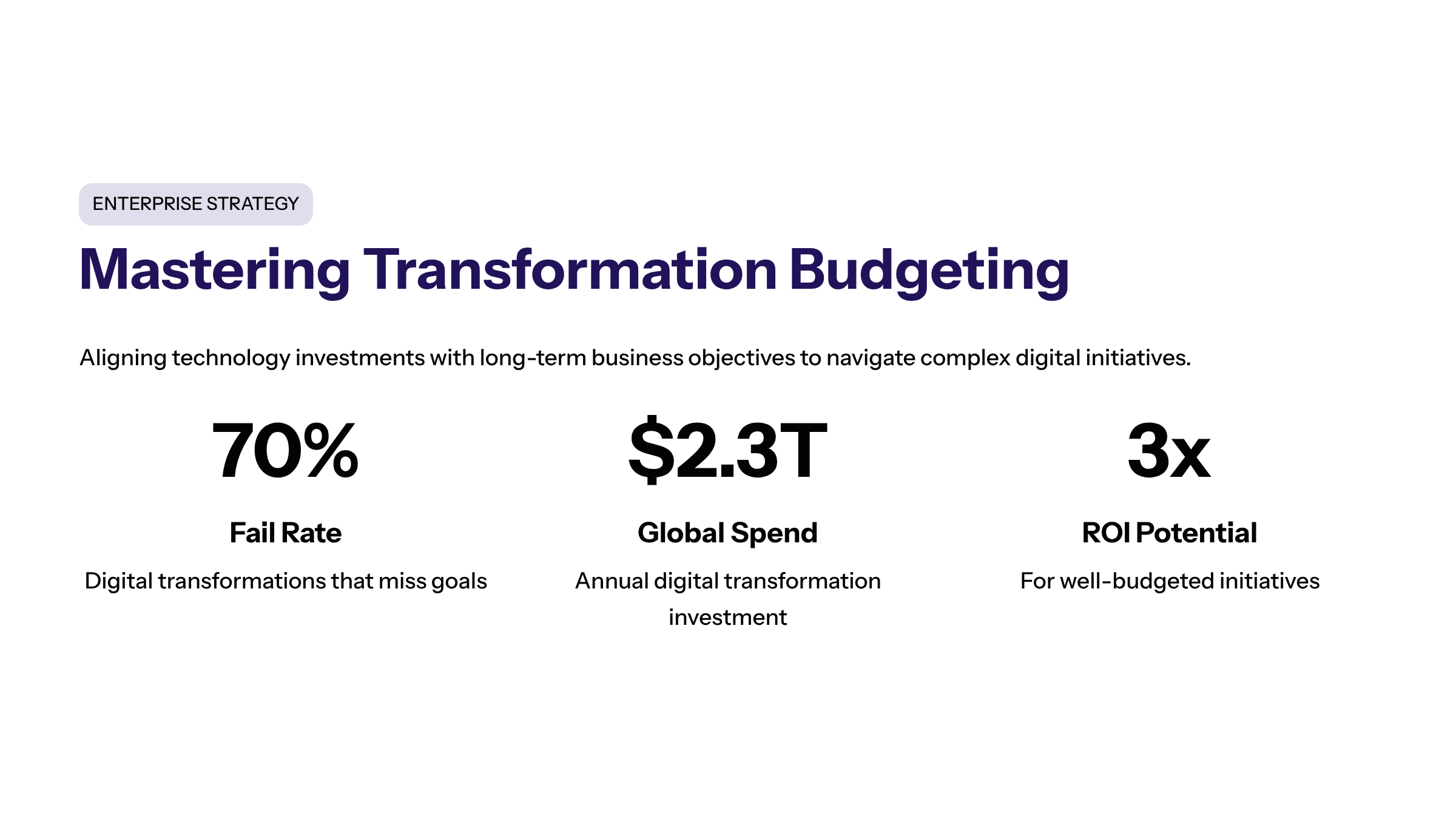
At the heart of this evolution lies transformation budgeting—a strategic process that ensures technology investments align with broader business objectives, enabling companies to navigate complex digital initiatives effectively. A well-structured digital transformation budget plays a pivotal role in guiding the digital transformation journey, helping organizations plan, prioritize, and fund projects that drive innovation and operational excellence.
Transformation budgeting aligns an organization’s resources with its long-term transformative goals, and strategic alignment ensures every dollar is tied directly to high-level corporate goals and transformation milestones.
This article offers an in-depth analysis of transformation budgeting, exploring its essential role in planning, executing, and sustaining successful digital transformation projects. We examine how organizations can leverage budgeting to optimize resource allocation, manage change, and maximize return on investment while maintaining agility in a rapidly shifting technological landscape.
Every line item in the transformation budget must directly support a core business objective to ensure focus on challenges that drive value creation.
Key Takeaways
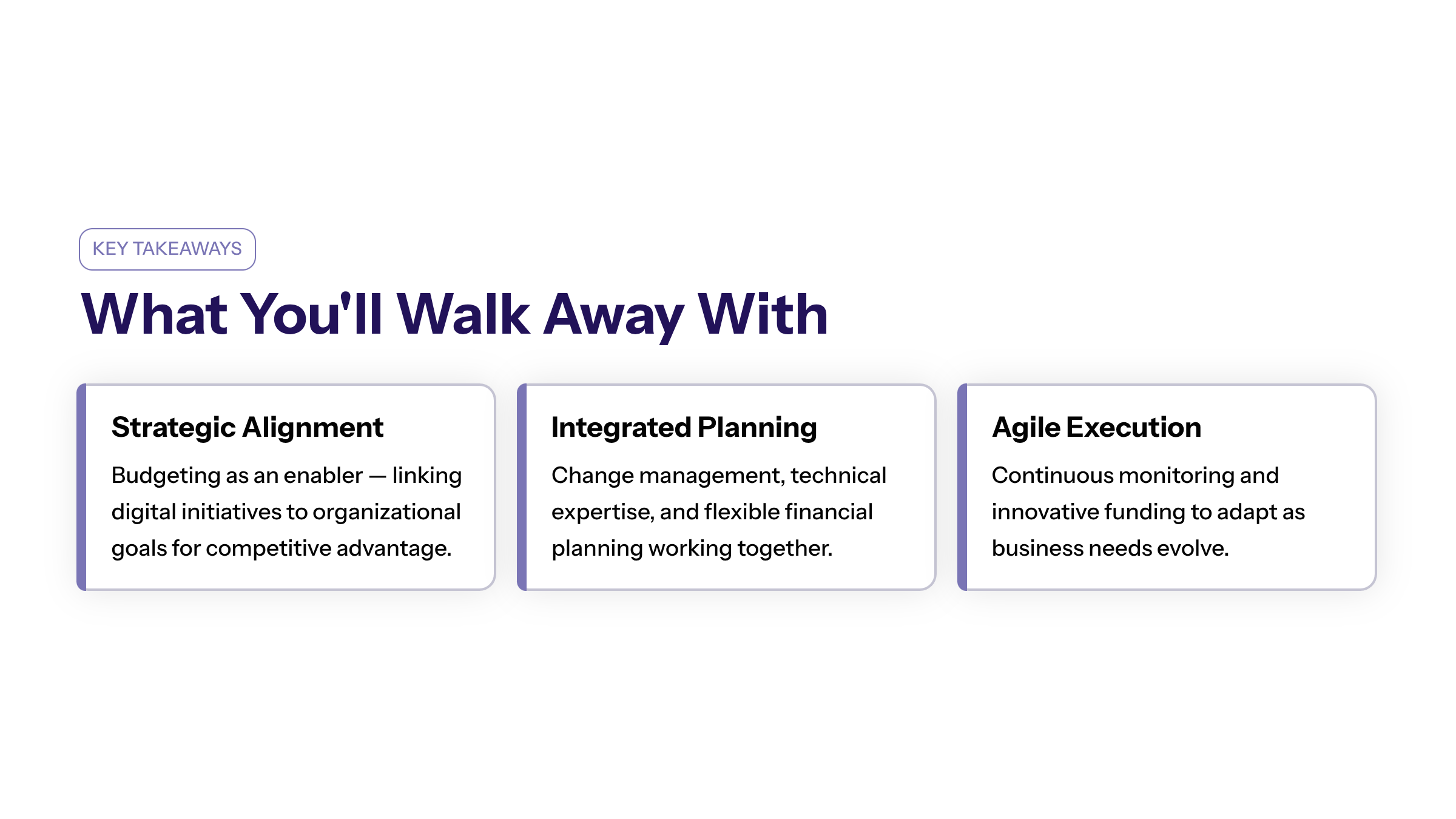
Transformation budgeting is a strategic enabler that aligns digital transformation initiatives with organizational goals, ensuring investments deliver significant impact and competitive advantage.
Effective budgeting requires integrating change management, technical expertise, and flexible financial planning to support both technology adoption and cultural shifts within organizations.
Continuous monitoring, innovative funding approaches, and agility in budgeting processes are crucial for adapting to evolving business needs and technological advancements.

Introduction to Digital Transformation
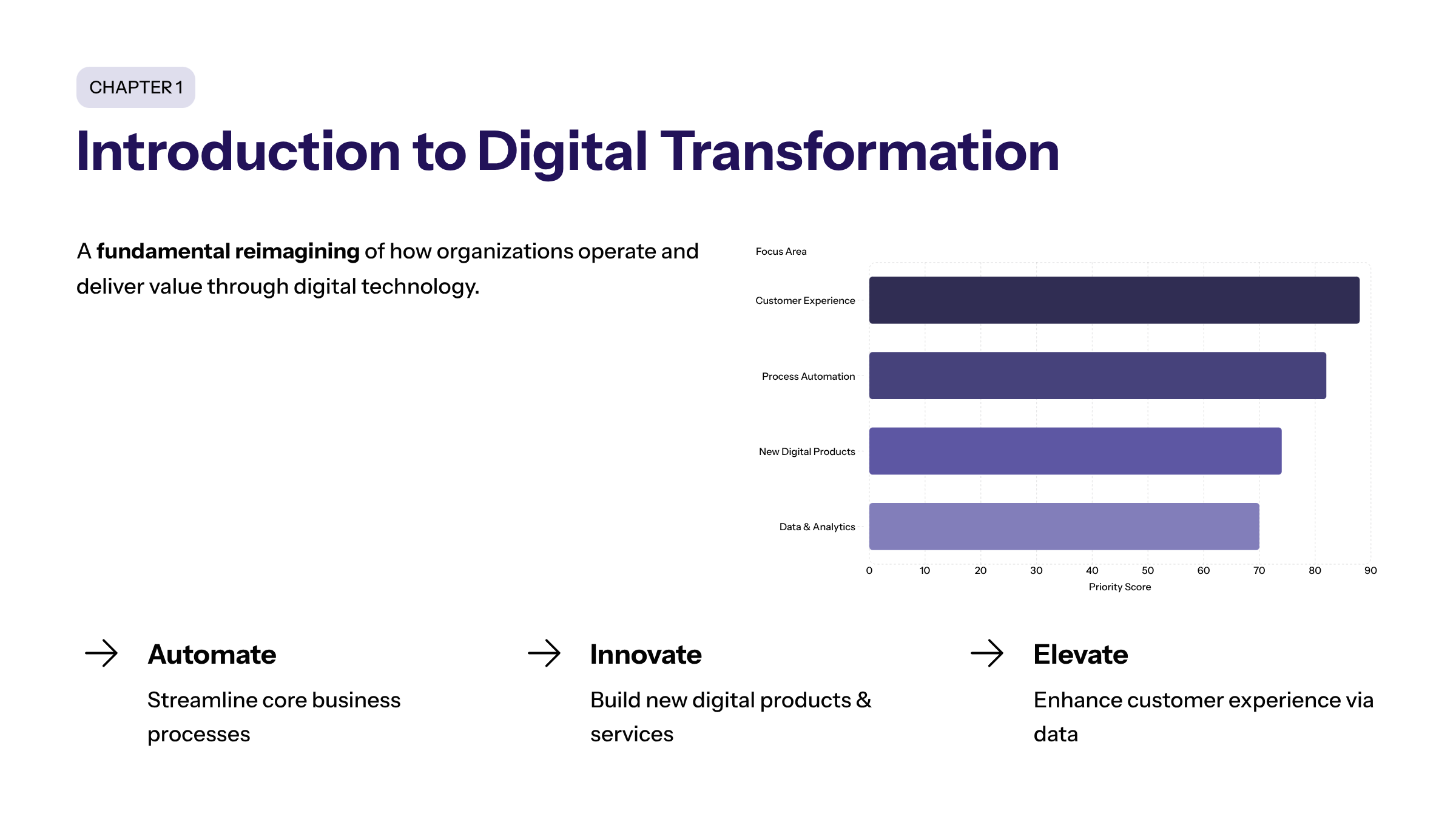
Digital transformation represents a fundamental reimagining of how organizations operate and deliver value through the adoption of digital technologies. It encompasses automating business processes, developing new digital products and services, and enhancing customer experience via data-driven insights. Digital transformation initiatives are also designed to improve customer interaction and meet the evolving needs of customers, ensuring that every touchpoint delivers a seamless and engaging experience. Leading companies such as Unilever, LEGO, and Starbucks have demonstrated that successful digital transformation drives revenue growth, operational efficiency, and improved customer satisfaction.
The Strategic Importance of Digital Transformation
In the context of global competition and accelerating technological change, digital transformation is no longer optional but essential for survival and growth. To remain competitive, businesses must plan and implement a comprehensive digital transformation strategy that guides their investments and ensures alignment with long-term business goals. According to IDC, global spending on digital transformation is projected to reach nearly $3.9 trillion by 2027, reflecting the scale and urgency of this trend.
However, realizing the benefits of digital transformation requires more than adopting new technologies—it demands a clear strategy, aligned investments, and robust execution frameworks. Aligning budgets directly with strategic objectives as part of your plan can lead to higher ROI, potentially up to 20% higher returns.
The Role of Transformation Budgeting
Transformation budgeting bridges the gap between strategic vision and operational execution. The digital transformation process requires careful planning and strategic digital investments to ensure resources are prioritized and allocated effectively for maximum impact. It involves allocating financial resources to digital initiatives that support strategic goals such as improving customer experience, increasing operational agility, and driving innovation. Unlike traditional budgeting, which often focuses on incremental cost control, transformation budgeting emphasizes value creation, agility, and alignment with long-term business outcomes. Transformation budgeting rarely relies on incremental year-over-year increases and instead focuses on high-impact initiatives that fundamentally change how organizations create value.
Understanding Digital Transformation Initiatives
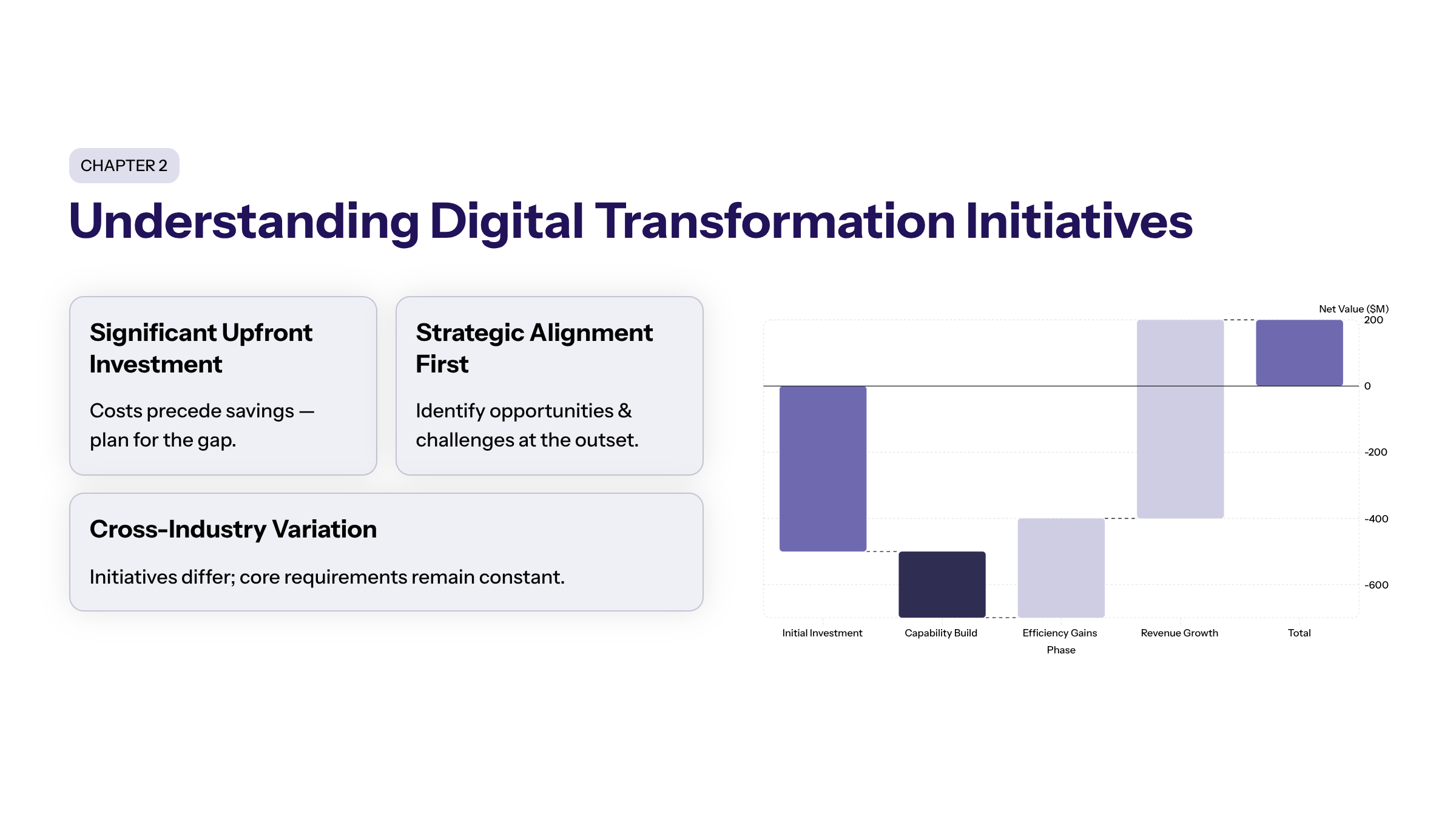
Digital transformation initiatives vary widely across industries and organizational contexts but share common characteristics: they require significant investment in digital capabilities, innovative technologies, and organizational change. At the outset of the transformation journey, it is essential to identify key opportunities and challenges to ensure strategic alignment and effective resource allocation. Digital transformation initiatives often require significant investment before realizing cost savings or productivity improvements.
Aligning Initiatives with Strategic Goals
Effective transformation budgeting begins with identifying strategic initiatives that offer the highest potential impact. Clearly defining digital transformation goals and developing a comprehensive transformation strategy are essential steps to ensure that investments are aligned with the broader business objectives and that progress can be effectively monitored. These initiatives may include implementing artificial intelligence (AI) and machine learning (ML) solutions, modernizing legacy systems, deploying cloud-native architectures, or enhancing customer data platforms (CDPs) for personalization. Identifying the ‘North Star’—the main strategic initiatives—is crucial for defining clear strategic goals in transformation budgeting.
Organizations must prioritize initiatives that align with their unique business models and market demands. For example, financial services firms might focus on AI-driven fraud detection and automation, while retail companies prioritize omnichannel customer engagement platforms.
Digital Capabilities and Technology Investments
Successful digital transformation depends on leveraging advanced digital technologies such as natural language processing (NLP), AI, and machine learning. These technologies enable organizations to reduce errors, save time, and deliver personalized services at scale. Equally important is having the ability to adapt, innovate, and leverage data, as these skills empower organizations to develop digital products rapidly and make informed decisions throughout the transformation process.
Investing in the right tools and building deep technical expertise are essential components of transformation budgeting. Companies must evaluate their existing technology stacks to determine where further investment is needed, particularly in upgrading or replacing legacy systems that hinder agility. When planning the transformation budget, it is also crucial to consider the potential need for additional software to address new security requirements or emerging demands.
Digital Transformation Projects and Budgeting
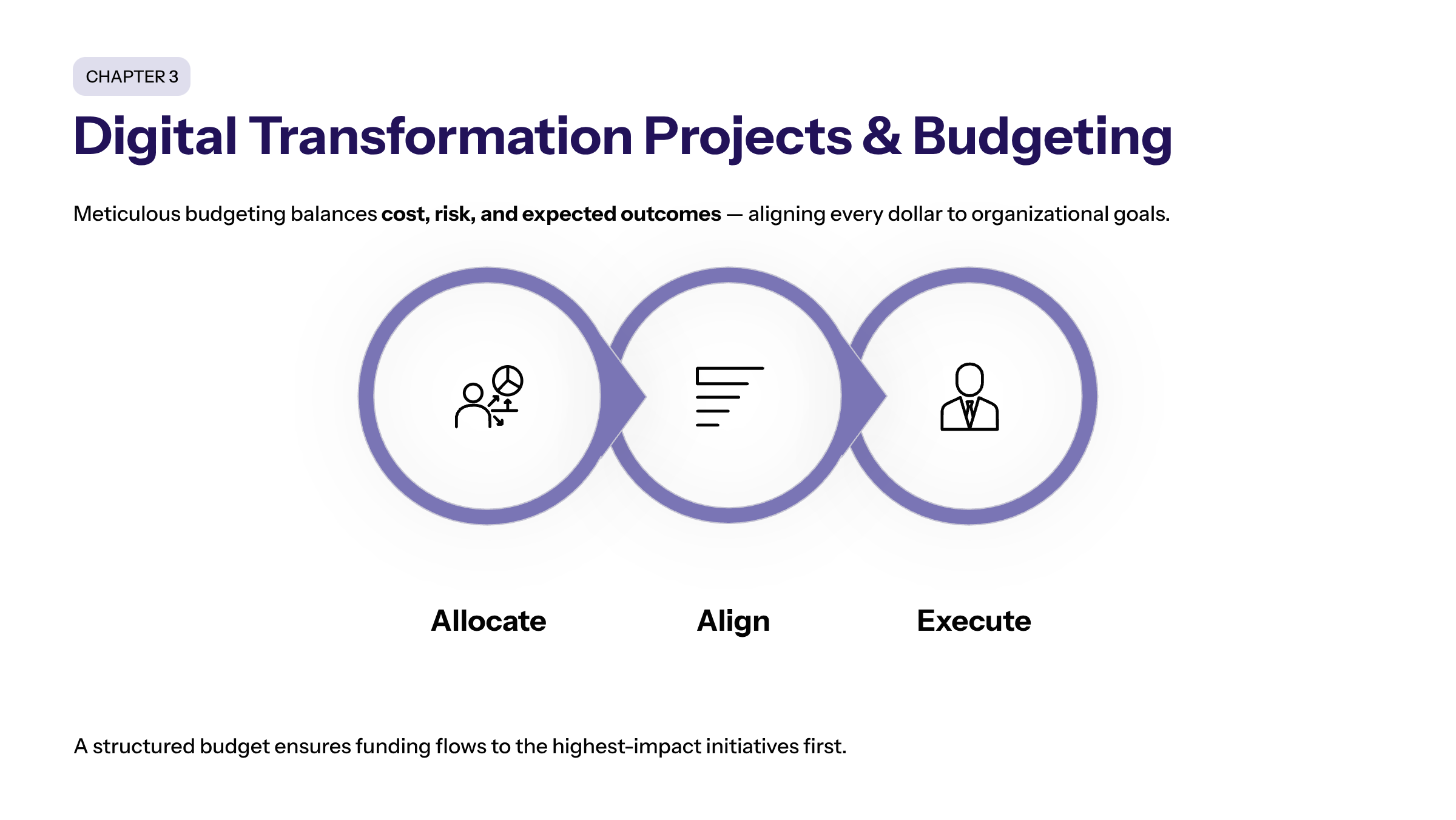
Digital transformation projects require meticulous budgeting to balance cost, risk, and expected outcomes. A digital transformation budget is essential for strategically allocating financial resources, supporting innovative projects, and ensuring that funding aligns with organizational goals. This section explores the budgeting process and key considerations for aligning investments with business strategy. Transformation budgeting often uses Zero-Based Budgeting (ZBB) to build budgets from scratch, ensuring every dollar is allocated to initiatives that drive significant growth or operational change.
Budgeting Process Overview
The budgeting process for digital transformation involves several steps. Developing a comprehensive plan for digital investments is essential to ensure strategic allocation of resources and alignment with business objectives.
Identifying Costs: Including software acquisition, infrastructure upgrades, employee training, and integration efforts.
Evaluating ROI: Assessing potential cost savings, revenue growth, and competitive advantage.
Allocating Resources: Prioritizing digital investments based on strategic goals and project risk.
Maintaining Flexibility: Allowing budgets to adapt to changing technology landscapes and business priorities.
Rolling forecasts update projections monthly or quarterly to respond to market shifts, making them more adaptable than traditional annual cycles.
Typical Cost Components in Digital Transformation Budgeting
Cost Component | Description | Impact on Transformation |
|---|---|---|
Software Acquisition | Licensing fees for new platforms and tools | Enables new capabilities |
Additional Software | Licensing or development costs for new applications required to meet emerging security or operational demands | Addresses new requirements and supports evolving transformation needs. |
Infrastructure Upgrades | Hardware and cloud services to support digital workloads | Foundation for scalability |
Employee Training | Upskilling staff on new technologies and processes | Facilitates adoption and usage |
Change Management | Programs to support cultural shifts and user adoption | Critical for sustained success |
Consulting and Support | External expertise and technical support | Enhances implementation quality |
“Organizations that invest 10-15% of their project budget in change management are significantly more likely to achieve their desired outcomes.” — Prosci Change Management Research
Budgeting Process and Change Management
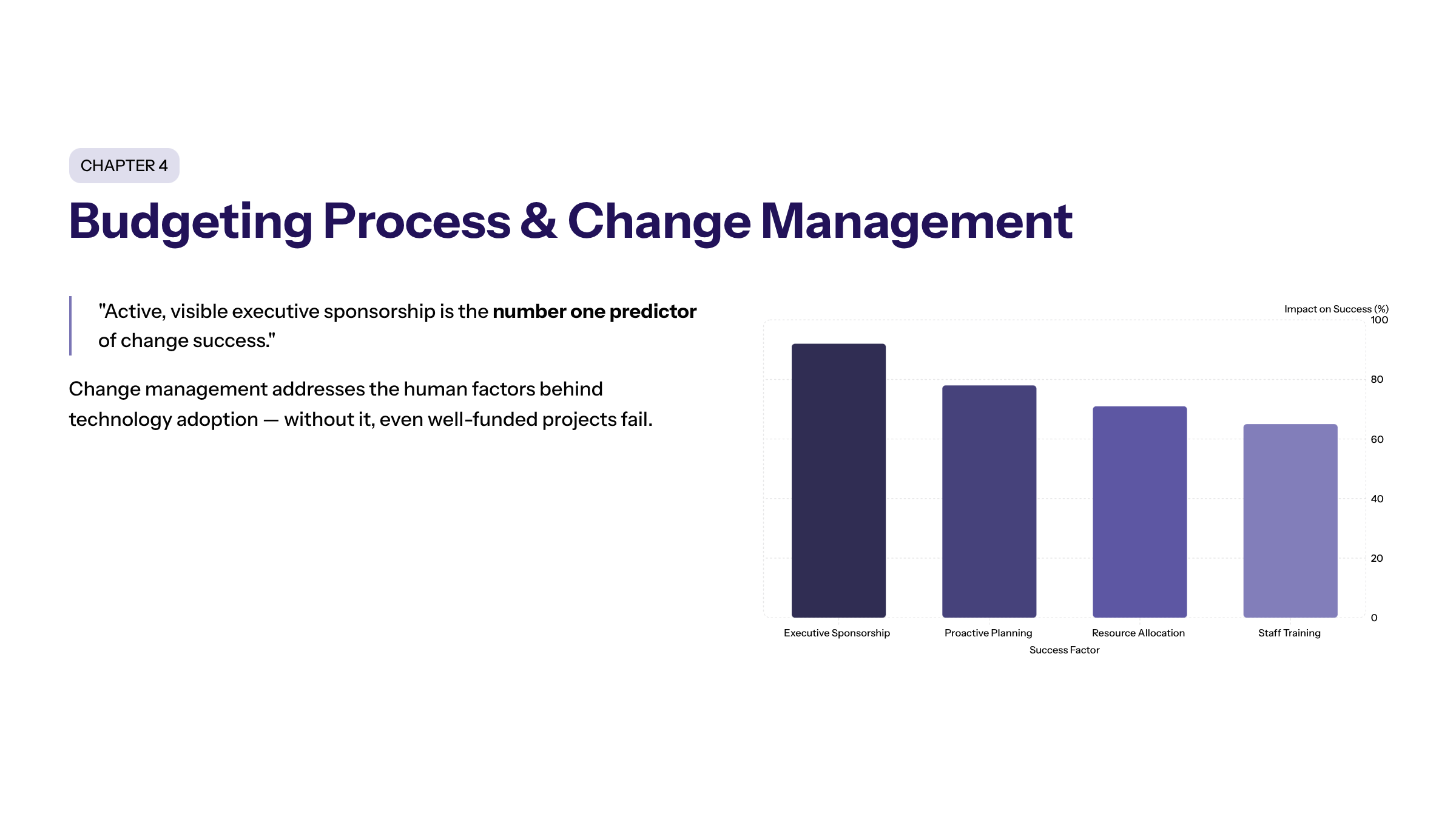
Change management is a pivotal element in transformation budgeting, addressing the human factors that influence technology adoption and project success. Proactive planning and resource allocation are essential to ensure success in transformation budgeting. Active, visible executive sponsorship is the number one predictor of change success.
Importance of Change Management
Technology and processes alone do not guarantee transformation success. Leaders must actively engage employees, foster a culture receptive to change, and provide continuous training and support. Building the ability within the organization to adapt, innovate, and leverage new tools is essential for thriving during digital transformation. Neglecting the people side of change often results in underutilized technology and failed initiatives.
Integrating Change Management into Budgeting
Allocating sufficient resources for change management activities—such as communication campaigns, training sessions, and executive sponsorship—ensures smoother transitions and faster realization of benefits. It is essential to plan these activities carefully as part of your transformation budgeting to maximize their effectiveness and align them with overall business objectives. For instance, AI adoption initiatives benefit from dedicated change management budgets to overcome resistance and build data-driven cultures.
Building a Business Case for Digital Transformation
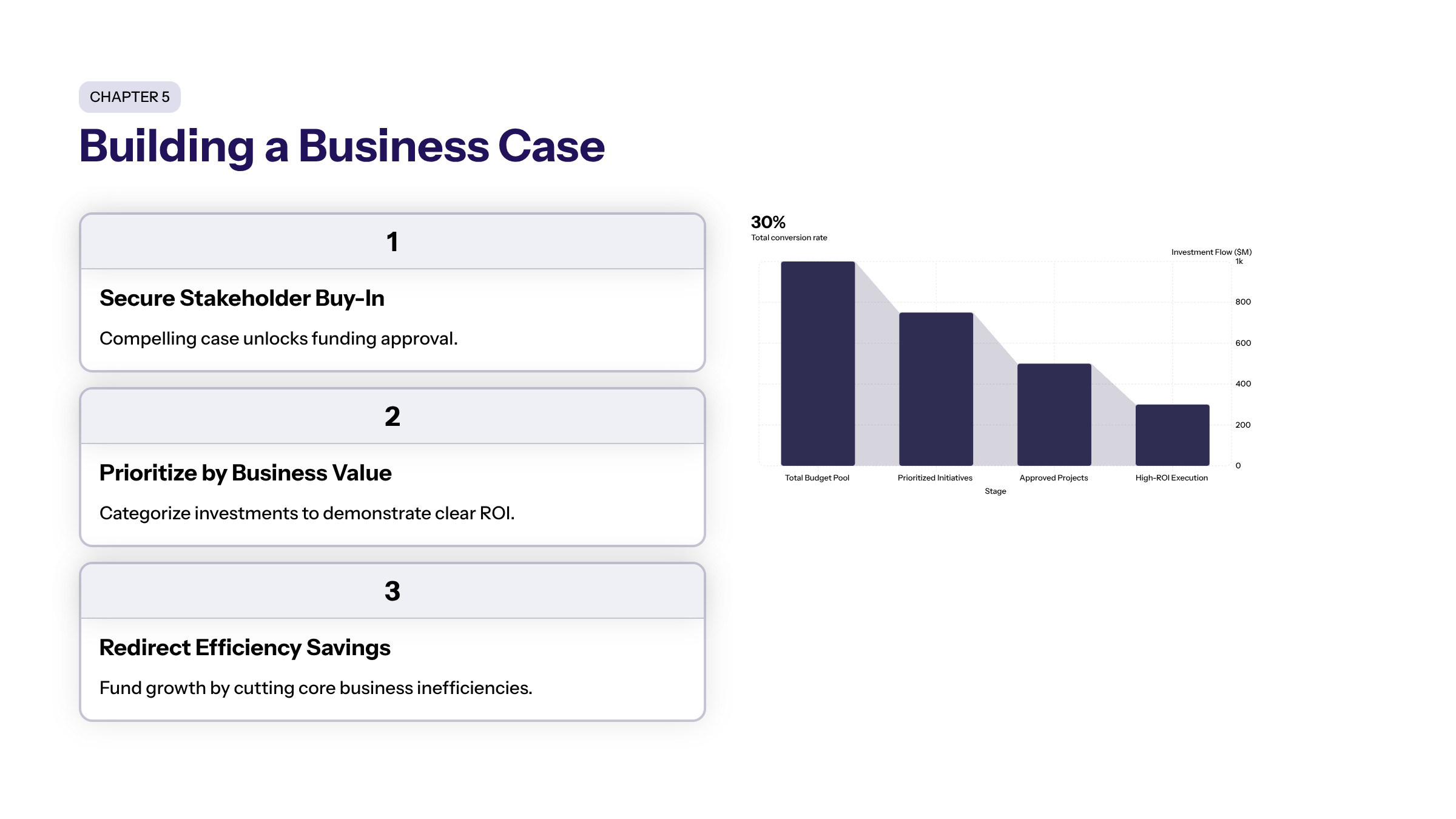
A compelling business case is essential to secure funding and stakeholder buy-in for digital transformation projects. Digital investments should be prioritized and categorized to maximize business value, ensuring that resources are allocated strategically and that ROI can be clearly demonstrated to stakeholders.
Funding for growth often involves redirecting savings from cutting inefficiencies in the core business into high-growth innovation initiatives.
Components of a Strong Business Case
Clear Objectives: Define how the initiative supports strategic goals like revenue growth or operational efficiency.
Quantifiable Benefits: Include metrics such as cost savings, customer satisfaction improvements, and productivity gains.
Risk Assessment: Identify potential risks and mitigation strategies, addressing challenges such as financial risks and disruption to existing processes.
Investment Requirements: Detail budget needs, including technology, personnel, and change management costs.
Real-World Example
Unilever’s digital transformation business case emphasized customer experience enhancements through AI-powered personalization, projecting a 15% increase in customer retention and a 10% reduction in operational costs within two years. This clear roadmap helped secure multi-million-dollar funding and executive support.
Leveraging Technology for Digital Transformation
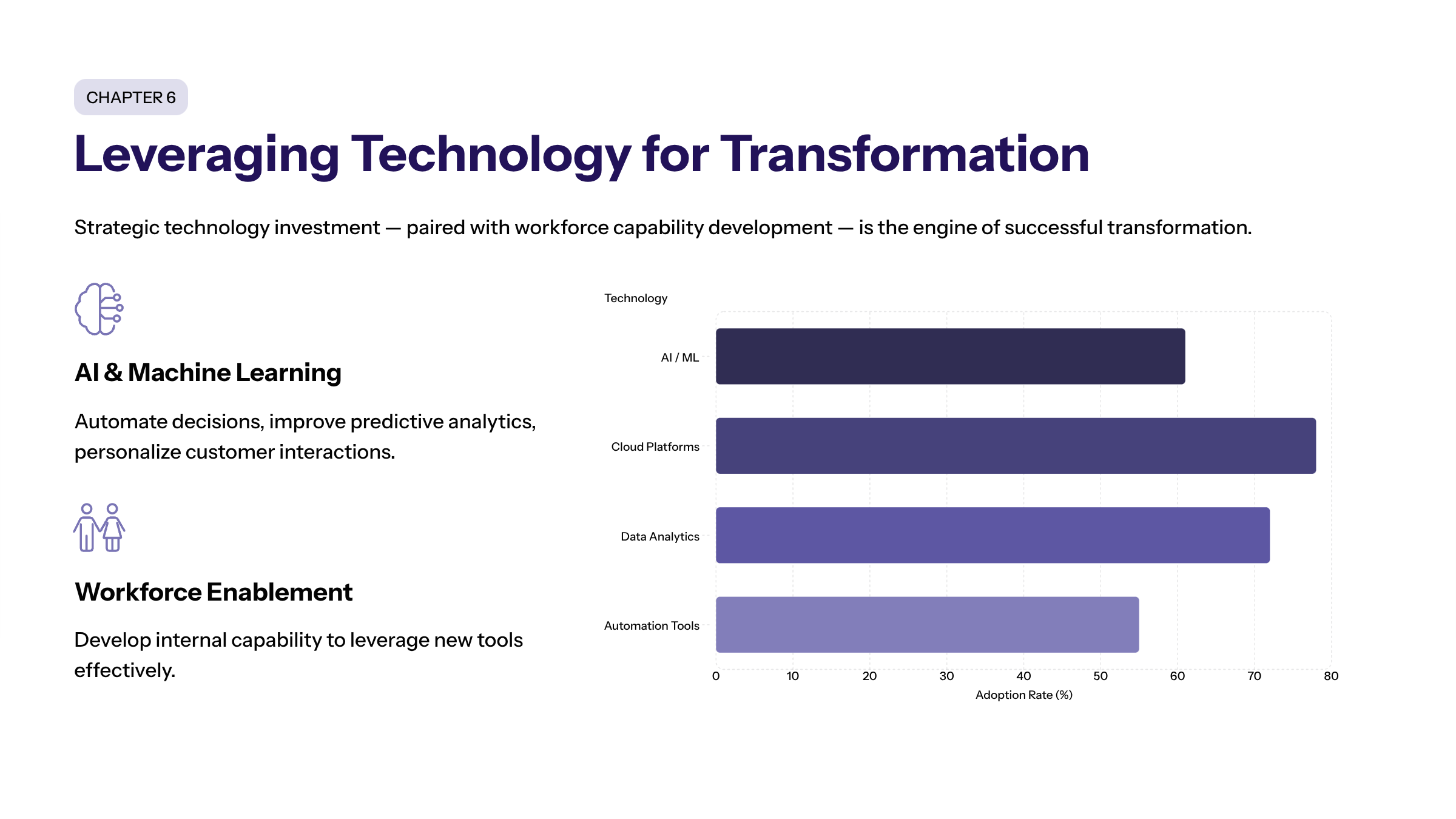
Technology investments must be strategically planned and executed to maximize their impact on business outcomes. Adopting new technology and developing the ability within the workforce to leverage these tools effectively are essential for successful transformation budgeting.
Key Technologies
Artificial Intelligence and Machine Learning: Automate decision-making, improve predictive analytics, and personalize customer interactions by optimizing customer interaction points throughout the customer journey.
Natural Language Processing: Enhance customer service through chatbots and voice assistants.
Cloud Computing: Provide scalable infrastructure and enable rapid deployment of digital solutions.
Legacy System Modernization: Transition from outdated systems to flexible, cloud-native architectures to improve agility.
Ensuring Technical Success
Deep technical expertise is crucial for implementing complex technologies. Organizations often partner with technology firms and consultants specializing in AI and cloud solutions to ensure smooth integration and performance. The ability to integrate and manage complex digital solutions is critical for technical success.
Innovative Approaches to Digital Transformation
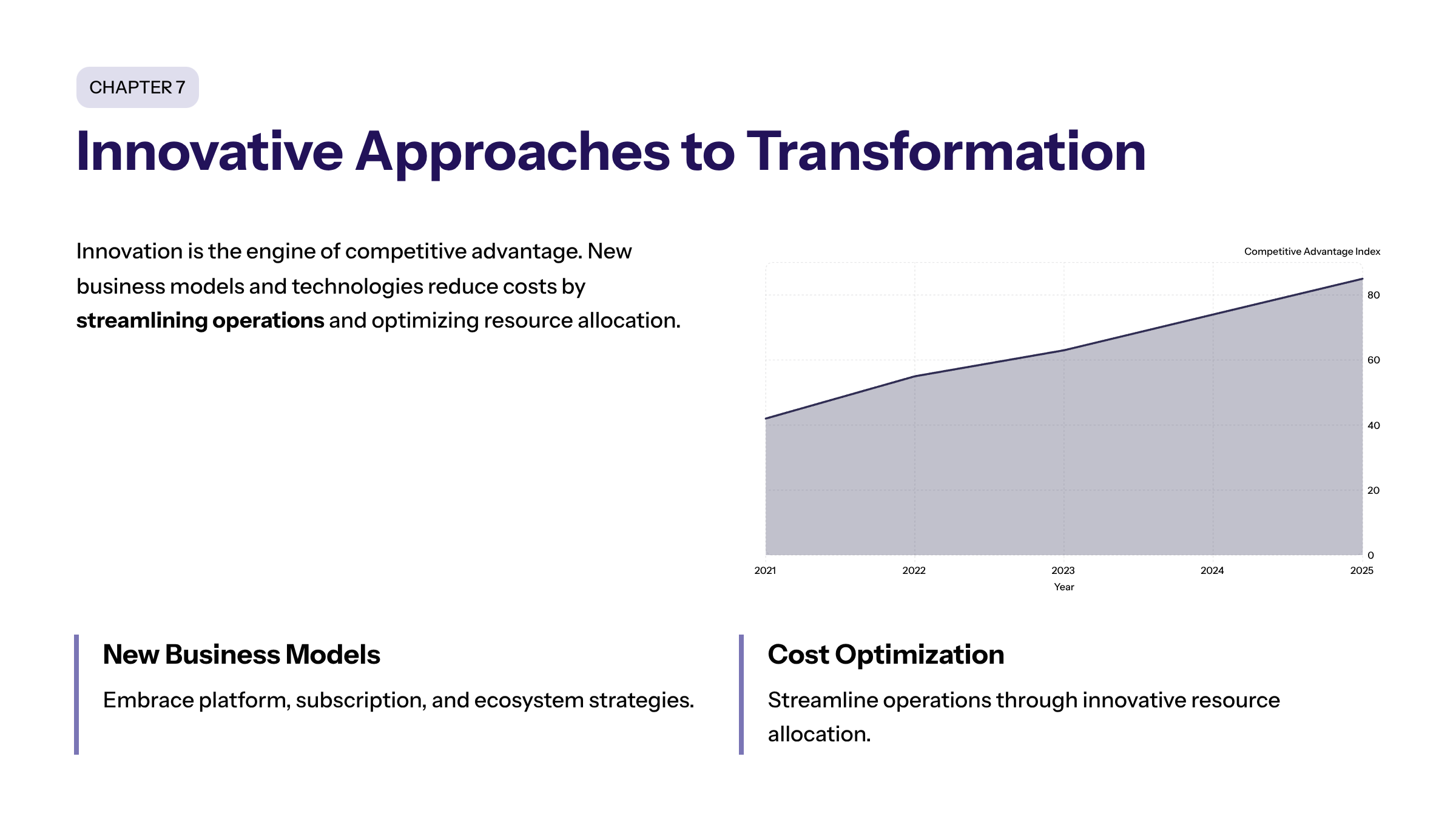
Innovation drives competitive advantage in digital transformation. Organizations must embrace new business models and technologies to stay ahead. Innovative approaches are essential for long term success, as they help organizations reduce costs by streamlining operations and optimizing resource allocation.
Experimentation and Pilot Projects
Starting with pilot projects allows firms to test new technologies and approaches with lower risk. Successful pilots provide data to justify further investment and scale.
Funding Innovation
Innovative budgeting approaches include portfolio funding, where resources are allocated across multiple initiatives to balance risk and reward, and zero-based budgeting, which builds budgets from scratch based on strategic priorities rather than historical spending. A well-structured digital transformation budget is essential to ensure that every budget line item directly supports a specific, high-priority strategic goal, such as expanding into new markets or digitalizing customer service.
Customer Experience and Digital Transformation
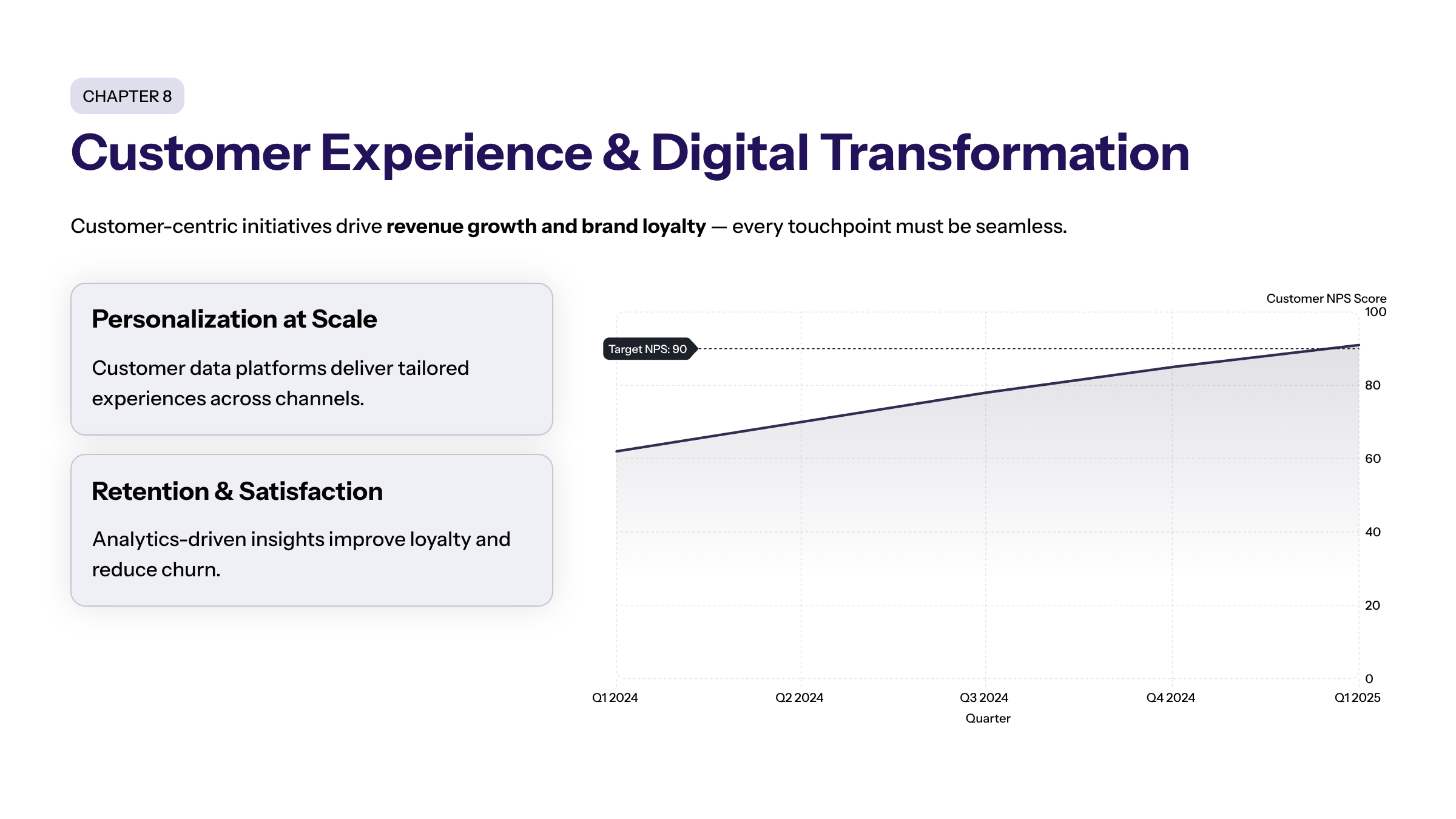
Customer-centric digital transformation initiatives drive revenue growth and brand loyalty. Digital transformation initiatives are designed to enhance customer interaction and meet the evolving needs of customers, ensuring that every touchpoint in the customer journey is optimized for a seamless and engaging experience.
Personalization and Seamlessness
Leveraging customer data platforms and analytics enables companies to deliver highly personalized experiences across channels, improving satisfaction and retention. Understanding customers' needs and preferences is crucial for effective personalization, ensuring that digital transformation efforts truly resonate with and benefit the target audience.
Data-Driven Insights
Advanced analytics inform customer journey design and service improvements, ensuring investments target areas with the greatest impact. By leveraging data, organizations can identify key customer touchpoints and opportunities for improvement early in the transformation budgeting process.
Staying Agile in Digital Transformation
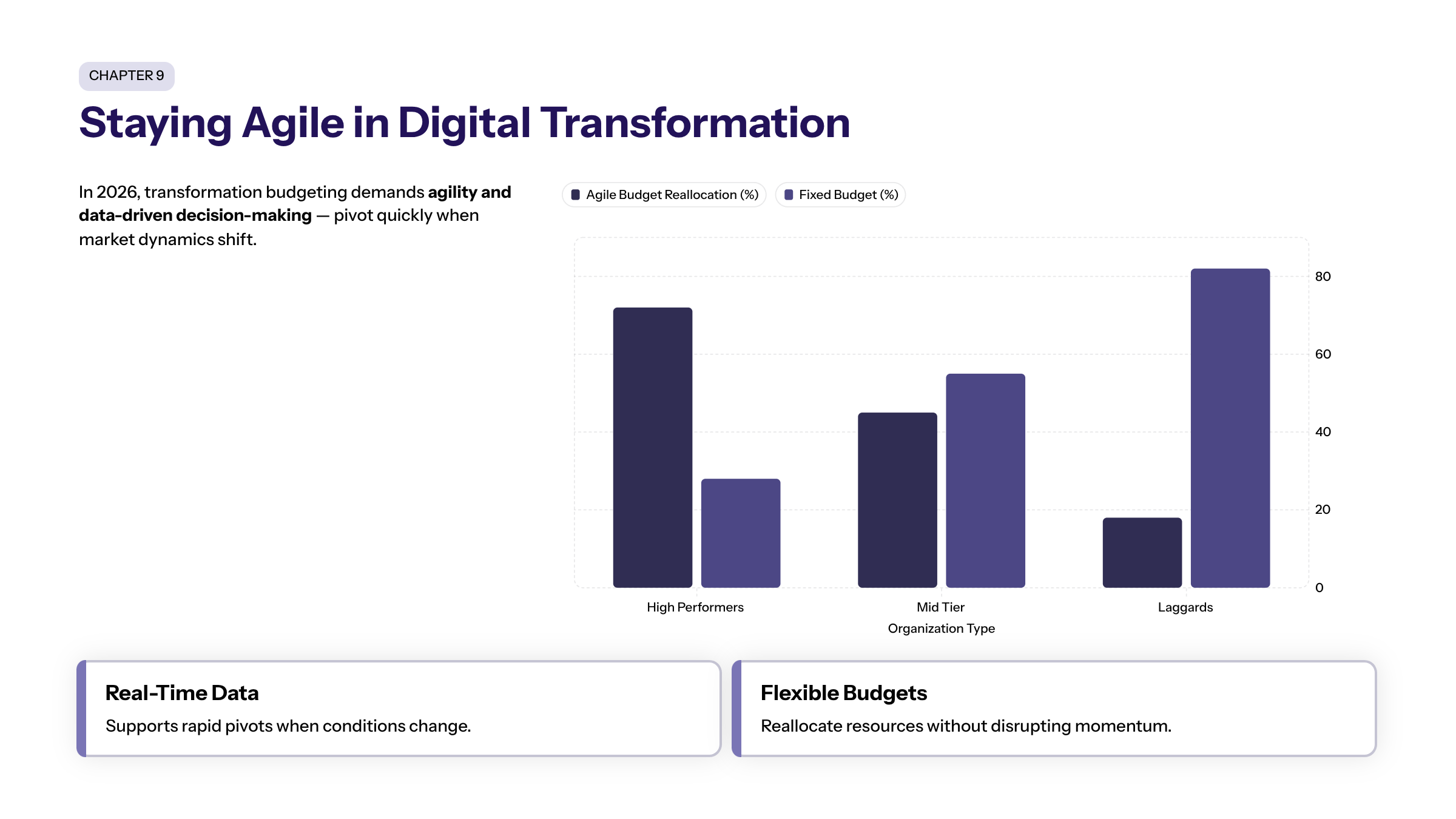
Agility in budgeting and execution is vital to respond to evolving market dynamics and technology trends. Transformation budgeting emphasizes agility and data-driven decision-making for organizations implementing this approach in 2026. Increased agility in transformation budgeting allows businesses to pivot quickly when market dynamics change, supported by real-time data.
Flexible Budgeting Processes
Rolling forecasts and regular budget reviews allow organizations to adjust investments as priorities shift, minimizing waste and maximizing value.
Risk Management and Adaptation
Agile budgeting supports experimentation and rapid iteration, enabling organizations to pivot when projects underperform or new opportunities arise.
By mastering transformation budgeting, business leaders can ensure their digital transformation initiatives deliver significant impact, foster innovation, and secure sustainable competitive advantage in a dynamic market environment.