Stakeholder Interview Questions to Ensure Effective Engagement
Stakeholder management is a critical discipline for ensuring project success, particularly in complex, technology-driven environments where diverse stakeholder interests must be aligned to achieve strategic objectives.
This article offers an analytical exploration of key stakeholder interview questions designed to assess and enhance stakeholder management skills, with a focus on how these questions can uncover a candidate’s ability to engage stakeholders effectively, manage conflicting interests, and drive successful project outcomes.
By integrating insights from industry leaders, established frameworks, and real-world examples, this comprehensive guide serves as an essential resource for executive readers seeking to refine their approach to stakeholder engagement and selection.
Key Takeaways
Effective stakeholder management hinges on a structured approach to identifying, prioritizing, and engaging diverse stakeholders, incorporating proactive communication and conflict resolution strategies.
Interview questions targeting stakeholder management skills should assess candidates’ abilities to navigate complex relationships, manage expectations, and maintain stakeholder satisfaction throughout the project lifecycle.
Aligning stakeholder expectations and incorporating diverse stakeholder perspectives through continuous communication and feedback loops is fundamental to achieving successful project outcomes in digital transformation and AI-driven initiatives.
Gathering insights on technical limitations during stakeholder interviews is crucial for assessing project feasibility and avoiding costly setbacks.
Well-crafted stakeholder interview questions focus on vision, success metrics, challenges, user needs, and current problems to uncover comprehensive understanding.
Behavioral interview questions are highly effective in evaluating stakeholder management skills by requiring candidates to provide specific examples from their previous project experiences.
Introduction to Stakeholder Management
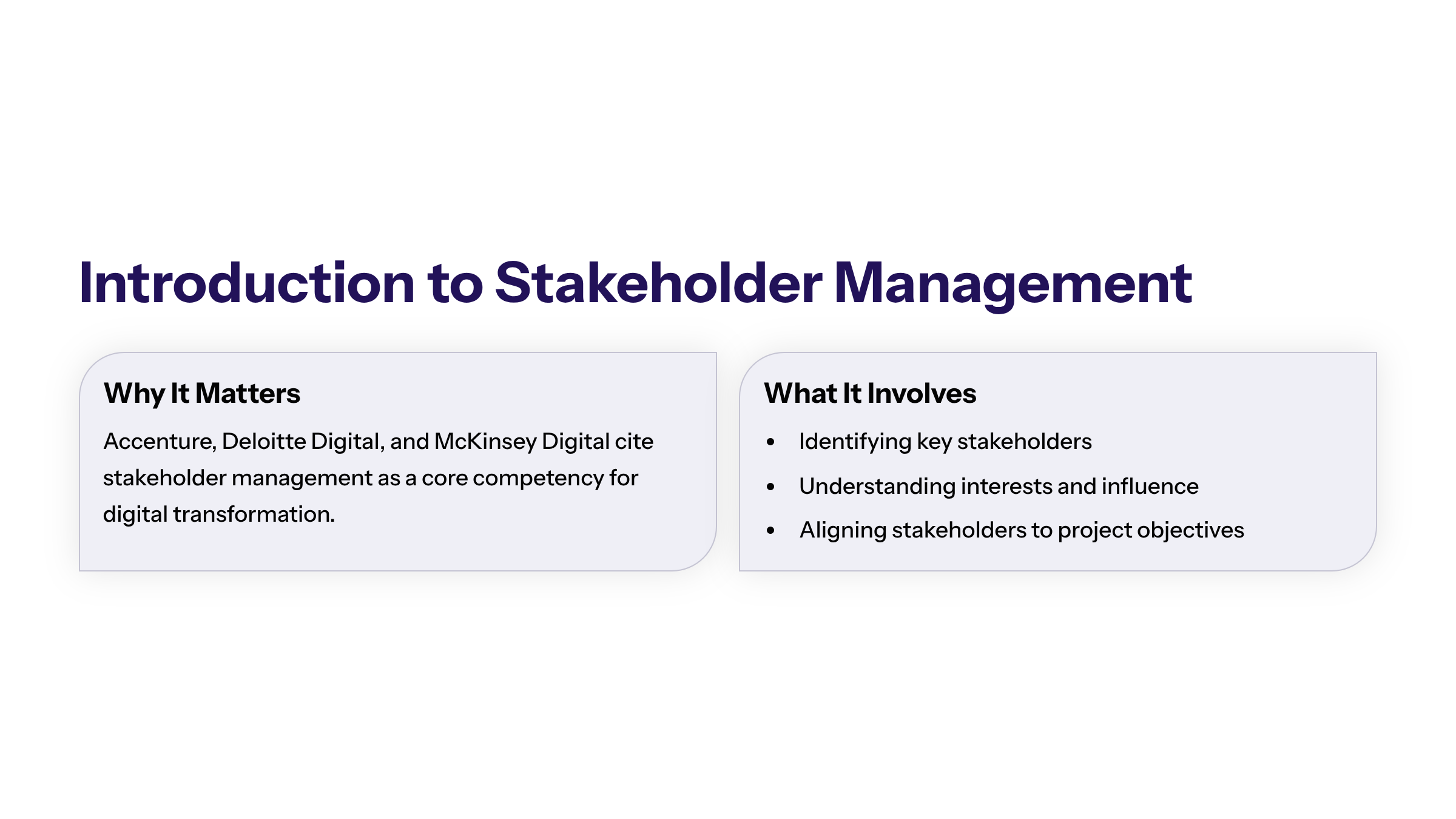
In today’s fast-evolving tech landscape, organizations such as Accenture, Deloitte Digital, and McKinsey Digital emphasize the importance of stakeholder management as a core competency for driving digital transformation and AI-first architecture projects. Effective stakeholder management involves not only identifying key stakeholders but also understanding their unique interests, concerns, and influence levels to align them with project objectives.
Stakeholder management interview questions are vital tools for evaluating a candidate’s capability to manage these complex dynamics. These questions probe into the candidate’s communication skills, negotiation prowess, and ability to engage various stakeholders proactively. This section explores the foundational concepts and relevance of stakeholder management within enterprise technology projects.
The Role of Stakeholder Management in Digital Transformation
Digital transformation projects, especially those integrating AI/ML and compliance frameworks like HIPAA or GDPR, require meticulous stakeholder engagement. Stakeholders range from internal stakeholders and executives to external partners and regulators, each bringing diverse perspectives that must be harmonized to avoid conflicting stakeholder interests.
According to Gartner, organizations that excel in stakeholder engagement are 40% more likely to deliver projects on time and within budget. This underscores the strategic value of managing stakeholder relationships through structured communication and alignment of expectations.
Stakeholder interviews play a foundational role in these efforts. These one-on-one conversations with people who have a vested interest in the product’s success help establish the foundations for any project by providing valuable insights that guide the flow of the entire project. Conducting a successful stakeholder interview early in the design process helps avoid redoing work and frustration later on by uncovering critical user needs, business goals, and technical limitations upfront.

Identifying and Prioritizing Stakeholders
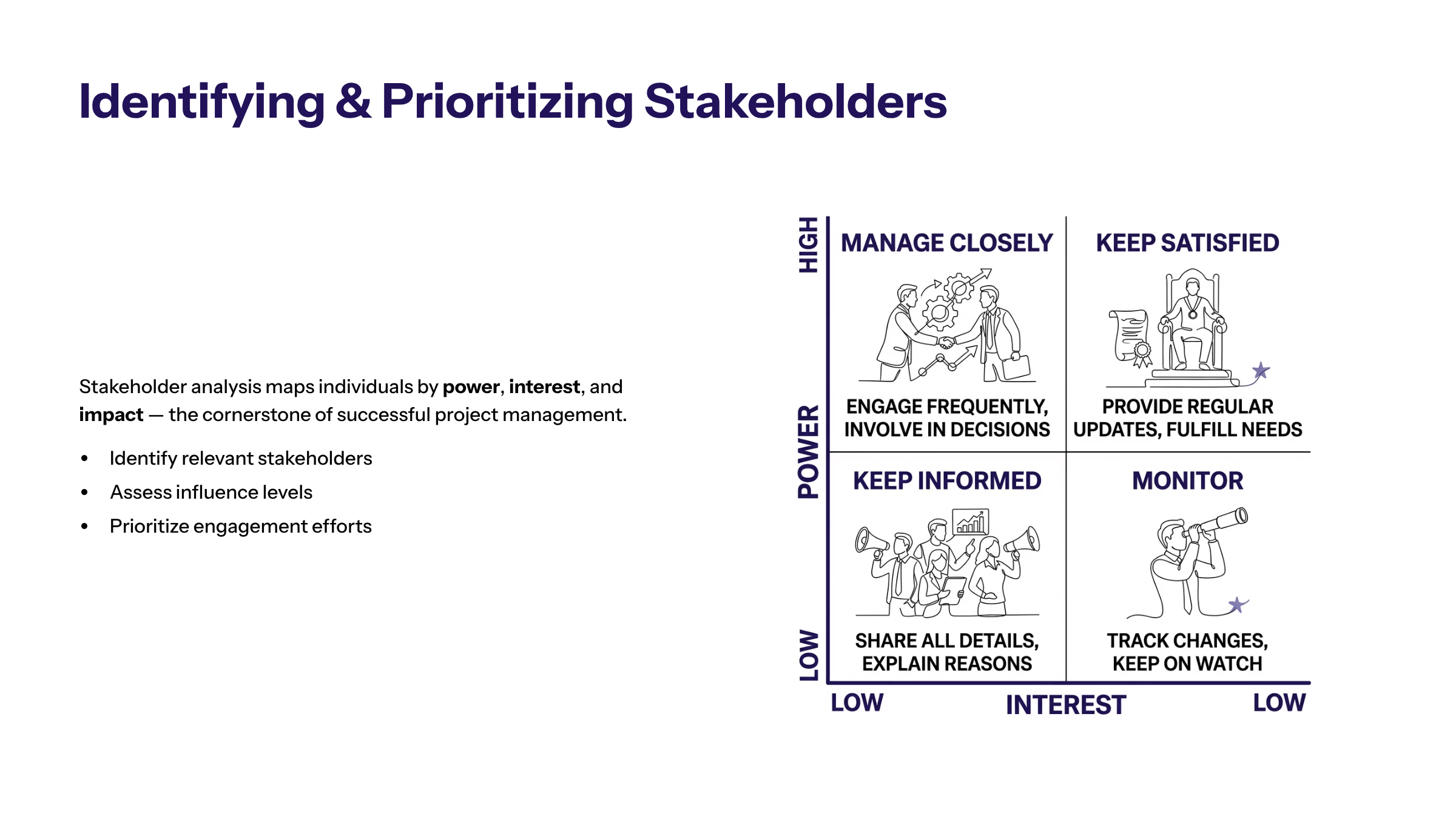
A comprehensive stakeholder analysis is the cornerstone of successful stakeholder management. It enables project managers to identify relevant stakeholders, assess their influence, and prioritize engagement efforts to maximize stakeholder satisfaction and project outcomes.
Comprehensive Stakeholder Analysis
Stakeholder analysis involves mapping stakeholders according to their power, interest, and potential impact on the project. Tools such as the Power-Interest Grid help categorize stakeholders into segments such as key stakeholders, influencers, and peripheral stakeholders. This categorization informs communication strategies tailored to each group’s needs.
Stakeholder Category | Description | Engagement Strategy |
|---|---|---|
Key Stakeholders | High influence and interest; critical decision-makers | Frequent, detailed communication; involvement in decision-making |
Influencers | Moderate influence; can affect project perception | Regular updates; solicit feedback |
Peripheral Stakeholders | Low influence or interest; limited impact | Periodic information sharing |
Prioritizing Stakeholders Based on Impact
Prioritization ensures resource allocation aligns with stakeholder influence and urgency. For example, in a fintech platform modernization project, regulatory bodies (external stakeholders) may require prioritized engagement to ensure compliance, while internal developers need ongoing updates to align with technical requirements.
"Prioritizing stakeholders based on their influence and interests is essential to mitigate risks and ensure project alignment," notes a project management expert at Deloitte Digital.
Managing Conflicting Stakeholder Interests
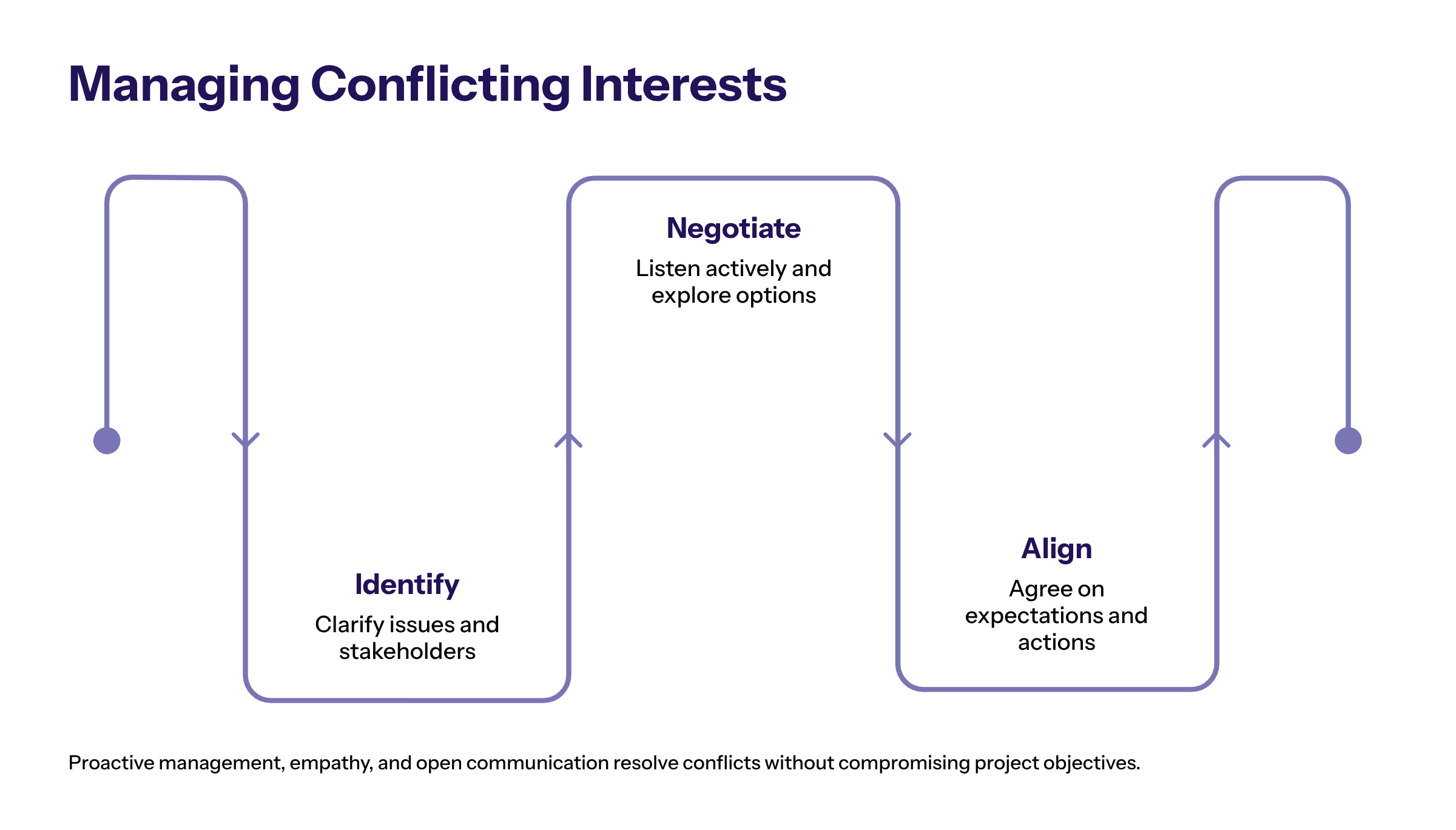
Conflicting stakeholder interests are inherent in projects with multiple stakeholders. Successful stakeholder management requires navigating these conflicts through negotiation skills, empathy, and proactive management to align stakeholder expectations.
Strategies for Conflict Resolution
Effective conflict resolution entails open communication, active listening, and exploring alternative solutions that address stakeholder concerns without compromising project objectives. Techniques such as mediation and interest-based negotiation are commonly employed.
Aligning Diverse Stakeholder Perspectives
Integrating diverse stakeholder perspectives fosters collaboration and innovation. For instance, during AI system implementation, balancing technical feasibility with ethical considerations requires input from data scientists, legal teams, and user representatives.
Conflict Scenario | Stakeholders Involved | Resolution Approach | Outcome |
|---|---|---|---|
Budget constraints | Finance team vs. project team | Data-driven negotiation; alternative cost-saving measures | Agreement on revised budget |
Feature prioritization | Marketing vs. Development | Collaborative workshops; prioritization matrix | Consensus on MVP features |
Harvard Business Review emphasizes, "Managing conflicting stakeholder interests is a strategic skill that determines project success, especially in complex, multi-stakeholder environments."
Keeping Stakeholders Informed
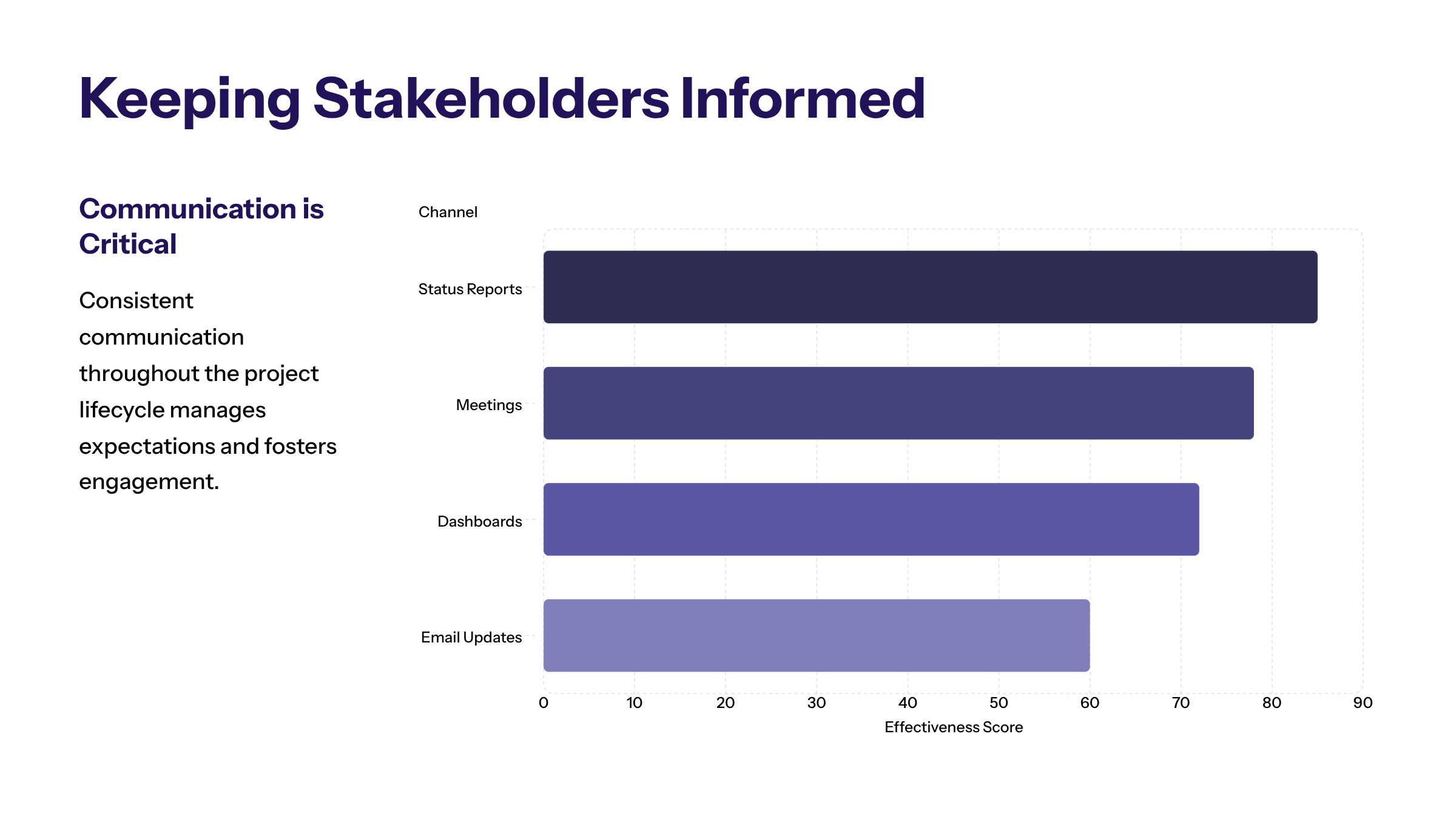
Maintaining clear and consistent communication with stakeholders throughout the project lifecycle is critical for managing expectations and fostering stakeholder engagement.
Communication Strategies for Stakeholder Engagement
Tailoring communication style and channels to stakeholder preferences enhances engagement. Techniques include regular progress reports, stakeholder interviews, and interactive dashboards. Effective stakeholder communications ensure that all parties remain informed of the project's progress and any changes that might affect their interests.
Motivating Stakeholders Through Continuous Engagement
Motivating stakeholders involves demonstrating how their input influences project outcomes, thereby increasing their commitment and satisfaction. Regular feedback sessions and recognition of contributions are effective methods.
According to McKinsey, “Keeping stakeholders engaged through transparent and consistent communication reduces resistance and builds trust.”
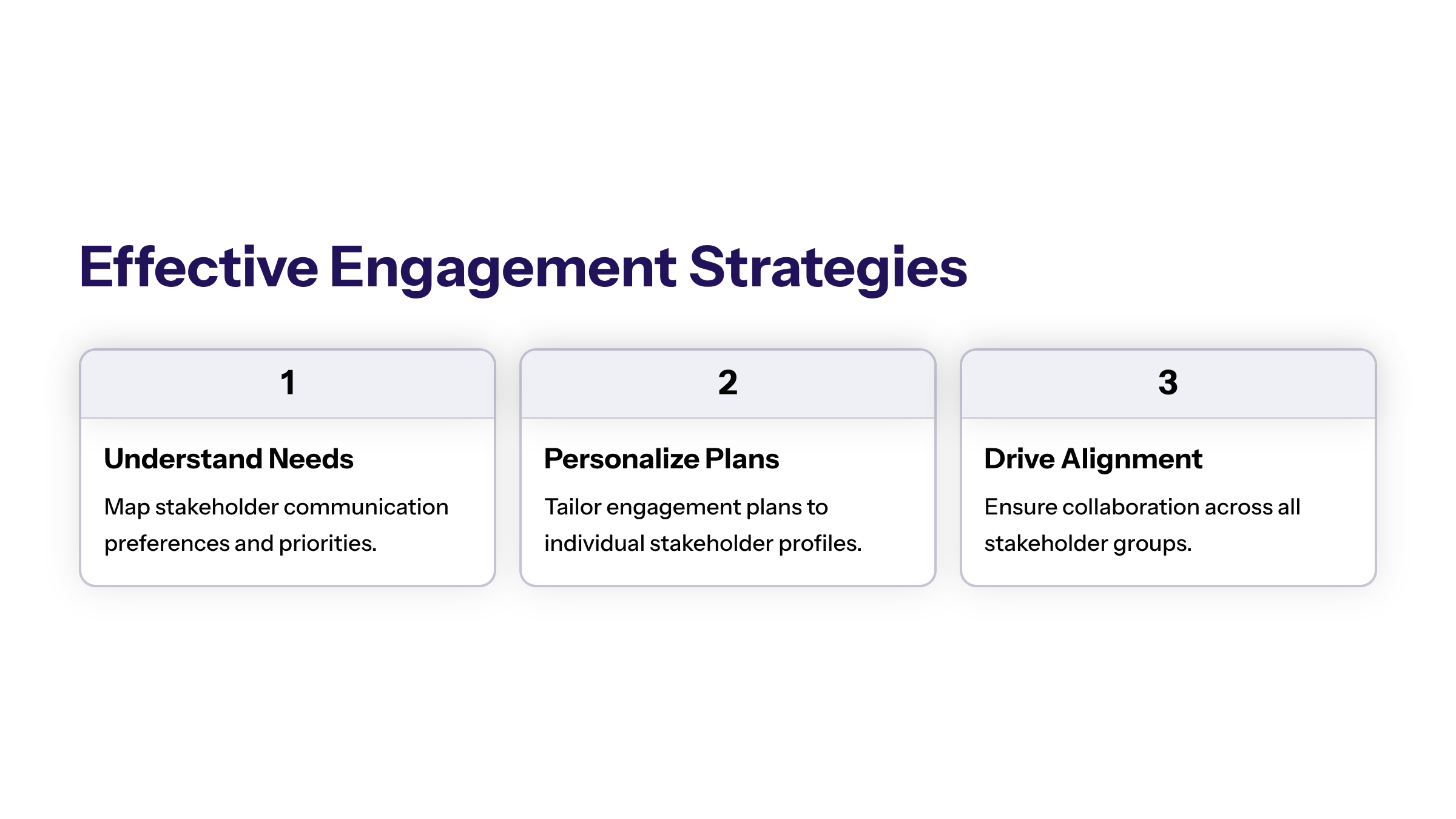
Effective Engagement Strategies
Developing and executing effective stakeholder engagement strategies ensures alignment and collaboration among different stakeholders.
Tailoring Engagement to Stakeholder Needs
Understanding stakeholder needs and communication preferences enables personalized engagement plans. For example, executives may prefer high-level summaries, while technical teams require detailed documentation.
Proactive Management of Stakeholder Relationships
Proactive management includes anticipating stakeholder concerns, addressing issues promptly, and fostering a collaborative environment. This approach reduces the risk of disengagement and conflict. Involving stakeholders early in the engagement process fosters ownership and better alignment with project objectives.
Engagement Activity | Purpose | Frequency | Responsible Party |
|---|---|---|---|
Stakeholder interviews | Gather input and feedback | Project initiation and key milestones | Project Manager |
Status update meetings | Inform and align | Weekly or bi-weekly | Team Leads |
Feedback surveys | Measure satisfaction and concerns | Monthly or quarterly | PMO |
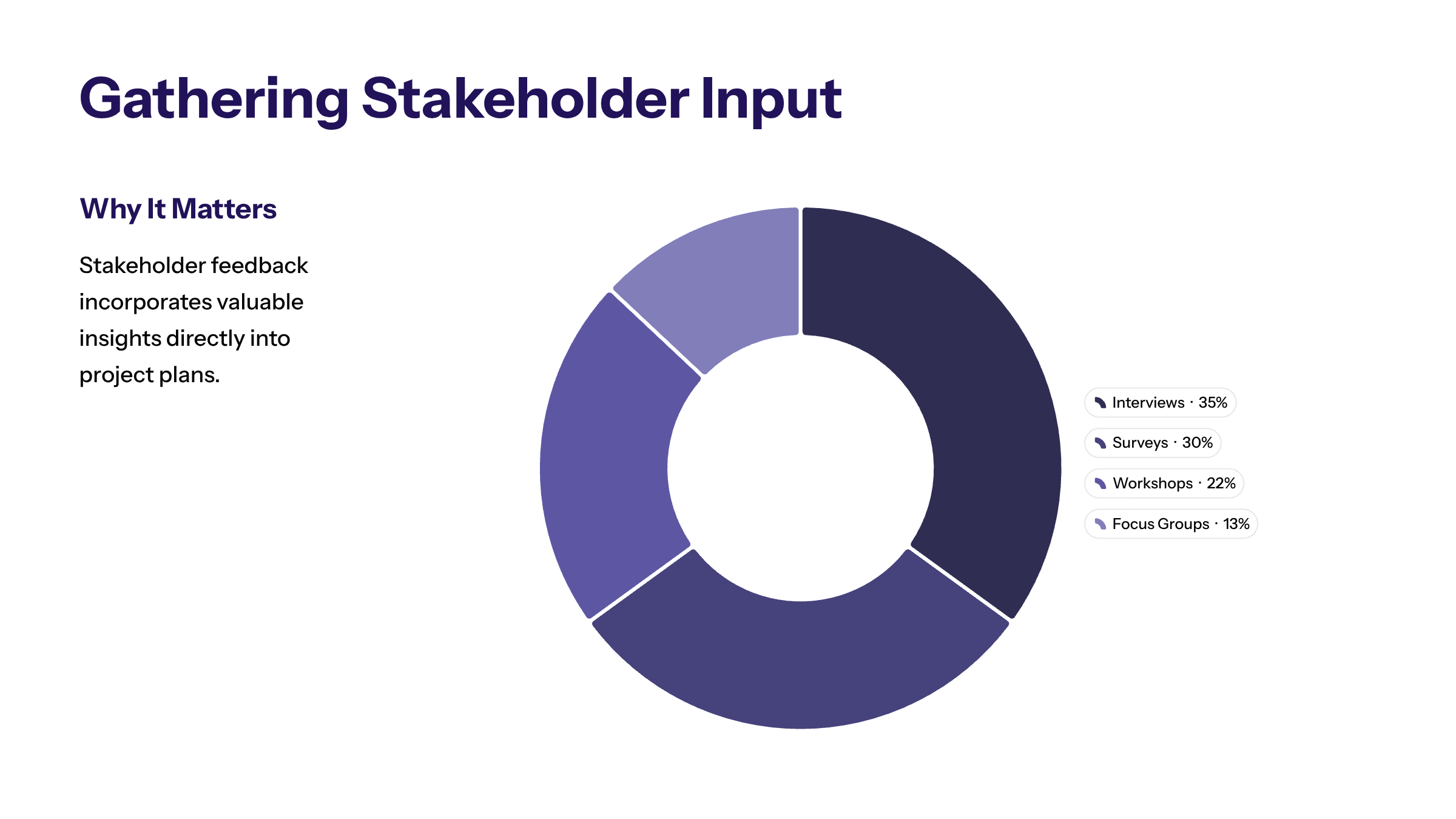
Gathering Stakeholder Input
Collecting and analyzing stakeholder input is essential for incorporating valuable insights into project plans.
Methods to Gather Stakeholder Feedback
Common methods include interviews, surveys, focus groups, and workshops. Each method offers different depths of insight and engagement levels. Open-ended questions during stakeholder interviews are particularly effective for uncovering deep insights into user needs and current challenges.
Incorporating Feedback into Project Plans
Systematic analysis of feedback helps identify trends and areas for improvement, ensuring the project remains aligned with stakeholder expectations. Gathering insights on technical limitations during these interactions is vital to assess project feasibility and avoid costly redesigns. Documenting research findings from stakeholder engagement efforts provides a solid foundation for decision-making and continuous improvement.
A case study from Capgemini highlights the importance of integrating stakeholder feedback in iterative development cycles to enhance product-market fit.
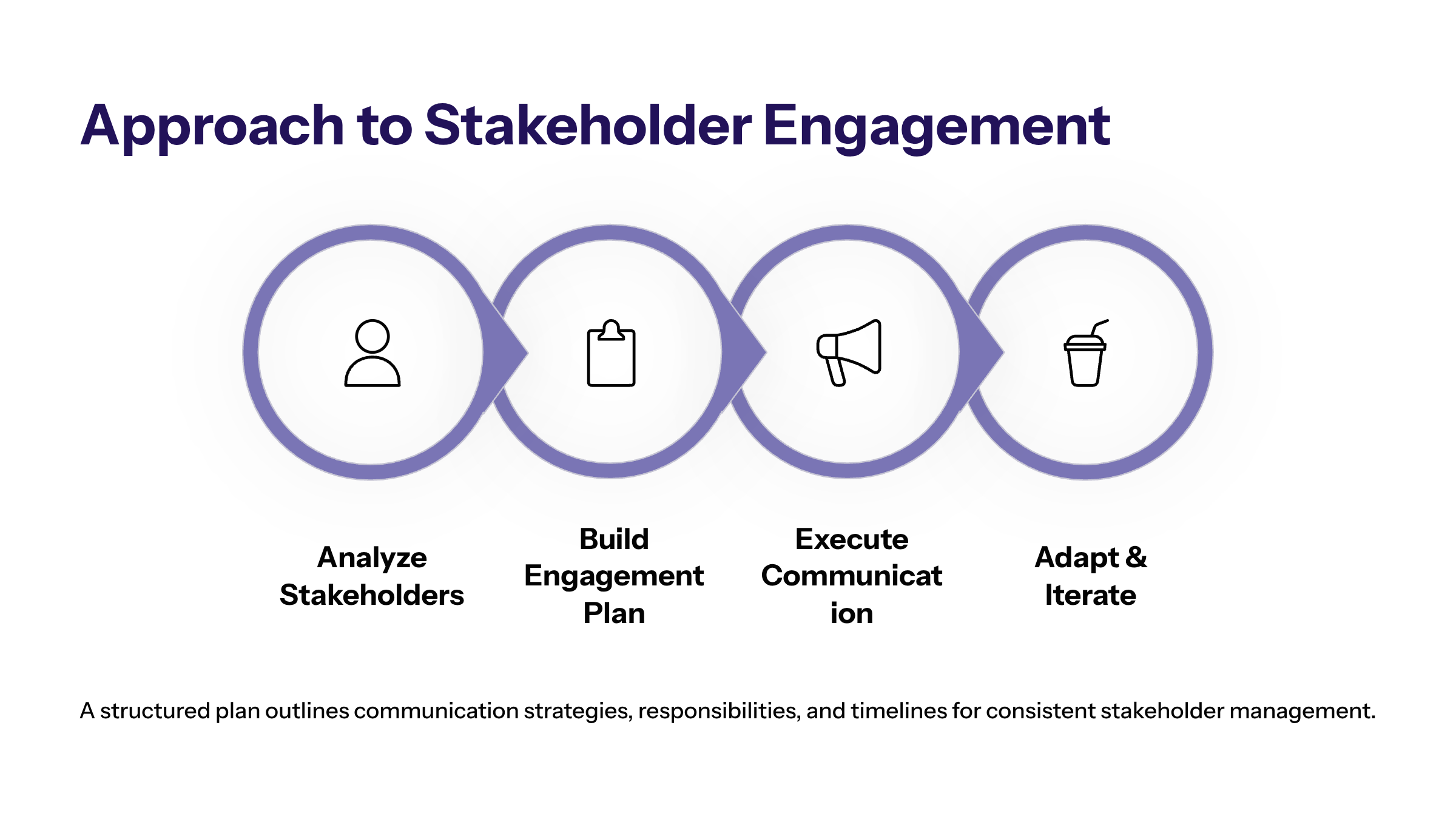
Approach to Stakeholder Engagement
A structured approach to stakeholder engagement involves continuous analysis, planning, and adaptation to evolving project and stakeholder dynamics.
Developing a Stakeholder Engagement Plan
Creating a detailed engagement plan outlines communication strategies, responsibilities, and timelines, facilitating consistent and effective stakeholder management. Governance structures within the organization influence how decisions are made and communicated during the project, emphasizing the need for clear roles and responsibilities in the engagement process.
Long-Term Stakeholder Relationship Management
Sustaining stakeholder relationships beyond project completion supports organizational resilience and future collaboration opportunities.
Industry leaders like Wipro advocate for embedding stakeholder engagement into organizational culture to drive sustained success.
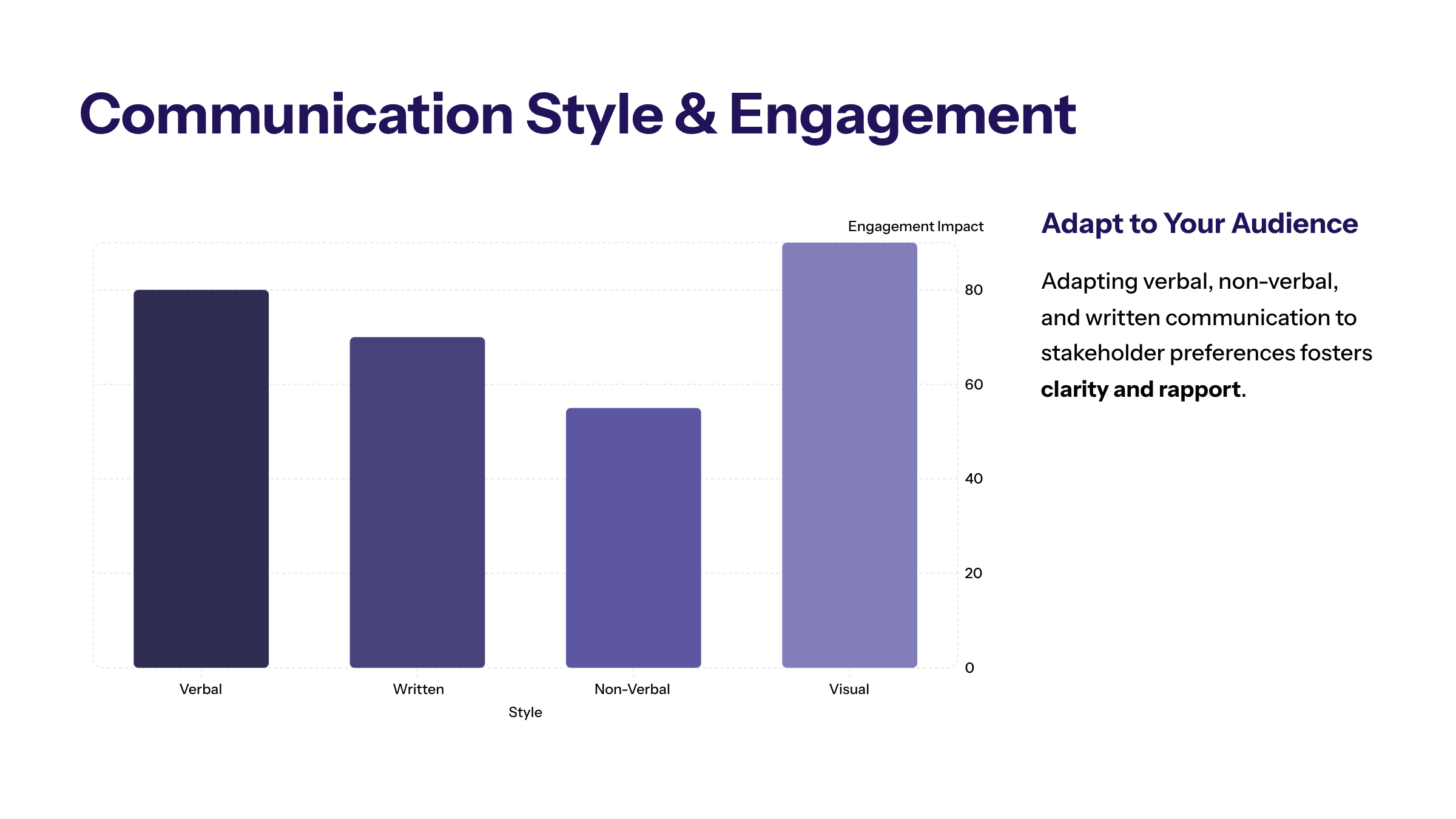
Communication Style and Stakeholder Engagement
Communication style significantly impacts stakeholder engagement quality and effectiveness.
Adapting Communication Styles to Stakeholders
Adapting verbal, non-verbal, and written communication to stakeholder preferences fosters clarity and rapport. Effectively communicate complex information by customizing messaging to resonate with different stakeholders, ensuring clarity and understanding.
Managing Stakeholder Expectations Through Communication
Clear, consistent communication helps manage expectations, reduce misunderstandings, and build trust. Specific metrics or outcomes should be established early in the project to evaluate success and keep stakeholders aligned on objectives.
As noted by ThoughtWorks, “Effective communication is the linchpin of stakeholder engagement and project success.”
External Stakeholders and Engagement
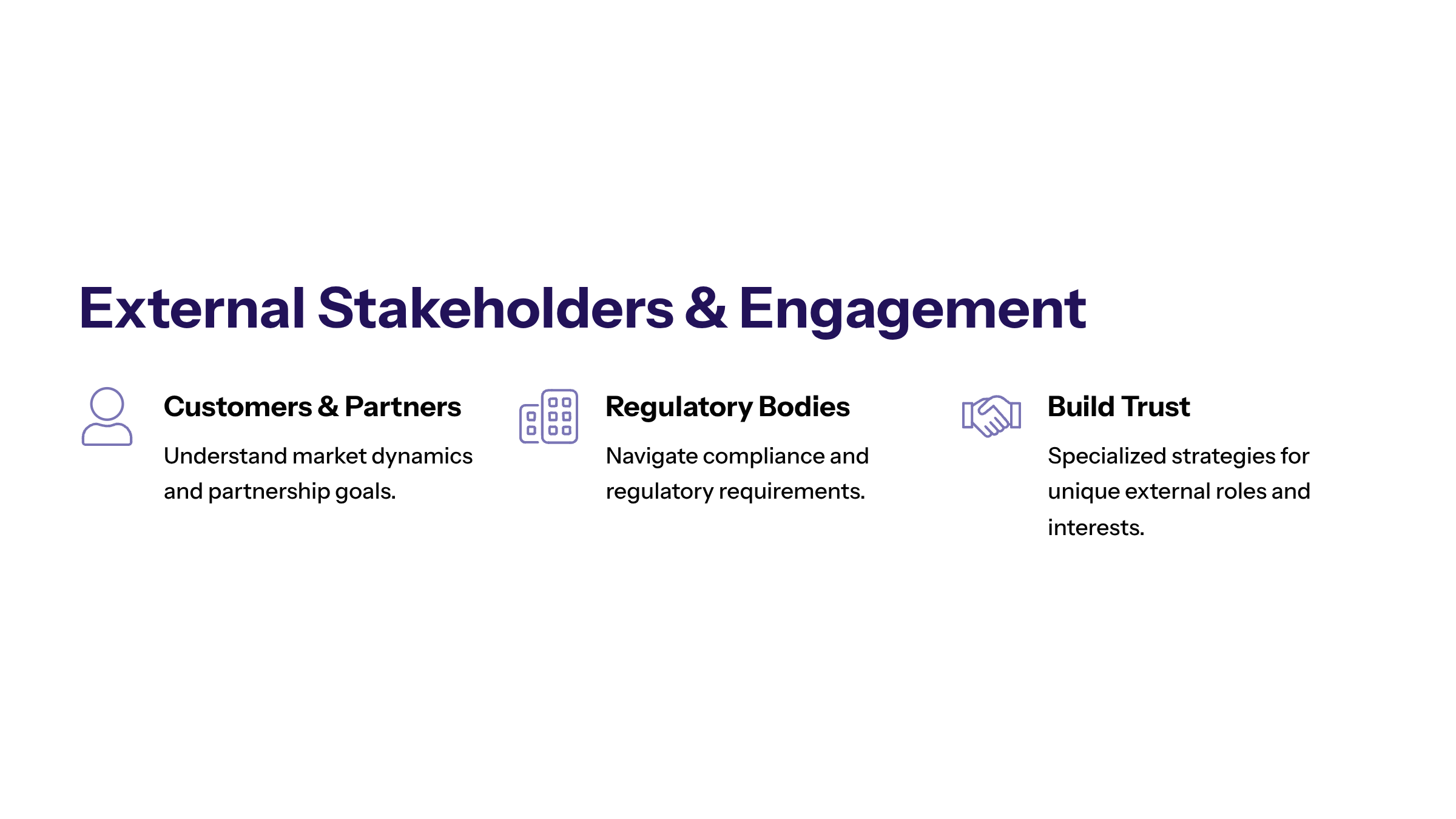
External stakeholders such as customers, suppliers, and partners require specialized engagement strategies that consider their unique roles and interests.
Understanding External Stakeholder Needs
Engaging external stakeholders involves understanding market dynamics, regulatory requirements, and partnership goals.
Building Trust with External Stakeholders
Trust-building with external parties is achieved through transparency, responsiveness, and delivering on commitments.
Cognativ’s RAPID framework emphasizes early and continuous engagement with external stakeholders to mitigate risks and enhance collaboration.
Handling Challenging Stakeholders
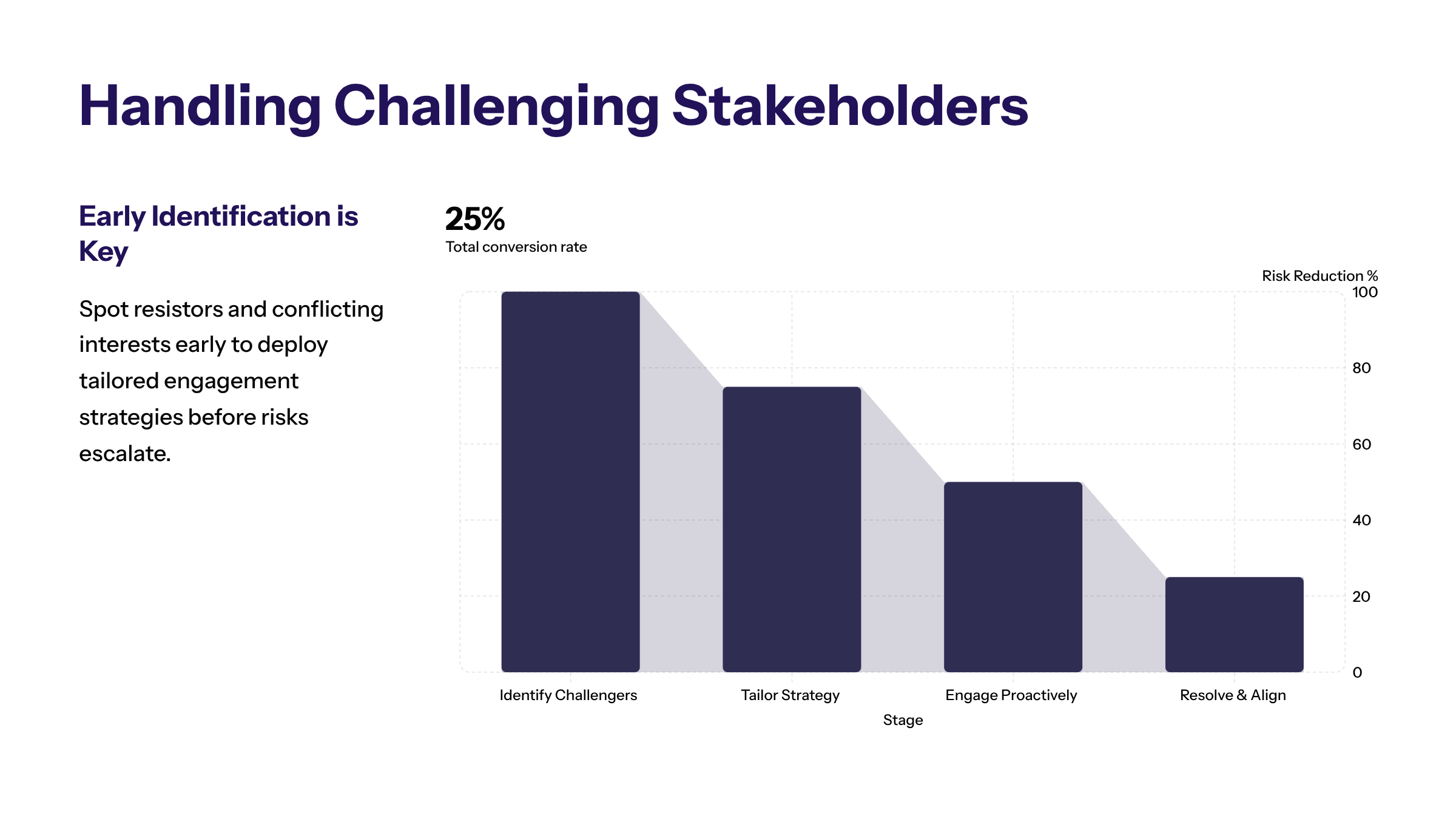
Challenging stakeholders can pose significant risks to project success if not managed effectively. Identifying particular stakeholders who may resist change or have conflicting interests early on allows for tailored engagement strategies.
Strategies for Managing Challenging Stakeholders
Building rapport through active listening, addressing concerns transparently, and involving challenging stakeholders in decision-making processes can transform resistance into collaboration.
Maintaining Stakeholder Involvement
Sustaining the involvement of all stakeholders, including those initially reluctant, requires ongoing communication and demonstrating how their contributions impact the project's progress and outcomes.
Developing Interview Questions
Crafting targeted stakeholder interview questions is key to identifying candidates with the requisite skills for effective stakeholder management.
Key Competencies to Assess
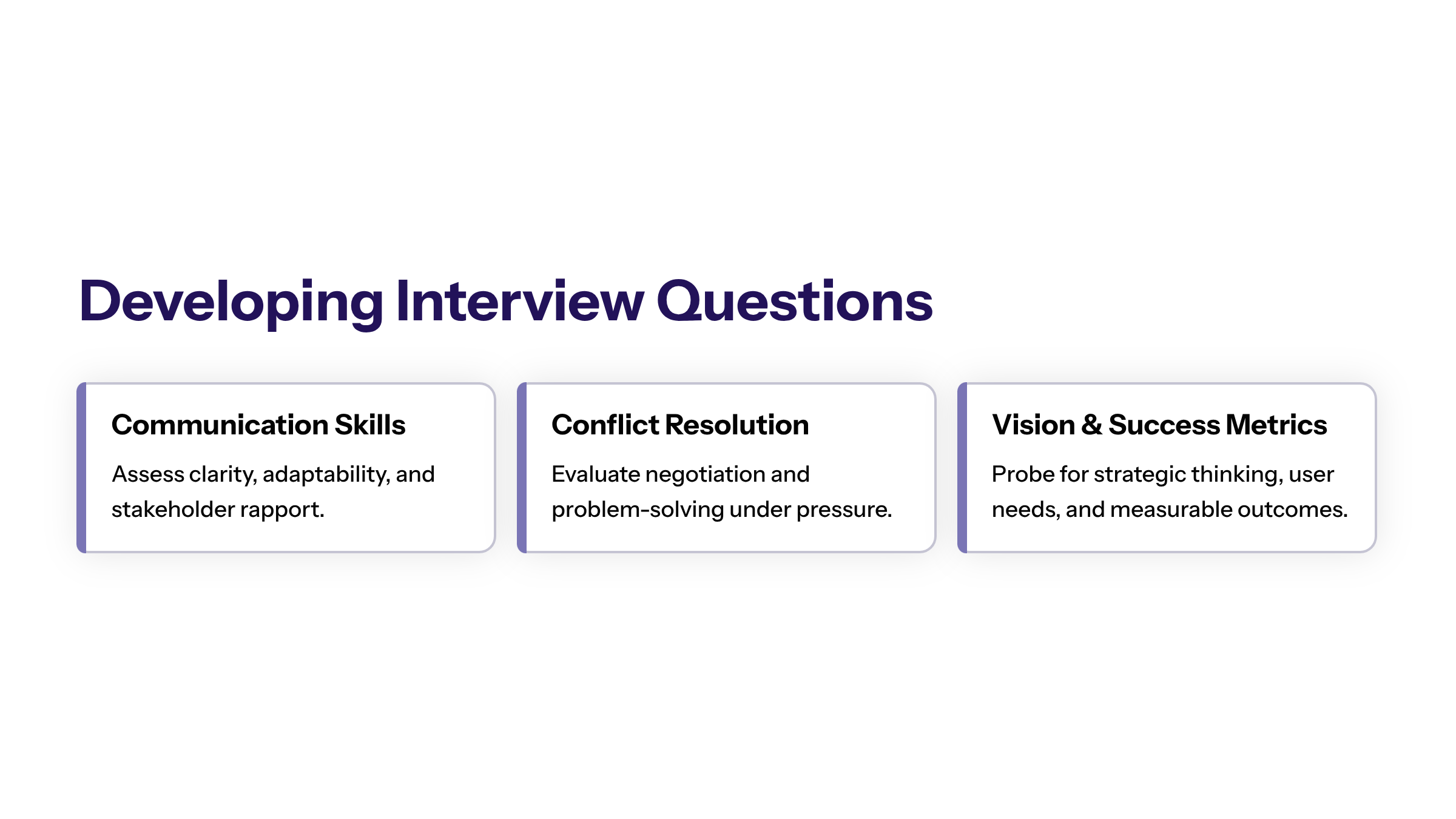
Interview questions should evaluate communication skills, conflict resolution, negotiation abilities, and proactive stakeholder engagement. Effective stakeholder interview questions focus on vision, success metrics, challenges, user needs, and current problems to provide a comprehensive assessment.
Behavioral Interview Questions
Behavioral interview questions are highly effective for evaluating stakeholder management skills because they require candidates to provide specific examples from their past experiences, revealing their practical approach to managing stakeholder relationships and resolving conflicts.
Sample Stakeholder Interview Questions
Question | Purpose | What to Listen For |
|---|---|---|
How do you identify and prioritize stakeholders in a project? | Assess analytical and planning skills | Understanding of stakeholder analysis and prioritization |
Describe a time when you managed conflicting stakeholder interests. | Evaluate conflict resolution and negotiation skills | Use of empathy, communication, and alternative solutions |
How do you keep stakeholders informed throughout a project lifecycle? | Measure communication and engagement strategies | Regular updates, tailored messaging, and feedback mechanisms |
Can you give an example of managing a difficult stakeholder? | Test resilience and relationship-building skills | Active listening, patience, and problem-solving |
Robert Half highlights that the best candidates demonstrate both strategic thinking and practical approaches to managing stakeholder relationships.
Key Stakeholder
Identifying the key stakeholder is a critical step in the stakeholder engagement process. A key stakeholder typically holds significant influence over the project’s direction and outcomes, often being a decision-maker or a primary beneficiary of the project. Understanding their priorities, concerns, and expectations is essential for aligning project objectives and securing necessary support. Engaging the key stakeholder early and maintaining open communication ensures their buy-in and facilitates smoother navigation through potential challenges.
Relevant Stakeholders
Beyond the key stakeholder, it is important to recognize all relevant stakeholders who impact or are impacted by the project. These may include internal stakeholders such as team members, executives, and departments, as well as external stakeholders like customers, partners, and regulators. Conducting a comprehensive stakeholder analysis helps identify these relevant stakeholders, categorize their influence and interest levels, and tailor engagement strategies accordingly. Ensuring all relevant stakeholders are considered fosters inclusivity and reduces the risk of overlooking critical insights.
Engagement Process
A structured engagement process is fundamental to effective stakeholder management. This process typically begins with conducting stakeholder interviews to gather valuable insights into stakeholder needs, expectations, and potential concerns. Maintaining open communication throughout the project lifecycle helps keep stakeholders informed and engaged, enabling timely feedback and proactive issue resolution. Regular updates, feedback sessions, and transparent dialogue form the backbone of a successful engagement process, promoting collaboration and trust among all parties involved.
Research Findings
Research findings derived from stakeholder interviews and other feedback mechanisms provide a solid foundation for informed decision-making. Analyzing these findings allows project managers to identify common themes, uncover hidden challenges, and validate assumptions about stakeholder needs. Incorporating research findings into project plans ensures alignment with stakeholder expectations and supports continuous improvement. Documenting and sharing these insights with relevant stakeholders further enhances transparency and demonstrates a commitment to addressing stakeholder concerns effectively.
Conclusion
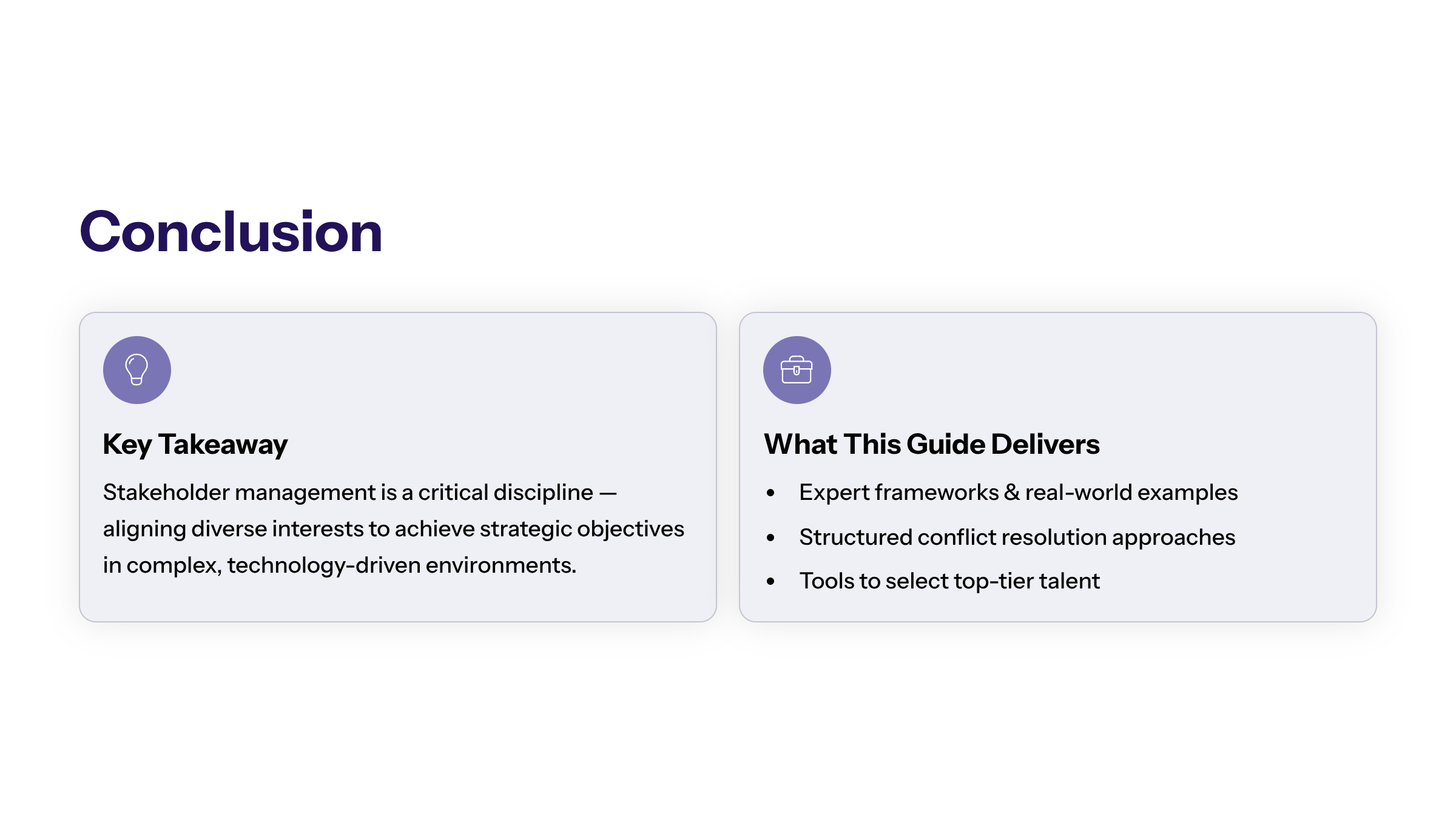
This comprehensive guide integrates expert analysis, practical frameworks, and real-world examples to support executive decision-making in selecting and developing top-tier stakeholder management talent. By focusing on structured stakeholder engagement, conflict resolution, and effective communication, organizations can optimize project outcomes and foster lasting stakeholder satisfaction.