Mastering the Stay Change Stop Template for Effective Team Feedback
In today’s fast-paced business environment, continuous improvement and adaptive team dynamics are essential for sustained success.
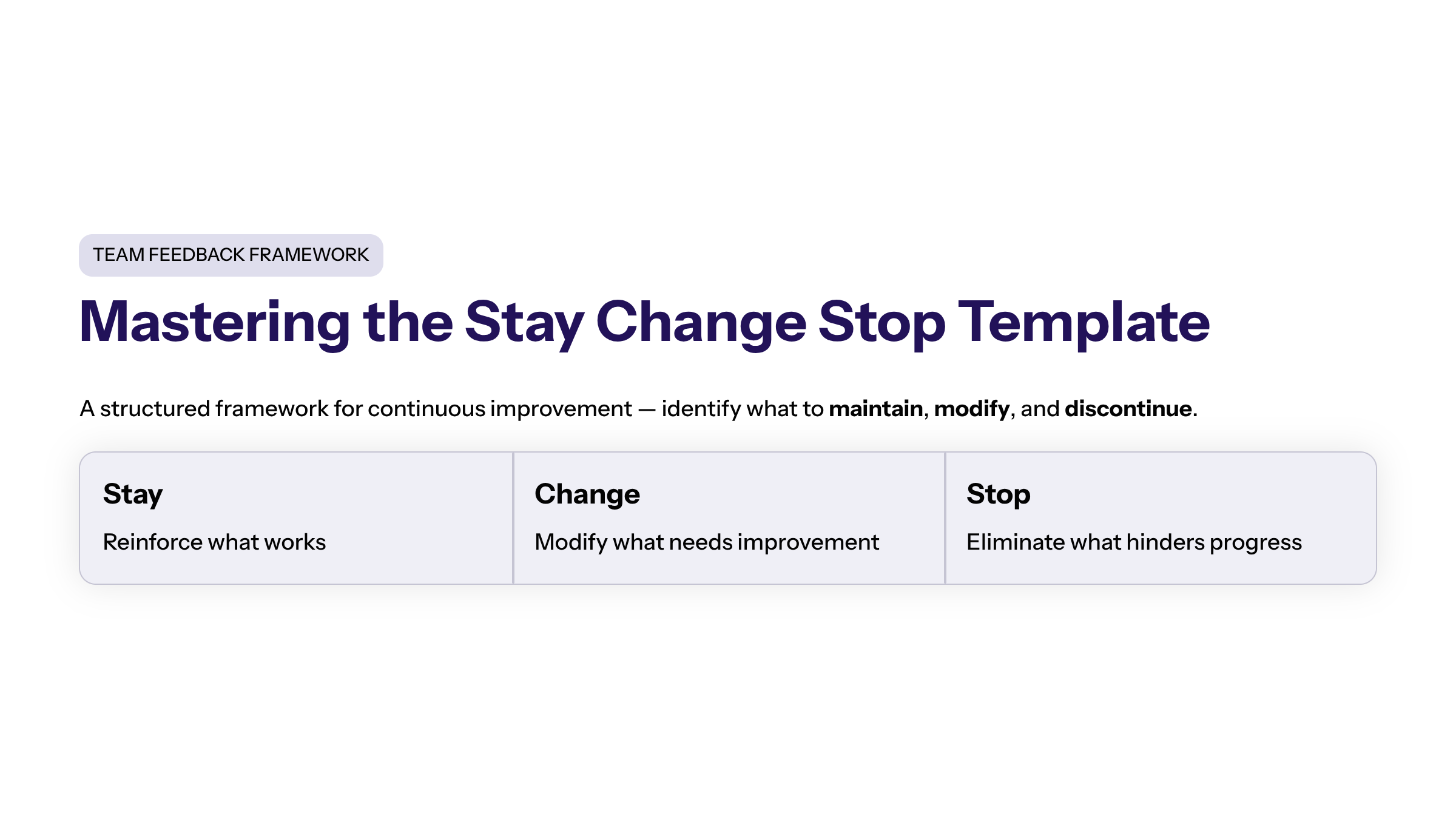
The Stay Change Stop template offers a structured yet flexible framework for teams to engage in constructive feedback, enabling them to identify what practices to maintain, what to modify, and what to discontinue.
This article provides an in-depth exploration of the Stay Change Stop template, its relevance to organizational growth, and practical guidance on leveraging it to enhance team performance and foster a culture of continuous improvement.
Key Takeaways
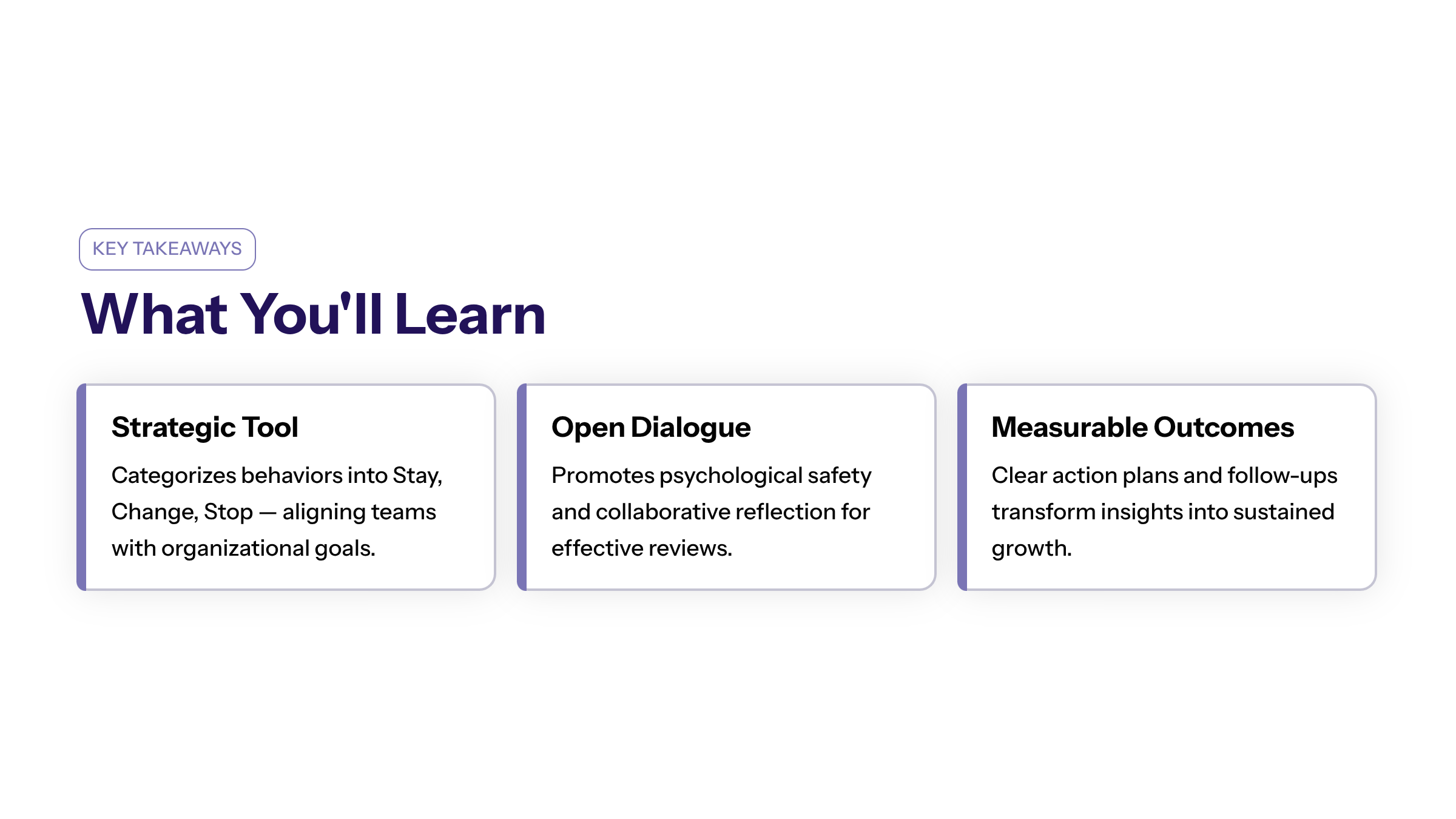
The Stay Change Stop template is a strategic tool that facilitates actionable feedback by categorizing behaviors and processes into what to stay, change, or stop, aligning team efforts with organizational goals.
Implementing this template promotes open dialogue, psychological safety, and collaborative reflection, which are critical for effective team reviews and continuous improvement.
Structured use of the template, combined with clear action plans and follow-ups, transforms retrospective insights into measurable outcomes, driving sustained team and organizational growth.

Introduction to the Stay Change Stop Template
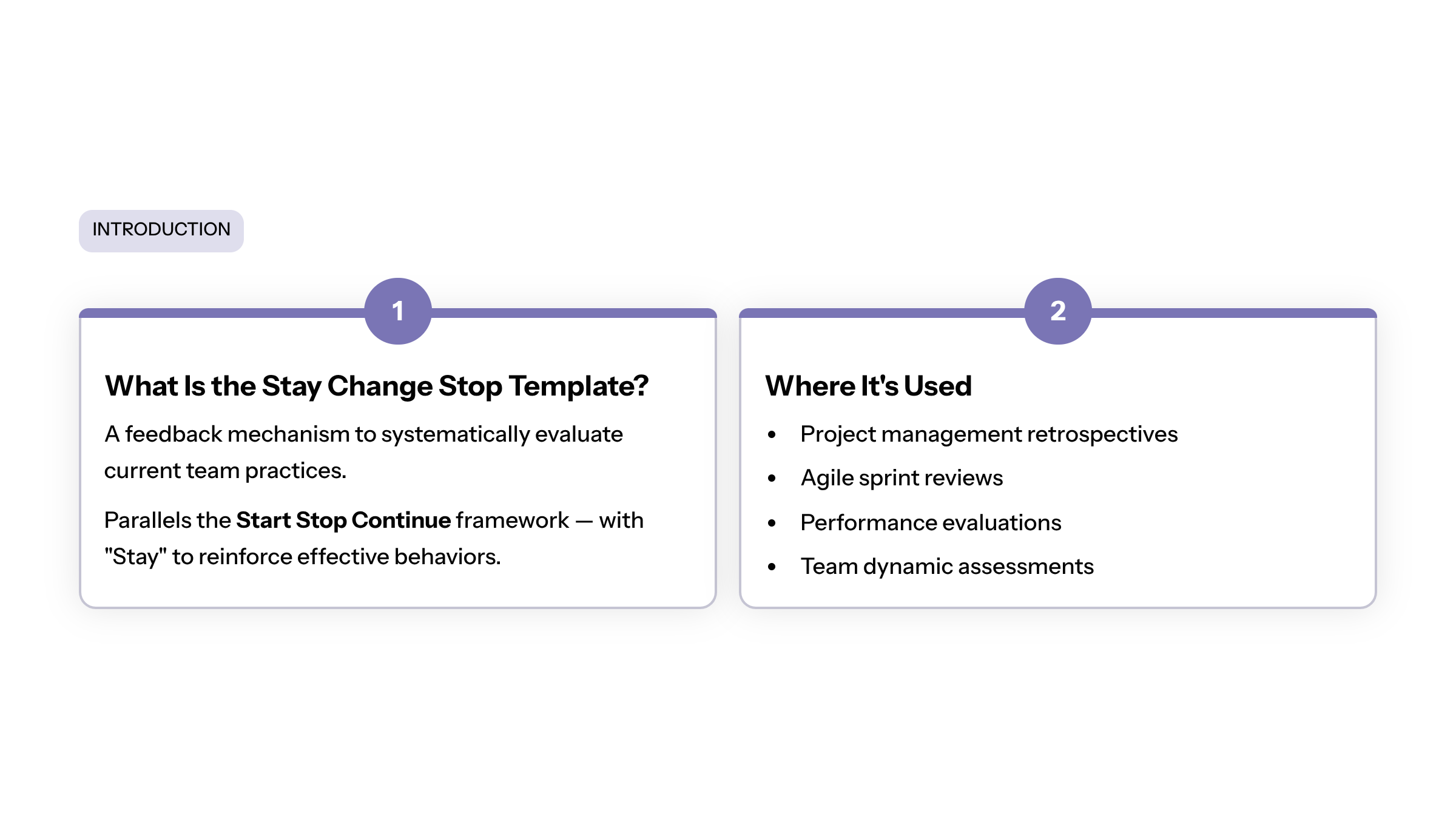
The Stay Change Stop template is a feedback mechanism designed to help teams systematically evaluate their current practices. It parallels the widely used start stop continue framework but emphasizes “stay” as a category to recognize and reinforce existing effective behaviors alongside identifying changes and discontinuations. In project management, agile teams, and performance evaluations, this template serves as a foundational tool to collect feedback, prioritize actions, and build a shared understanding of team dynamics.
By fostering a collaborative process, the template encourages entire teams to engage in open discussions, adding sticky notes or comments that reflect past experiences and future aspirations. This structured approach not only enhances transparency but also aligns team members on the same page, ensuring that feedback leads to concrete next steps and measurable improvements.
The Strategic Importance of Stay Change Stop in Organizational Context
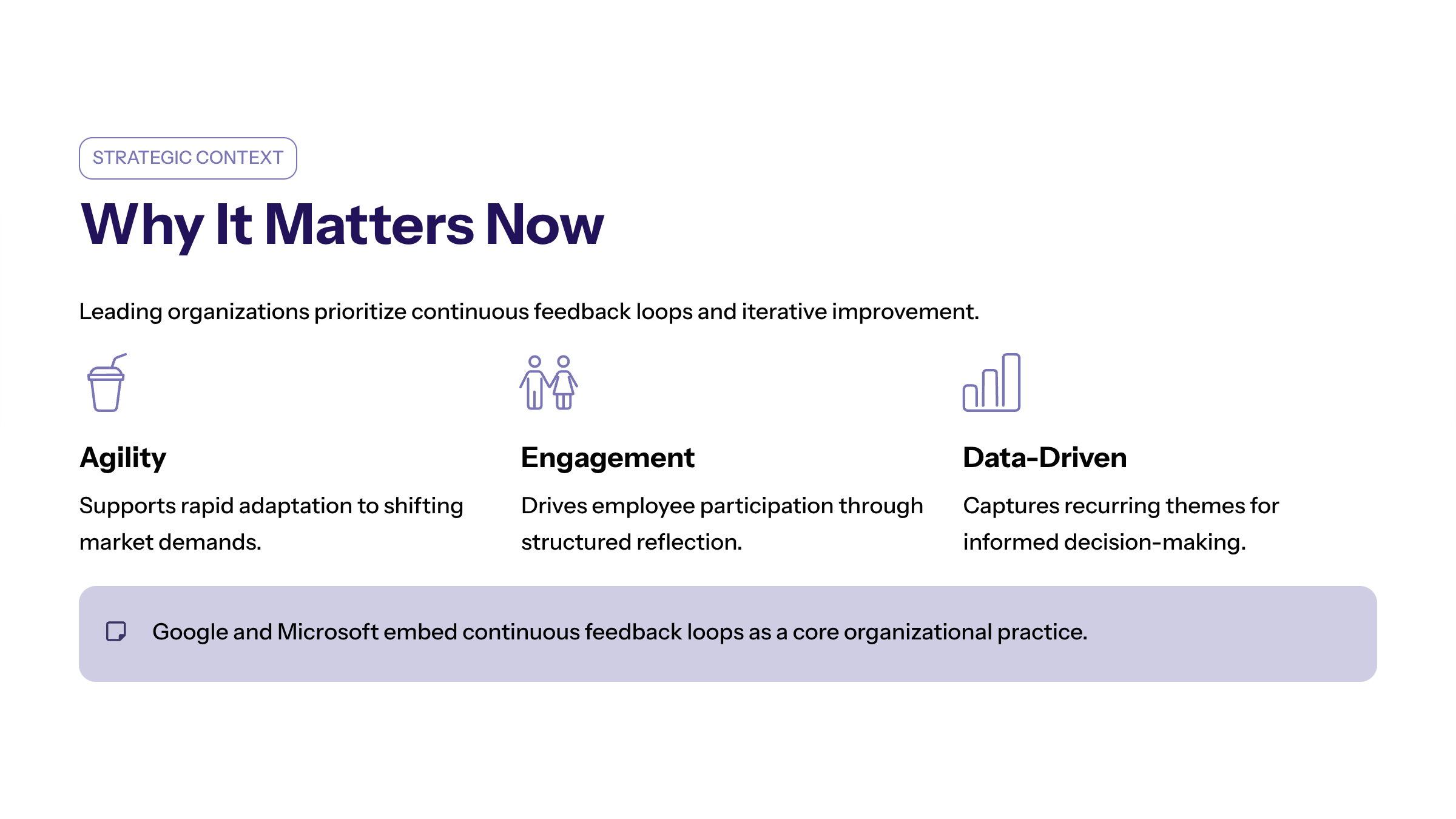
Incorporating the Stay Change Stop template into regular team reviews and retrospectives is aligned with contemporary organizational priorities such as agility, employee engagement, and data-driven decision-making. Leading organizations like Google and Microsoft emphasize continuous feedback loops and iterative improvements, which this template supports by providing a simple exercise that captures recurring themes and actionable insights.
Moreover, as businesses navigate rapid technological advancements and shifting market demands, frameworks that facilitate constructive feedback and shared priorities become indispensable. The Stay Change Stop template integrates seamlessly with digital collaboration tools such as Miro, Jira, and Microsoft Teams, enabling remote and in-person teams to maintain momentum and accountability through structured reflection and follow-ups.
Benefits of the Stay Change Stop Template
Enhancing Team Performance Through Structured Feedback
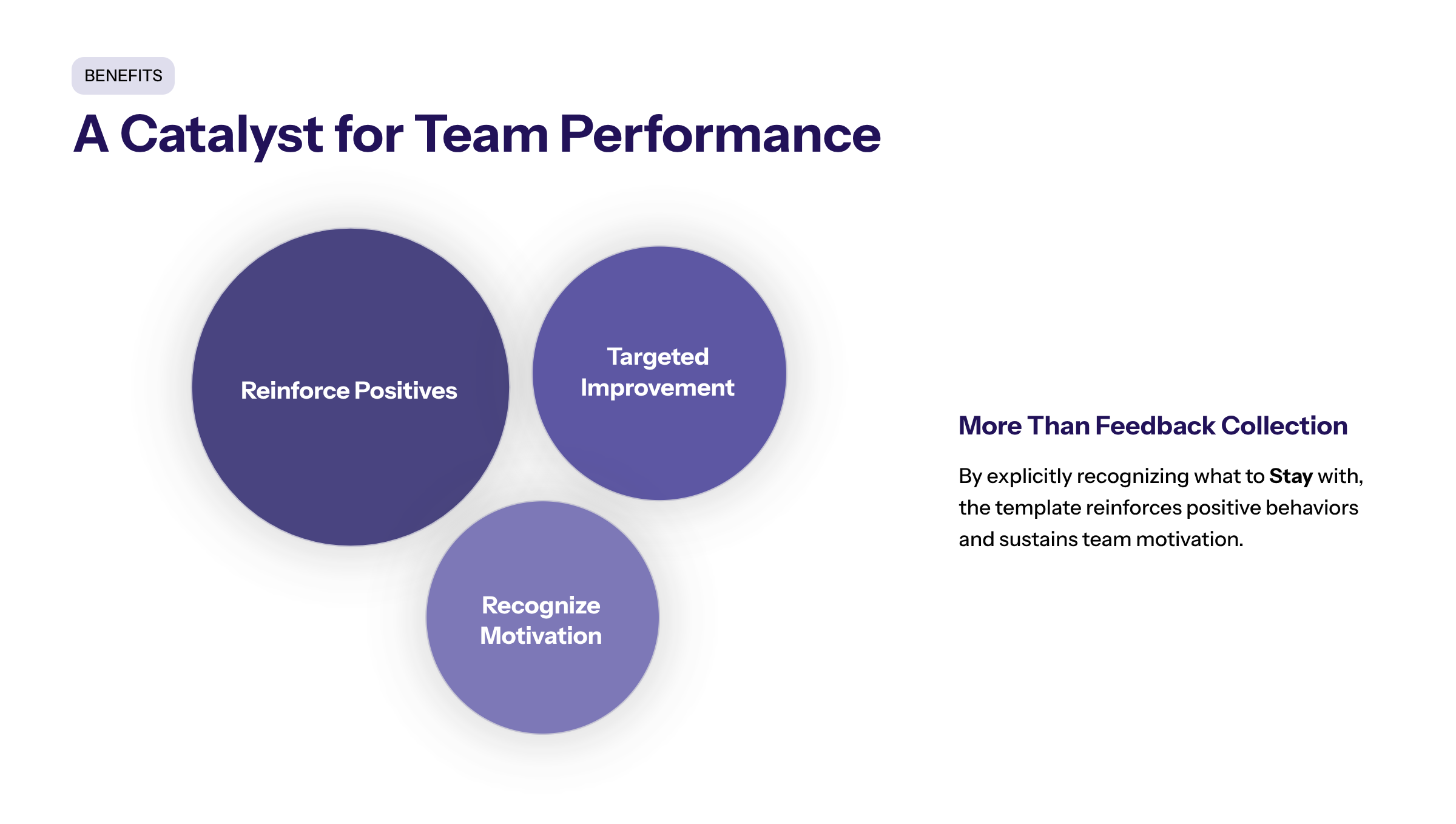
The Stay Change Stop template is more than a feedback collection tool; it is a catalyst for improving team performance. By explicitly recognizing what practices to continue (stay), it reinforces positive behaviors and motivates team members. Simultaneously, identifying areas to change or stop prevents stagnation and eliminates inefficiencies, supporting continuous improvement.
Fostering Psychological Safety and Open Dialogue
Psychological safety is critical for effective feedback. The template’s structured format encourages team members to share honest perspectives without fear of criticism. This open discussion nurtures trust and collaboration, essential ingredients for high-functioning teams.
Supporting Measurable Outcomes and Accountability
The template guides teams to translate retrospective insights into specific actions with assigned responsibilities and setting deadlines. This structured approach ensures that feedback leads to tangible progress and that future sessions build upon documented improvements.
When to Use the Stay Change Stop Template
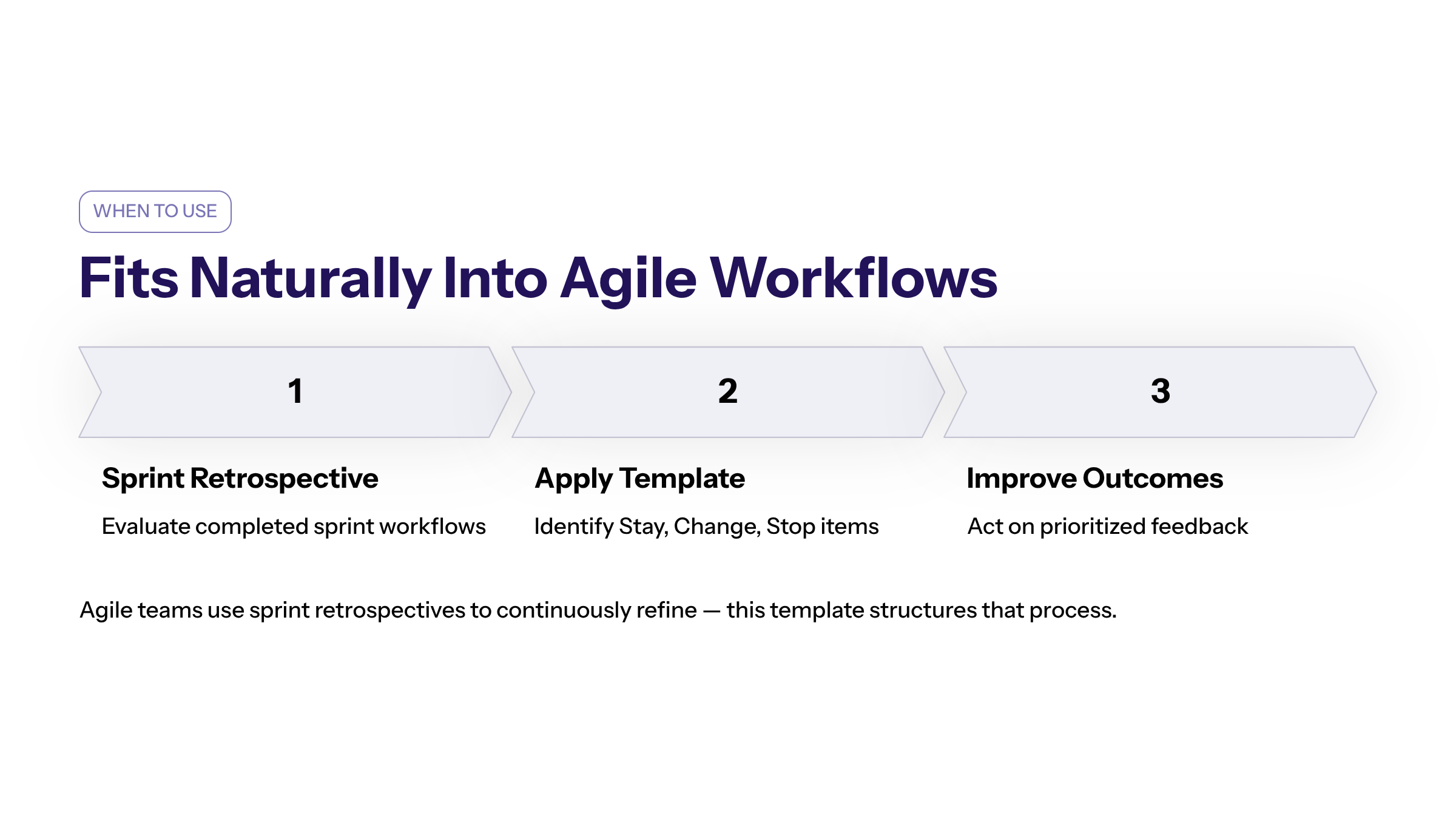
In Agile and Project Management Environments
Agile teams frequently conduct sprint retrospectives to evaluate their workflows. The Stay Change Stop template fits naturally into these sessions, helping teams identify what to maintain, modify, or discontinue to improve sprint outcomes.
During Employee Performance Reviews and Team Evaluations
Managers can leverage the template to facilitate employee performance reviews, providing balanced feedback that highlights strengths while addressing areas for growth. This promotes a culture of continuous development and engagement.
For Strategic Planning and Change Initiatives
Organizations undergoing change initiatives can use the template to gather insights on adoption challenges and opportunities. This ensures that change management efforts are informed by frontline feedback and aligned with organizational objectives.
How to Conduct a Stay Change Stop Exercise
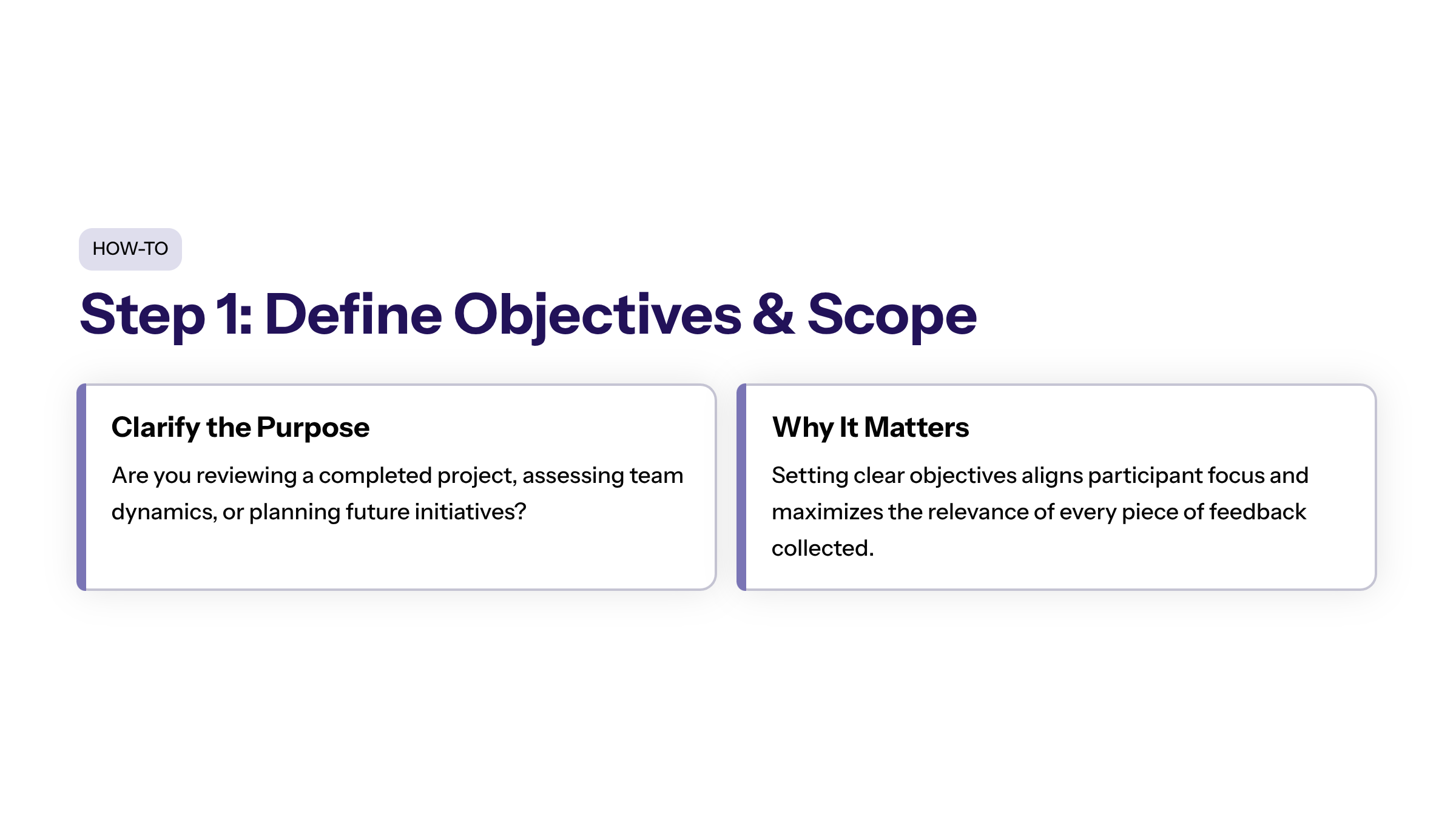
Step 1: Define Clear Objectives and Scope
Begin by clarifying the purpose of the exercise—whether it’s to review a completed project, assess team dynamics, or plan for future initiatives. Setting objectives aligns participant focus and maximizes the relevance of feedback.
Step 2: Facilitate Collaborative Feedback Collection
Use sticky notes, digital retrospective templates, or collaboration platforms to gather input from all team members. Encourage participants to add feedback under the three categories—stay, change, and stop—drawing from past experiences and observations.
Step 3: Group Similar Ideas and Identify Recurring Themes
Organize feedback by clustering similar ideas to reveal patterns and shared priorities. This step helps the team to focus discussions on the most impactful areas.
Step 4: Prioritize Actions and Develop a Clear Action Plan
Facilitate group discussions to prioritize which changes to implement, which behaviors to continue, and what practices to discontinue. Assign specific actions, owners, and set deadlines to ensure accountability.
Step 5: Schedule Follow-Up Sessions and Monitor Progress
Establish regular check-ins or future sessions to review progress against the action plan. This reinforces a culture of continuous improvement and allows for adjustments based on new insights.
“Continuous feedback mechanisms like the Stay Change Stop template empower teams to evolve dynamically, fostering resilience and sustained performance.” – Harvard Business Review
Best Practices for Effective Stay Change Stop Sessions
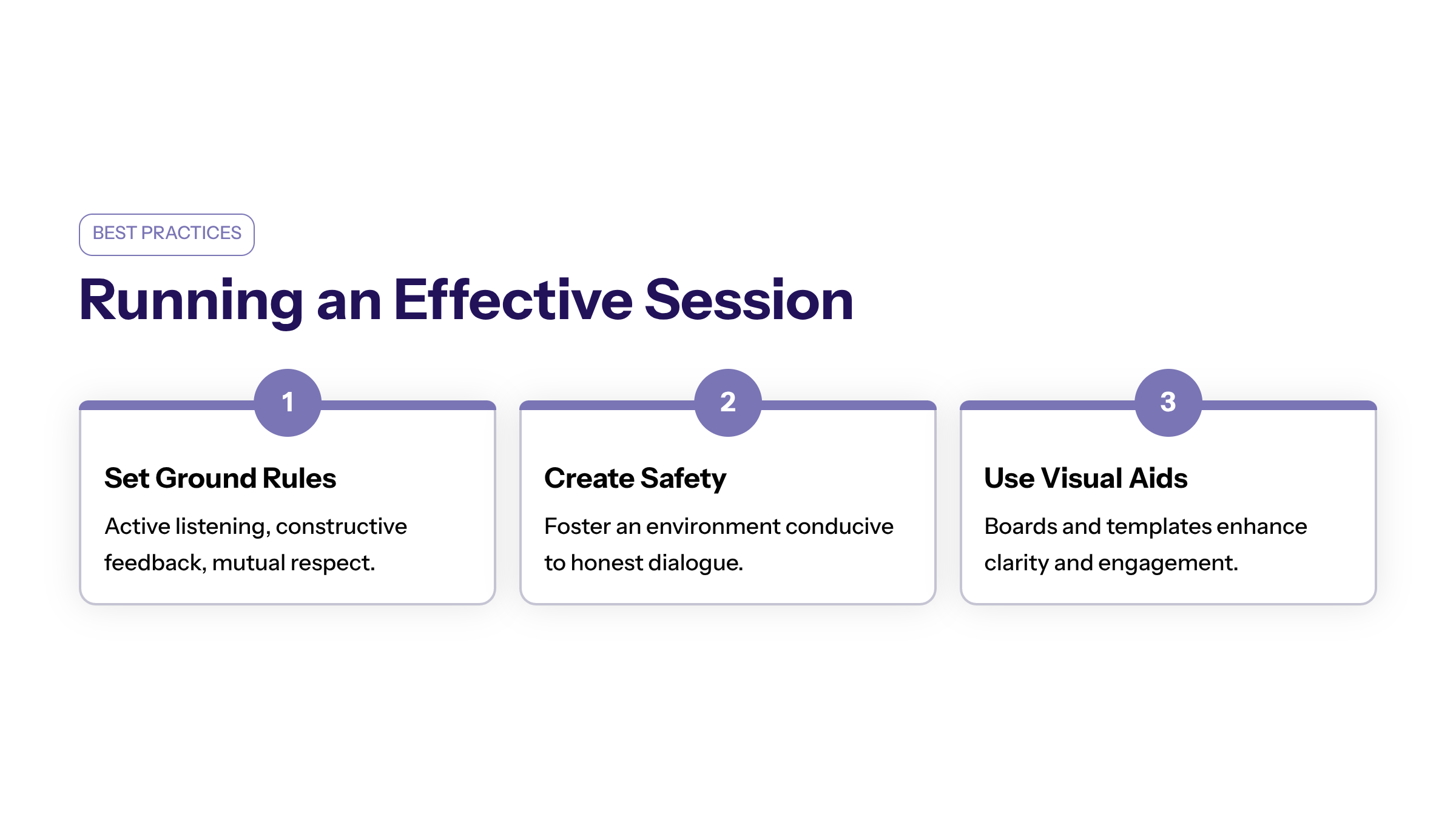
Establishing Ground Rules to Promote Respectful Engagement
Set clear expectations around active listening, constructive feedback, and respect to create a safe environment conducive to honest dialogue.
Utilizing Visual Elements to Enhance Clarity
Incorporate color-coding, icons, or charts within the template to highlight key points and facilitate quick comprehension during discussions.
Encouraging Full Participation and Inclusivity
Ensure that every team member contributes, whether in person or remotely, to capture diverse perspectives and foster ownership of outcomes.
Focusing on Actionable Insights and Measurable Outcomes
Guide discussions toward specific, concrete actions rather than vague suggestions, enabling clear tracking of progress and impact.
Building the Ideal Stay Change Stop Template
Template Component | Description | Purpose |
|---|---|---|
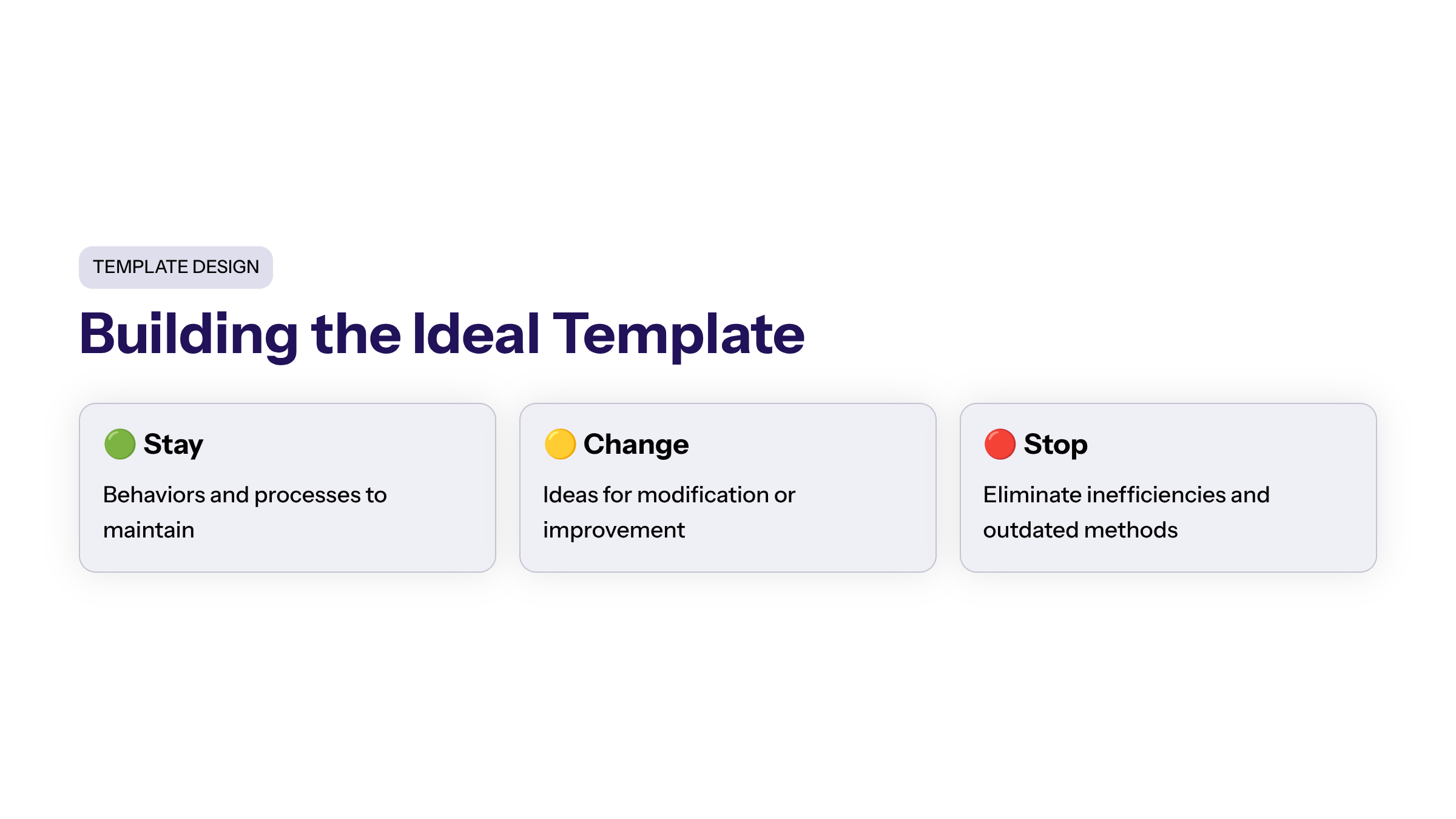
Stay Column | Lists behaviors and processes to maintain | Reinforces positive practices |
Change Column | Captures ideas for modification or improvement | Drives innovation and adaptation |
Stop Column | Identifies practices to discontinue | Eliminates inefficiencies and outdated methods |
Comments/Notes Section | Space for additional context or suggestions | Provides depth and clarity |
Visual Elements | Colors, icons, or charts | Enhances readability and engagement |
Action Plan Integration | Fields for assigning owners, deadlines, and follow-up dates | Ensures accountability and progress tracking |
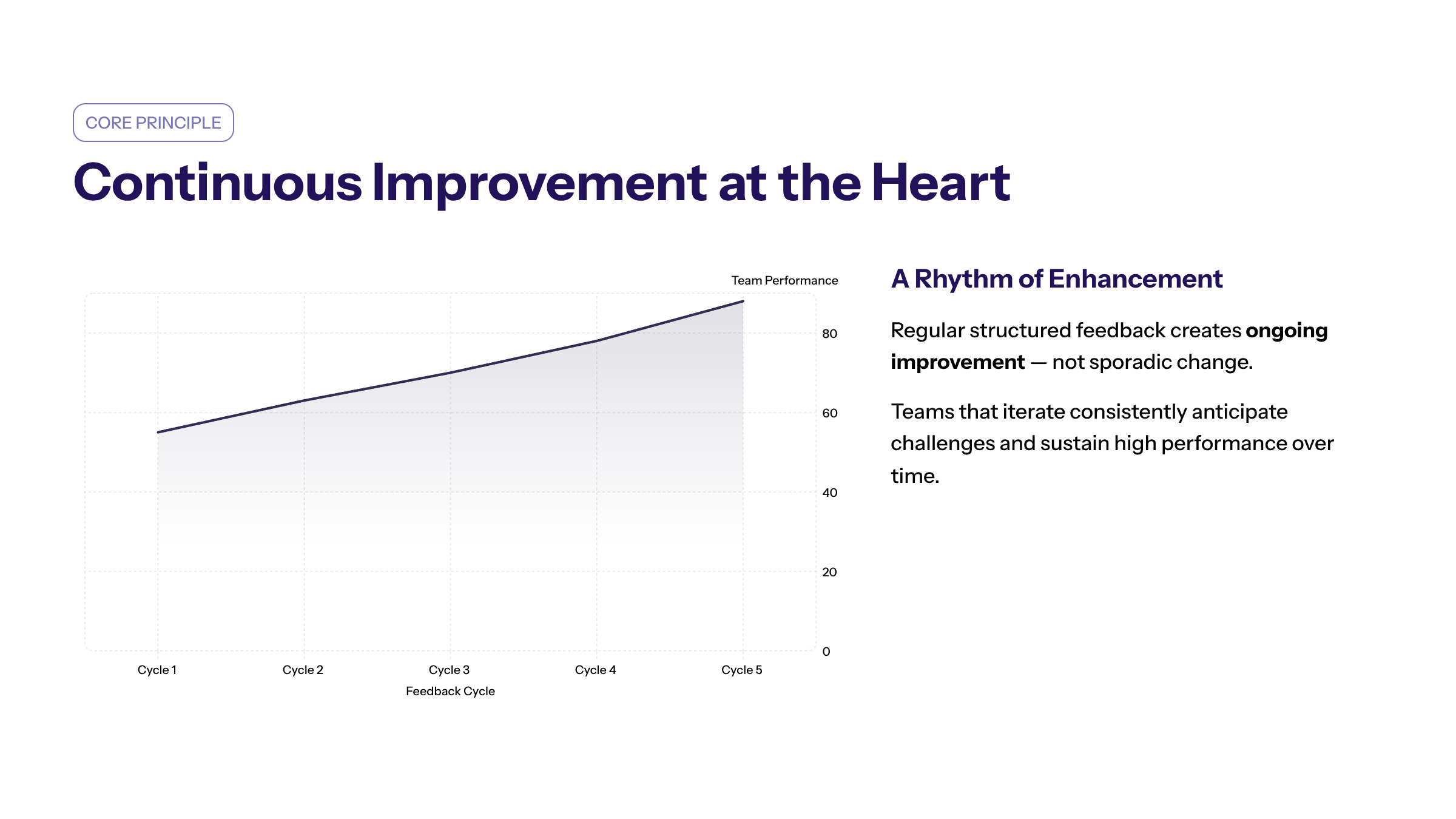
Continuous Improvement: The Heart of the Stay Change Stop Template
Continuous improvement is a fundamental principle that underpins the Stay Change Stop template. By regularly engaging in this structured feedback process, teams create a rhythm of ongoing enhancement rather than sporadic change. This proactive mindset helps teams anticipate challenges, adapt quickly, and sustain high performance over time.
Embedding continuous improvement into team culture encourages members to view feedback not as criticism but as an opportunity for growth. The Stay Change Stop template’s balanced approach, recognizing what to stay and change alongside what to stop, fosters a positive environment where innovation thrives and inefficiencies are systematically removed.
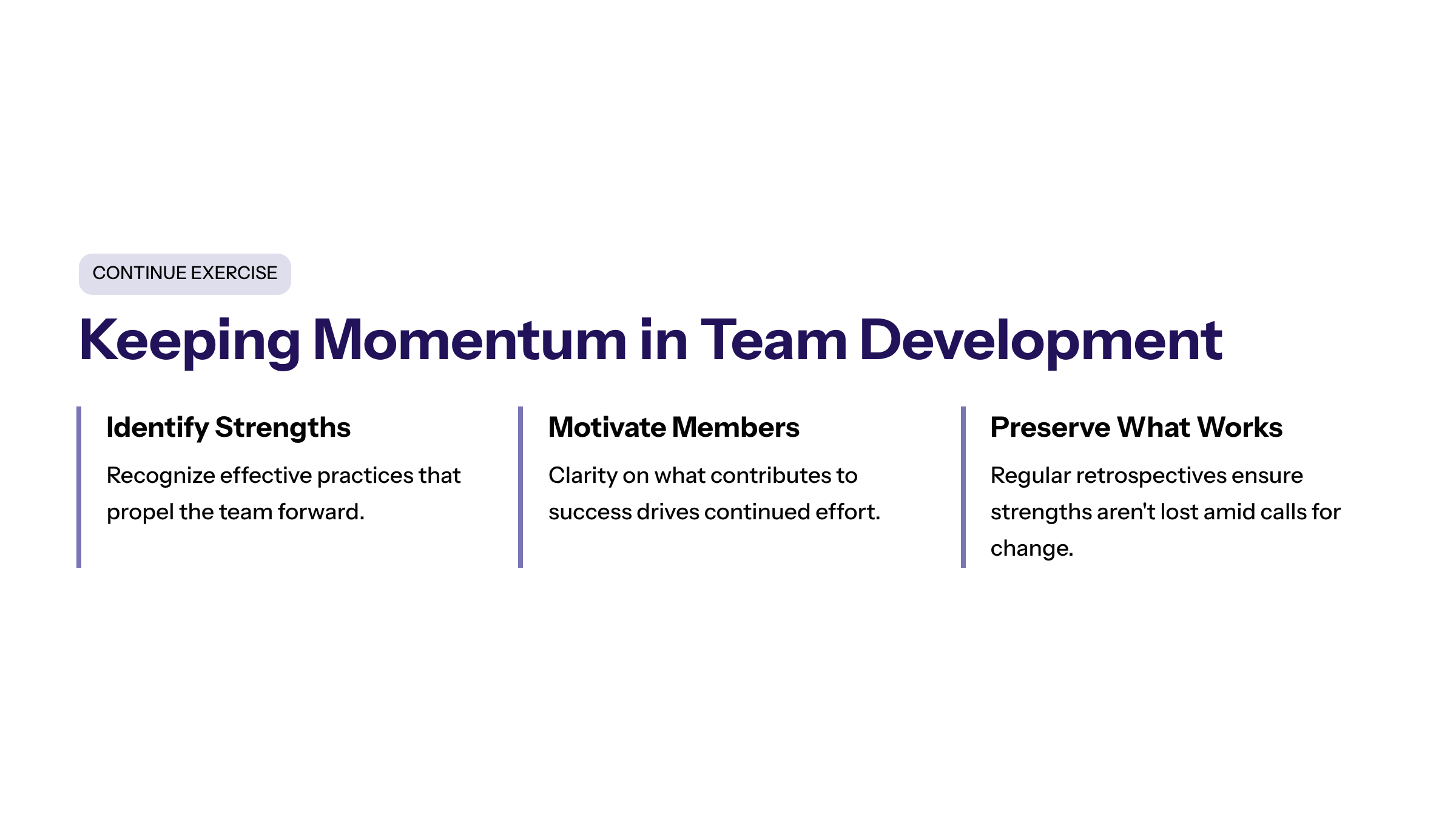
Continue Exercise: Keeping Momentum in Team Development
The continue exercise aspect of the Stay Change Stop template focuses on identifying and reinforcing effective practices that propel the team forward. This recognition motivates team members and provides clarity on behaviors and processes that contribute to success.
Incorporating a continue exercise in regular retrospectives ensures that teams do not lose sight of their strengths amid calls for change. It also supports personal development by highlighting individual and collective achievements, which are crucial for morale and engagement.
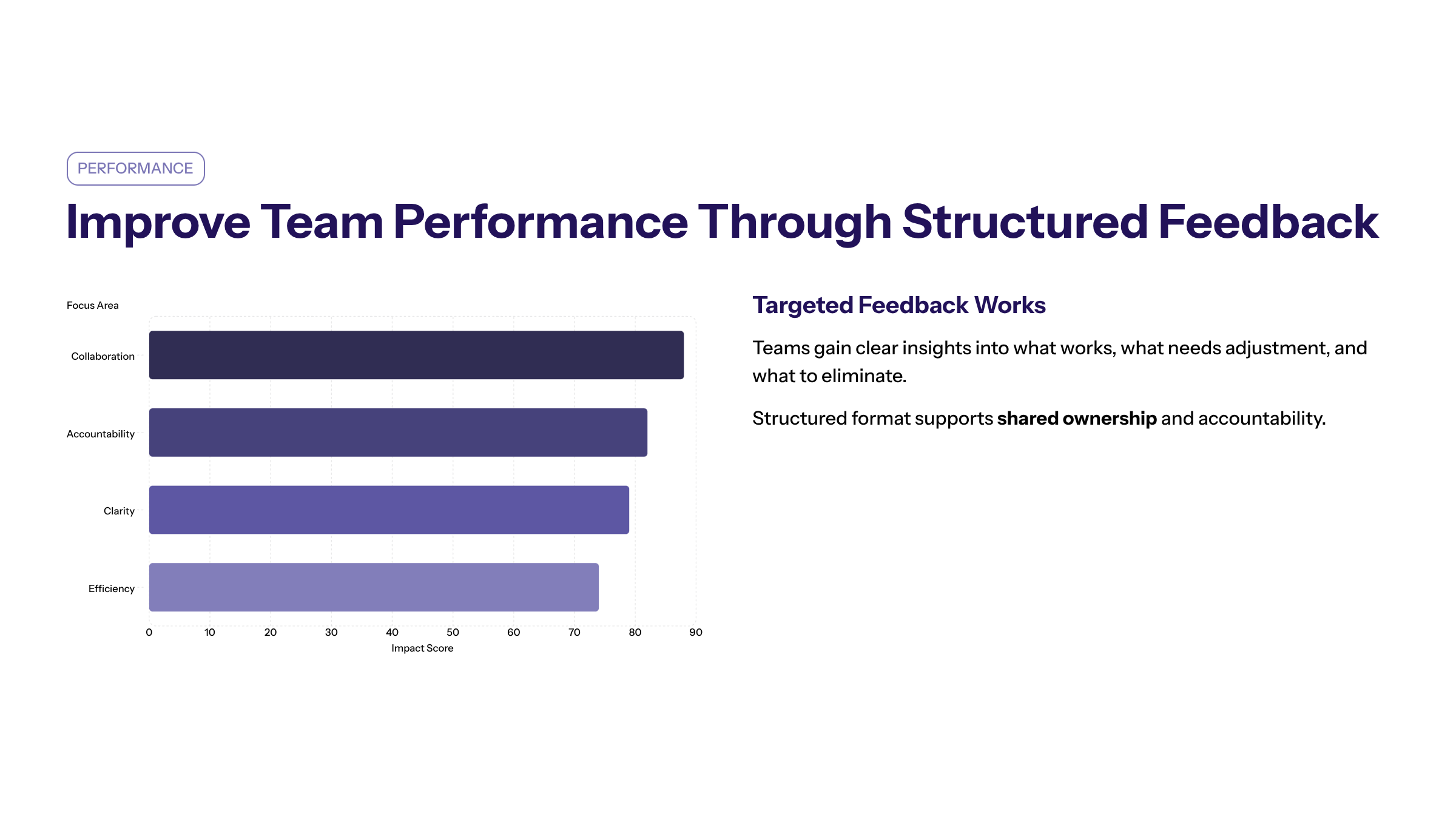
Improve Team Performance Through Structured Feedback
Using the Stay Change Stop template systematically improves team performance by facilitating targeted feedback. Teams gain clear insights into what works, what needs adjustment, and what should be eliminated, enabling focused efforts on impactful areas.
The template’s structured format supports open discussion and shared ownership of outcomes, which enhances collaboration and accountability. When teams commit to actionable feedback and follow through with defined next steps and action items, performance gains become measurable and sustainable.
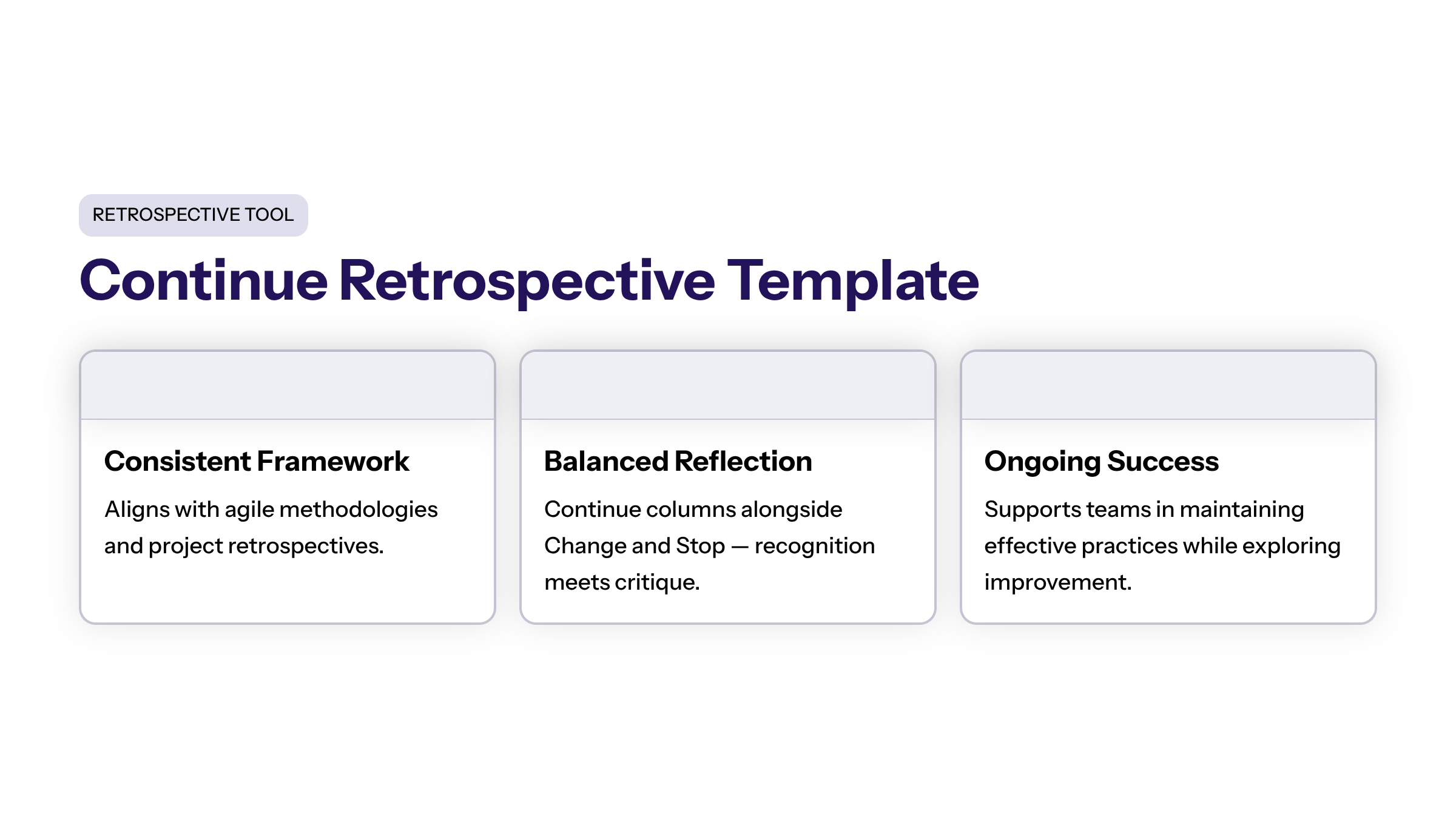
Continue Retrospective Template: A Tool for Ongoing Success
A continue retrospective template is a valuable resource that supports teams in maintaining effective practices while exploring opportunities for improvement. It provides a consistent framework for reflection, aligning with agile methodologies and project retrospectives.
By integrating continue columns alongside change and stop sections, teams can balance recognition with constructive critique. This balance is essential for fostering psychological safety and encouraging honest, productive conversations.
Feedback Templates: Streamlining the Feedback Process
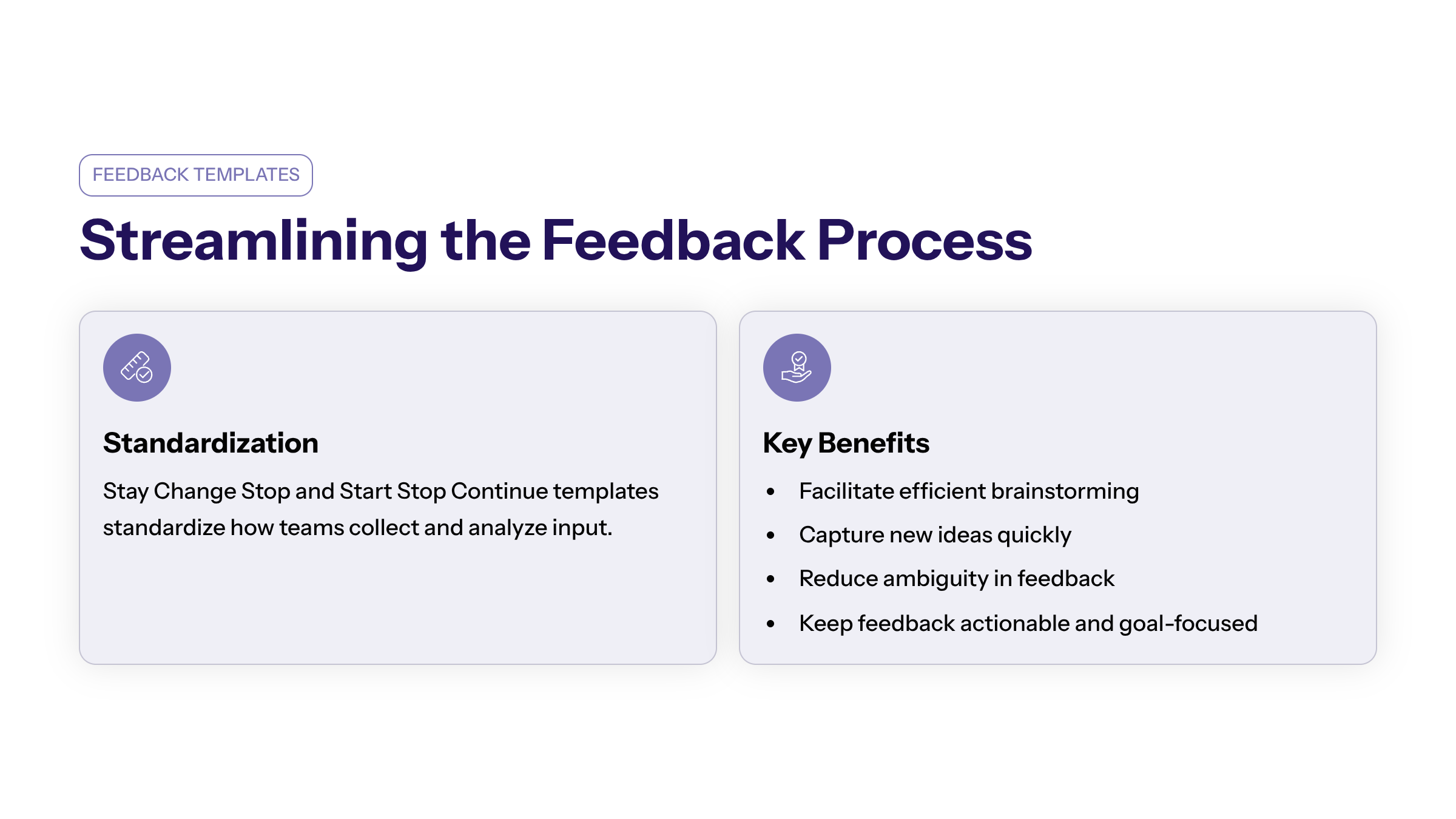
Feedback templates, including the Stay Change Stop and start stop continue templates, standardize the way teams collect and analyze input. These templates facilitate brainstorming sessions and help capture new ideas efficiently.
Using feedback templates reduces ambiguity and ensures that feedback is actionable and focused on achieving goals. They also support giving feedback in a structured manner, which improves communication and promotes a culture of continuous learning.
Generating New Ideas Through Collaborative Brainstorming Sessions
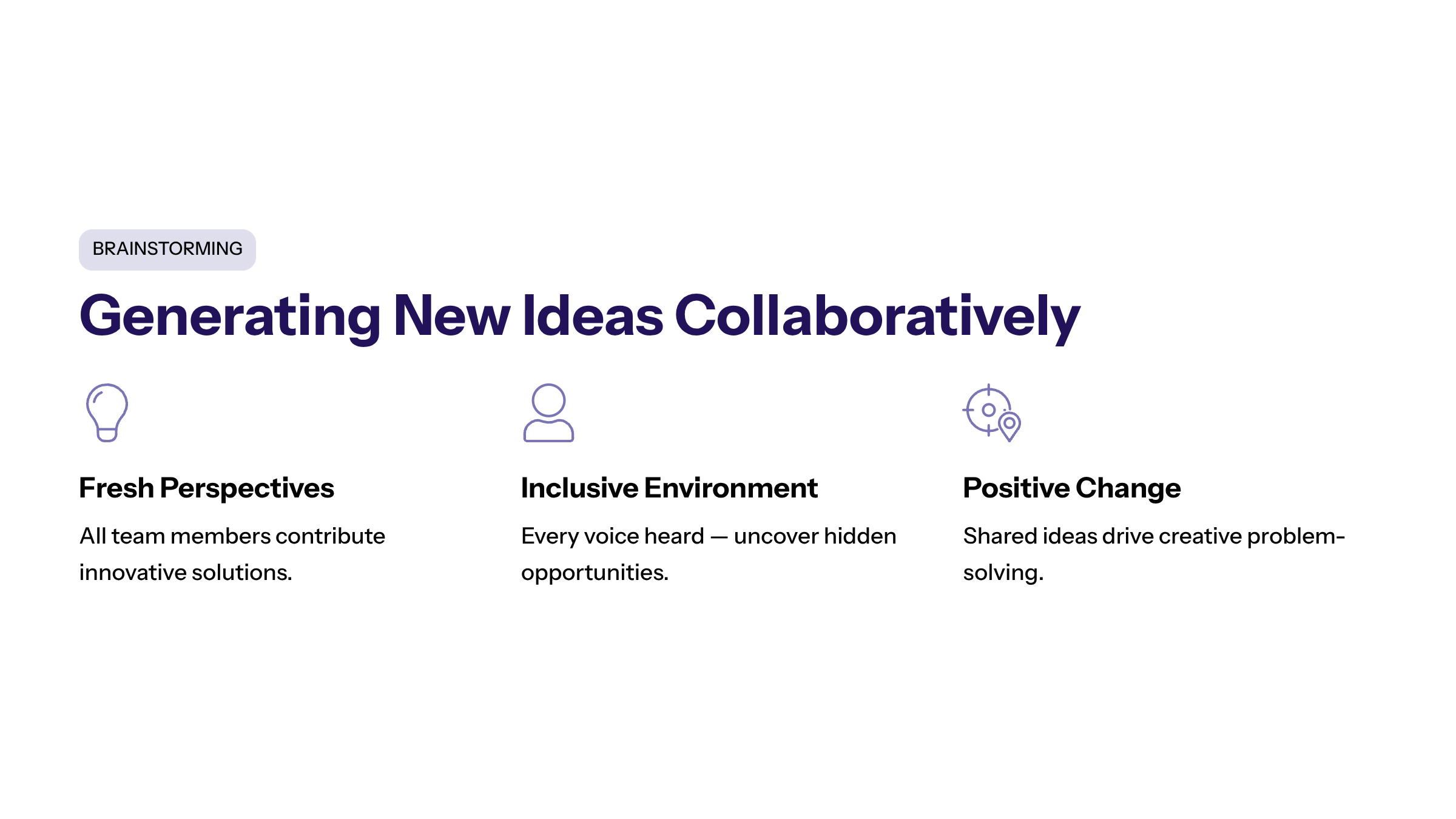
Brainstorming sessions are integral to the Stay Change Stop technique, enabling team members to contribute fresh perspectives and innovative solutions. These sessions, supported by feedback templates, encourage the sharing of new ideas that can drive positive changes.
By fostering an inclusive environment where all voices are heard, teams can uncover hidden opportunities and address challenges creatively. Documenting these new ideas within the template ensures they are considered during prioritization and action planning.
Continue Recognizing Success: The Power of Positive Feedback
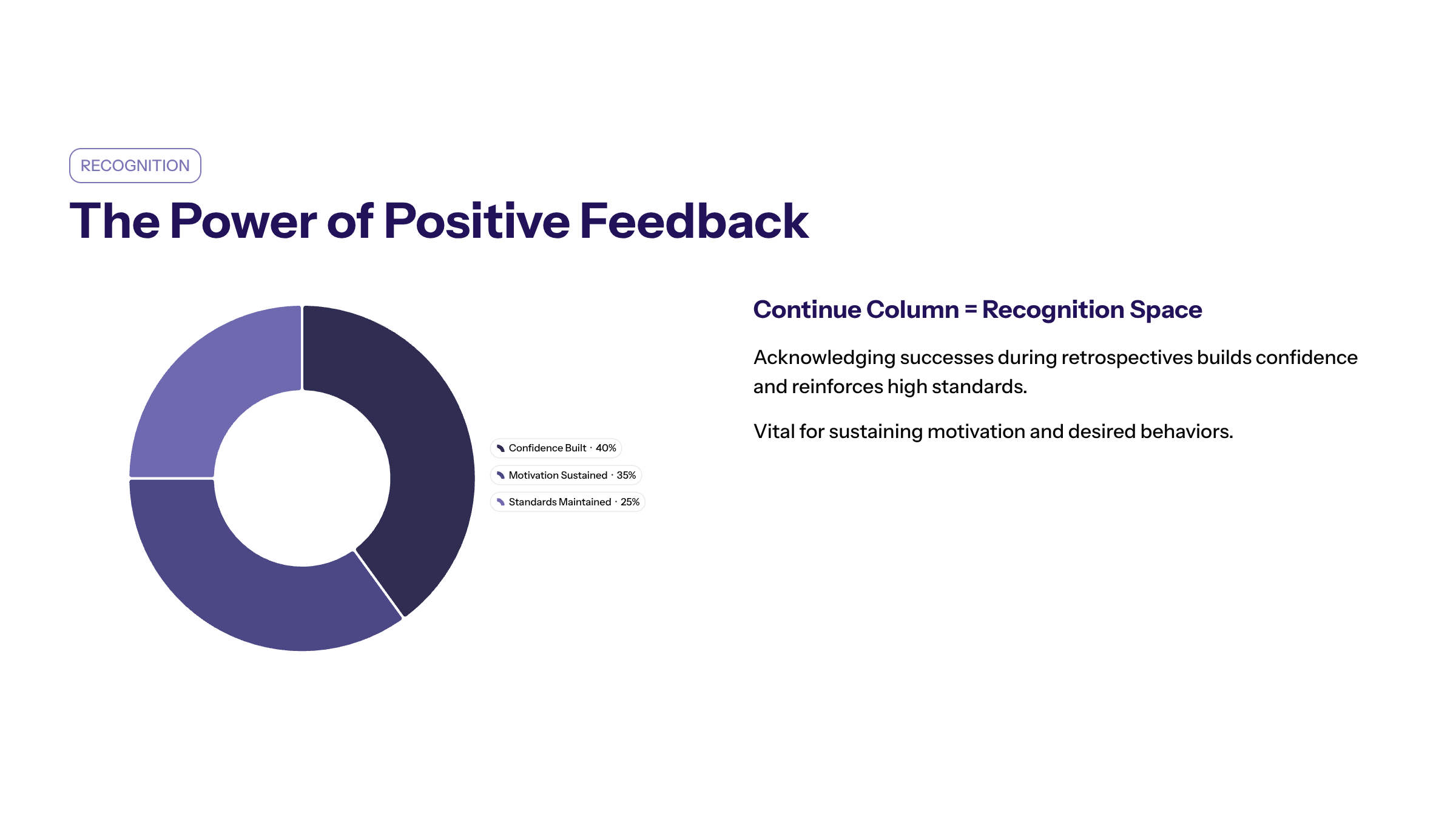
Continue recognizing effective practices and achievements is vital for sustaining motivation and reinforcing desired behaviors. The Stay Change Stop template’s continue column serves as a dedicated space for this purpose.
Acknowledging successes during continue retrospectives helps build confidence and encourages team members to maintain high standards. This practice also strengthens team cohesion by celebrating collective progress.
Next Steps: Translating Feedback into Action
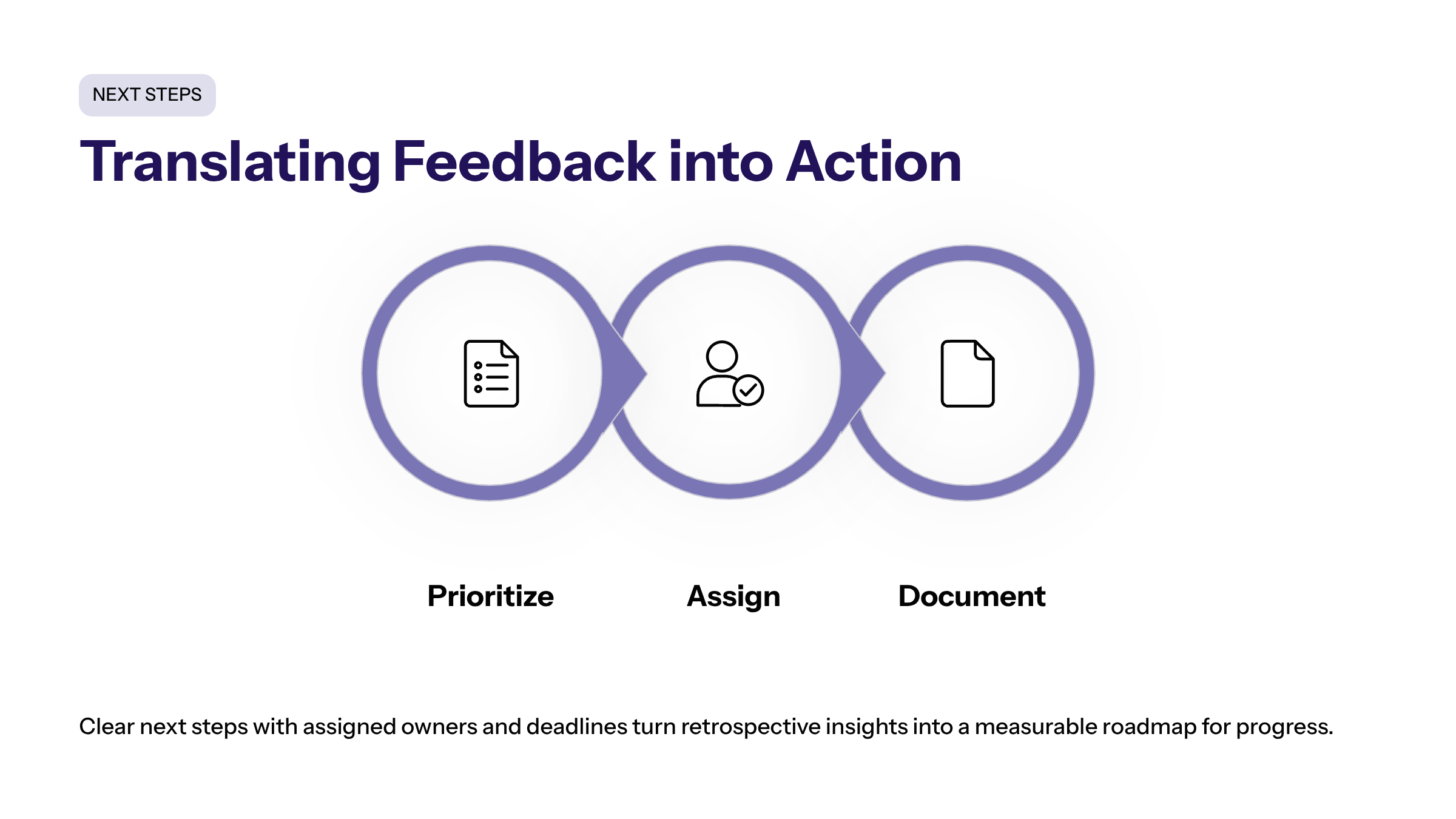
Identifying next steps is crucial to turning feedback into measurable outcomes. After prioritizing items from the stay, change, and stop categories, teams should develop clear action plans with assigned owners and deadlines.
Documenting these next steps in the template ensures accountability and provides a roadmap for progress. Regular follow-ups and review sessions help track completion of action items and allow for course corrections as needed.
Action Items: Driving Accountability and Progress
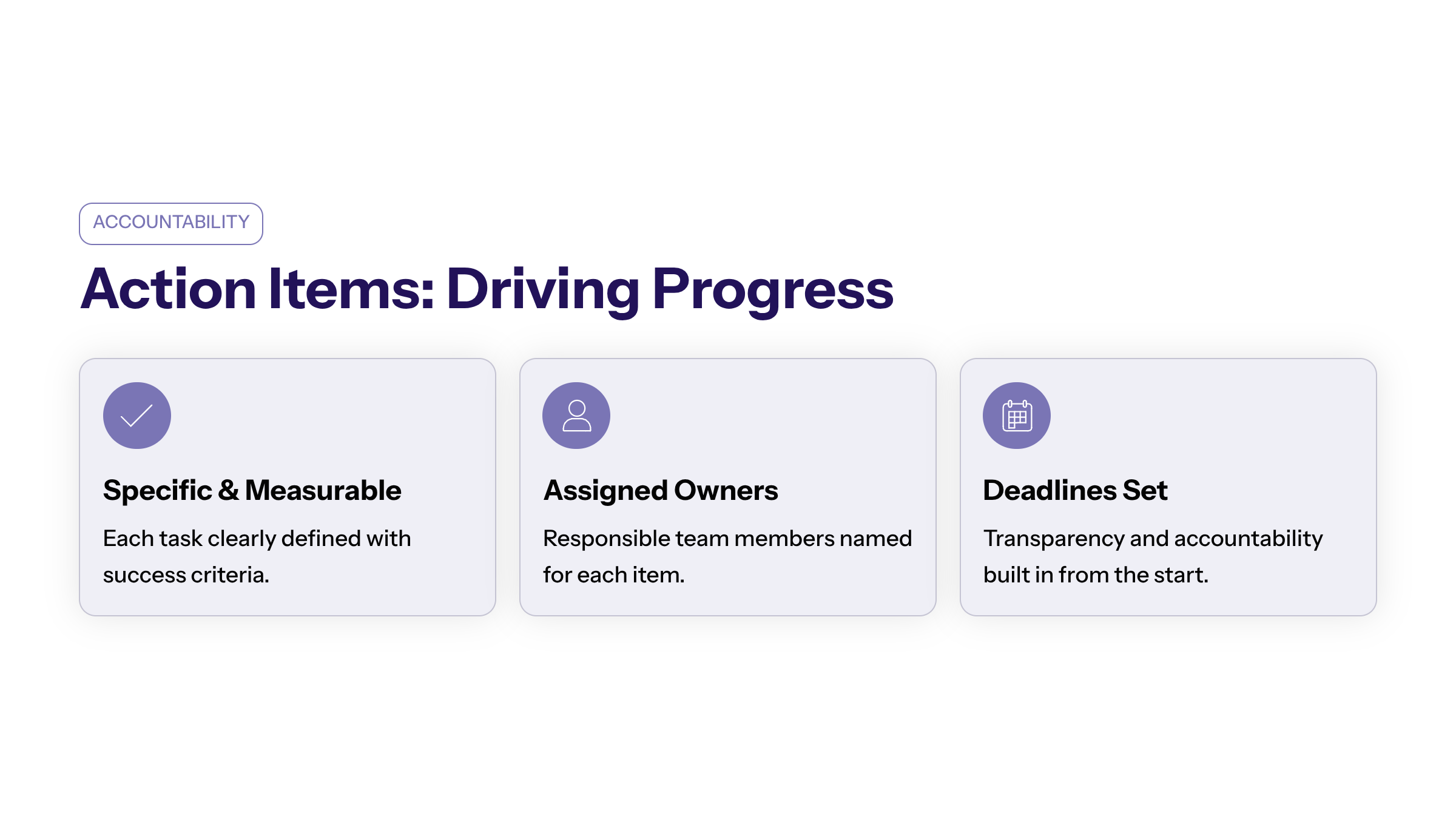
Action items are the tangible tasks derived from the Stay Change Stop exercise. Each item should be specific, measurable, and assigned to responsible team members.
Establishing deadlines and success criteria for action items creates transparency and fosters a culture of accountability. This structured approach ensures that feedback leads to real improvements rather than remaining theoretical discussions.
Continue Retrospectives: Embedding Feedback into Team Culture
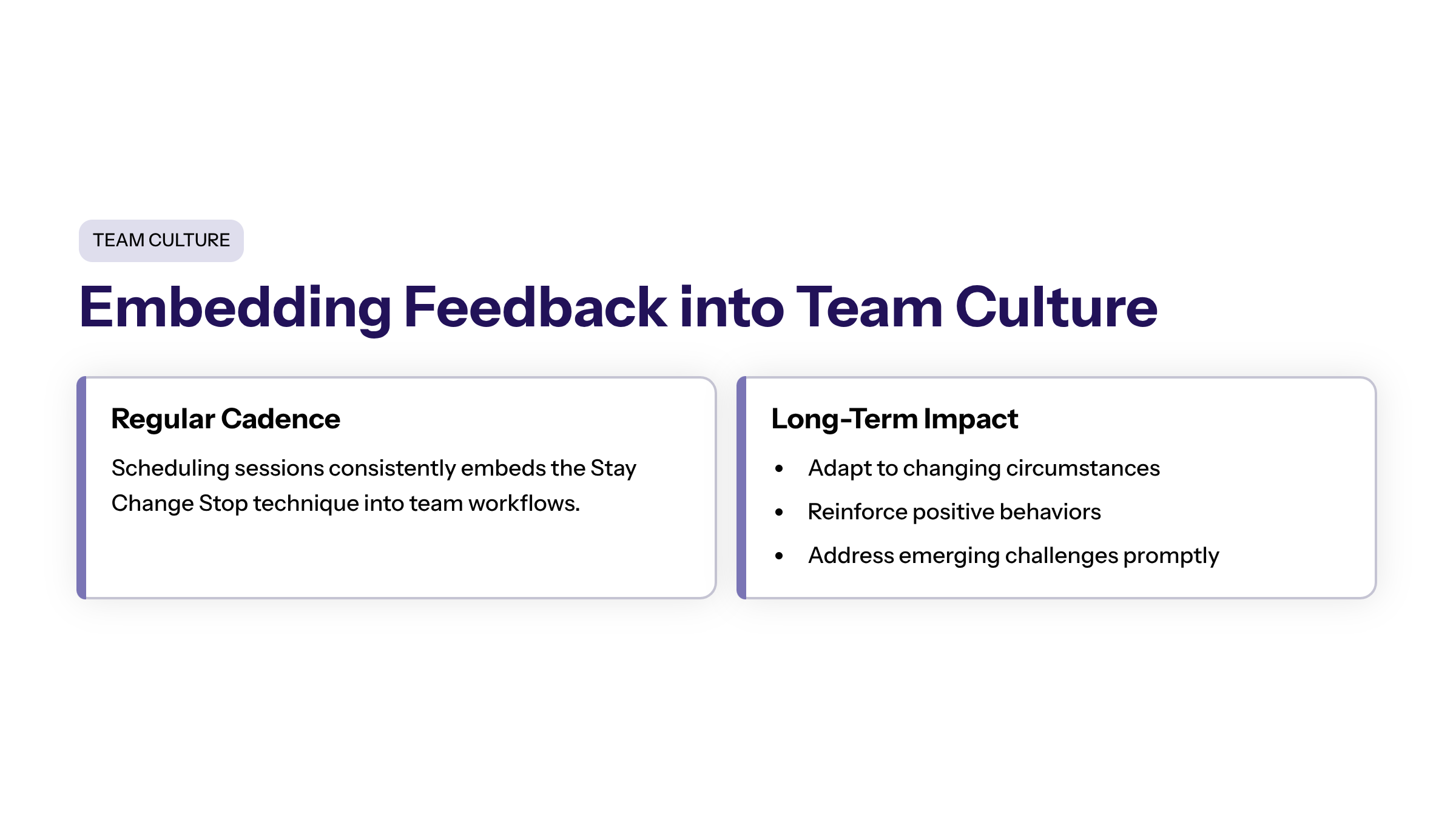
Continue retrospectives are essential for maintaining a cycle of reflection and growth. By scheduling these sessions regularly, teams embed the Stay Change Stop technique into their workflows, promoting continuous improvement.
Consistent continue retrospectives help teams adapt to changing circumstances, reinforce positive behaviors, and address emerging challenges promptly. This ongoing practice supports sustained team effectiveness and organizational agility.
Continue Examples: Practical Applications of the Template
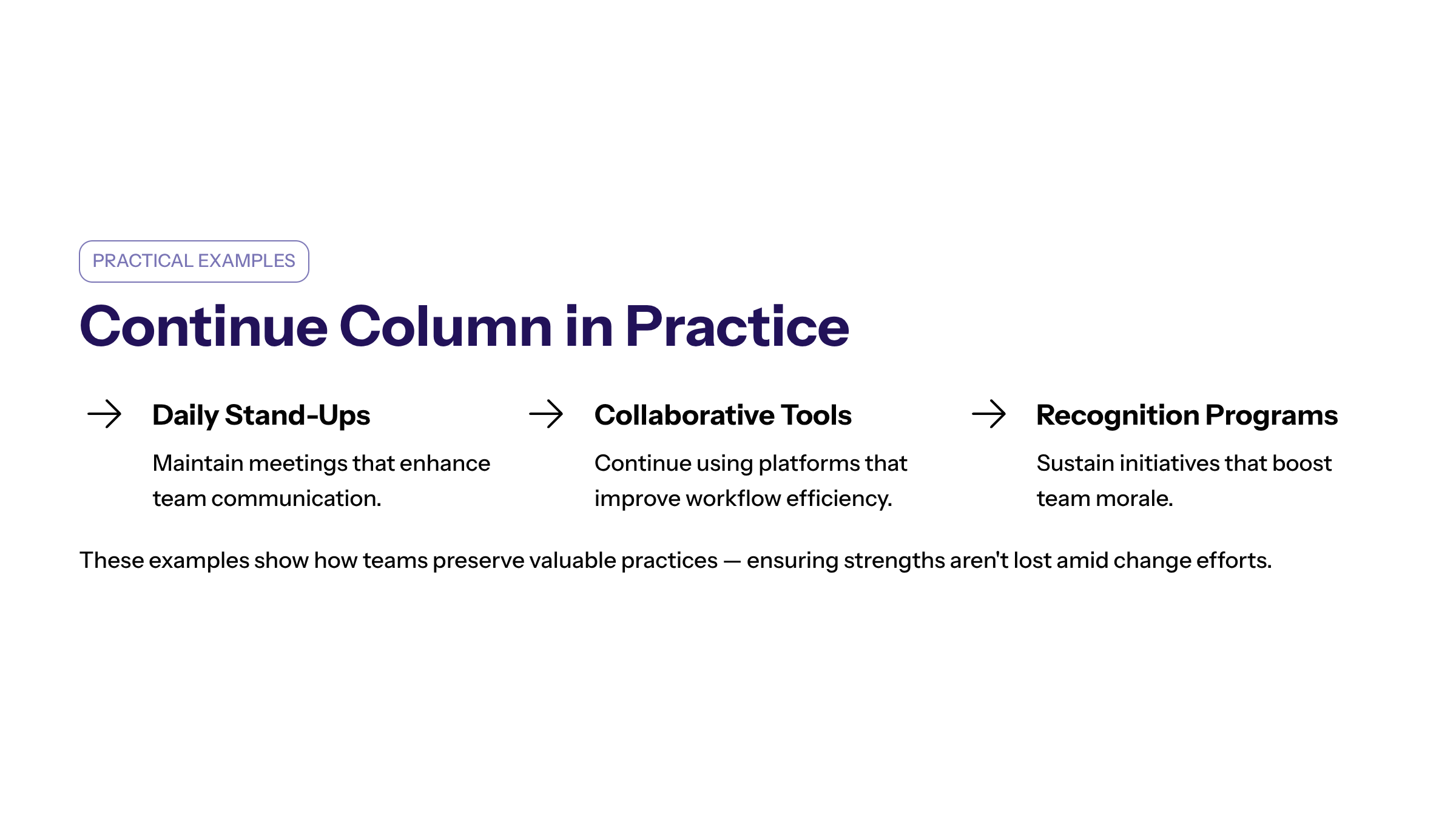
Examples of continue columns might include maintaining daily stand-ups that enhance communication, continuing to use collaborative tools that improve workflow, or sustaining recognition programs that boost morale.
These continue examples illustrate how teams can identify and preserve practices that contribute to their success, ensuring that valuable behaviors are not lost amid change efforts.
Conclusion
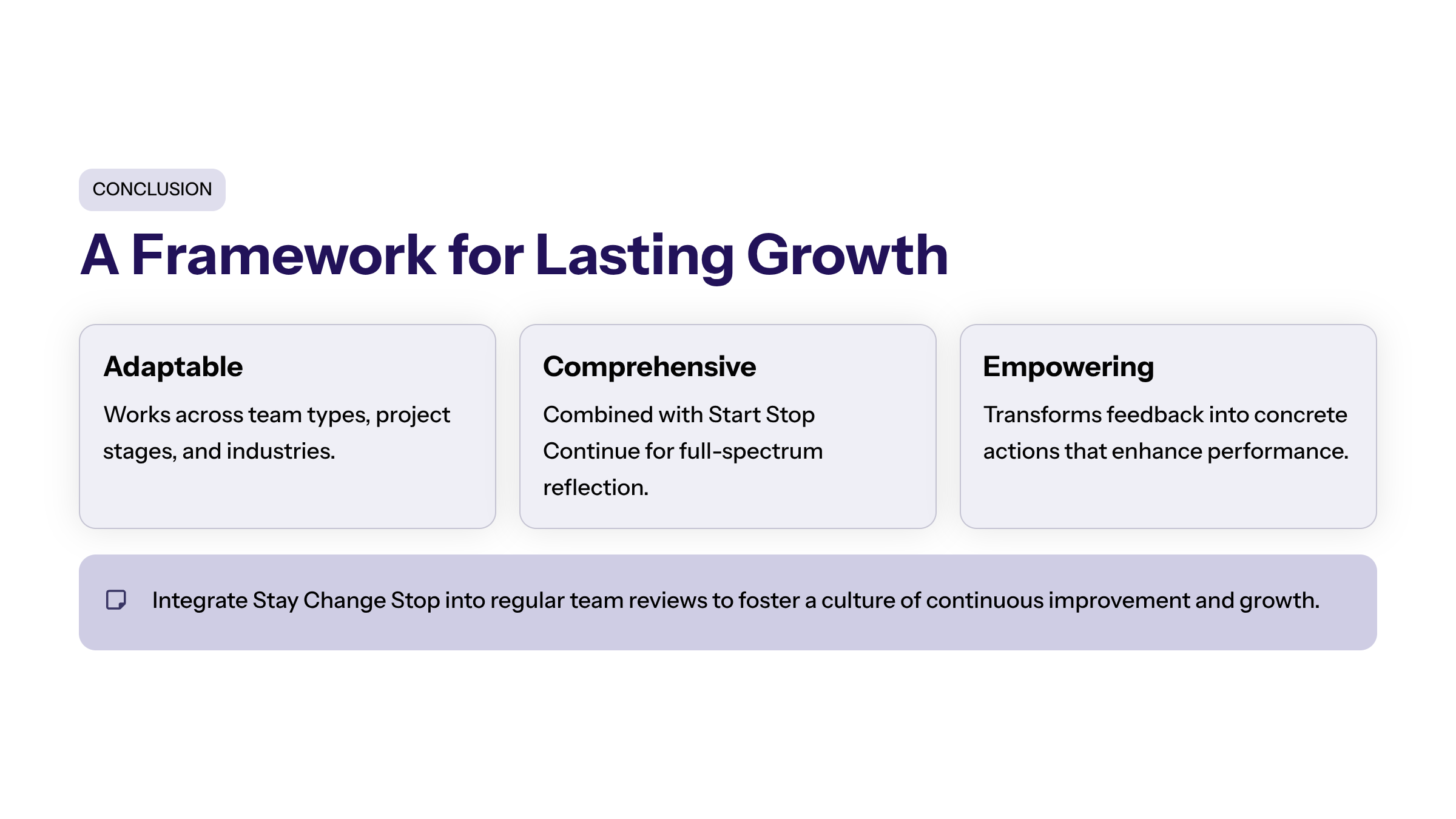
The Stay Change Stop template is a powerful, adaptable framework that supports teams in delivering constructive feedback, aligning on shared priorities, and driving continuous improvement.
When combined with the start stop continue exercise, it offers a comprehensive approach to team reflection and growth.
By integrating this simple exercise and start stop continue technique into regular team reviews and start stop continue retrospectives, organizations empower project managers and team members alike to transform feedback into concrete actions that enhance performance and foster a culture of growth.
Using start stop continue examples during these sessions helps clarify expectations and inspire meaningful change. Moreover, conducting a thorough continue analysis ensures that effective practices are recognized and maintained.
Embracing the Stay Change Stop template as part of a broader feedback strategy ensures that retrospective insights translate into measurable outcomes, enabling entire teams to stay aligned, adapt proactively, and continually improve.