Anthropic Threat Intelligence Report, September 2026: Three Cases and Defensive Implications
Anthropic's September 2026 threat intelligence report describes misuse it investigated and disrupted between December 2025 and August 2026. It covers seven harm areas and presents notable cases, not a representative estimate of all AI misuse.
Anthropic's September 2026 threat intelligence report describes misuse it investigated and disrupted between December 2025 and August 2026. It covers seven harm areas and presents notable cases, not a representative estimate of all AI misuse.
The useful enterprise question is not simply whether AI makes attackers more capable. It is which of your own identity, data and action boundaries should be reviewed, and what evidence would show that those boundaries work.
Three Cases Worth Reading in the Primary Report
The following summaries are attributed to Anthropic's September report; Cognativ has not independently verified the incidents.
| Report section | Reported observation |
|---|---|
| GTG-20006: Russian espionage | Anthropic describes AI-assisted operational workflows and attributes the activity consistently with public reporting on Midnight Blizzard. Attribution remains the provider's assessment. |
| GTG-50014 | The report describes financially motivated activity involving credentials harvested from mobile applications and agentic workflows across victims. |
| GTG-15001: Deceptive dating app network | Anthropic reports a China-based studio using Claude to build dating applications and operate AI personas while advertising human interaction. |
The report distinguishes degrees of autonomy and notes continuing human involvement in consequential choices. Its cases should not be reduced to a claim that every attack was fully autonomous. Nor does a provider's disruption establish that all downstream harm was reversed.
What These Observations Do and Do Not Tell a Defender
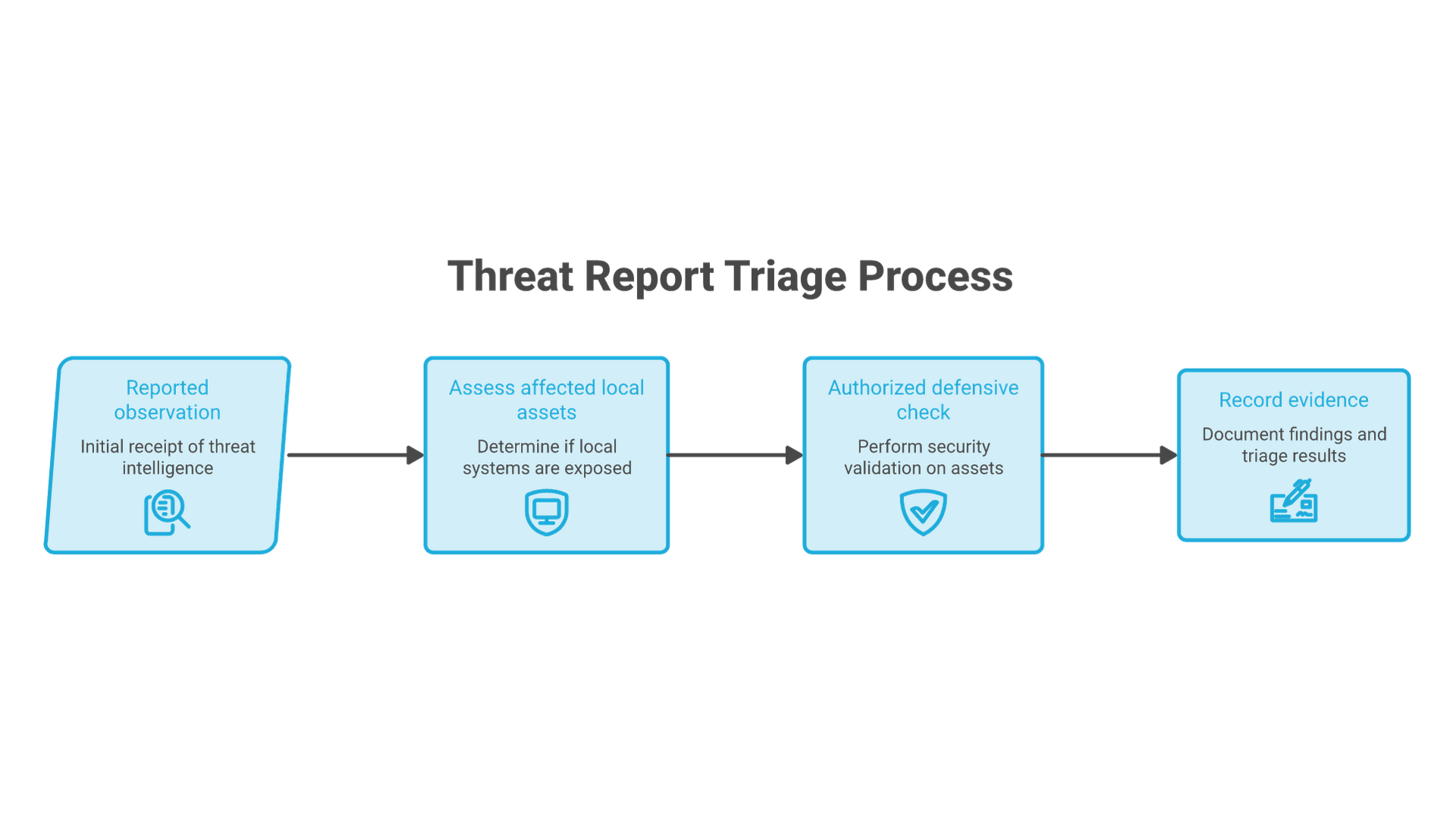
The analysis below is an independently authored defensive review framework, not additional incident findings. It asks how to translate external reporting into checks on systems you own or are authorized to assess.
| Exposure to examine | Question | Evidence to collect |
|---|---|---|
| Credentials and service identities | Can a leaked or overprivileged identity reach more resources than its task requires? | Access inventory, least-privilege review, expiration and revocation evidence. |
| Action-taking tools | Can an automated process perform consequential writes without the intended approval? | Tool permissions and a controlled negative test using nonproduction resources. |
| Customer-facing automation | Are people accurately informed when they are interacting with an automated system? | Actual interface copy, escalation path and product-policy review. |
| Detection and response | Can the organization trace an unexpected action to an identity, task and resource? | Relevant event records, alert ownership and an exercised response procedure. |
Do not infer your exposure from a vendor name alone. A read-only assistant over public documents and a tool-enabled process with production credentials have different consequences. Inventory the actual capabilities, not the marketing category of the system.
Run a Bounded Defensive Review
Consider a hypothetical internal assistant that drafts responses to customer requests. Its initial permission is to read approved reference material and create drafts. It should not send messages, alter customer records or browse unrelated folders.
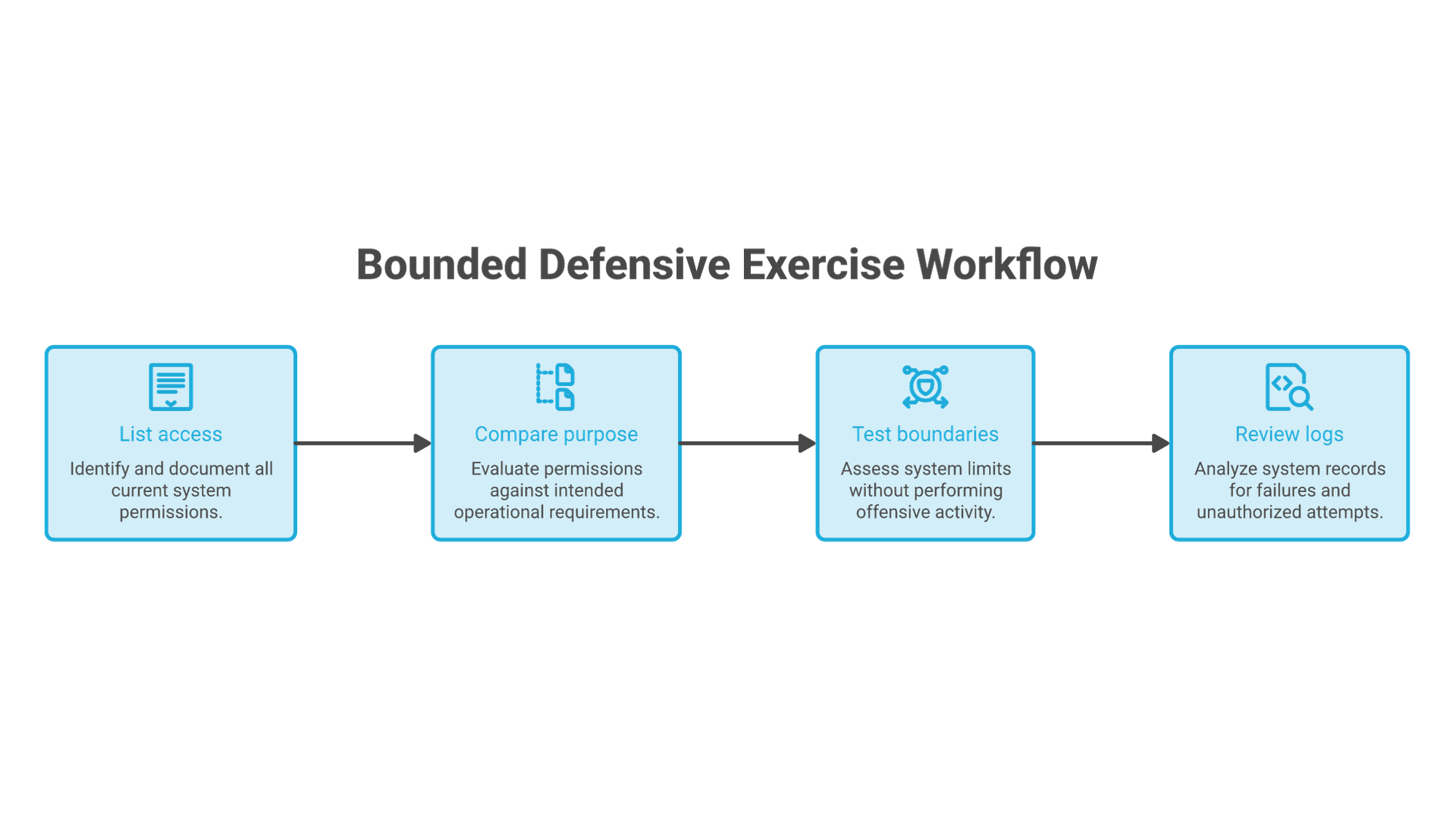
- List the identities, connectors and resources available to that assistant.
- Compare their permissions with the stated task. Record excess access rather than assuming a prompt will prevent its use.
- Use a nonsensitive fixture requesting an out-of-scope action. Verify that the action is blocked by the application or service boundary.
- Check that the event record shows the denied action without exposing unnecessary customer content.
- Revoke a test identity through the approved process and verify that access ends as expected.
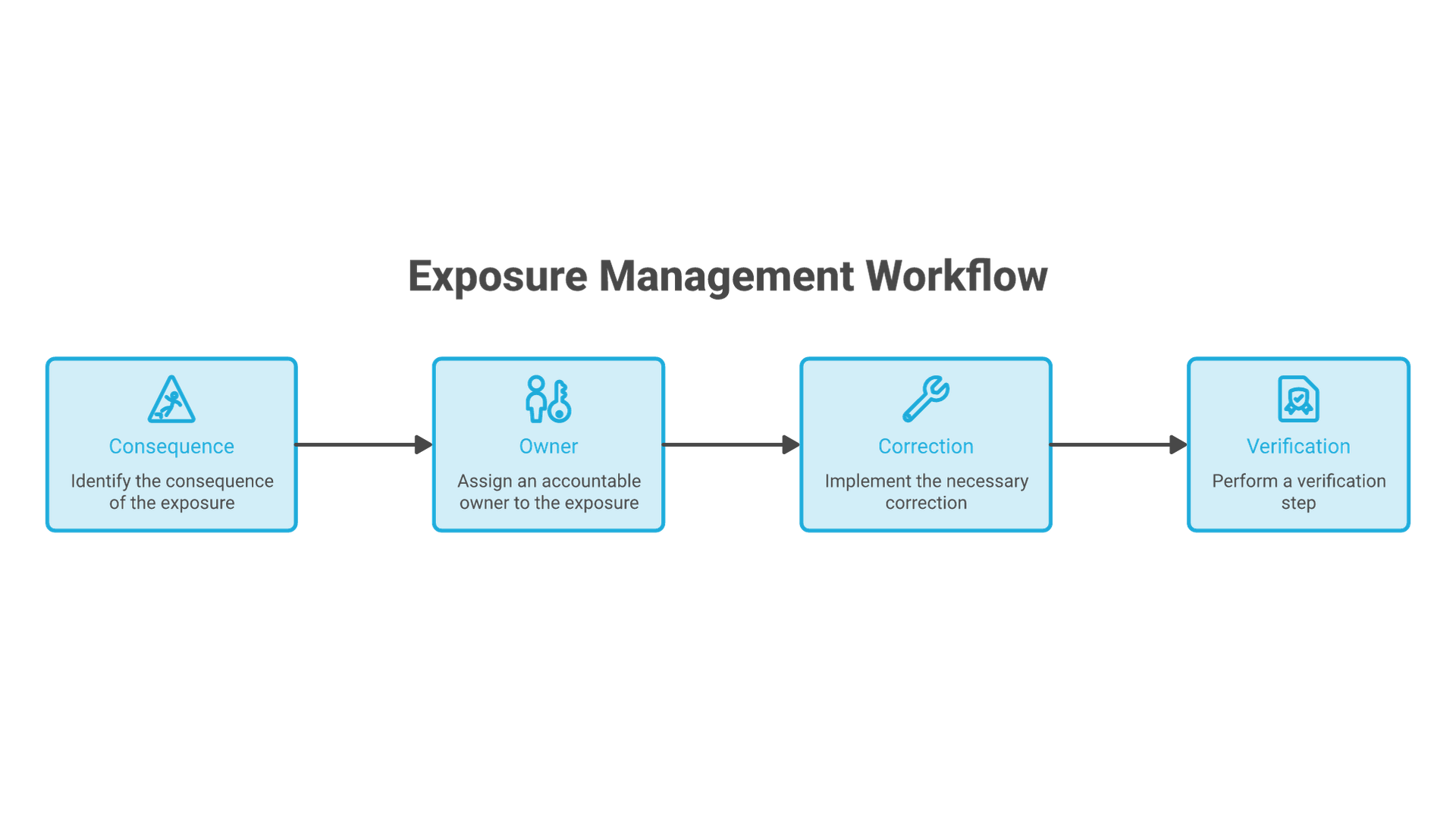
- Assign an owner and due date to any gap, then repeat the relevant check after remediation.
This exercise is a proposed test plan, not a completed Cognativ security assessment. It should be performed only on authorized systems, with approved test data and a recovery plan. It does not require reproducing an attacker's tooling or operational procedure.
Keep Four Types of Evidence Separate
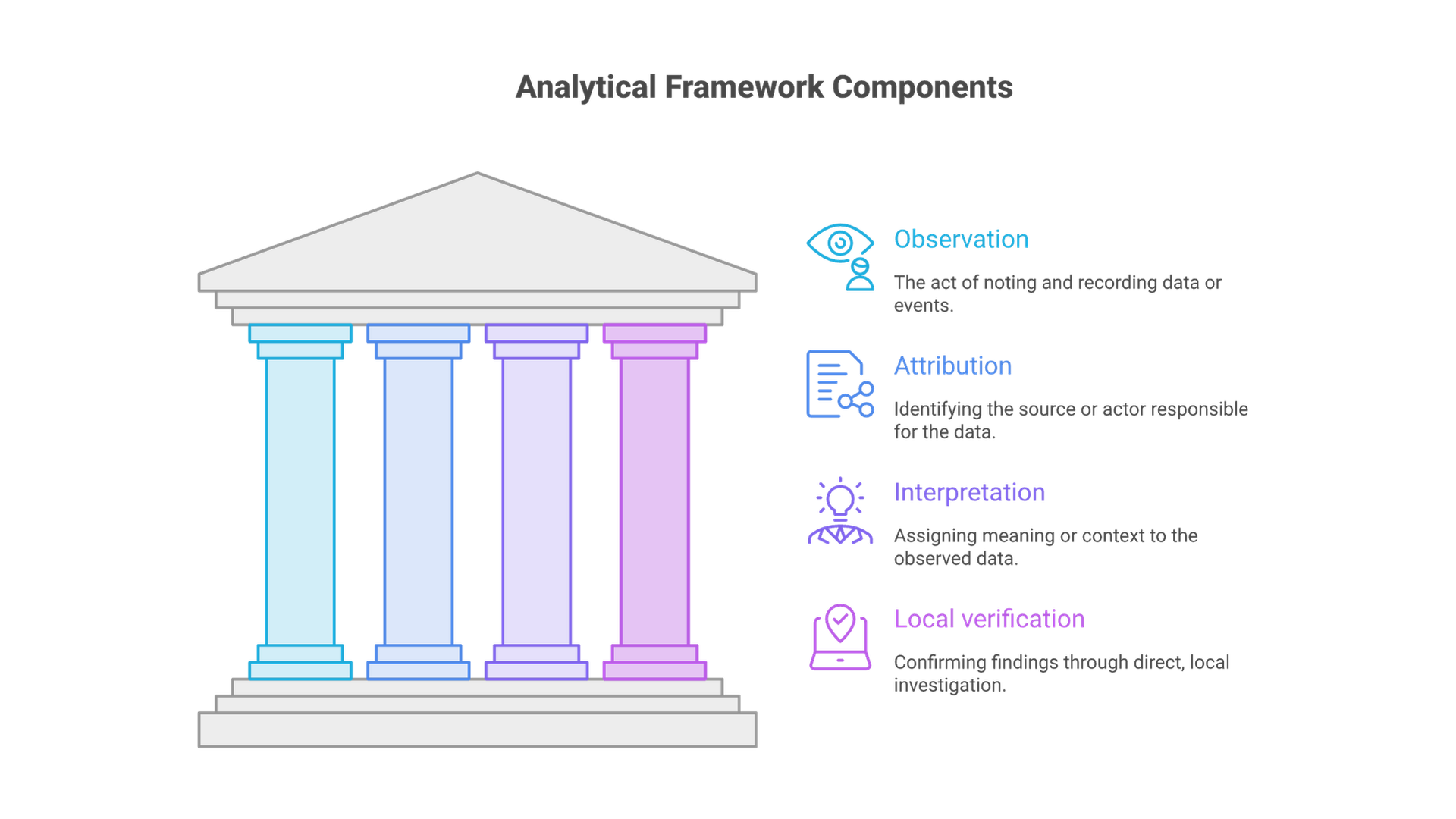
Reported observation is what the source says it saw. Attribution is its assessment of who was responsible. Interpretation explains possible significance. Local verification establishes something about your own environment. Combining them into one confident statement makes both intelligence and remediation less reliable.
For each finding, retain the source section, date, affected local asset, proposed control, test result and limitation. A successful negative test demonstrates that one prohibited action was blocked under those conditions. It does not establish that every possible unauthorized action is impossible.
Use established risk-management structures, such as the NIST Cybersecurity Framework, to connect findings to accountable work. Referencing a framework is not certification and does not prove controls have been implemented.
Prioritize Exposure and Follow-Through, Not Alarm
Start with high-consequence access that has a clear owner and a practical correction: unnecessary write permissions, stale credentials, unowned connectors or missing approval boundaries. Then address visibility and recovery gaps that would make an incident difficult to investigate.
Keep the report's date and source limitations visible in any executive summary. Do not extrapolate a total attack rate, a universal autonomy level or a prediction of compromise from selected cases. The useful output is a short, evidence-backed remediation list and a repeatable verification process, not a larger collection of generic security warnings.