Technology strategy, business transformation, AI, software, data and cloud consulting for US small and midsize businesses, managed with RAPID. Start with a free consultation.
Technology Consulting for Decisions That Carry Real Cost
Cognativ helps US businesses decide what to change in their technology, operations and AI initiatives, then follows that decision through delivery. Choose a practice below or start with the decision in front of you; the first consultation is free.
No consulting services match these filters.
Technology Strategy & Advisory
SystemsConstraintsPrioritiesBusiness Goals
A platform replacement, a build-or-buy choice or a new product needs an independent view of cost, risk and fit before the commitment. Assessments, roadmaps and platform selection turn that view into a decision.
Use CasesFeasibilityInvestment PrioritiesData Quality
Find which AI and automation opportunities are worth funding and what they require: use cases, data readiness and delivery options, connected to our AI services for implementation.
When legacy applications hold back the next stage, define what to modernize first, with the architecture, integration and engineering practices that let software ship reliably.
You do not need a finished specification to begin. A focused question, such as whether to replace a platform or where automation pays back first, is enough to scope a first phase with clear outputs, owners and decision points.
From a focused question to a shared delivery scope
Phase 1
Align the Scope with Your Leadership Team
We begin by clarifying the business outcome, the decision at hand, and the people who need to participate. Together, we identify the evidence available, the unknowns to investigate, and the boundaries of the engagement.
Cognativ is U.S.-based. Our consulting connects business priorities with the technical and operational detail needed to act on them.
Phase 2
Work with the Team Responsible for Delivery
We work with internal teams, existing vendors, or a combination of both. Architecture, handoffs, and decision responsibilities should be understood by the people who will carry the plan forward.
When the next step calls for software, AI, data, or cloud implementation, we define that work explicitly. The advisory question and the implementation scope remain clear, even when Cognativ supports both.
RAPID Is How We Manage the Engagement
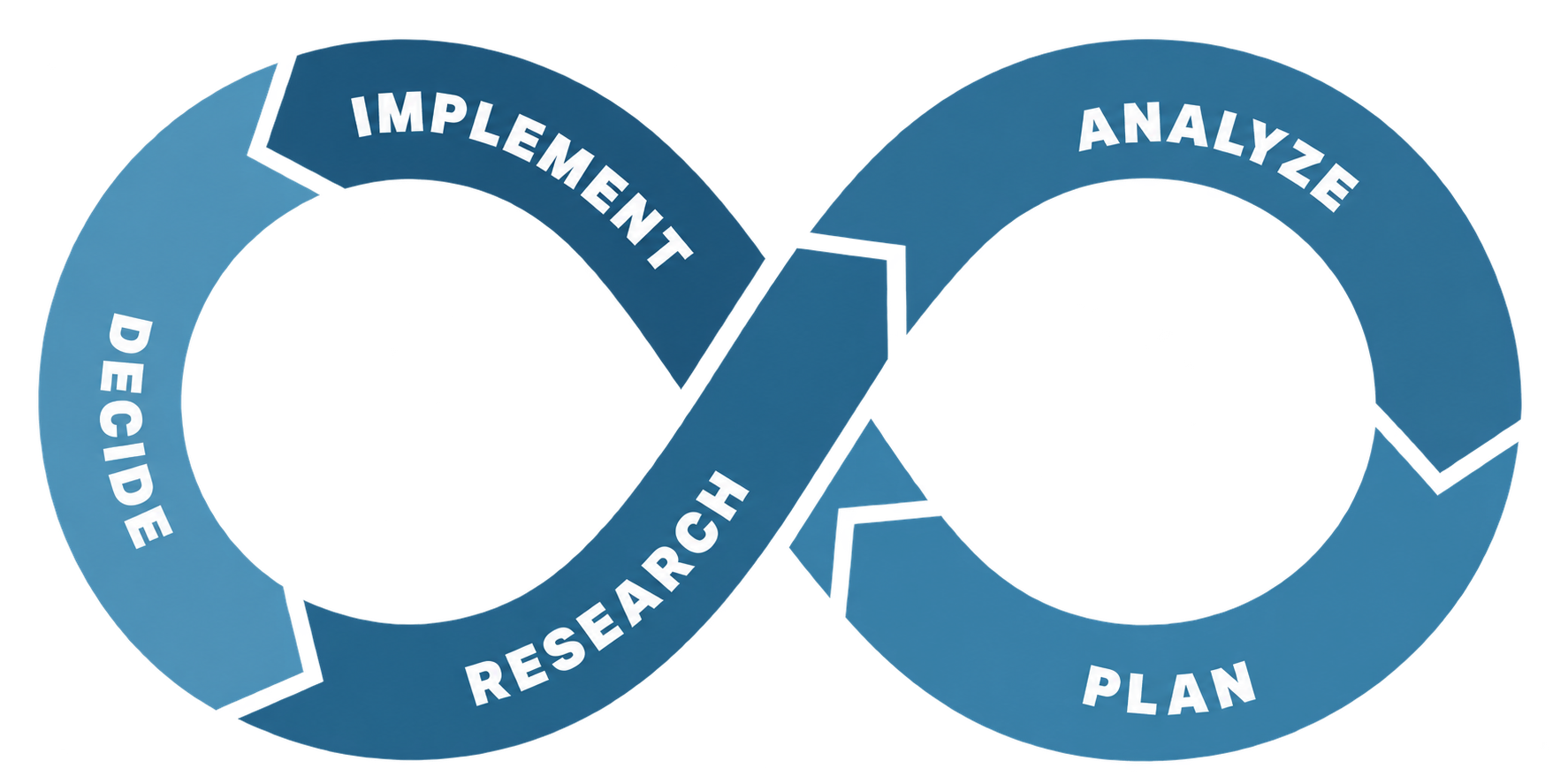
Created by Cognativ founder Ali Davachi, RAPID connects Research, Analyze, Plan, Implement and Decide. Research and Analyze establish the evidence behind a priority; Plan, Implement and Decide turn it into reviewable work and a clear decision.
Two connected cycles, one RAPID engagement
Research and Analyze: Establish the Basis for the Decision
We review relevant records and speak with the people who use, manage, and depend on the systems. Customer needs, process friction, skills, financial constraints, and technology all inform the assessment.
Analysis tests the initial explanation. A request for a replacement platform may reveal an integration gap, unclear ownership, or a process that needs to change first. Missing evidence becomes a focused research question before it becomes an expensive assumption.
Plan, Implement, and Decide: Put the Direction to Work
We translate the findings into priorities, responsibilities, resource needs, and review points. RAPID inventories and gap analysis connect proposed work to customer value and the intended business outcome.
Implementation puts the agreed changes into practice with the delivery team. Feedback then informs whether to continue, adjust, or stop an approach. Where Cognativ provides ongoing advisory, that review keeps the technology direction aligned with what the business is learning.
These engagements show how Cognativ connects an operating problem to the technology decision behind it, from virtual CTO leadership to a new digital advisory practice.
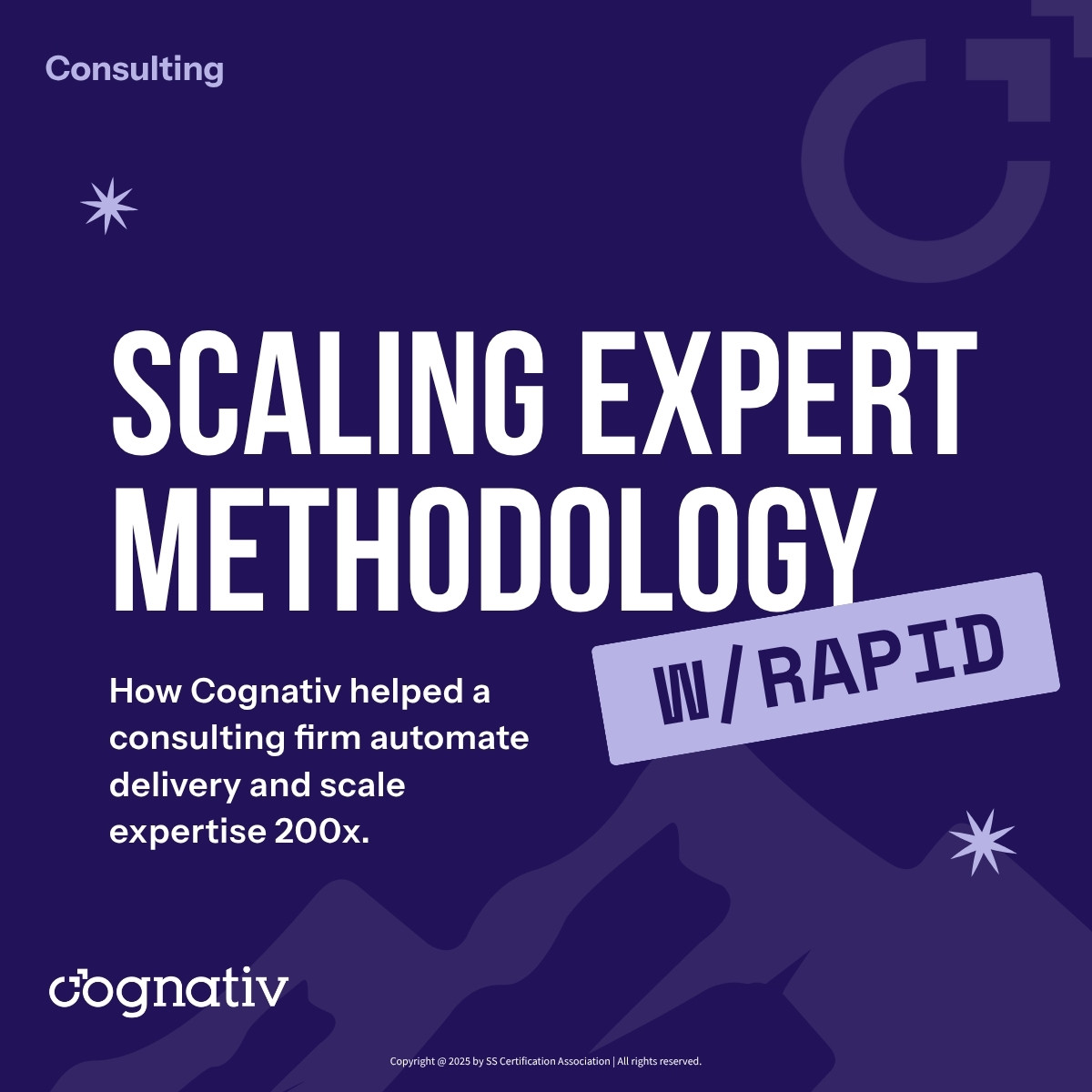
Cognativ turned a senior-partner-led consulting methodology into a scalable custom software platform.
The solution reduced engagement time by 50%, improved delivery quality, and increased capacity by 200x so junior consultants could execute premium engagements independently.
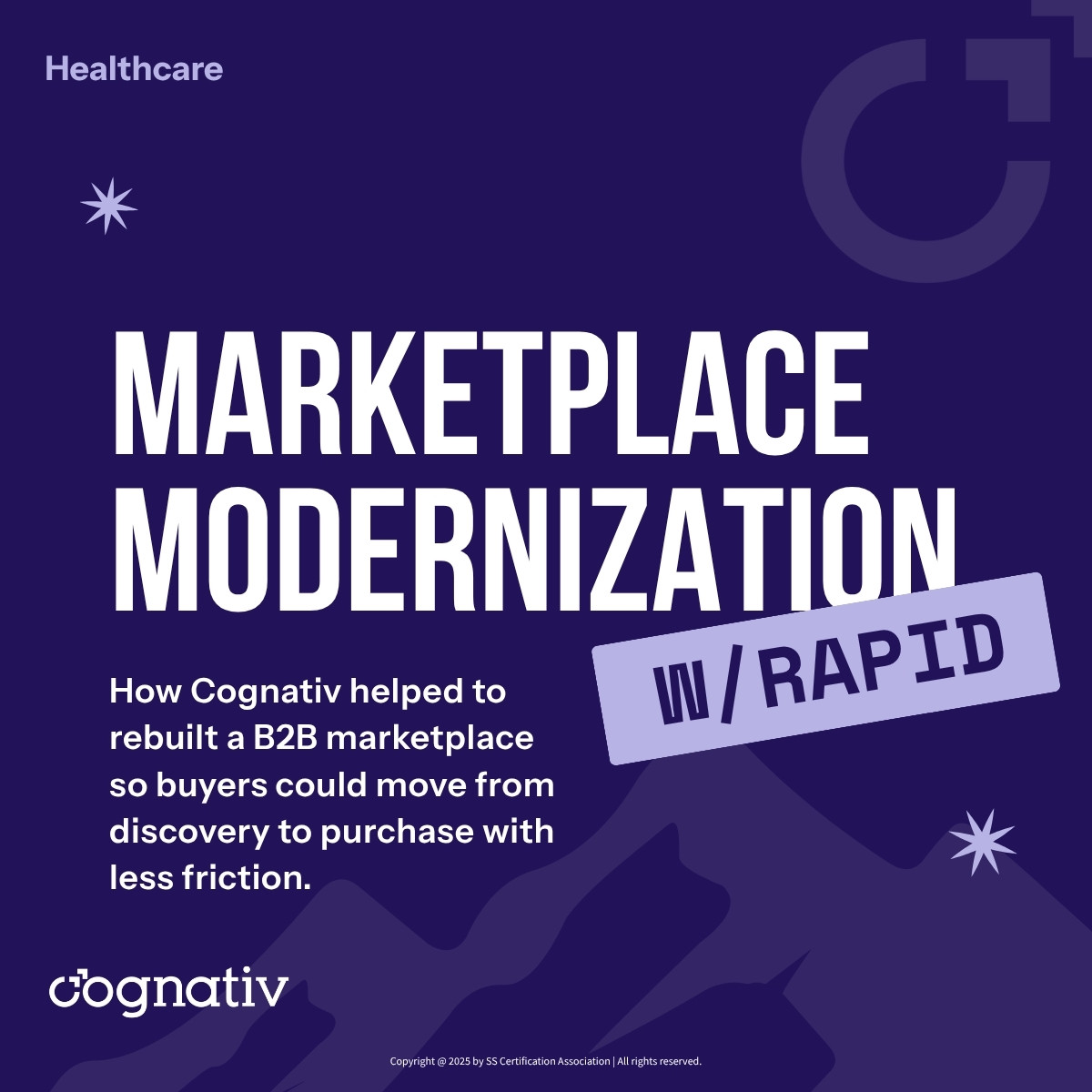
Cognativ modernized a B2B marketplace experience with stronger product discovery, cleaner product data, and workflows built around business buying behavior.
The work improved search, bulk ordering, account-specific purchasing, and supply-flow visibility from discovery to purchase.
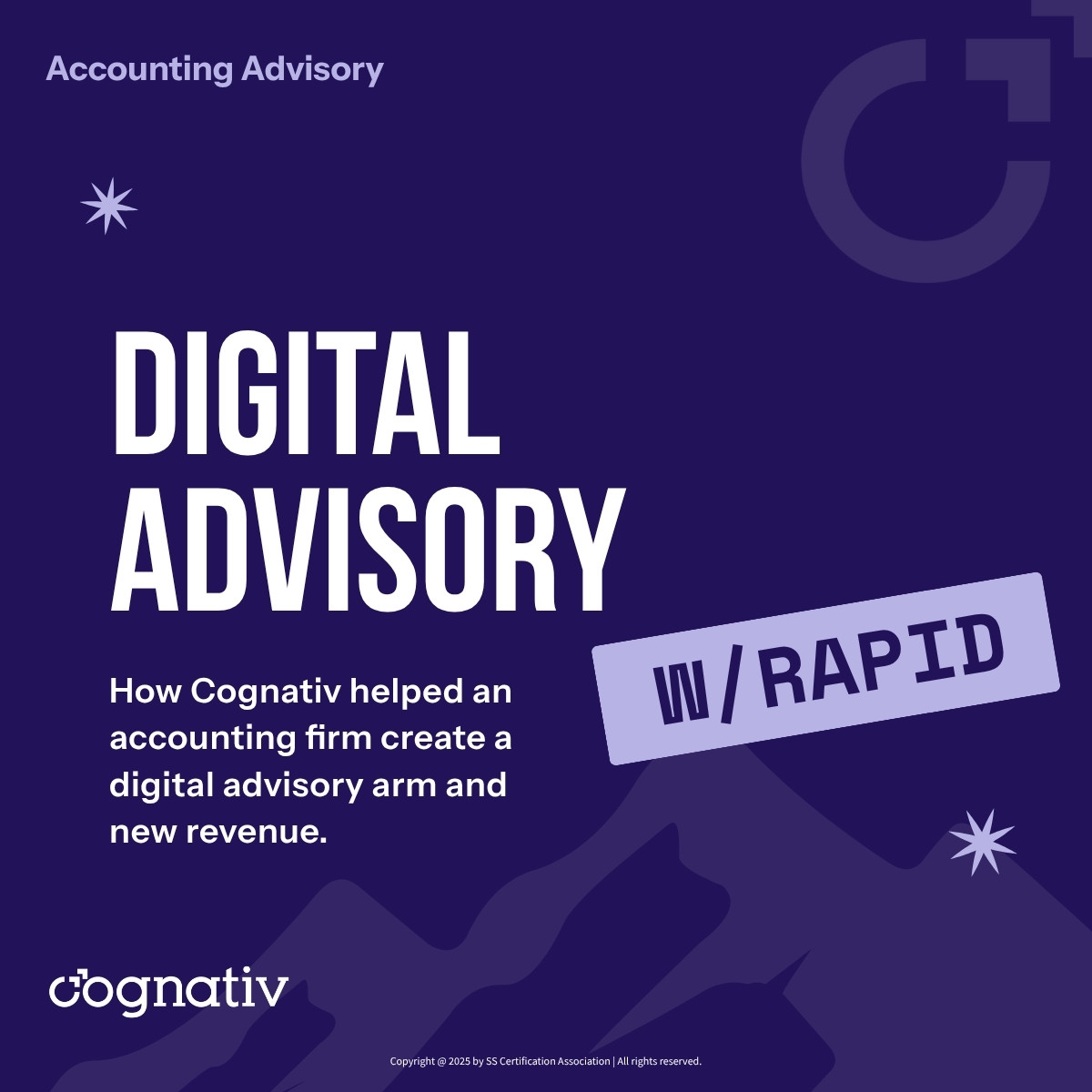
Cognativ helped an accounting firm launch and scale a digital advisory arm, moving from traditional tax and audit services into ERP implementation, digital finance transformation, and strategic advisory.
The new practice generated more than $3M in year-one revenue.
Data PlatformsData AggregationData ManagementTechnology Strategy
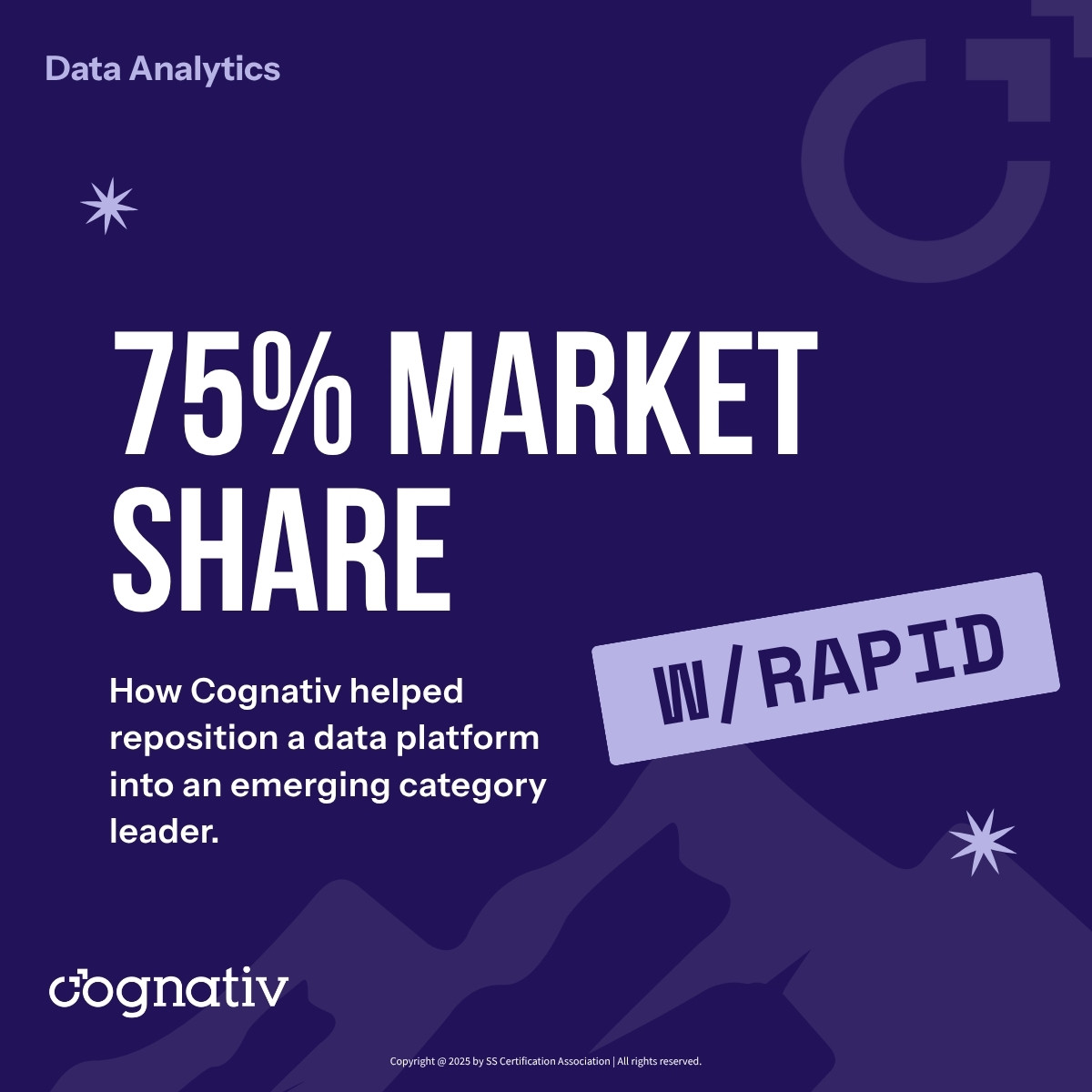
Cognativ helped reposition a data management offering around a clearer market category, stronger operational narrative, and more defensible growth strategy.
The repositioning helped the business establish 75% market share in an emerging category while clarifying its value for enterprise buyers.
Book a conversation about the decision you need to make. We explore your priorities, agree the scope and outputs, then manage the engagement with RAPID from the first evidence to the final decision.
Your path to working with Cognativ
Book
Tell us what you need to address and arrange an initial conversation with Cognativ.
Discovery Call
Explore your business priorities, current systems, constraints, and the decision your team needs to make.
Feedback Call
Review what we learned, discuss the proposed approach, and clarify the scope and next steps together.
Agreement
Confirm the scope, responsibilities, timing, and fees before starting the consulting engagement managed through RAPID.
Discuss Your Technology Priorities
Tell us what needs to improve, which decision is approaching, and what is making it difficult. Your first consultation is free.
Bring the context you have: current systems, business priorities, key constraints, and the people involved. We will discuss the question, the scope of support, and the next step.
Technology Consulting Questions
What to expect from a Cognativ consulting engagement and how to start.
What does a technology consulting engagement include?
The scope is set around one business decision. Typical outputs include a current-state assessment, prioritized options with their cost and risk, a roadmap and the decision points your leadership needs to approve.
How is Cognativ consulting different from software development?
Consulting decides what should change and in what order. Software development builds it. Cognativ offers both, so the plan is tested against delivery reality and can move into implementation without starting over.
Do you provide virtual CTO or fractional technology leadership?
Yes. Several engagements, documented in our case studies, place Cognativ in a virtual CTO role to stabilize platforms, lead vendors and set technology priorities for growing companies.
Can you work with our internal team and current vendors?
Yes. We work alongside leadership, technical teams and existing providers, and make responsibilities and handoffs explicit rather than replacing the people who know the business.
How are timing and fees determined?
Fees follow the agreed scope: the decision, the systems involved, access to information and the people who need to participate. The first consultation is free.
Which consulting practice should we start with?
Start with the problem, not the practice. In the first conversation we identify whether the constraint is strategy, process, AI, software, data or infrastructure, and recommend the smallest useful first phase.