
Build Software Around a User Task
An AI-enabled application is still a software product: people need a clear way to start a task, understand the information presented and decide what to do next. The application also needs dependable interfaces, appropriate access, useful feedback and a way to handle results that require review.
Cognativ offers AI software development for organizations building or extending applications that use AI as part of a defined workflow. An engagement can cover the user experience, application logic, data and system connections, evaluation and release preparation. The actual scope depends on the product, existing systems and the people who will own the result.
For example, an internal application could help an employee review documents before entering a decision, or a customer-facing product could organize information for a user to assess. These are illustrative possibilities, not claims about completed Cognativ AI projects. The right use case is one where the user, expected benefit and consequences of error are clear enough to evaluate.
-
User and Task
Identify who will use the software and the decision it supports.
-
Product Scope
Choose the experience, data and application boundaries.
-
Build and Evaluate
Implement the workflow and test representative cases.
-
Release and Ownership
Agree on readiness, monitoring and ongoing responsibility.
Discuss your AI software initiative
Define the Application Before Selecting the Technology
Start with the people who will use the application and the work they need to complete. Map the current steps, the information available at each point and the situations that interrupt progress. A useful product scope describes what the user can do, what the software can suggest and who is accountable for the final action.
Define a first release around a bounded task. The release might provide a new internal tool, extend a customer portal or add an AI-assisted feature to an existing application. Agree on the users, inputs, outputs and review path before adding more workflows. A smaller scope can make product assumptions easier to test without implying a fixed timeline or outcome.
Then consider whether AI is the right technique for that task. Some work is better served by ordinary search, rules, forms or conventional software. Generative AI, machine learning or a combination may be appropriate when the problem and available data support them. The choice should follow the application requirements, not dictate them.
Design the Parts That Make the Application Useful
The application experience, supporting services and operating model need to work together. The following areas provide a practical basis for defining scope and assigning responsibilities with product and technical owners.
User Experience and Review
- User journeys
- Review
- Feedback
Design the task from the user’s perspective: where information comes from, how a suggestion appears, what context accompanies it and how a user can correct or reject it. A review screen can show the input and proposed output together so the person responsible can decide whether to continue.
Consider how the application behaves when information is missing or the AI result is uncertain. A useful interface gives the user a clear next step rather than presenting every response as a finished decision. The level of explanation and approval should fit the consequences of the workflow.
Application Logic and Data
- Business rules
- Interfaces
- Data ownership
The application needs a defined relationship between its screens, business rules, data records and any AI service. Specify which system owns each record, what can be retrieved or changed, and what the application should do when a dependency is unavailable or returns an unexpected result.
Data preparation is part of the product decision. Teams need to know whether information is suitable for the task, how it is updated and who can access it. If the software writes to a business system, the workflow should define validation, confirmation and a way to handle duplicate or failed actions.
Evaluation and Release Decisions
- Test cases
- Acceptance
- Release
Agree on representative tasks and expected behavior with the people who understand the work. The test set should include ordinary cases as well as missing information, ambiguous requests and outputs that should be rejected or escalated. Measure the application in the context of the user’s complete task.
A demonstration can establish whether an idea is worth investigating; it does not prove readiness for every production condition. Product owners can use the agreed evidence to decide what to change, what risks remain and whether a release is appropriate for the intended users.
Security and Operating Ownership
- Access
- Monitoring
- Handoff
Identify the users and service identities involved, the records they are allowed to access and the actions they may perform. Review where data is processed or retained and what logging is appropriate with the organization’s security and privacy owners.
After release, someone needs to review errors, manage provider changes, maintain the application and decide when the evaluation should be repeated. The engagement can include a handoff and support arrangement appropriate to the agreed scope; specific service levels and responsibilities must be established for the project.
From Product Definition to a Release Decision
The first step is to understand the application opportunity and its constraints. A product owner may bring an existing application, an early concept or a difficult workflow. Review the users, systems, information sources, decision owners and desired first release. That discussion can lead to a focused assessment, design or implementation scope.
Product definition turns the opportunity into a set of decisions: the user journey, tasks in scope, expected outputs, review requirements and acceptance criteria. It should also identify what will stay outside the first release. Where business data or third-party services are involved, their owners and access requirements need to be part of the plan.
During implementation, the team develops the agreed application experience and supporting logic, connects the selected services and tests the behavior end to end. Review should cover the user path and the underlying interfaces, including permission failures, unexpected outputs, unavailable services and the effects of changing or saving a record.
Before release, the responsible owners review the agreed evidence, unresolved issues and operating responsibilities. Decide how the application will be monitored, who can approve changes and how users report a problem. After release, feedback and operational information can guide the next product decision; ongoing support is defined by the engagement.
Select AI for the Product, Not the Other Way Around
The application’s task determines what kind of capability is useful. A generative feature may help produce a draft for a person to review. A predictive feature may support a decision when there are suitable data and evaluation methods. Neither approach is automatically appropriate for every use case, and both require attention to how the result is used.
Consider the available data, the consequences of error, expected response time and the cost of operating the capability. A managed provider can reduce some infrastructure responsibilities while introducing a dependency on its interface, availability and terms. A privately operated component gives the organization a different set of deployment and maintenance responsibilities.
Application development is the focus of this service: building the experience and software around the user’s task. AI integration connects a capability to existing systems; agent development focuses on a bounded tool-using workflow; LLM solutions and deployment focus on language-model use cases and their operation. Those capabilities can be included when the application needs them, with scope agreed separately.
Evaluate Outcomes in the Context of the Work
Choose measures that reflect what the application is supposed to help the user accomplish. Depending on the task, product owners may examine completion, time spent in review, correction patterns, user feedback or the cost of processing a request. Establish a baseline and an evaluation method before interpreting a change as an improvement.
Test realistic examples, not only the easiest successful path. Include conflicting records, incomplete documents, unavailable dependencies and requests outside the intended scope. For a customer-facing application, review what the user sees when a response cannot be produced. For an internal workflow, identify who receives the exception and how it is resolved.
Include the full application in the review. An AI output can be acceptable in isolation but still cause trouble if it is presented without context, reaches the wrong user or updates a record incorrectly. The relevant owners should agree on which errors need human intervention and what information they need to make that decision.
Once the application is in use, review changes in its data, users and connected services. A new interface version or different source information can affect behavior that worked during an earlier test. Assign responsibility for monitoring and changes so that the product can be adjusted as its operating conditions evolve.
Related Software Product Work
These Cognativ case records describe software product and application work. They illustrate product and workflow design relevant to an AI-enabled application; the source records do not establish that either project was an AI deployment. Two further cases, expert methodology automation and an employee-assistance platform redesign, show related work in other settings.
Building a B2B Marketplace Experience
B2B Ecommerce
Marketplace Development
Product Data
Bulk Ordering
Building a B2B Marketplace Experience
Cognativ described a marketplace modernization focused on product discovery, bulk ordering and account-specific buying workflows.
The case covers the application experience, product information and supply visibility for business buyers.
Explore the Marketplace Case
Creating a Mobile Product Experience
Mobile App Development
Multi-Brand Platforms
SmartSaaS
Mobile Platforms
Creating a Mobile Product Experience
Cognativ described a mobile-first digital experience layered over a physical promotional product.
The case covers a QR-activated application and campaign-specific branding for multiple deployments.
Explore the Mobile Experience Case
Consulting Platform Expands Capacity 200x
Custom Software
Workflow Automation
Access Control
SmartSaaS
Consulting Platform Expands Capacity 200x
Cognativ turned a senior-partner-led consulting methodology into a scalable custom software platform.
The solution reduced engagement time by 50%, improved delivery quality, and increased capacity by 200x so junior consultants could execute premium engagements independently.
Explore the 200x Scaleup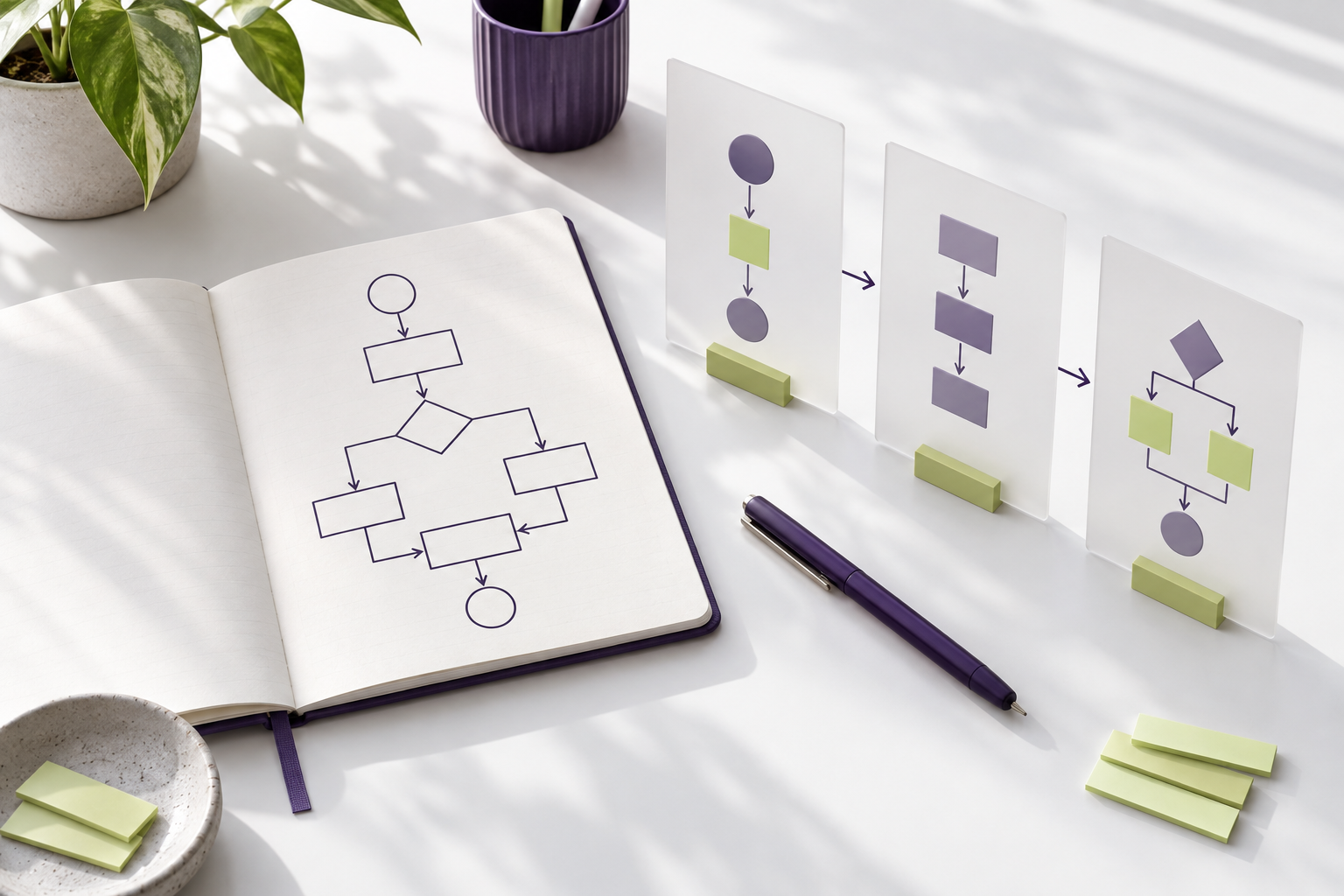
Mobile-Friendly Access to Employee Benefits
Benefits Platforms
Access Control
HR Reporting
Audit Trails
Mobile-Friendly Access to Employee Benefits
The benefits-platform case describes mobile-friendly employee access alongside messaging and tools for HR teams.
The case concerns a broader digital platform; it does not establish that a native mobile app was delivered.
Explore the benefits platform case
Discuss Your AI Software Initiative
Tell us about the application, users and business task you want to address.
Share what exists today, the decision ahead and the constraints that will shape the scope. We can discuss the work and the next step.
AI Software Development Questions
Explore application scope, technology choices, user review and the decisions behind a release.
What is AI software development?
It is the design and development of an application that uses an AI capability to support a defined user task. The scope can include the product experience, application logic, data connections, evaluation and release preparation, depending on the engagement.
Can you add AI to an existing application?
An existing product can be a starting point when its users, interfaces and data can support the intended feature. The team first needs to understand the current application, the proposed user journey and the changes required to test and operate the feature.
How is this different from AI integration?
AI integration focuses on connecting a capability to existing systems and workflows. AI software development focuses on the application people use, including its experience and logic. A product engagement may include integration when those connections are needed.
Do we need a custom model to build an AI application?
Not necessarily. A suitable application may use an existing managed capability, a privately operated component or another technique. The choice depends on the task, data, operating requirements, provider constraints and the scope agreed for the project.
Can users review or correct an AI-generated result?
Yes. The application can present a suggestion with relevant context and let an authorized person accept, edit, reject or escalate it. The design should specify the decision owner and the level of review needed for the task.
How do you evaluate an AI-enabled application?
Define representative tasks and expected behavior with product and workflow owners. Test the user journey, AI output, permissions and failure handling together. Compare the agreed measures with the current process and document issues before a release decision.
What happens after the application is released?
The operating plan should assign ownership for errors, user feedback, provider or data changes and application updates. Monitoring and support can be included according to the agreed engagement; specific responsibilities and service terms are established for the project.
What determines the scope and cost of development?
The users and workflows, existing application, data access, chosen capabilities, integration needs and acceptance requirements all affect the work. Discuss those factors first, then agree on the deliverables, schedule and commercial terms for the specific engagement.