
Meta Acquires Conductor: What the AI Coding Startup Deal Means for Teams Using Parallel Agents
Conductor, a Mac app that runs several AI coding agents at once, is joining Meta. See the cloud shutdown dates and how teams can keep their agent work portable.
Meta has acquired Conductor, the startup behind a Mac app that lets developers run several AI coding agents at once. Conductor announced the deal on November 4, 2026, after Axios first reported it, and Meta confirmed the acquisition to TechCrunch without sharing terms.
The deal adds an interface team to Meta's growing AI coding effort and starts a wind-down for Conductor's existing product. Here is what Meta bought, why parallel coding agents matter, what current users need to do before the cloud service shuts down, and what the deal teaches any company that depends on fast-moving AI developer tools.
What Meta Bought: Conductor and Parallel Coding Agents
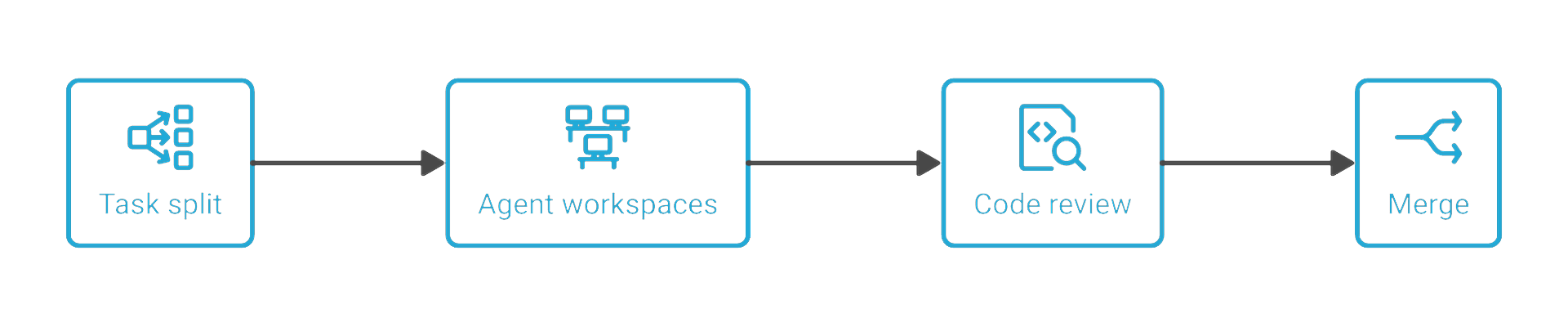
Conductor describes its product as a way to run parallel coding agents on a Mac. Developers can start several agents, such as Claude Code, Codex or Cursor agents, each in its own separate workspace, then watch their progress from one view and review and merge the changes. The agents themselves come from AI labs; Conductor provides the orchestration layer around them.
The company was founded in 2024 and launched its product in July 2025, later adding cloud workspaces and a phone app. Its announcement lists a team of ten, signed by founder and CEO Charlie Holtz, who wrote simply, "Conductor is joining Meta." On X, Holtz said he looks forward to working with Meta chief AI officer Alexandr Wang and Nat Friedman, who leads product at Meta Superintelligence Labs, which suggests where the team will land.
I am very excited to share that Conductor is joining Meta! We have some big, crazy plans for the next interface. If you liked Conductor, you’re gonna love what’s coming. We’re super excited to work with @natfriedman and @alexandr_wang at MSL to build it. They’ve been on an… pic.twitter.com/pjzJkTEp1v
Why Meta Wants a Parallel Agent Interface
Meta has been catching up in AI coding tools. In August 2026 it launched Muse Code, a terminal coding agent that, according to TechCrunch's report on the launch, can split large jobs across sub-agents working in isolated worktrees. Meta has also made other AI acquisitions over the past year, including the agent social network Moltbook.
Conductor fits that direction. Running many agents in parallel shifts the bottleneck from writing code to coordinating work: assigning tasks, keeping changes isolated, and deciding what to merge. Holtz said the team has "some big, crazy plans for the next interface" and promised a new product early next year, without details.
For engineering leaders, the takeaway is that parallel agents multiply output only when the surrounding process holds up. Each agent's branch still needs tests, code review and a clean merge path, the same disciplines that sit at the center of strong software engineering practices. More agents without that review layer usually means more rework.
What Happens to Conductor Users: Shutdown Timeline
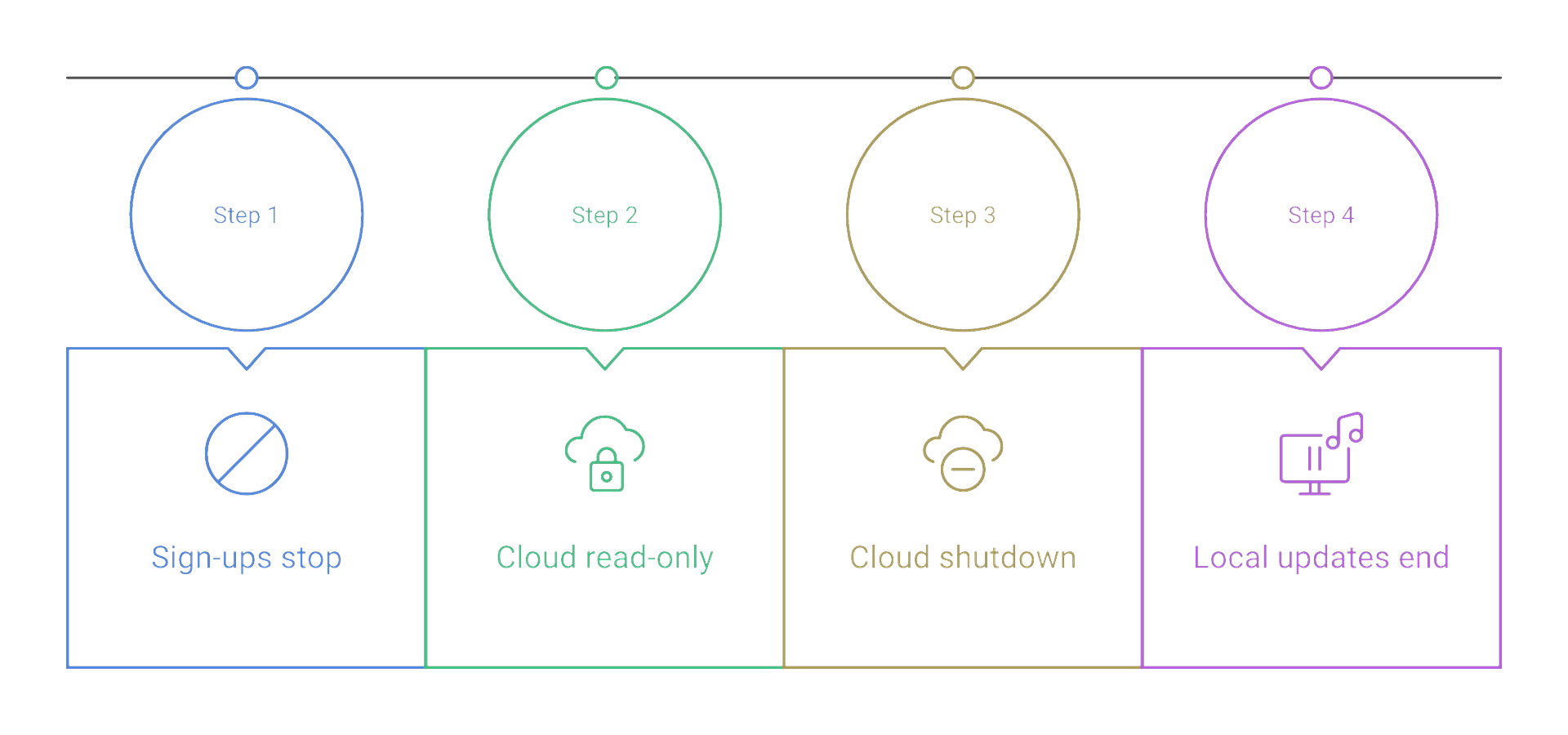
Conductor is winding down its current product in stages. According to Conductor's announcement, new sign-ups and app downloads stopped on November 4. Free users can no longer upgrade, while existing Pro users keep Pro features at no cost.
- November 13, 2026: Conductor Cloud becomes read-only. Users can read old chats and export data but cannot send messages, and active subscribers receive refunds.
- November 20, 2026: Conductor Cloud shuts down and deletion of cloud user data begins.
- Early 2027: The local Mac app stops receiving updates. Until then it continues to get new models and critical bug fixes, and Conductor says it will delete all user data when the app shuts down.
Users can move a cloud workspace to their Mac with the "Transfer to local" option or export everything from the account settings. The company also says it has never sold or trained on Conductor user data. Teams using the cloud product should export before November 20 rather than wait for the final week.
What the Deal Teaches Teams That Rely on AI Developer Tools
Conductor's users received roughly two weeks of notice before cloud data deletion begins. That is a normal outcome in a market where startups are acquired for their teams, and it is a reminder that AI developer tooling is still consolidating.
A few habits reduce the disruption when a tool disappears:
- Keep work portable. Make sure code, prompts, task history and configuration live in your own repositories and can be exported in standard formats.
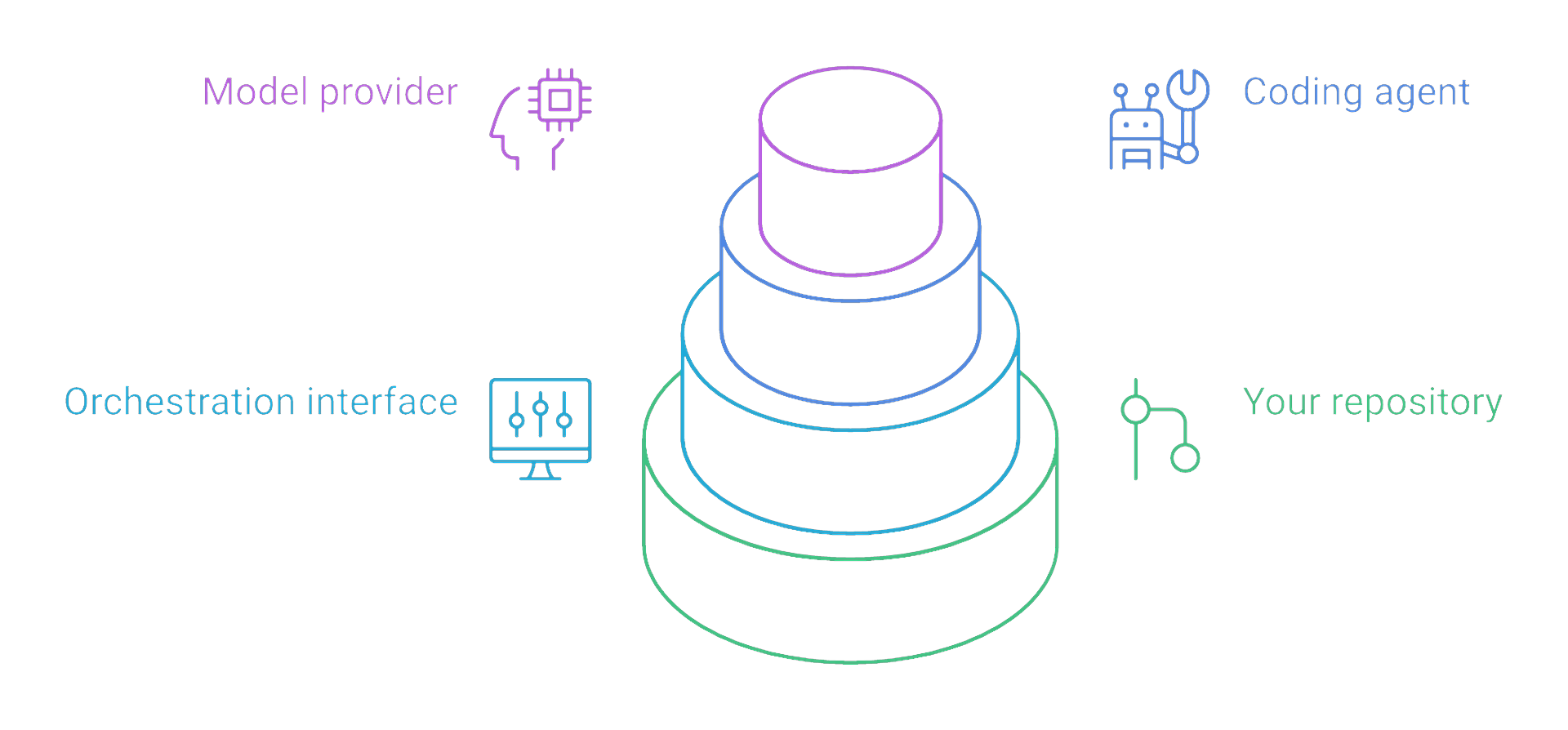
- Separate layers. Treat the model provider, the agent and the orchestration interface as distinct choices so you can replace one without rebuilding the others.
- Read the data terms. Know where a tool stores your code and chats, how long it keeps them and what happens on shutdown.
- Name a fallback. For any tool on a critical path, decide in advance what you would switch to and how long it would take.
Those questions belong in the evaluation before a team adopts a tool, not after an acquisition email arrives. A structured software selection process that weighs vendor stability, exit options and data handling alongside features makes these transitions routine.
Frequently Asked Questions
What is Conductor?
Conductor is a Mac app for running several AI coding agents in parallel, each in its own workspace, with one view to review and merge their changes. It supports agents such as Claude Code, Codex and Cursor.
How much did Meta pay for Conductor?
The terms were not disclosed. Meta confirmed the acquisition to TechCrunch but did not share the price or other details.
Is Conductor shutting down?
The current product is winding down. Conductor Cloud becomes read-only on November 13, 2026 and shuts down on November 20, while the local app receives updates until early 2027.
What are parallel coding agents?
They are multiple AI agents working on separate parts of a software project at the same time, usually in isolated branches or workspaces, with a developer reviewing and merging their output.
Conclusion: Adopt Agents, Keep Your Exit Open
Meta's purchase of Conductor shows how quickly AI coding is moving toward orchestrating many agents at once, and how quickly the tools for doing it can change hands. The opportunity is real, but it rewards teams that pair agents with solid review practices and keep their work portable across vendors.
If you are planning how AI coding agents fit into your development process or want a second view on your tooling choices, reach out to the Cognativ team.