
Microsoft Recorded $10 Billion in Revenue From OpenAI: What the Filing Really Shows
What a $10 billion OpenAI quarter means for Microsoft's cloud economics, concentration risk and enterprise teams building on Azure OpenAI models today.
Microsoft recorded $10 billion in revenue from OpenAI in the quarter ended September 30, 2026-a single quarter figure that represents nearly 11% of Microsoft's total quarterly revenue of $92.3 billion. The number, drawn from revenue from commercial arrangements with OpenAI including revenue sharing payments, confirms that artificial intelligence has become one of Microsoft's largest and fastest-growing income sources.
That quarterly revenue figure deserves context:
- Microsoft's fiscal year begins in July, making this the first quarter of fiscal 2027.
- For the full fiscal year ended June 30, 2026, OpenAI-related revenue reached $24.1 billion.
- At the latest quarterly pace, OpenAI related arrangements would generate roughly $40 billion annually.
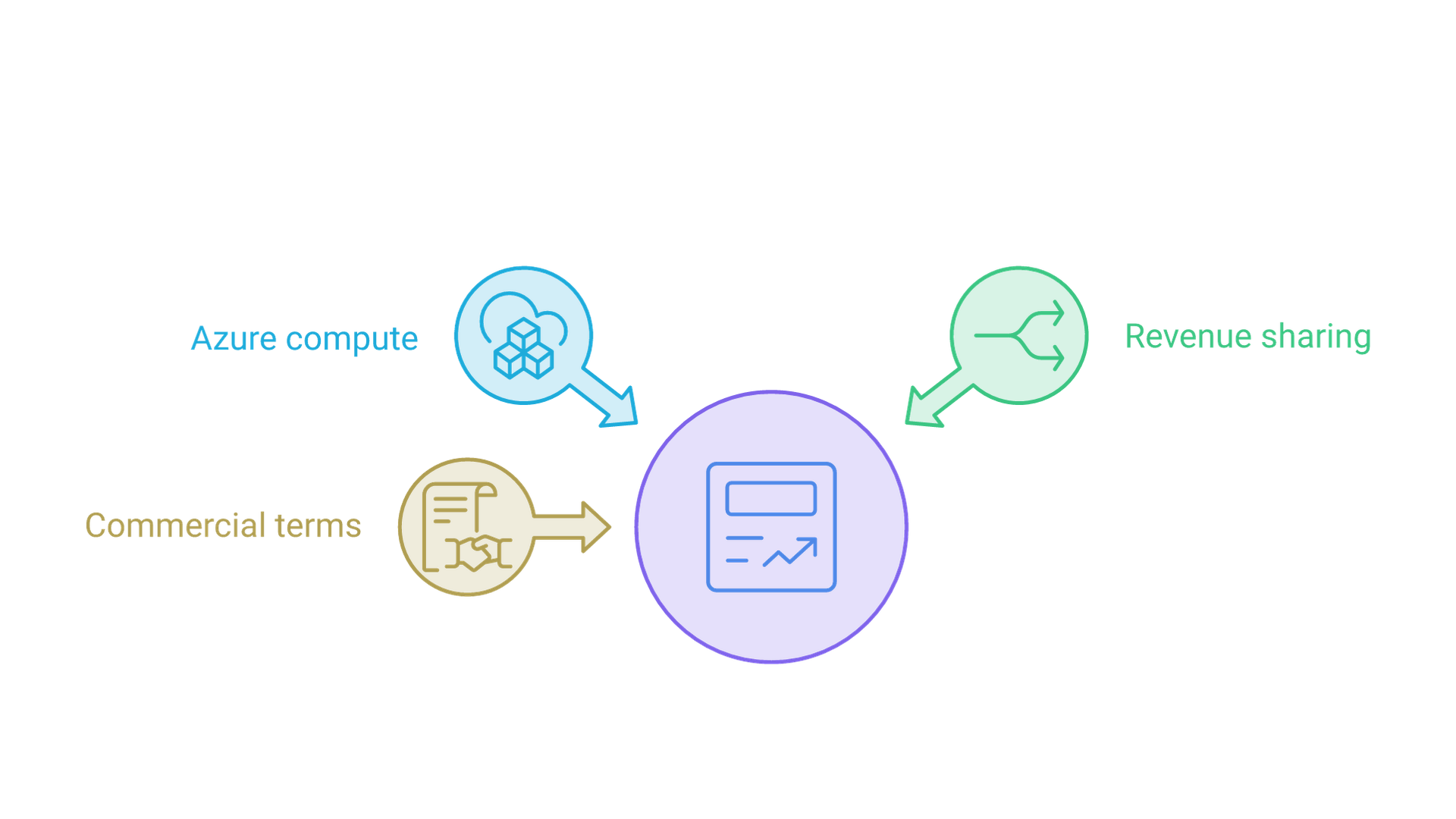
- The filing describes this as revenue from commercial arrangements, covering Azure cloud computing services sold to OpenAI, revenue sharing payments, and other commercial terms.
Generating 10 billion in revenue from a single partner in one quarter underscores how much AI development is transitioning from speculative investment toward a substantial commercial market.
Breaking Down Microsoft's OpenAI Revenue: Quarterly and Annual View
Microsoft disclosed that its OpenAI revenue blends several streams into one line: Azure compute sold to OpenAI, net revenue sharing payments flowing from OpenAI to Microsoft, and broader commercial arrangements. The company does not break out how much revenue came from each stream, which limits visibility into margins and cost structures.
The scale is striking. The $10 billion quarterly figure accounted for roughly 41% of the $24.1 billion total revenue recorded from OpenAI across the entire prior fiscal year-a steep upward trajectory over just a few quarters. Microsoft's financial model includes providing infrastructure and technology to OpenAI while receiving revenue, and that model is clearly accelerating.
For comparison, in the same quarter:
- Xbox revenue was $5.4 billion; OpenAI revenue nearly doubled it.
- Search and advertising revenue, including Bing, was approximately $6.6 billion-still smaller than OpenAI.
- Windows licenses and devices brought in roughly $3.6 billion.
Azure growth hit 48% year-over-year, with total Azure revenue reaching $33.2 billion. Azure's AI business is a major contributor, though Microsoft doesn't specify how much OpenAI consumption drives that growth.
Receivables, Revenue Sharing, and Evolving Partnership Terms
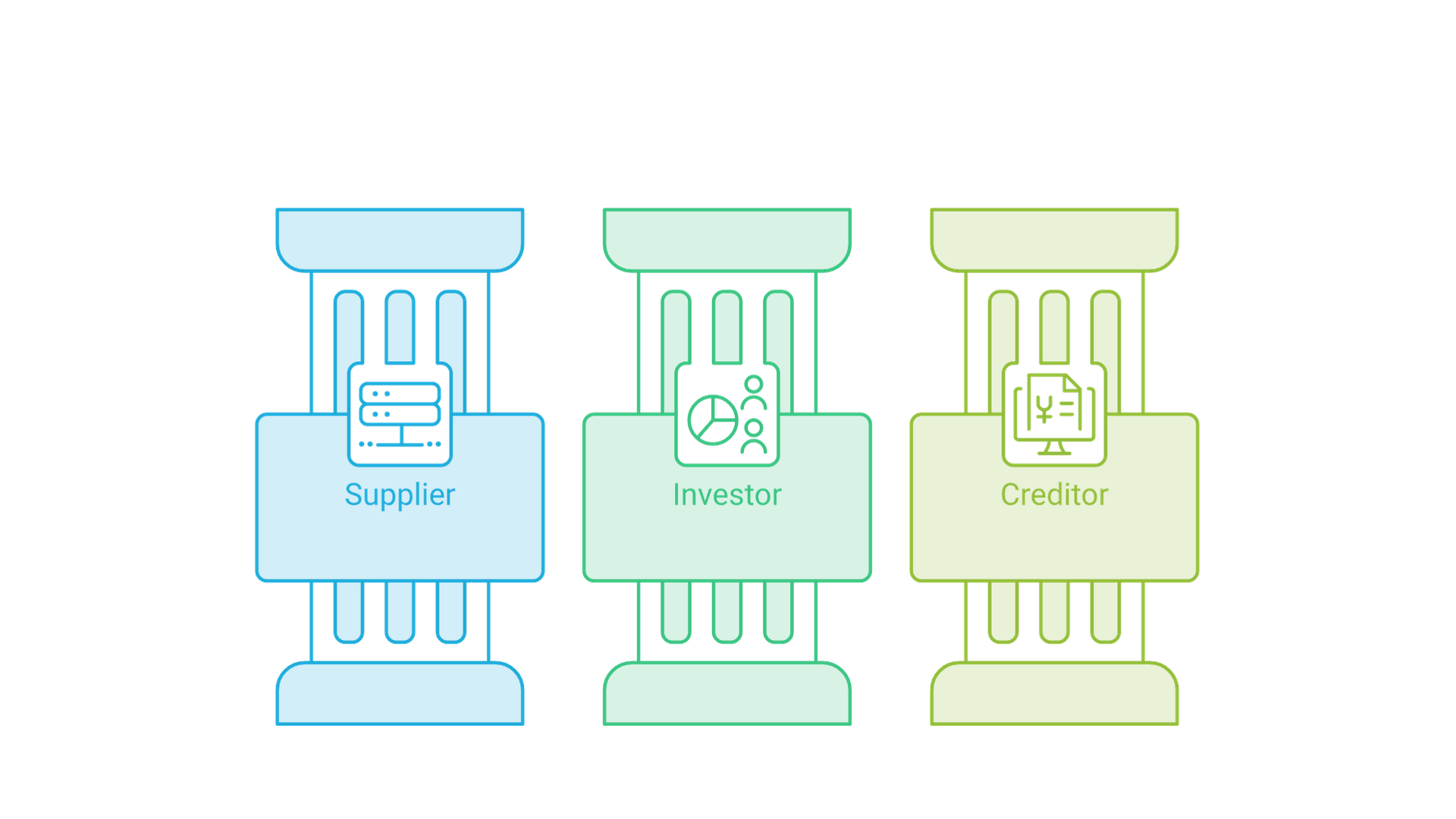
Microsoft is simultaneously supplier, investor, and creditor to OpenAI-a combination that creates enormous financial ties and complex accounting rules.
- Outstanding receivables from OpenAI stood at $7.2 billion at September 30, up from $6.0 billion at June 30. These represent amounts owed for previous transactions, not additional revenue.
- TechCrunch reported, citing leaked documents, that Microsoft received about $865.8 million in net revenue sharing payments from OpenAI in the first nine months of 2025. OpenAI shares 20% of its revenue with Microsoft under a previous deal in which Microsoft invested more than $13 billion in the AI lab. Neither the AI lab nor Microsoft have publicly confirmed this percentage.
- The revenue sharing agreement continues through 2030, subject to a cap that remains undisclosed. OpenAI's restructuring into a for-profit entity has not changed these core terms.
The two companies began loosening their once exclusive partnership in October 2025. Microsoft relinquished its right of first refusal to supply OpenAI's computing capacity, and OpenAI can now use other cloud providers like Google Cloud and outside capacity providers. In exchange, OpenAI committed to purchasing an additional $250 billion in Azure services while still sharing revenue with Microsoft.
Microsoft's ownership stake has shown a gradual decline-from roughly 27% after the October 2025 recapitalization to about 25% in June 2026. By September, it declined slightly to approximately 24%. Microsoft owns a shrinking share even as commercial ties deepen.
Strategic Significance: Dependence, Risk, and Cloud Economics
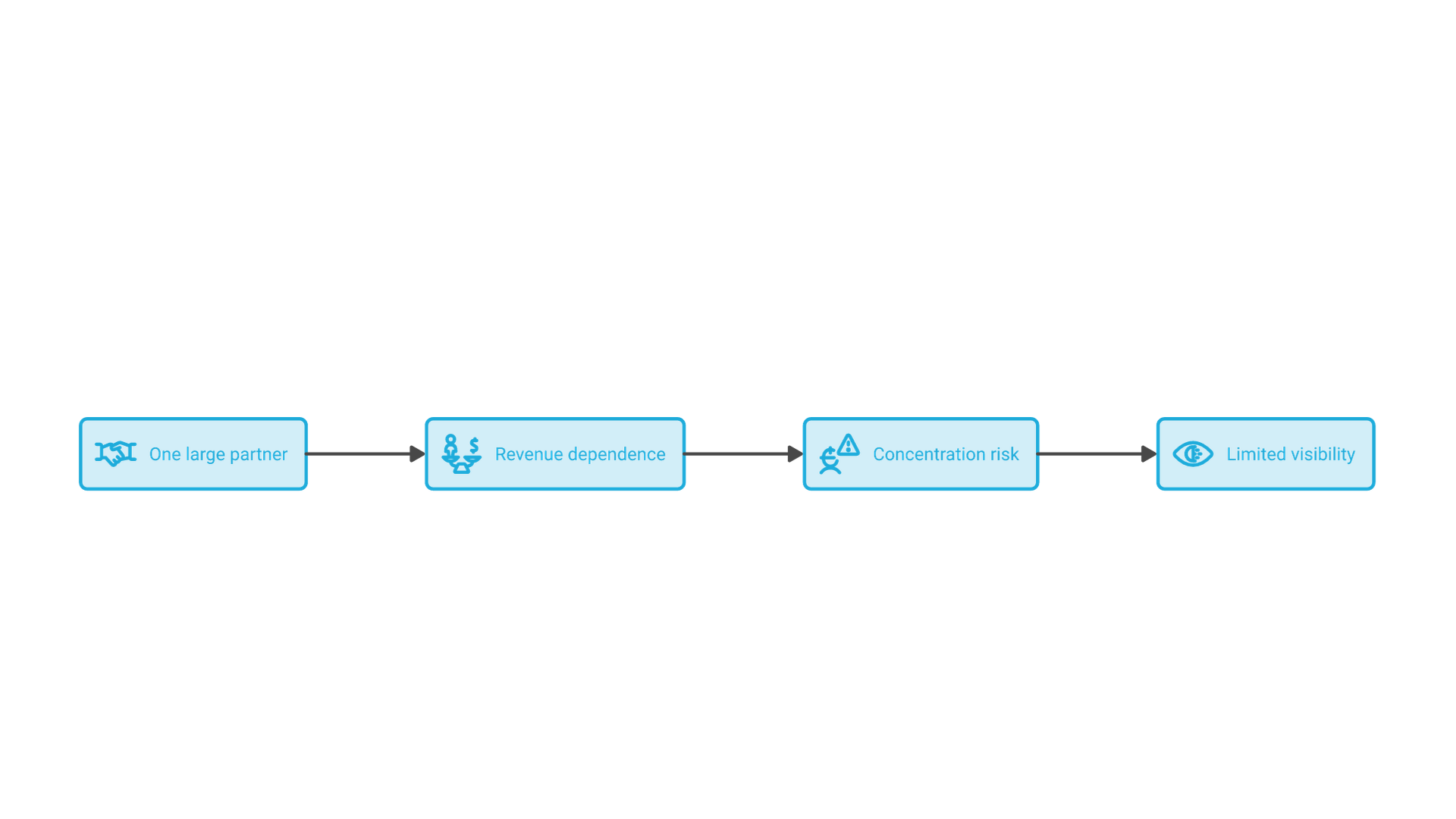
When a few big customers-or even four customers classified as significant customers-drive this much quarterly revenue, concentration risk becomes material. CEO Satya Nadella did not mention OpenAI by name on the earnings call, but filings now make clear how much revenue depends on this relationship.
Microsoft's investment in OpenAI is aimed at benefiting from the growth in AI, yet the ongoing partnership reflects a combination of collaboration and competition. Both companies now compete for some of the same customers in enterprise AI models and computing power. AI startups may face challenges due to the competitive advantages held by larger technology firms with this kind of capital spending and spending plans behind them.
Microsoft has acknowledged limited visibility into how much of its AI workloads-and net income contribution-come from any single cloud partner, raising questions about how sustainable this revenue concentration is in the second half of the decade.
Implications for Enterprise AI Buyers, Developers, and Cognativ Clients
For CIOs and product leaders, the question is practical: how much revenue from a single partner should influence your own cloud and AI architecture decisions?
Heavy dependence on OpenAI shapes Microsoft's pricing, GPU allocation, and service priorities. Enterprise teams building on OpenAI models through Azure should design for multi-cloud portability and model flexibility from day one:
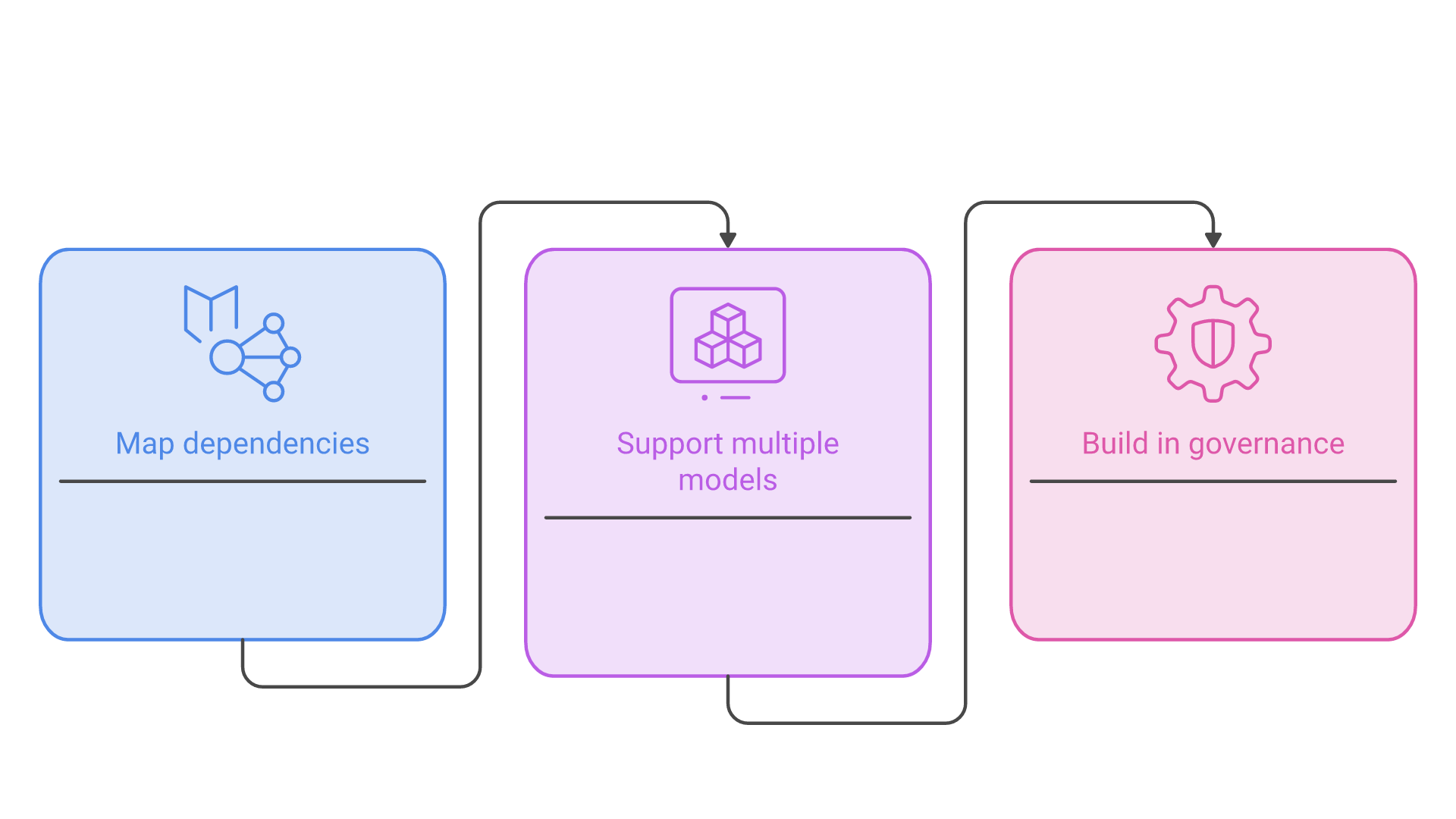
- Map current dependencies on competing cloud providers and AI models.
- Design architectures that support multiple model providers, not just one.
- Build governance and auditability into AI workflows before commercial terms shift again.
Cognativ helps organizations build AI-first architectures that reduce vendor lock-in. Through the RAPID framework, teams can assess cloud dependencies, model cost and risk scenarios, and implement governed AI workflows tied to measurable ROI-not ad hoc API usage.
Talk to Cognativ about building a secure, flexible AI and cloud strategy that accounts for the evolving Microsoft–OpenAI relationship. Start with a focused assessment of your systems, workflows, and constraints.