
The $6.3 Billion Binance Hack: Inside the Largest Crypto Heist in History
The Binance hack needed no stolen private keys, just a compromised engineer laptop and internal tooling. What it teaches every enterprise platform about access.
On October 29, 2026, North Korean hackers drained roughly $6.3 billion in digital assets from the world's biggest crypto exchange in about 20 minutes. What followed-frozen stablecoins, laundering pipelines, and a scramble to cover billions in user funds-may reshape how every enterprise platform thinks about security architecture.
The 20-Minute $6.3 Billion Binance Hack: What Happened
At 20:05 UTC, unauthorized withdrawal transactions began flowing out of 17 Binance hot wallets simultaneously, spanning Ethereum, Bitcoin, Solana, Tron, and at least six other blockchain networks. The number of chains hit at once is what made this attack unprecedented: within roughly 20 minutes, attackers had moved more than half of what would ultimately total $6.3 billion in stolen digital coins.
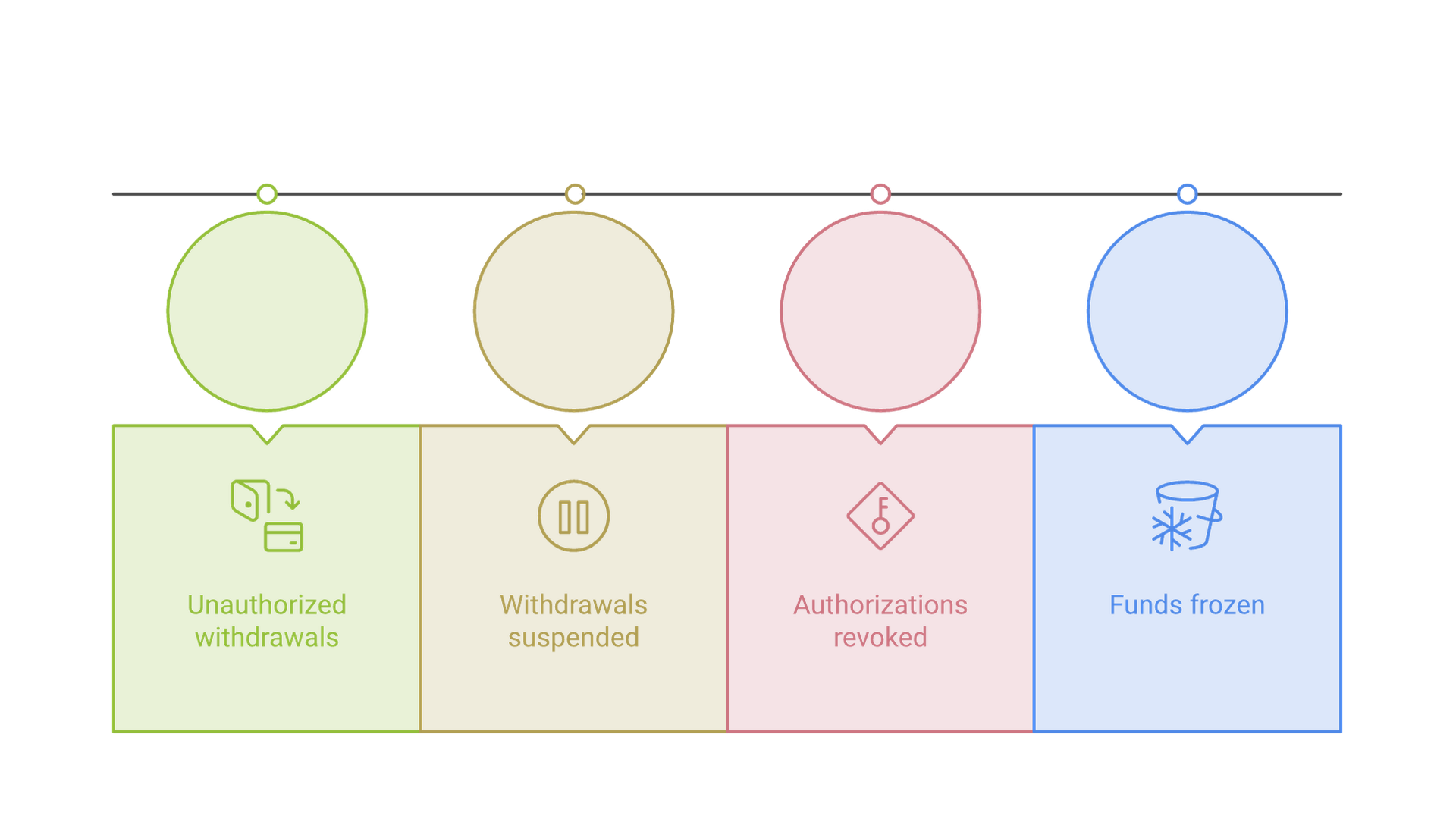
Binance said it detected the anomaly quickly, but not quickly enough. Immediate responses included suspending withdrawals and revoking compromised authorizations across affected systems. Deposits remained operational, and the company assured users that balances would be fully covered through Binance's Secure Asset Fund for Users (SAFU) and corporate treasury-earmarking $6.34 billion to absorb the loss.
Blockchain intelligence firms and internal teams labeled this the largest crypto heist in recorded history, eclipsing every prior theft. Within 48 hours, coordinated freezing efforts locked approximately $2.7 billion in stolen funds across multiple networks. The remaining assets began moving through laundering pipelines, and the race to trace them was already happening.
Who Is Behind the Binance Hack? TraderTraitor, Lazarus, and North Korea
Multiple crypto firms-including TRM Labs and Chainalysis-attributed the Binance hack with high confidence to TraderTraitor, an elite North Korean cybercrime unit linked to the broader Lazarus Group. The identity of the attackers was established through on-chain forensics: wallet clusters, transaction patterns, and infrastructure reuse tied directly to the same operators behind the 2025 Bybit hack, where TraderTraitor stole $1.5 billion.
North Korean hackers have stolen $1.1 billion in cryptocurrency from exchanges and DeFi protocols since at least 2017. The pattern is consistent: state-directed criminals target high-value platforms, exploit operational gaps, and funnel digital assets back to fund North Korea's sanctioned weapons programs. Under President Donald Trump's administration and successive policy regimes, sanctions have tightened-but crypto theft has only scaled up, making this the largest digital threat vector for global finance.
The geopolitical reality is stark. These are not opportunistic bad actors. This is a national revenue strategy.
How the Breach Unfolded: Attack Vector, Unlimited Access, and Binance's Defense
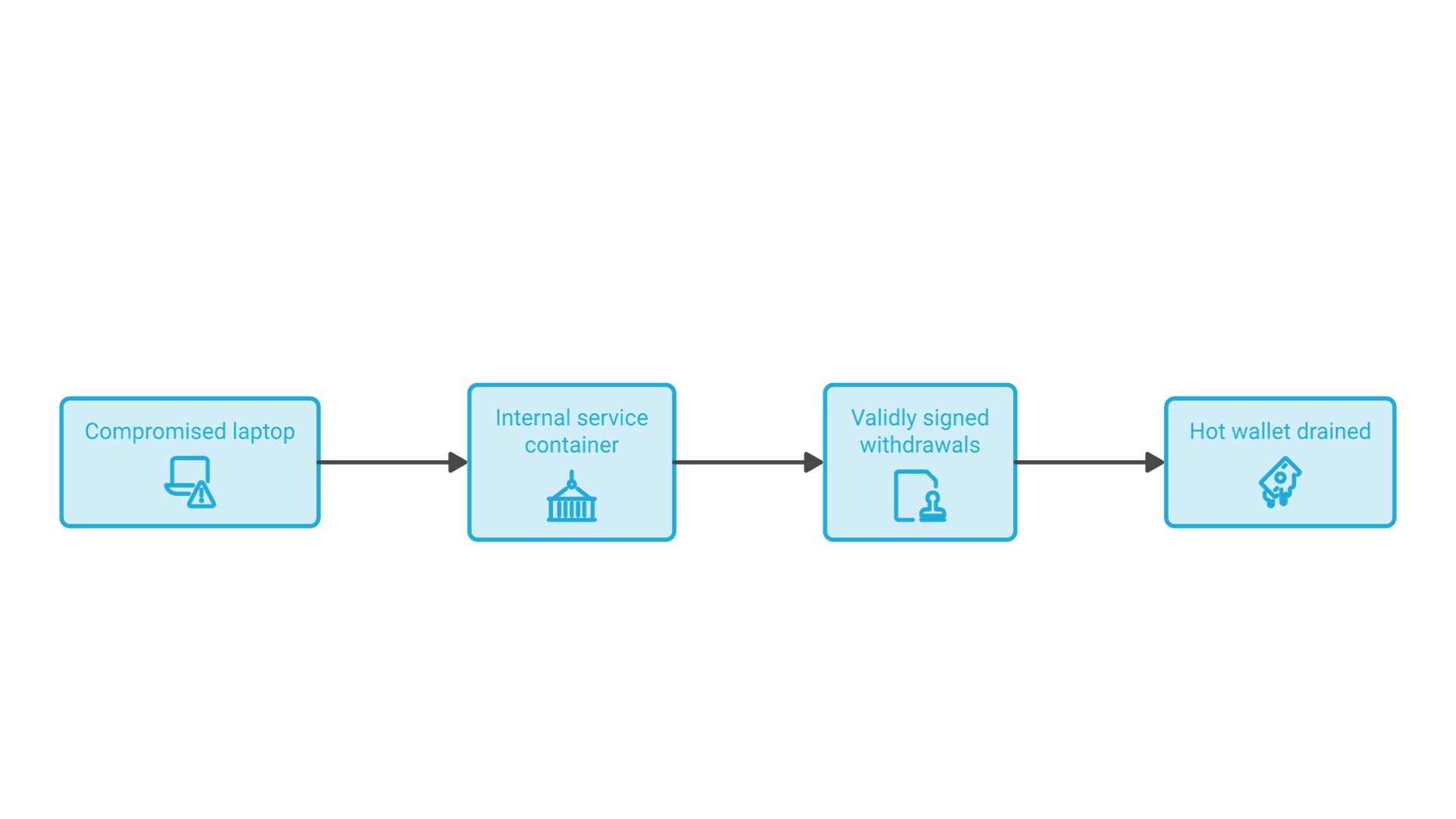
The attack chain started with a compromised laptop belonging to a Binance engineer. From that single endpoint, attackers accessed an internal service container and gained the ability to submit withdrawal transactions that carried valid signatures from Binance's own infrastructure. Binance has stated there is no evidence of a wallet private key leak-meaning the hackers exploited sophisticated techniques involving internal infrastructure and transaction signing rather than extracting raw keys.
On Ethereum specifically, attackers used EIP-7702 account-delegation to turn Binance's busiest hot wallet into a sweeper under their control. They had pre-crafted 50 signed authorizations, each targeting a specific nonce value. One matched, and the wallet began draining. Investigators later found additional points of breach across the exchange's systems, and the attackers deployed self-destruct mechanisms in their code to erase evidence.
The incident highlighted vulnerabilities in centralized exchange infrastructure and software supply chains. Once the anomaly was detected, Binance halted withdrawals, triggered emergency thresholds, and began working closely with law enforcement partners, stablecoin issuers, and other exchanges. The breach raised concerns regarding operational security across every centralized exchange in the crypto industry-because if Binance's defenses could be bypassed, the question becomes who else is exposed.
Following the Money: Frozen Stablecoins, Laundering Tactics, and Recovery Limits
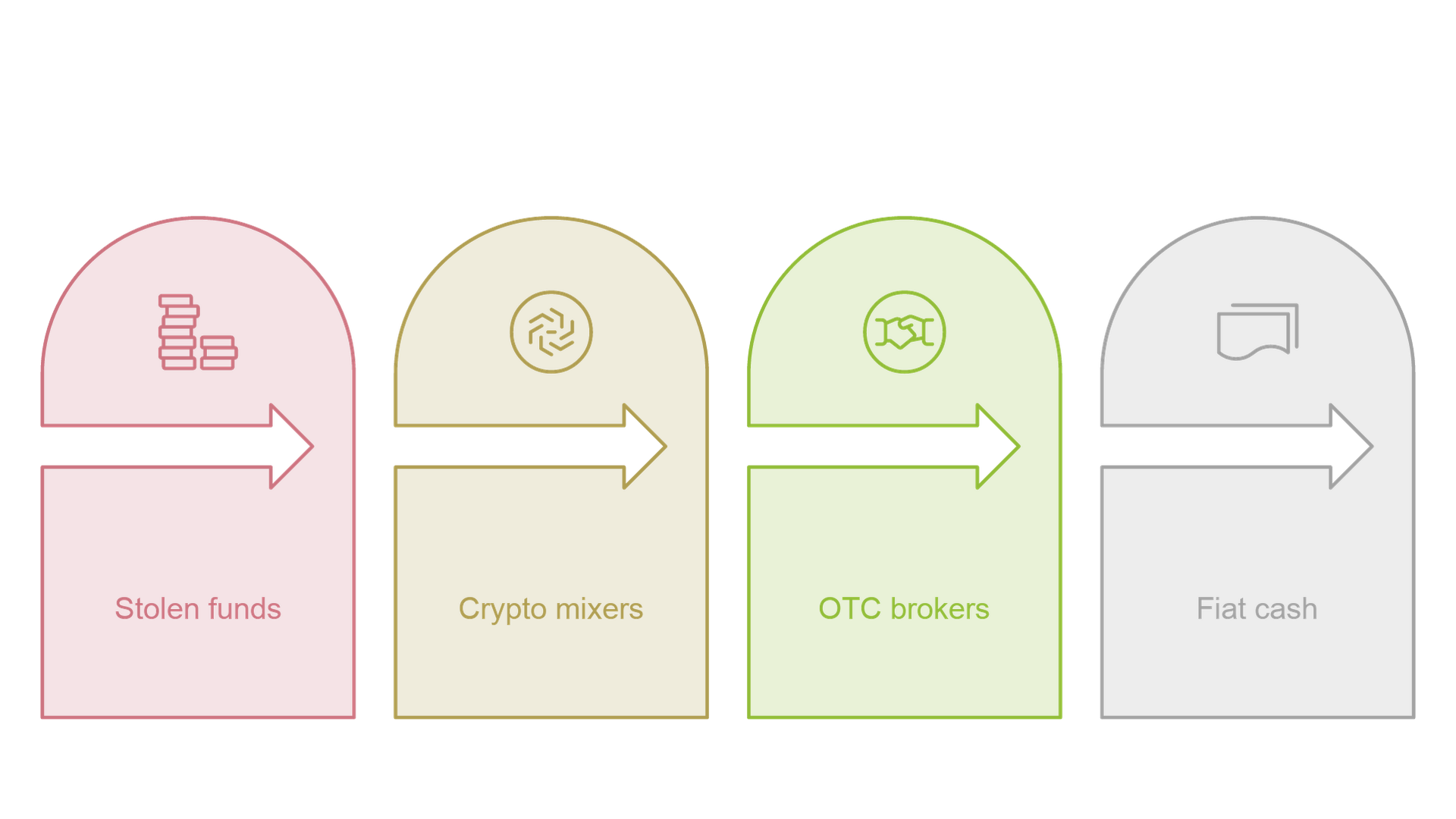
Stablecoin issuers froze around $3 billion in funds tied to attacker wallets. Tether locked $1.76 billion in USDT. Circle froze $823 million in USDC. Frozen stablecoins can be burned and reissued by issuers, giving these assets the highest recovery probability. But the hackers anticipated this: they sold USDT to market makers before freezing occurred, converting a portion into ETH and other major cryptocurrencies that cannot be administratively frozen.
The laundering patterns mirror prior North Korea–linked hacks. Hackers use crypto mixers to obscure transaction trails, and automation is used to send funds back and forth between wallets in rapid layering sequences. Hackers moved significant funds to different Tron addresses-a low-fee network ideal for high-volume cash movement. Money laundering organizations buy stolen crypto over the counter, often through Chinese OTC broker networks, converting digital assets into fiat money and dollars that disappear from blockchain visibility entirely.
As funds move further away from the original theft, seizure opportunities decrease sharply. Roughly $3.1 billion in bitcoin and ETH sat in attacker-controlled wallets at one checkpoint, but every hour without action reduces the chance of recovery. Law enforcement can trace on-chain flows, but off-chain conversion is where the trail goes cold. Binance's founder and shareholder have had to acknowledge publicly that a significant portion of the lost funds may never return.
What the 6.3 Billion Binance Hack Means for Crypto Security and Enterprise Platforms
This is the largest cyber heist in history, and it forces a reckoning. The incident may prompt increased regulatory scrutiny of exchange security practices, with pressure on crypto firms to meet banking-grade standards for key management, access control, and real-time monitoring. Key areas of focus post-breach included monitored asset recovery and security audits-but the deeper question is architectural.
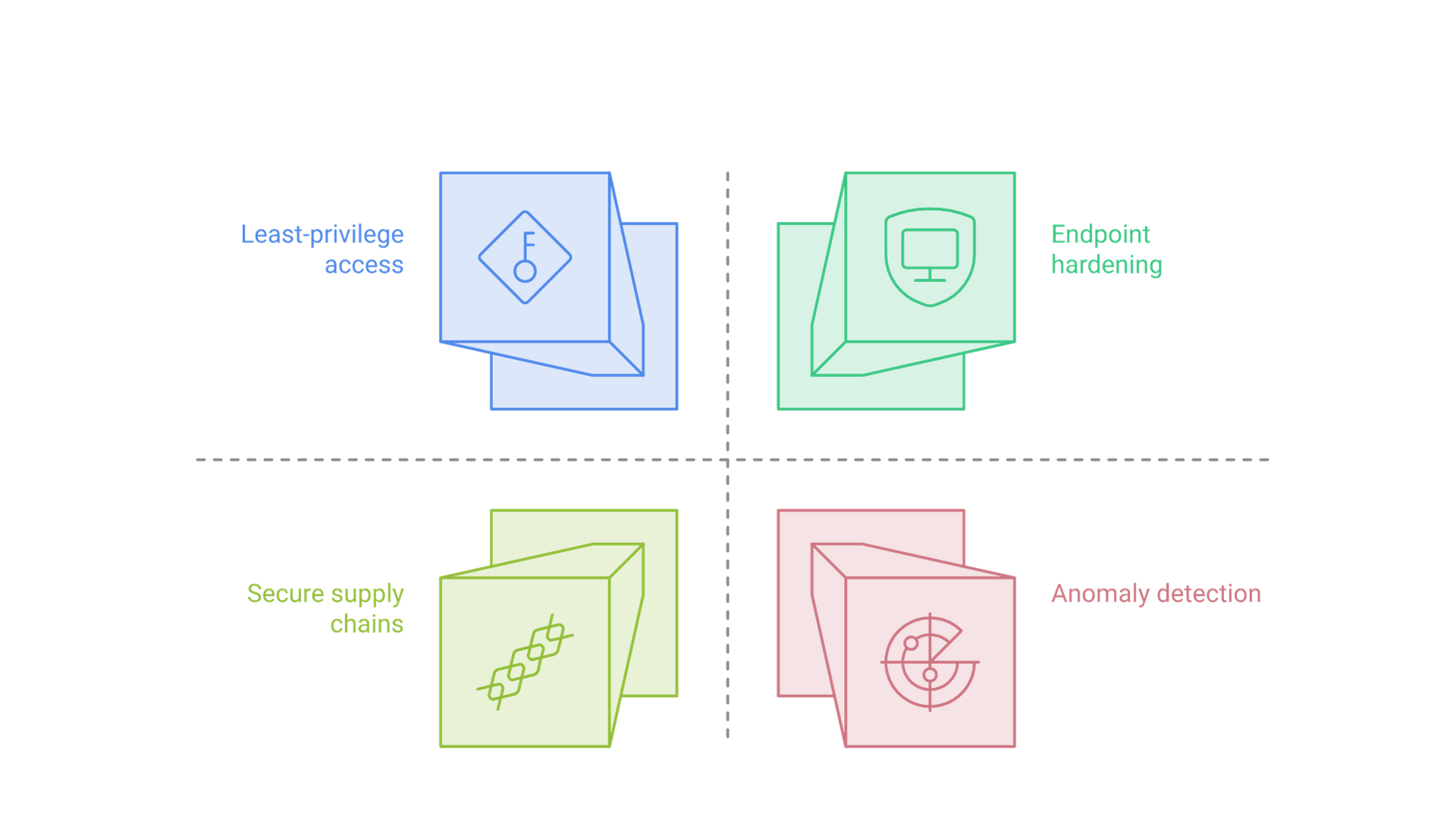
The breach did not require stealing private keys. It required access to internal tooling and the ability to mimic legitimate transactions. That distinction matters for any organization running high-value digital platforms-whether in fintech, healthcare, or logistics. Least-privilege access, secure software supply chains, endpoint hardening, and anomaly detection across authorization flows are not optional. They are baseline requirements.
Artificial intelligence–driven monitoring can detect behavioral anomalies in transaction signing patterns faster than manual review. But technology alone is insufficient without disciplined execution. Cognativ's RAPID framework exists precisely for this: helping enterprise teams identify failure modes early, design architectures that limit blast radius, and build incident response maturity before an attack-not after.
The world learned what 20 minutes of unlimited access can cost. The question for every enterprise leader: how would your systems respond?
Start with a focused assessment of your architecture, access controls, and constraints. Talk to Cognativ about building secure platforms designed for the threat environment that actually exists.