
OpenAI Pierre Acquisition: Why the Git Service Behind AI App Builders Matters More Than Codex
Pierre's Code Storage hosts Git for AI app builders, and OpenAI plans to own it. See the deal terms, the week's Git news and who should check their repos.
The file browser and the change viewer inside Codex were not built by OpenAI. They come from Trees and Diffs, two open-source libraries made by Pierre Computer Company, a San Francisco startup with a staff InfoWorld and CIO describe as barely in the double digits. OpenAI now plans to buy the company, which gives Codex direct ownership of tools it already ships.
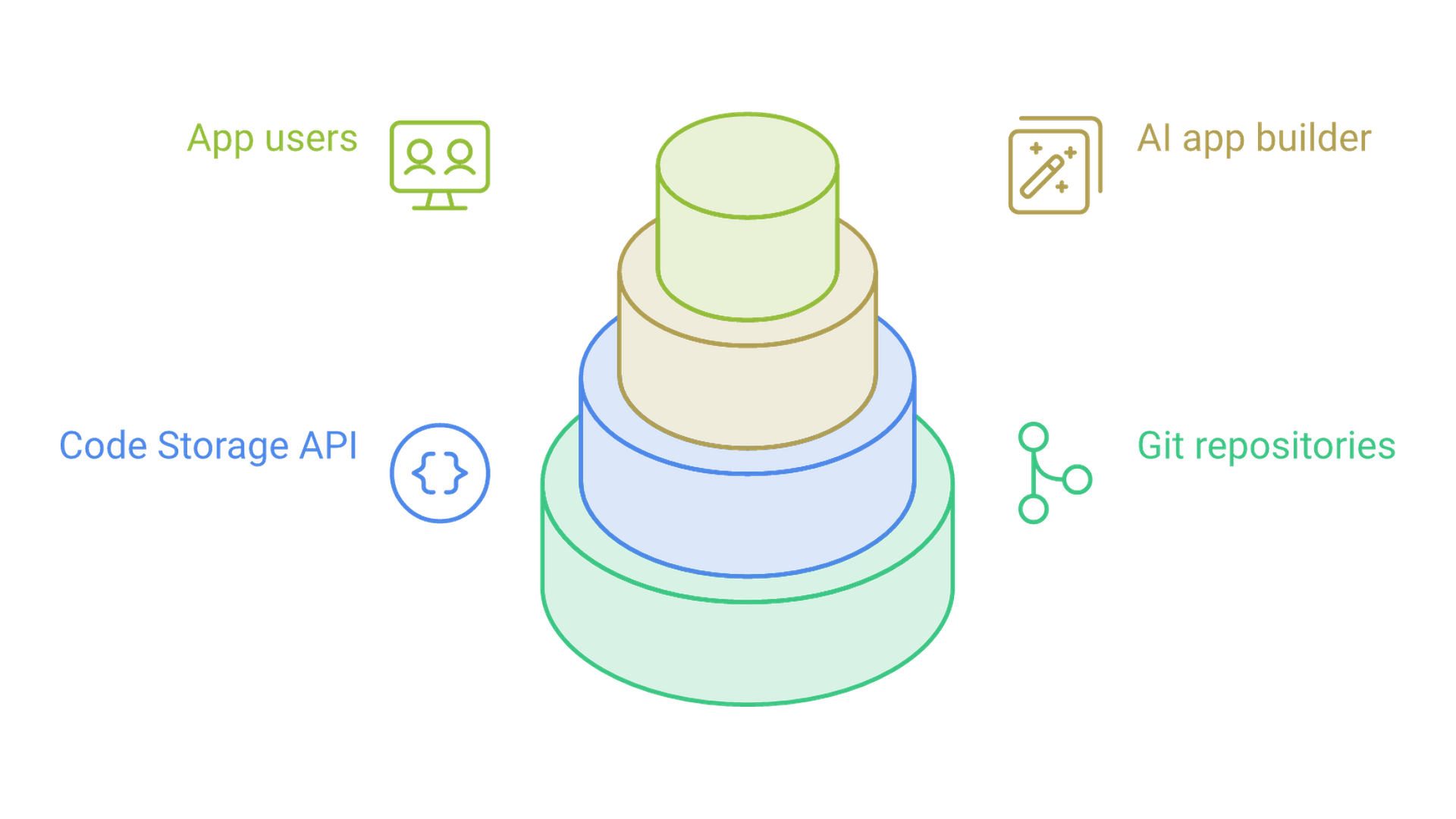
Pierre's paid product reaches much further than Codex. Code Storage is Git hosting sold to other software platforms, and its own site lists customers such as Lovable, Bolt and Amp, including AI app builders that turn prompts into working apps. Those platforms, and the businesses that build apps on them, now depend on infrastructure owned by a company whose own coding product chases many of the same users.
OpenAI Buys the Git Layer Codex Already Uses
OpenAI announced the agreement on November 4, 2026. OpenAI's announcement gives no price, says closing depends on customary conditions including regulatory approvals, and keeps the two companies separate until then. As reported by CIO and InfoWorld, OpenAI says the Pierre team will help it "set the standard for modern software development." Its newsroom account posted the deal on X the same day.
Today we’re announcing that OpenAI will acquire @pierrecomputer to accelerate our vision for making Codex a place where teams can build software together with AI, from first idea to the version they ship. Pierre’s open-source developer tools already power parts of Codex today.…
Three commitments came with it. Pierre's open-source projects stay open and OpenAI will keep contributing; Code Storage customers keep their service; and Code Storage features will move into Codex, with no date attached. OpenAI also named Pierre's help with code review as a reason for the deal.
Code Storage Is Repositories as an API, Not a GitHub Clone
GitHub, which Axios named as OpenAI's target in its exclusive report, is a destination where people log in, browse code and discuss pull requests. Code Storage sits one level lower: a platform calls an API or an SDK in TypeScript, Python or Go to create a repository, push generated files and read history, and its end users may never see a Git screen at all.
That design is why AI app builders use it. Each user prompt can produce a new project, and each project needs versioned storage without the platform running its own Git servers. Code Storage's site advertises webhooks for agents and build systems, sync to GitHub, GitLab and Bitbucket, hot and cold storage tiers and a 99.99% uptime SLA. SiliconANGLE reports Pierre's claim that the service cut Lovable's code retrieval latency by about 70%.
So the real overlap is not GitHub's community product. It is the storage tier underneath companies that compete with Codex for the same user: someone who wants working software from a prompt.
From Code Storage Launch to OpenAI Deal in Under 13 Months
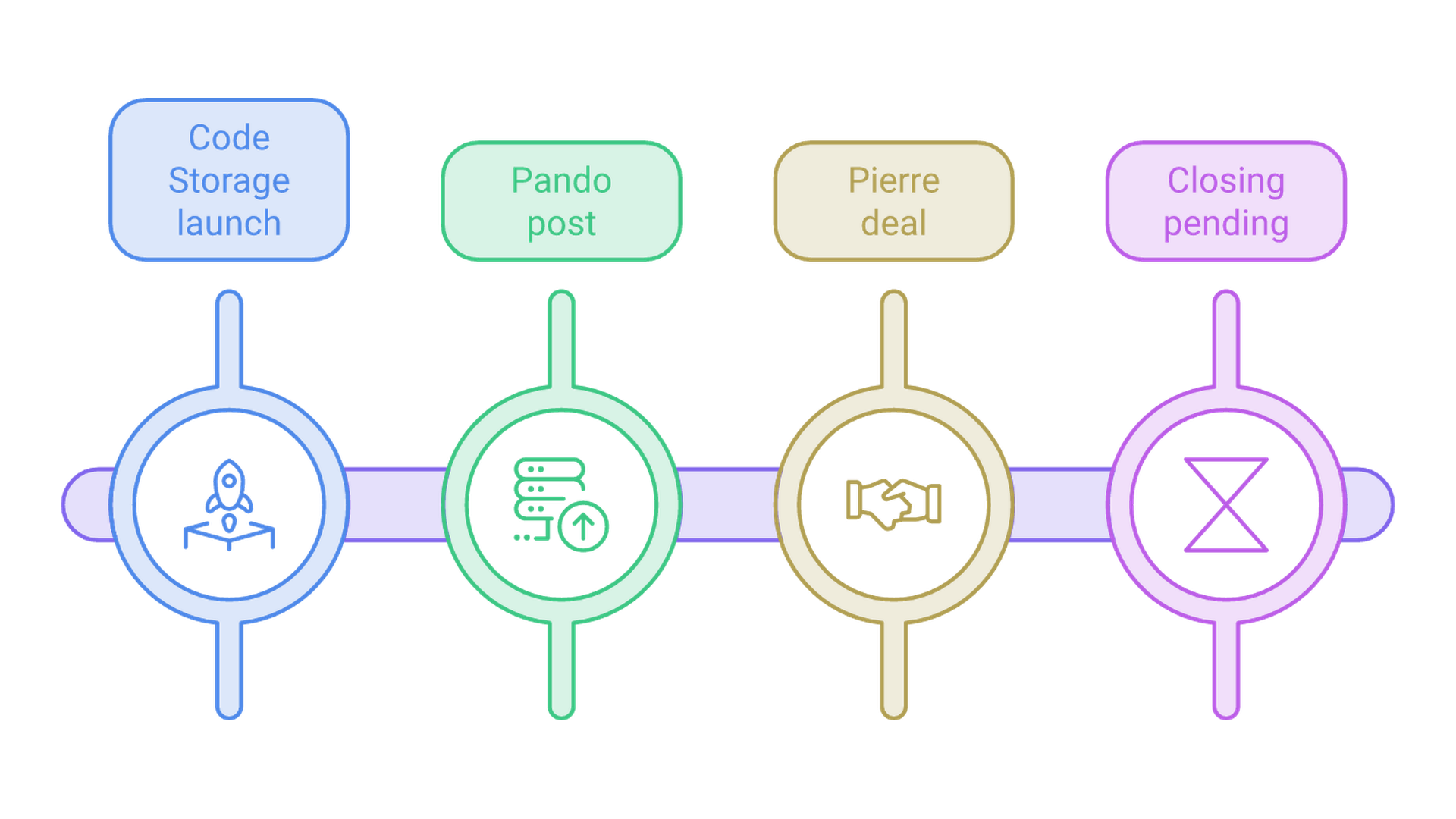
Pierre moved from product launch to acquisition target quickly, and OpenAI's own Git work set the stage:
- October 14, 2025: Pierre launches Code Storage, according to Sacra's company profile.
- Monday, November 2, 2026: OpenAI publishes "Scaling Git at OpenAI," describing Pando, an internal Git backend. Interesting Engineering reports OpenAI's figure that quarterly monorepo commits will be up about 2,400% in Q4 2026 versus Q1 2024, a projection for a quarter still under way, and that Pando cut median push latency by nearly 80%.
- Wednesday, November 4, 2026: Axios reports the Pierre deal and OpenAI announces it.
- Not yet dated: regulatory approval, closing, and the move of Code Storage features into Codex.
Pando solved OpenAI's own problem, Git buckling under agent traffic inside one company. Pierre sells the external version of that fix. When agents generate most commits, version control turns into a throughput and review problem, which is why branch rules, required checks and automated builds matter more as agent-written changes pile up.
If Your Product Is Built on Code Storage
For a software company that embeds Code Storage, nothing breaks today, and OpenAI has promised continued service. The exposure is strategic: your repository vendor's roadmap now serves Codex first. Code Storage's published pricing starts at a $20 or $200 monthly minimum, plus metered hot and cold storage and push and fetch traffic, so the bill is easy to model; the harder questions are feature priorities, renewal terms and data handling once OpenAI owns the service. The table sorts the exposure by situation.
| Your situation | Exposure | First step |
|---|---|---|
| You build an AI coding or app-building product on Code Storage | Your storage vendor will belong to a competitor | Map every API call you depend on and price a fallback Git host |
| You use Code Storage only for internal tooling | Low; service continues | Confirm the GitHub or GitLab sync keeps a full copy you control |
| You build on Codex and use Trees or Diffs in your own tools | Low; libraries stay open source | Pin the versions you ship and watch the repositories for license changes |
The first row is a real vendor decision with a cost on each side: staying is cheapest now, while a migration path takes engineering time but removes a dependency on a rival. A structured software selection review puts those costs side by side before a contract renewal forces the choice.
Built an App in Lovable or Bolt? Check Where the Code Lives
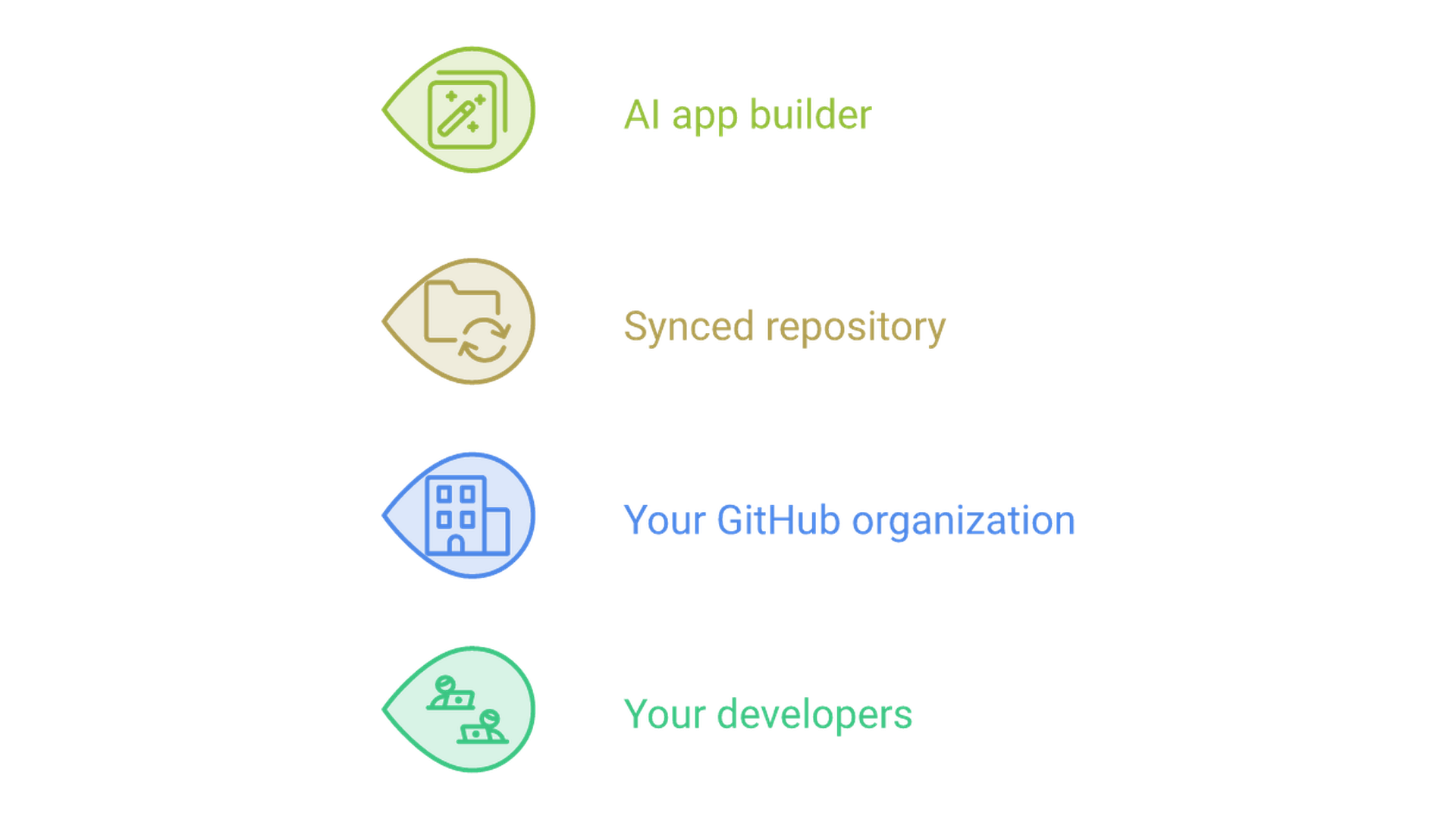
Many US companies now run customer portals, internal dashboards or first product versions that started in an AI app builder. Pierre's customer list does not tell you which projects sit on Code Storage, and nothing in the announcement suggests user code is at risk. It is still a useful moment to answer one question: if the builder changed its terms, would you have your code?
Check whether the project syncs to a repository in your own GitHub or GitLab organization, whether the history comes with it, and whether a developer outside the builder could run the app from that copy. If the answer is no, the app is effectively rented. Moving a prototype that has become important into custom software your team owns is often the moment to fix that.
FAQs About OpenAI's Pierre Acquisition
Price, timing and what happens to Pando and Pierre's open-source libraries.
How much did OpenAI pay for Pierre?
Neither OpenAI nor Pierre disclosed financial terms, and InfoWorld, CIO and SiliconANGLE all report the price as undisclosed.
When will the OpenAI Pierre deal close?
No date was given. Closing waits on customary conditions, including regulatory approvals, and Pierre operates independently until then.
What is OpenAI Pando?
Pando is a Git backend OpenAI built for its own monorepo and described on November 2, 2026. It stays compatible with standard Git clients, and OpenAI has not said whether Pando will be released outside the company.
Are Trees and Diffs still open source?
Yes. OpenAI said Pierre's open-source projects will remain open after the acquisition and that it will keep contributing to them.
Own the Repository, Rent the Agent
The OpenAI Pierre acquisition puts a coding agent and the Git storage beneath rival app builders under one owner. That is convenient for Codex users and a planning item for anyone whose product or app depends on Code Storage. A full, portable copy of your code in a repository you control turns the next ownership change into a footnote.
Business owners running an app generated in an AI builder, without a complete copy of its code in their own repository, can ask us to trace where that code is stored and how to bring it in-house.