
Uber AI Agents Booked Just Four Rides in Its Busiest Week: What the Numbers Mean for Agentic Commerce
Uber's Q3 2026 call revealed AI agents booked four rides in Halloween week. Why agents lag the app, and how businesses should prepare without overinvesting.
Uber says AI agents barely register in its business so far. On its third-quarter 2026 earnings call on November 4, the company disclosed that third-party AI agents fulfilled four rides and roughly 500 Uber Eats orders during the week of Halloween, a week in which Uber and Uber Eats handled about 320 million trips in total.
The figures land while AI companies are marketing assistants that can book, order and shop on a user's behalf. For businesses deciding how much to invest in being reachable by AI agents, Uber's numbers are a useful reality check, and a signal about where the real work sits.
What Uber Disclosed About AI Agent Bookings
Chief financial officer Balaji Krishnamurthy gave the numbers during the call, according to the third-quarter 2026 earnings call transcript. He described the Halloween period as one of Uber's largest weeks of the year, then broke out how much of that volume came from AI agents: around 500 food orders on Uber Eats and four completed trips on the rides side.
Chief executive Dara Khosrowshahi framed the result plainly, calling it "very, very early and very limited traction." He added that Uber expects agents to become another route into its platform and to be a net positive for demand over time. He also said Uber is now negotiating terms with the companies that build assistants, and that the company wants to avoid depending on any single one.
The disclosure came alongside strong core results. According to Uber's earnings release filed with the SEC, gross bookings reached $59.8 billion in the quarter, up 20% year over year, on revenue of $14.8 billion. The agent channel, in other words, is a rounding error inside a business that is still growing quickly through its own app.
Why AI Agents Are Not Booking Rides Yet
Khosrowshahi offered one explanation on the call: the existing app is already fast. He said booking a ride takes about 50 seconds on average and that reordering a favorite meal takes a median of 90 seconds. An assistant has to beat that, and a typed or spoken request to a general-purpose chatbot often does not.
Several other frictions are visible from the outside:
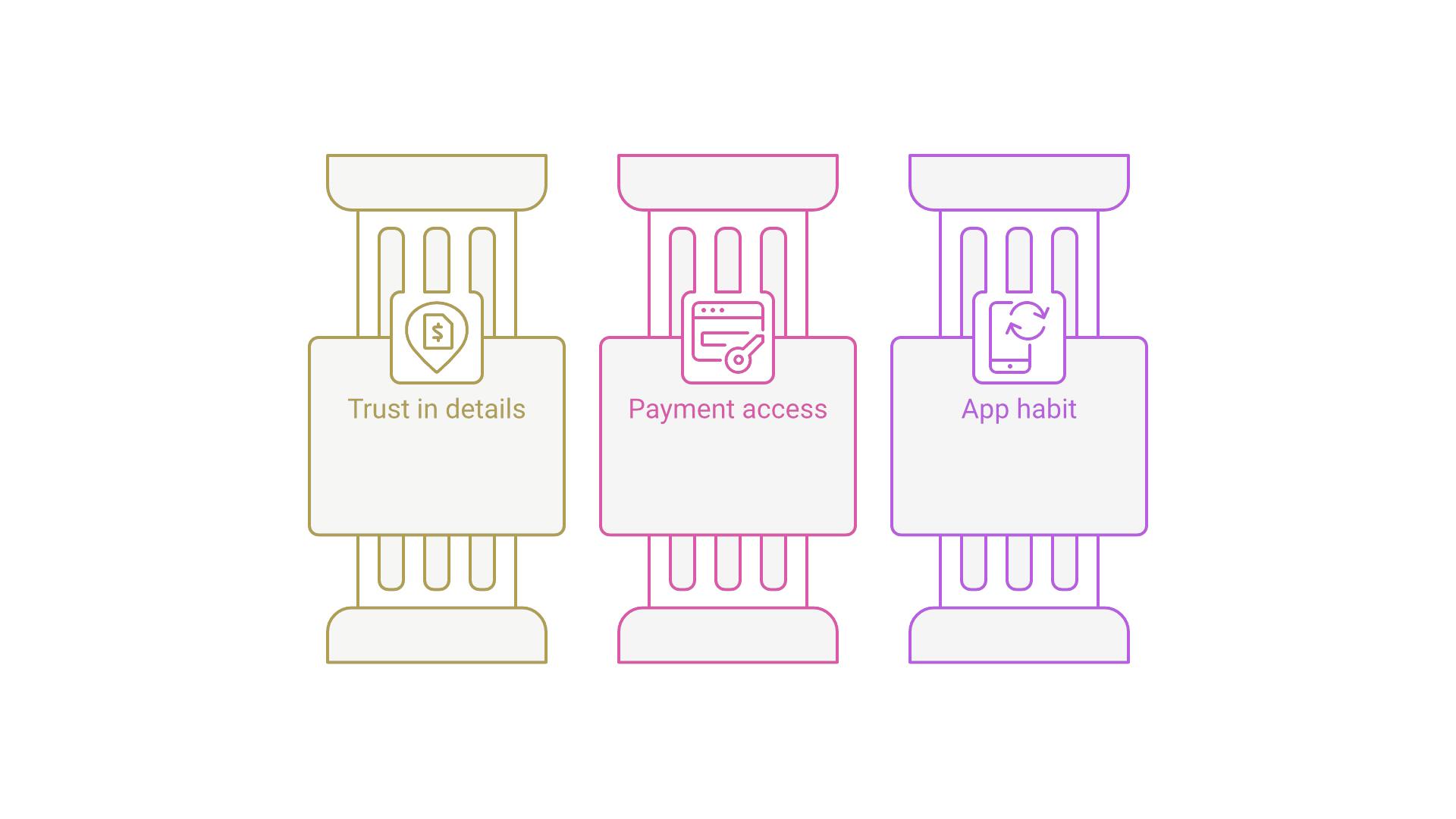
- Trust in the outcome: a ride involves a pickup point, a price and a time window. Users want to see those details before committing, which pulls them back into the app.
- Payment and identity: the agent needs the user's account, payment method and preferences, which raises questions about permissions and liability.
- Habit: people who already open the Uber app daily have little reason to route the same task through another product.
Uber is not alone. On its own third-quarter call the previous week, DoorDash chief executive Tony Xu said third-party agents had sent the company only several hundred orders in total, with most customers still ordering in DoorDash's app.
The Agent Market Uber Is Preparing For
Low usage today does not mean Uber is ignoring agents. Khosrowshahi said there are about eight major AI assistants on the market and that he expects more than ten over time, and that every company building one is in talks with Uber. Meta, OpenAI, Anthropic, Google and the maker of Grok all offer assistants that can act for users, alongside startups built around agents.
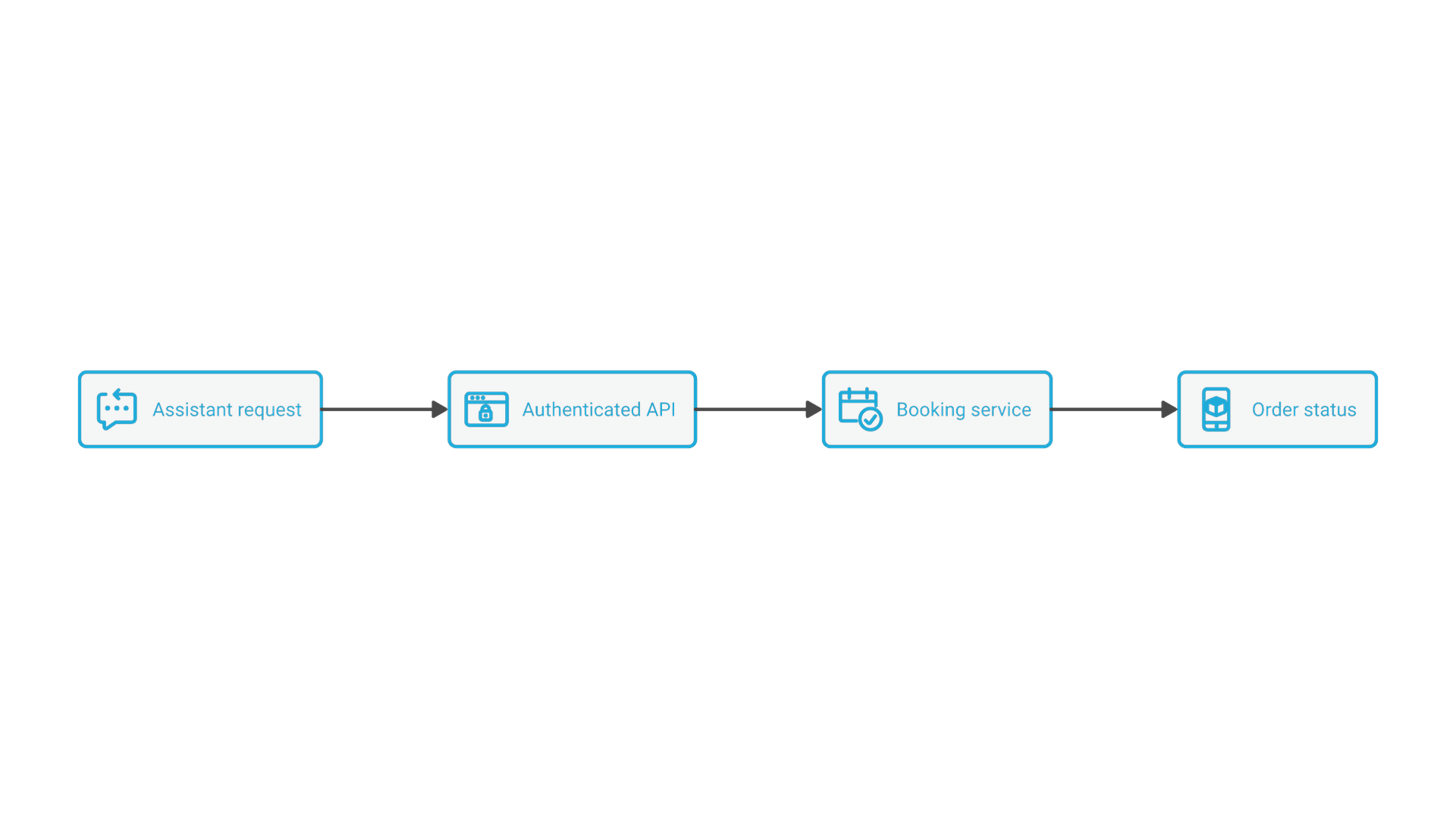
That posture matters for any company that sells through digital channels. Being reachable by agents usually means exposing clean, well-documented interfaces for search, pricing, booking and order status, with authentication and rate limits that keep automated traffic under control. Teams that already have that foundation can connect to a new assistant quickly; teams that do not will find each new channel expensive. This is the kind of groundwork that API integration services are designed to cover.
Uber also pointed to a different result from AI it controls itself. Khosrowshahi said early signals show baskets built with Uber's own cart assistant are roughly twice the size of the average basket. That suggests the near-term value may come from AI inside a company's own product rather than from third-party agents acting on the outside.
What Uber's AI Agent Numbers Mean for Businesses
For small and midsize businesses, the lesson is about sequencing rather than skepticism. Customer behavior has not shifted to agents in a high-frequency, consumer category where the tasks are simple. It is unlikely to have shifted further in categories with longer, more complex purchases.
| Question | What Uber's disclosure suggests |
|---|---|
| Are customers using third-party agents to buy? | Not at meaningful scale yet, even at Uber and DoorDash. |
| Should you build for agents now? | Prepare the interfaces, but do not expect near-term revenue. |
| Where is AI paying off first? | Assistants inside your own app or workflow. |
| What is the main risk? | Depending on one assistant platform for distribution. |
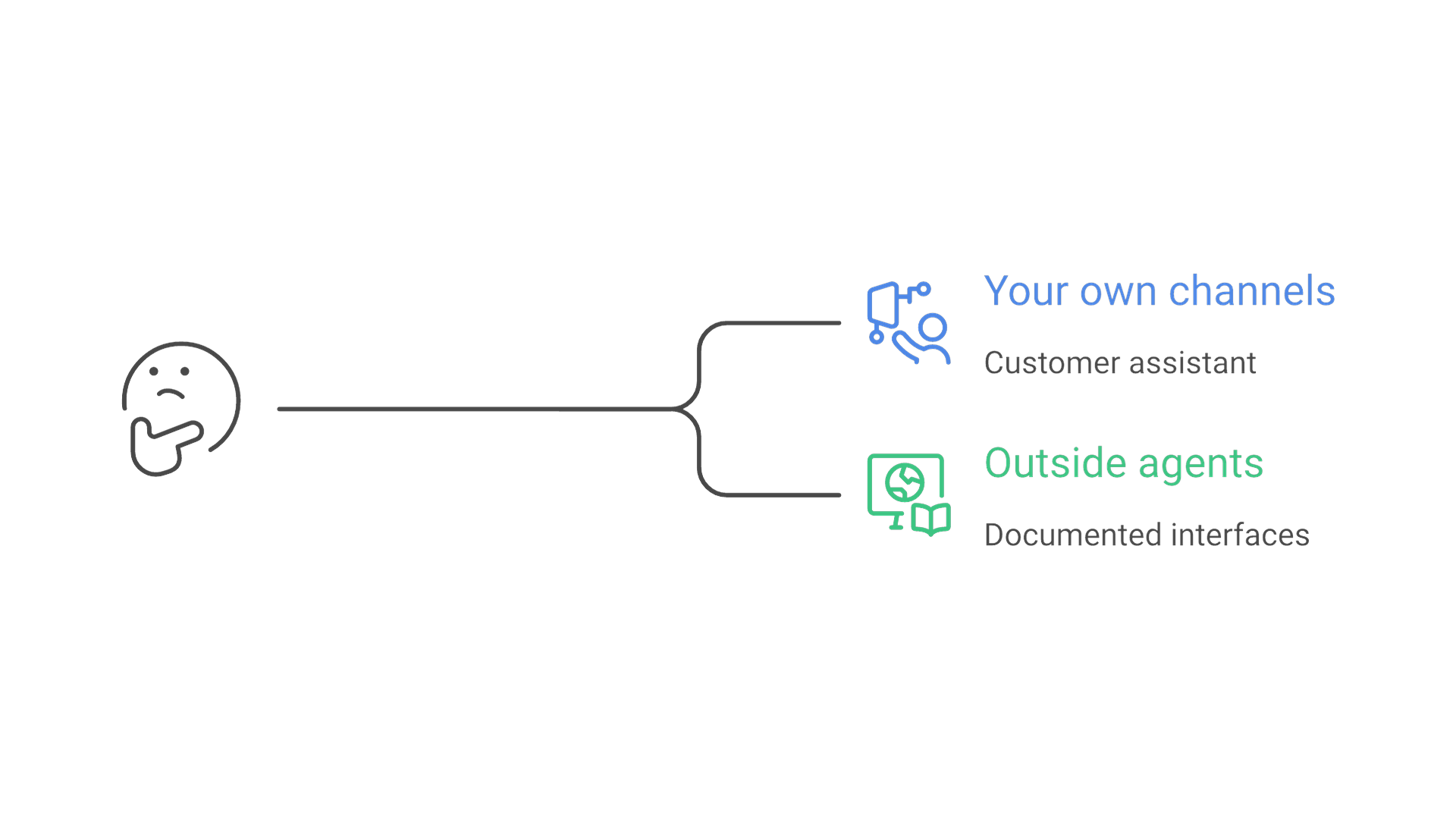
A practical plan has two tracks. First, invest in AI that helps your own customers and staff finish tasks faster inside channels you control, such as order support, quoting or scheduling. Purpose-built AI agent development fits here, because the agent works on your data, your rules and your interface. Second, keep your systems ready for outside agents by documenting your interfaces, defining what an automated client may and may not do, and tracking agent traffic as its own channel so you can see when it starts to matter.
Avoid locking into a single assistant ecosystem. Uber's emphasis on not depending on any one partner is a reasonable stance for a company of any size, since the list of assistants is still growing and their commercial terms are still being negotiated.
Frequently Asked Questions
How many Uber rides were booked by AI agents?
Uber said third-party AI agents fulfilled four rides during the week of Halloween 2026, a week in which Uber and Uber Eats handled about 320 million trips.
How many Uber Eats orders came from AI agents?
About 500 Uber Eats orders came from AI agents that same week, according to chief financial officer Balaji Krishnamurthy on the third-quarter 2026 earnings call.
Why are people not using AI agents to book Uber?
Uber's chief executive noted that booking a ride in the app already takes about 50 seconds. Trust in pickup and pricing details, payment permissions and existing habits also keep users in the app.
Should businesses prepare for AI agent customers?
Yes, but with modest expectations. Document your interfaces and track agent traffic separately, while putting most near-term AI investment into tools that work inside channels you control.
Conclusion: Build for Agents, Plan for Customers
Uber's four agent-booked rides in a week of roughly 320 million trips show how far agentic commerce still is from everyday behavior. The company expects that to change and is negotiating with assistant makers now, but its growth still comes from its own app, and its most promising AI result is an assistant it built itself.
The sensible response for most businesses is to put AI to work where you control the experience while keeping your systems ready for agents when demand appears. If you want help deciding what to build first and how to prepare your interfaces, talk with the Cognativ team.