

Connecting the Luggage Brand's DTC Experience and Fulfillment
Cognativ rebuilt the U.S. digital operation around a SmartSaaS storefront, inventory visibility, logistics routing, and retailer integration, giving the luggage brand more control from campaign launch through delivery.
Industry Context
Consumer Goods / Luggage
Specialty
Direct-to-consumer ecommerce, omnichannel logistics, branded digital experiences
Solution
DTC strategy, custom ecommerce platform, and SmartSaaS architecture
Users Served
Consumers, merchandising teams, logistics coordinators, marketing, and retail partners
About the Project
A well-known global luggage brand had established a strong brick-and-mortar presence, but its U.S. ecommerce division was underdeveloped. The direct-to-consumer channel was producing just $10M annually, with limited visibility, conversion friction, and poor integration across fulfillment systems.
Cognativ was engaged to overhaul the digital business. Using the RAPID transformation framework, we led strategy, UX, engineering, fulfillment architecture, and retailer integration.
The new DTC platform enabled streamlined operations, accelerated digital marketing ROI, and created a premium brand experience at every touchpoint. Within 36 months, revenue scaled from $10M to $80M+, positioning the U.S. ecommerce division as a growth engine for the entire brand.
The Risk
Warehouse systems were disconnected, orders lagged, inventory counts were off, and digital marketing had limited visibility into performance and margin.
The Situation
Despite global brand recognition, the U.S. ecommerce channel was flat. The website was a catalog, not a storefront.
The Opportunity
The company wanted to win DTC, but did not want to become a tech company. It needed architecture, operations, logistics, and brand storytelling done right.
Transformation Objectives
Cognativ focused the engagement on a modern DTC platform, unified commerce operations, and a high-performance customer experience that could support rapid marketing cycles and efficient logistics.
Build a Modern DTC Platform
Design and deploy a modern DTC platform that showcases the brand, streamlines fulfillment, and drives conversion.
Unify Commerce Operations
Unify ecommerce, warehouse operations, and third-party retail integrations through SmartSaaS architecture.
Support Rapid Growth Cycles
Deliver a high-performance site that supports rapid marketing cycles, responsive merchandising, and efficient last-mile logistics.
Core Business Challenges
The legacy website was slow, outdated, and lacked conversion optimization. It did not give the brand a premium DTC experience or a modern merchandising foundation.
Warehousing and shipping were managed through disconnected third parties, causing SLA gaps, inventory mismatch, and limited fulfillment visibility.
Marketing and merchandising lacked real-time control over offers, content, and bundles, while wholesale and retail partners like Macy's and Costco needed tighter technical integration.
Underperforming Ecommerce Experience
The old site was slow, hard to navigate, and poorly optimized for mobile and merchandising.
No Fulfillment Visibility
Orders shipped through third parties with no real-time tracking or SLA reporting, hurting customer experience.
Limited Digital Strategy
Offers, bundles, and campaigns were hard-coded, limiting speed and experimentation.
Retailer Integration Gaps
Wholesale and retail partners like Macy's and Costco needed tighter technical integration, but legacy tools could not deliver.
Inventory Sync Issues
Warehouses, ecommerce, and partner systems used different stock counts, causing oversells and missed orders.
Fragmented Analytics
The team could not trace revenue by campaign, offer, or channel, blocking optimization.
The Cognativ Solution
Cognativ delivered a full-stack transformation from front-end UX to warehouse and 3PL integration.
Phase 1: Brand and Tech Audit
Cognativ conducted a brand and tech audit to identify key friction points across the ecommerce journey, then developed a DTC growth strategy focused on premium UX, operational agility, and cross-channel consistency.
Phase 2: SmartSaaS Ecommerce Platform
Cognativ built a platform with modular product and promo logic, custom checkout and loyalty workflows, real-time inventory and fulfillment routing, retailer API integration for Costco, Macy's, and others, and mobile-optimized, conversion-tested design.
Fulfillment and Retailer Integration
Logistics, inventory, and retailer systems were integrated for high-volume fulfillment with brand control, giving the business real-time visibility across ecommerce, 3PL, and retail systems.
Architecture: Composable Micro-Kernel
The solution ran on Cognativ's composable micro-kernel, enabling changes to UX, pricing, or order flow without touching the core system. Warehouse visibility and last-mile logistics were linked to brand rules and customer SLAs.
How RAPID Guided the Transformation
“We didn’t just modernize the store; we rebuilt the engine behind it. RAPID helped align their brand promise with operational reality, unlocking huge scale without complexity.”
– Ali Davachi, Cognativ Founder
Researching DTC Friction
Cognativ reviewed the ecommerce journey, brand experience, fulfillment flow, inventory systems, retail partner needs, and campaign operations.
Analyzing Growth Blockers
The team connected slow site performance, fulfillment blind spots, hard-coded merchandising, and fragmented analytics to flat DTC growth.
Planning the Growth Engine
The roadmap centered on premium UX, SmartSaaS architecture, retailer APIs, real-time inventory, fulfillment routing, and marketing agility.
Implementing SmartSaaS Commerce
Cognativ launched the new DTC platform, connected logistics and retail systems, and enabled rapid merchandising cycles.
Deciding With Revenue Signals
Revenue growth, fulfillment visibility, marketing ROI, customer experience, and repeat purchase signals guided ongoing decisions.
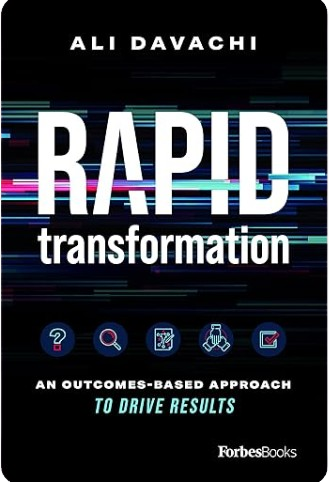
What is the RAPID Framework?
RAPID connects Research, Analyze, Plan, Implement, and Decide. For this luggage brand, the assessment covered both the customer journey and the warehouse, partner, and inventory systems behind it.
The resulting plan combined a premium DTC experience with operational visibility. Revenue, fulfillment, and repeat-purchase signals then helped guide continued platform decisions.
Results Obtained
Revenue increased 8x from $10M to $80M+ over 3 years through end-to-end DTC transformation.
Cognativ launched a SmartSaaS ecommerce platform with custom UX and multi-channel order routing, then integrated logistics, inventory, and retailer systems for high-volume fulfillment with brand control.
The client could treat ecommerce as a standalone growth engine, no longer an afterthought.
8x Revenue Growth
DTC revenue scaled from $10M to over $80M, driven by improved conversion and fulfillment.
Real-Time Fulfillment Visibility
Inventory and shipping data synced across ecommerce, 3PL, and retail systems, eliminating blind spots.
Higher Marketing ROI
Merchandising and campaigns could be launched in hours, not weeks, with clear attribution.
Improved Customer Experience
Site speed, mobile UX, and fulfillment accuracy all contributed to better NPS and repeat purchase rates.
Immediate Benefits
The rebuilt storefront brought the product's premium positioning into the buying experience, while integrated stock and retailer workflows gave teams a more dependable basis for merchandising and delivery promises.
Premium Brand Experience
The ecommerce site reflected the value of the product, not just a price point.
Inventory Confidence
Product availability and fulfillment windows were reliable and visible.
Retailer Trust
Technical integration enabled smoother B2B and drop-ship workflows.
Faster Merchandising
Marketing teams could launch offers, bundles, and campaigns autonomously.
Ongoing Benefits
A connected DTC operation now supplies customer insights to the wider brand and supports additional categories, with Cognativ continuing to advise on logistics, marketplace expansion, and personalization.
End-to-End Control
The ecommerce division now operates with end-to-end control and full visibility.
Shared Customer Insights
Customer insights from DTC are shared back into global product and marketing teams.
Category Expansion
The platform supports additional growth into travel, business, and lifestyle accessory categories.
Roadmap Support
Cognativ continues to advise on logistics scaling, marketplace expansion, and personalization roadmap.
Why Consumer Brands Trust Cognativ
Cognativ helps CPG and lifestyle brands take control of their digital destiny. We do not just build ecommerce sites; we engineer platforms that integrate fulfillment, retail, marketing, and merchandising into a seamless growth machine.
Our RAPID approach delivers fast results, and our SmartSaaS foundation ensures your tech scales with your ambition.
From Catalog Site to Growth Engine
A modern DTC platform gives brands control over experience, merchandising, fulfillment promises, and repeat customer value.
From Disconnected Logistics to Brand Control
Integrated inventory, warehouse, 3PL, and retailer systems eliminate blind spots across high-volume fulfillment.
From Hard-Coded Campaigns to RAPID Execution
Marketing and merchandising teams move faster when offers, bundles, content, and analytics are built into the operating model.
Adaptable Commerce Rules Without Core Rework
The composable micro-kernel allowed changes to UX, pricing, and order flow without touching the core system, linking platform flexibility to the brand's operational requirements.
Ready to Build a $10M to $80M Digital Growth Engine?
Let’s turn complexity into clarity. Partner with Cognativ to scale your ecommerce business with precision, speed, and strategic control.


