

Moving Beyond Magento to Faster Retail Execution
Cognativ rebuilt a lifestyle retailer's platform and content structure on SmartSaaS, connecting product discovery, checkout, and merchandising workflows so teams could launch campaigns without waiting on development tickets.
Industry Context
eCommerce / Retail
Specialty
Consumer lifestyle products and online retail
Solution
Full replatforming from Magento with SmartSaaS architecture and content restructuring
Users Served
Marketing teams, merchandising, fulfillment, executive leadership, and end customers
About the Project
A growing ecommerce brand had hit a wall. Built on Magento, their site was slow, unstable, and difficult to update. Conversion rates were flat. Technical debt made content changes risky. And the team was spending more time patching vulnerabilities than improving performance.
Cognativ was engaged to replatform the business using SmartSaaS architecture and overhaul its content structure to improve UX and conversion. Using the RAPID methodology, we transitioned the client off Magento, implemented a scalable commerce stack, and rebuilt the site experience with conversion architecture principles.
The result: improved performance, simplified merchandising, and a sustained increase in conversion across all channels.
The Risk
Magento created delays, mobile users dropped off during checkout, minor CMS changes could break live pages, and security risks mounted as extensions became outdated.
The Situation
The client had a strong product and loyal repeat customers, but their ecommerce infrastructure was working against them.
The Opportunity
The client did not just need a new platform. They needed a partner who understood commerce, conversion, and operational speed.
Transformation Objectives
Cognativ focused the rebuild on platform stability, conversion-first content structure, reduced technical overhead, and faster campaign execution.
Replatform From Magento
Replatform from legacy Magento to a modern SmartSaaS ecommerce architecture to improve stability and UX.
Restructure Content for Conversion
Redesign content structure with a conversion-first approach to improve product discovery and purchasing behavior.
Enable Faster Merchandising
Reduce technical overhead while enabling faster campaign, bundle, and merchandising deployment.
Core Business Challenges
Magento updates caused frequent regressions and vulnerabilities, undermining trust and uptime. Patching took days, and performance worsened during high-traffic events.
Product pages lacked visual hierarchy, calls-to-action were buried or non-existent, and the site had no user journey logic. Bounce rates on mobile PDPs were over 50%.
All updates, even for promos or homepage content, required a dev ticket, while bundles, featured products, and seasonal pages could not launch without risking other content.
Legacy Platform Limitations
The Magento instance was slow, full of vulnerabilities, and unable to support modern ecommerce features.
Poor Conversion Flow
Content layout and PDP logic were cluttered and inconsistent, with weak hierarchy and buried calls-to-action.
Slow Time-to-Change
Marketing and product teams had to wait on dev resources for every page, promo, or homepage update.
Security and Performance Issues
Frequent updates and patches were required to stay secure, often breaking custom workflows.
Lack of Strategic UX
Site architecture did not guide the user journey, resulting in high bounce rates and missed upsell opportunities.
Unreliable Merchandising
Bundles, featured products, and seasonal pages could not be launched without risking other content.
The Cognativ Solution
Cognativ delivered a complete ecommerce platform migration paired with a UX redesign focused on conversion and speed.
Phase 1: Magento and UX Audit
Cognativ conducted a full audit of the client's Magento instance, analyzing performance issues, custom code dependencies, conversion friction, and SEO limitations. We identified critical UX gaps and mapped ideal content structure by device type.
Phase 2: TotalCommerce SmartSaaS Architecture
Cognativ deployed modular merchandising, intelligent product tagging, filterable category pages, mobile-optimized PDPs, simplified cart logic, reusable campaign blocks, and real-time CMS updates with zero code required.
Mobile and Checkout Simplification
The new experience simplified product discovery, mobile PDPs, cart logic, and checkout flow so users could browse, filter, and purchase seamlessly across devices.
Architecture: Headless and Composable
All commerce flows were separated from presentation, so site updates never touched checkout logic. Security updates were handled globally through the SmartSaaS core, eliminating local patch cycles.
How RAPID Guided the Transformation
“This was about unlocking the team. They knew what to sell, when to sell it, but the system kept getting in their way. RAPID helped us remove the noise and get them back to selling.”
– Ali Davachi, Cognativ Founder
Researching Platform Friction
Cognativ reviewed Magento performance, custom dependencies, security exposure, content workflows, UX gaps, SEO limitations, and conversion friction.
Analyzing Conversion Barriers
The team connected slow page speed, cluttered PDP logic, weak mobile flow, dev-ticket delays, and patch cycles to stalled conversion.
Planning the Replatform
The roadmap prioritized SmartSaaS architecture, conversion-first content, reusable campaigns, merchandising agility, and secure platform operations.
Implementing SmartSaaS Commerce
Cognativ launched the new stack, separated presentation from checkout, rebuilt PDPs and category pages, and enabled real-time CMS updates.
Deciding With Conversion Signals
Site speed, checkout completion, add-to-cart behavior, campaign velocity, and security stability guided ongoing decisions.
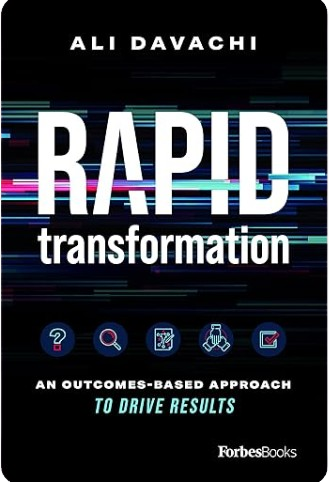
What is the RAPID Framework?
RAPID connects Research, Analyze, Plan, Implement, and Decide. For this retailer, it brought platform performance, security maintenance, content workflows, and conversion friction into the same assessment.
The roadmap linked the move away from Magento with reusable campaign content and simpler buying journeys. Speed, checkout behavior, and campaign delivery then informed ongoing improvements.
Results Obtained
Cognativ improved conversion rate through content restructuring and checkout simplification.
The new platform increased merchandising and marketing agility so offers and bundles could launch same-day.
The engagement reduced site load time, eliminated recurring security patch cycles, and provided a stable foundation to support marketplace expansion and seasonal sales spikes.
Faster Site Load Times
Page speed improved by 38% across mobile and desktop, reducing bounce and improving SEO.
Simplified Checkout Experience
Conversion friction was removed, leading to increased add-to-cart and completion rates.
Same-Day Promo Launch Capability
Campaigns, bundles, and seasonal collections could now be launched in hours, not weeks.
No More Magento Patching
SmartSaaS eliminated the CVE exposure and regression risk from outdated platform cycles.
Immediate Benefits
The new storefront made browsing and purchasing easier across devices while giving marketing direct control of campaigns, brand presentation, and product availability updates.
Mobile Performance
Users could browse, filter, and purchase seamlessly across devices.
Operational Agility
Marketing could run campaigns independently of the dev team.
Brand Control
Visual design and messaging aligned with brand identity across categories.
Inventory Sync Confidence
Stock logic and bundle availability were dynamically updated and 100% accurate.
Ongoing Benefits
The shared stack supports additional sales channels and front-end changes, with continued optimization work and a foundation for the client's developing loyalty and SMS programs.
Channel Expansion
Marketplaces, retail, and affiliate flows now operate on the same stack.
Front-End Control
Marketing teams have full control over front-end UX with no more dev bottlenecks.
Optimization Roadmap
Cognativ continues to support personalization, site search optimization, and predictive product surfacing.
Loyalty and SMS Foundation
The client is now building a loyalty program and SMS strategy on top of the SmartSaaS foundation.
Why Brands Trust Cognativ for Ecommerce Rebuilds
Cognativ helps ecommerce brands grow faster by removing technical debt and rebuilding conversion architecture. Our SmartSaaS platform delivers speed, stability, and flexibility, allowing marketing, ops, and product teams to focus on what they do best.
We do not just migrate sites. We create systems that sell.
From Legacy Magento to Stable Commerce
Modern architecture reduces patch cycles, regression risk, and performance drag while giving teams a cleaner platform foundation.
From Cluttered Pages to Conversion Architecture
Product discovery, PDP hierarchy, cart logic, reusable content blocks, and checkout flow all work together to reduce friction.
From Dev Tickets to RAPID Execution
Marketing and merchandising teams can launch campaigns, bundles, and seasonal collections in hours instead of weeks.
Separating Content Changes From Checkout
Headless, composable architecture separated presentation from commerce flows so retail teams could update the site without touching checkout logic.
Ready to Replatform Without the Pain?
Let’s turn complexity into clarity. Partner with Cognativ to rebuild your ecommerce stack, boost conversion, and move at the speed of your business.


