

Put Security Into the Way Software Is Delivered
Security decisions start with the application, the people who use it, the information it handles, and the systems it depends on. A development team needs to understand those boundaries before deciding which reviews, tests, and release controls are appropriate.
Cognativ helps organizations in the United States bring secure development practices into software planning and delivery. The work can focus on a new application, a change to an existing system, or a specific part of the development lifecycle, depending on the scope agreed with your team.
The goal is a practical working process: identify the risks that matter, assign responsibility, document the decisions, and verify the changes that implement them. Security is an ongoing responsibility; a tool, framework, or completed review cannot guarantee that software is free of vulnerabilities.
Explore software development services
Identify Where Security Work Needs Ownership
A finding is useful only when someone understands its context and can decide what happens next. Start by identifying the assets and workflows that matter to the business, then map the people and systems responsible for protecting them.
- Application and data
- Identify users, sensitive information, interfaces, and trust boundaries.
- Engineering workflow
- Connect requirements, reviews, tests, and dependency decisions.
- Release and response
- Assign owners for acceptance, evidence, and newly reported issues.
Requirements and Trust Boundaries
- Requirements
- Design
An application may accept input from customers, staff, partner systems, or background jobs. Define what each actor is allowed to do, where data crosses a trust boundary, and which decisions need an explicit security requirement.
For example, a change to an account-management flow may need separate checks for identity, authorization, logging, and recovery. The requirement should explain the expected behavior well enough for an engineer and reviewer to test it.
Dependencies and Delivery Access
- Dependencies
- Access
Source repositories, build systems, packages, deployment credentials, and external services all become part of the delivery environment. Identify the owners of those components and the permissions needed to change or release them.
Document where release artifacts come from, which components they include, and how the team responds when a dependency issue affects a supported version. Avoid treating a dependency inventory or a clean scan as proof that every component is safe.
Findings and Release Decisions
- Review
- Ownership
Testing and review can produce findings with different impact and confidence. Record the affected component, supporting evidence, responsible owner, remediation decision, and the conditions for verifying a fix.
Agree who can accept a remaining risk, what must be resolved before release, and when the decision will be revisited. A dashboard can show status, but it cannot replace an accountable decision about the actual application.
Secure Development Services
Select the work that fits your application and your team. The engagement can combine planning and implementation, with deliverables, access boundaries, dependencies, and acceptance criteria agreed before work begins.
Security Requirements and Architecture
- Requirements
- Architecture
Review the business workflow, data classifications, system boundaries, and security requirements that apply to the proposed change. Document the assumptions that need confirmation and identify the people who can make decisions about access, integration, and risk.
Threat Modeling and Design Review
- Threat Modeling
- Design
Examine how users, services, data stores, and external providers interact. Identify plausible misuse and failure scenarios for the specific design, then prioritize the decisions and controls the team needs to evaluate.
Secure Coding and Peer Review
- Code Review
- Engineering
Agree on engineering standards for the technologies in scope and connect them to code review. Review authorization, validation, error handling, and sensitive configuration as relevant to the change, with clear owners for findings and follow-up.
Application Security Testing
- Testing
- Remediation
Define which automated checks, manual review, and targeted verification are appropriate for the application and the agreed environment. Interpret findings in context, track remediation, and retest the affected behavior rather than treating a tool report as a final decision.
Dependencies and Build Integrity
- Supply Chain
- Builds
Review third-party components and the evidence available about their versions, origin, and known issues. Define how release artifacts and component records are retained, who handles updates, and how findings are communicated to application owners.
Release and Vulnerability Response
- Release
- Response
Connect release criteria, approvals, outstanding risks, and operational ownership. Agree how a newly reported vulnerability is received, assessed, assigned, remediated, and communicated after release within the service scope and responsibilities established for the project.
Use a Framework to Organize the Work
The NIST Secure Software Development Framework, published as SP 800-218, describes high-level practices that can be integrated into an existing software development lifecycle. It can provide a common way to discuss preparation, software protection, development, and response to vulnerabilities.
A framework is useful when its practices lead to decisions and evidence that the team can maintain. For a particular application, map the relevant requirements to the people, activities, records, and release decisions already in use. Review any gap against the system and the commitments that actually apply.
One practical example is keeping the source revision, build artifact, component provenance, review results, and release decision connected. If a dependency issue is reported later, the team can use those records to identify affected releases and decide what to investigate. The records support a response; they do not certify security or compliance.
Make Review and Release Evidence Usable
Before implementation, decide which evidence will help the team answer the questions that matter. For a permission change, that may include the approved requirement, the roles affected, review notes, tests for allowed and denied access, and the owner of any exception.
For an integration, document which system owns the data, how access is granted, and what happens when a request fails. Include the assumptions about provider behavior and the evidence needed to confirm the change in the agreed test environment. Do not use production secrets or real customer data merely to make a test convenient.
Before release, assemble the relevant results and distinguish unresolved findings from accepted risks. A named decision maker should understand the remaining exposure, the proposed mitigation, and how the team will monitor or revisit the decision. Where a system is subject to legal, contractual, or industry obligations, the accountable organization and qualified specialists determine what applies.
From Security Scope to Delivery Decisions
We organize work around the application and the decisions the delivery team needs to make. The sequence, access, testing methods, and deliverables are agreed for the engagement; one project may need a focused review while another requires changes across the lifecycle.
-
Define
Identify the application, owners, and agreed boundaries.
-
Review
Examine requirements, design, dependencies, and risk.
-
Verify
Implement and test the changes in scope.
-
Handoff
Record decisions, remaining issues, and ownership.
Define the Scope and Owners
- Scope
- Ownership
Identify the application, business workflow, users, environments, and people responsible for security and delivery. Agree on the problem to address, the evidence available, and the boundaries of the work before requesting access.
Review the Design and Workflow
- Design
- Risk
Map relevant trust boundaries, development practices, external components, and release paths. Prioritize issues and open decisions with the stakeholders who understand the application and its operating context.
Implement and Verify Changes
- Engineering
- Verification
Work with the development team on the agreed requirements, reviews, fixes, and tests. Record the scope of verification and track open findings so a result is understandable to someone making the release decision.
Handoff and Improve
- Handoff
- Response
Consolidate decisions, artifacts, remaining risks, and responsible owners. Agree on handoff, follow-up, and support within the engagement, including how new issues will be received and addressed by the appropriate team.
Security and Reliability Work in Context
These Cognativ case studies describe four different engagements. The fintech case concerns security leadership and evidence; the telecom case concerns service reliability and incident operations. Their reported outcomes are specific to those engagements. Two further cases, fintech platform stabilization and health insurance data integration, show related work in other settings.
Security Ownership and Evidence for a Fintech Platform
Security Architecture
Identity Federation
Data Encryption
Audit Logging
Security Ownership and Evidence for a Fintech Platform
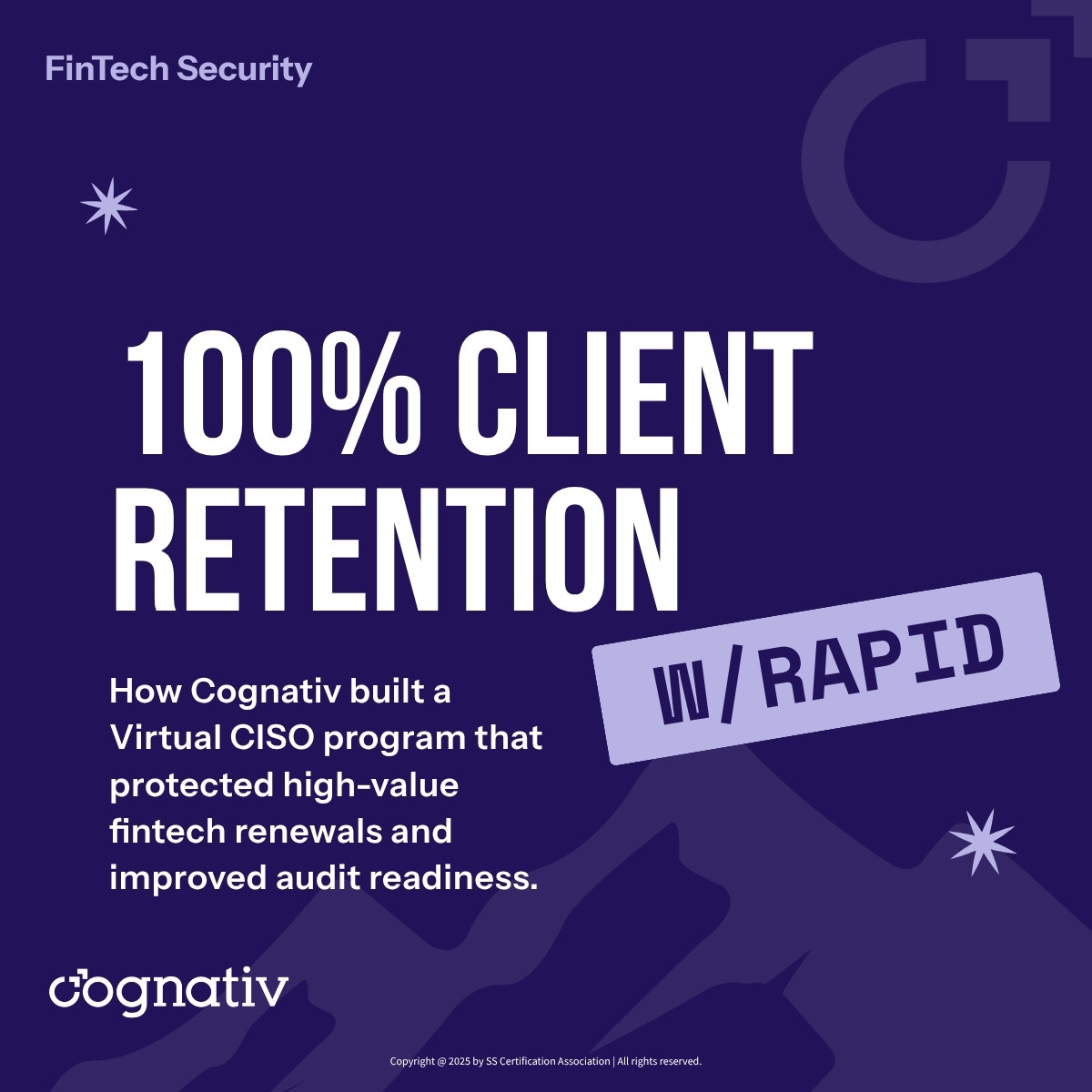
A fintech infrastructure provider needed clearer security ownership, risk processes, and evidence for enterprise customer reviews. The case describes Virtual CISO leadership, access policy, incident response, and reporting work.
The case reports retention of all key clients who had previously raised security concerns. Its cover summarizes that group as 100% client retention; the case does not specify the group size or measurement period.
Explore the Fintech Security Case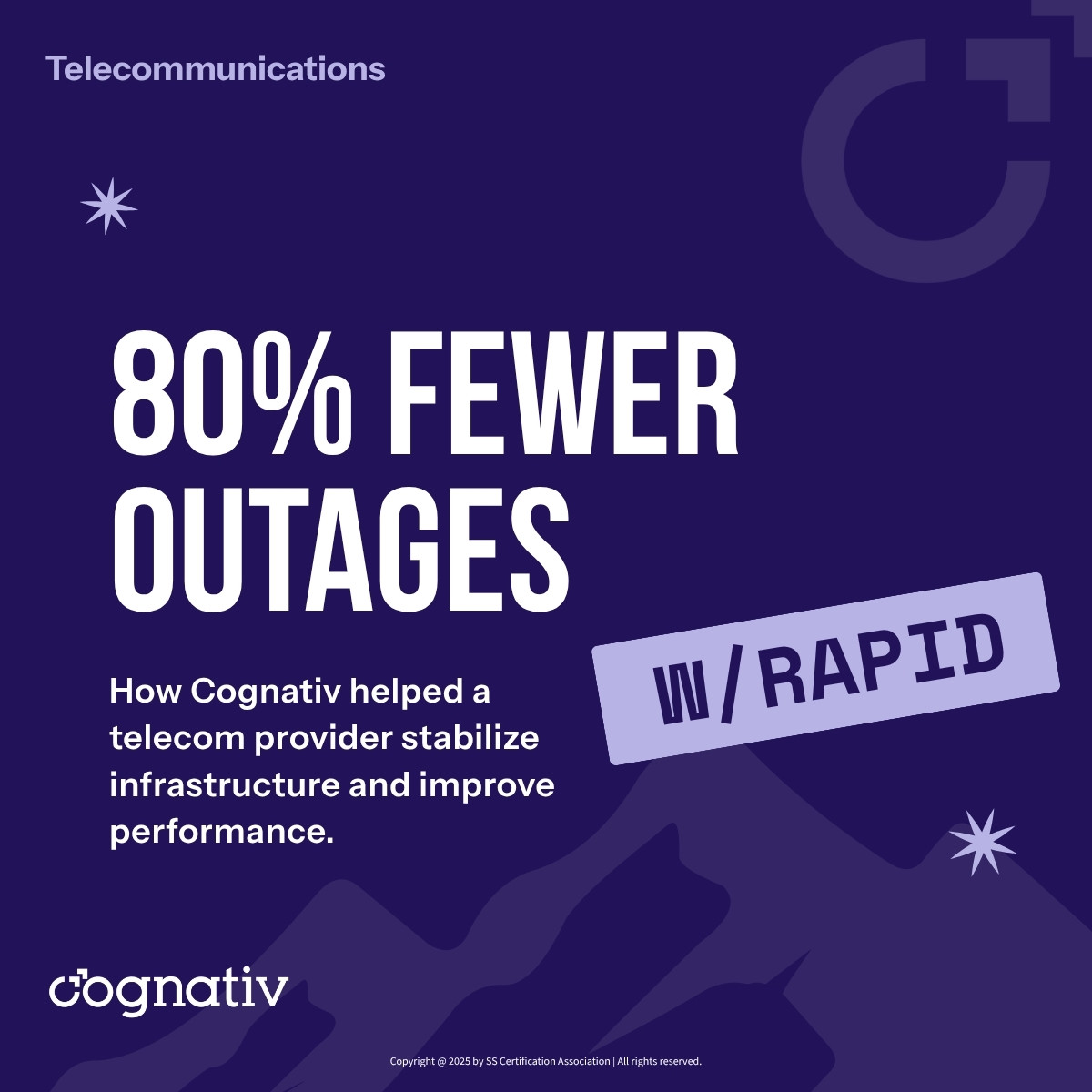
Operational Resilience for Telecom Infrastructure
Software Reliability
Platform Modernization
Release Management
Virtual CTO
Operational Resilience for Telecom Infrastructure
A telecom infrastructure provider needed clearer incident ownership, observability, and recovery paths across fragile services. The case describes architecture, monitoring, and shared incident workflows.
The case reports that outages fell by more than 80% within months. This is a reliability result for that engagement, not a security certification or a guarantee for another system.
Explore the Telecom Reliability Case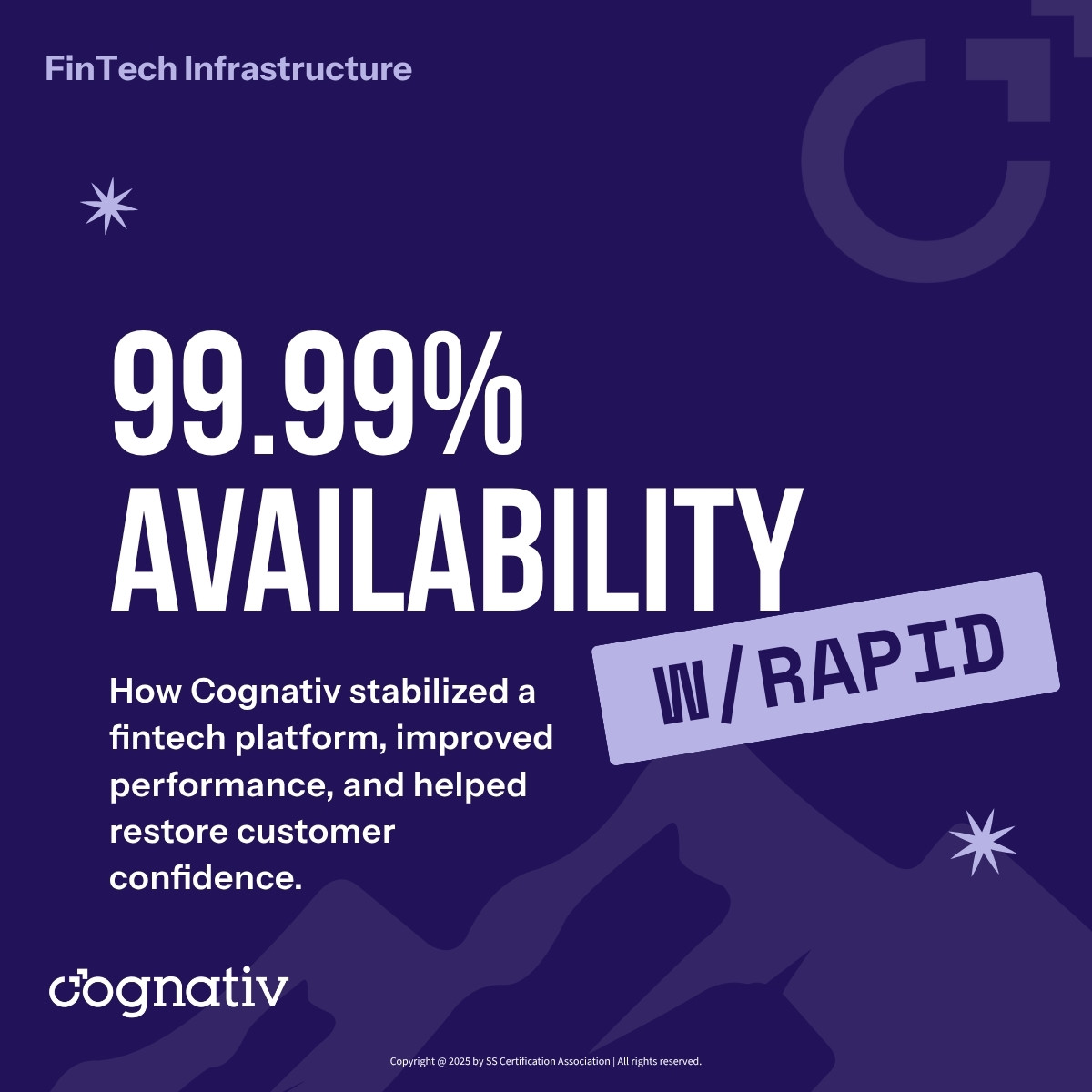
Fintech: Prioritize Stability Before Expanding the Roadmap
Platform Modernization
Elastic Scaling
Observability
Virtual CTO
Fintech: Prioritize Stability Before Expanding the Roadmap
A growing fintech platform faced outages, transaction failures and technical debt that pulled engineers away from product work. Cognativ's Virtual CTO engagement investigated those failure points, mapped dependencies and prioritized changes to the core platform.
The case reports 99.99% availability for core services over a trailing 12-month period. The decision was not simply whether to rewrite the application. It was which components needed attention, which behavior had to be preserved and how leadership would evaluate the next release.
Read the fintech platform stability case study.
Integrated Reporting for a Health Insurer
Data Integration
Claims Analytics
Business Reporting
Data Aggregation
Integrated Reporting for a Health Insurer
Cognativ worked with a health insurer on data aggregation and reporting across multiple sources.
The engagement addressed normalized information, shared business definitions, and reporting for operational and leadership teams.
Explore the Health Insurance CaseChoose the Right Starting Point
You may need security requirements for a new build, a focused review of an existing application, a better way to manage dependencies, or release decisions that connect findings to the people who can act. The first conversation can establish which of those problems is in scope.
Bring a description of the application, delivery team, current constraints, and the decision you need to make. We can discuss appropriate next steps, relevant stakeholders, and the information needed to define an engagement without asking you to disclose credentials or sensitive vulnerability details in an inquiry form.

Discuss Your Secure Development Initiative
Tell us about your application, delivery process, and the security decisions your team needs to address.
Share the scope and constraints you can discuss; avoid submitting credentials, sensitive data, or vulnerability details through this form.
Secure Development Questions
Answers to common questions about planning and delivering secure software work.
What does secure software development include?
It brings security considerations into requirements, design, implementation, testing, release, and maintenance. The relevant activities depend on the application, its users, the information it handles, and the organization responsible for operating it.
Can you work with an existing development team?
Yes. An engagement can be scoped around the team and workflow already in place. Define responsibilities, access boundaries, decisions, and expected deliverables so security work connects to development instead of becoming a disconnected report.
How do you decide what security work is in scope?
Start with the application, business workflow, data, users, and known constraints. Review the available evidence with the responsible stakeholders, then agree on the risks, deliverables, environments, and acceptance criteria for the engagement.
What is threat modeling used for?
Threat modeling helps a team examine the system, its trust boundaries, and plausible misuse or failure scenarios. The output should support decisions about relevant controls, testing, and ownership rather than imply that every threat has been eliminated.
What types of security testing can be included?
The scope can include automated checks, code review, manual assessment, and targeted verification when appropriate. The specific methods, systems, permissions, and retesting expectations should be agreed for the application and its environment.
How are third-party dependencies handled?
Teams can document relevant components, versions, ownership, and available provenance, then decide how to track and respond to known issues. The work should define who evaluates updates and how affected releases can be identified.
Does using a framework prove compliance?
No. A framework can help organize practices and evidence, but it does not by itself establish that a system meets a legal, contractual, or industry requirement. The responsible organization and qualified specialists determine applicable obligations.
What happens when a vulnerability is reported after release?
The responsible team needs a way to receive, assess, assign, and address the report, with communication and follow-up appropriate to the system. The scope and ownership of that response should be agreed as part of the engagement.
Related Software Development Insights
Recent Cognativ articles on building, modernizing, and maintaining business software.

Understanding Data Transformation: Types, Benefits, and Best Practices
From raw records to business-ready tables: how cleaning, joins, pivots, encoding and tested, modular models make data reliable for analytics and ML work.

System Development Methodology Types Compared: How to Choose the Right One for Your Project
Stable scope, high risk or shifting needs? See which development model fits, when a hybrid makes sense and the factors that should drive your team's choice.

Kubernetes Architecture Diagram: Complete Guide to Cluster Components
From the API server hub to kubelets on every node, see how each Kubernetes component fits together, how a Pod request flows, and how to draw your cluster.