


Microsoft Faces FTC Scrutiny Over AI Data Sharing with OpenAI Concerns
Microsoft and OpenAI drew a 2025 FTC staff report on cloud-AI deals. See the risks it named and how the partnership turned non-exclusive by April 2026.
On January 17, 2025, the Federal Trade Commission (FTC) published a staff report on AI partnerships and investments that put Microsoft's relationship with OpenAI under a public spotlight. It examined what flows between cloud providers and the AI developers they fund, and whether those ties could weaken competition.
The report accused no one of breaking the law, but it named risks regulators would keep watching: sensitive data access, switching costs and control of key AI inputs. Below is the original event, then a dated update through October 30, 2026.
Key takeaways
- The FTC study covered three deals: Microsoft and OpenAI, Amazon and Anthropic, and Alphabet and Anthropic.
- Staff flagged information sharing, exclusivity rights and cloud spending commitments as areas to watch.
- The Microsoft and OpenAI agreement has since been rewritten twice, and the license is now non-exclusive.
Introduction to the FTC Investigation
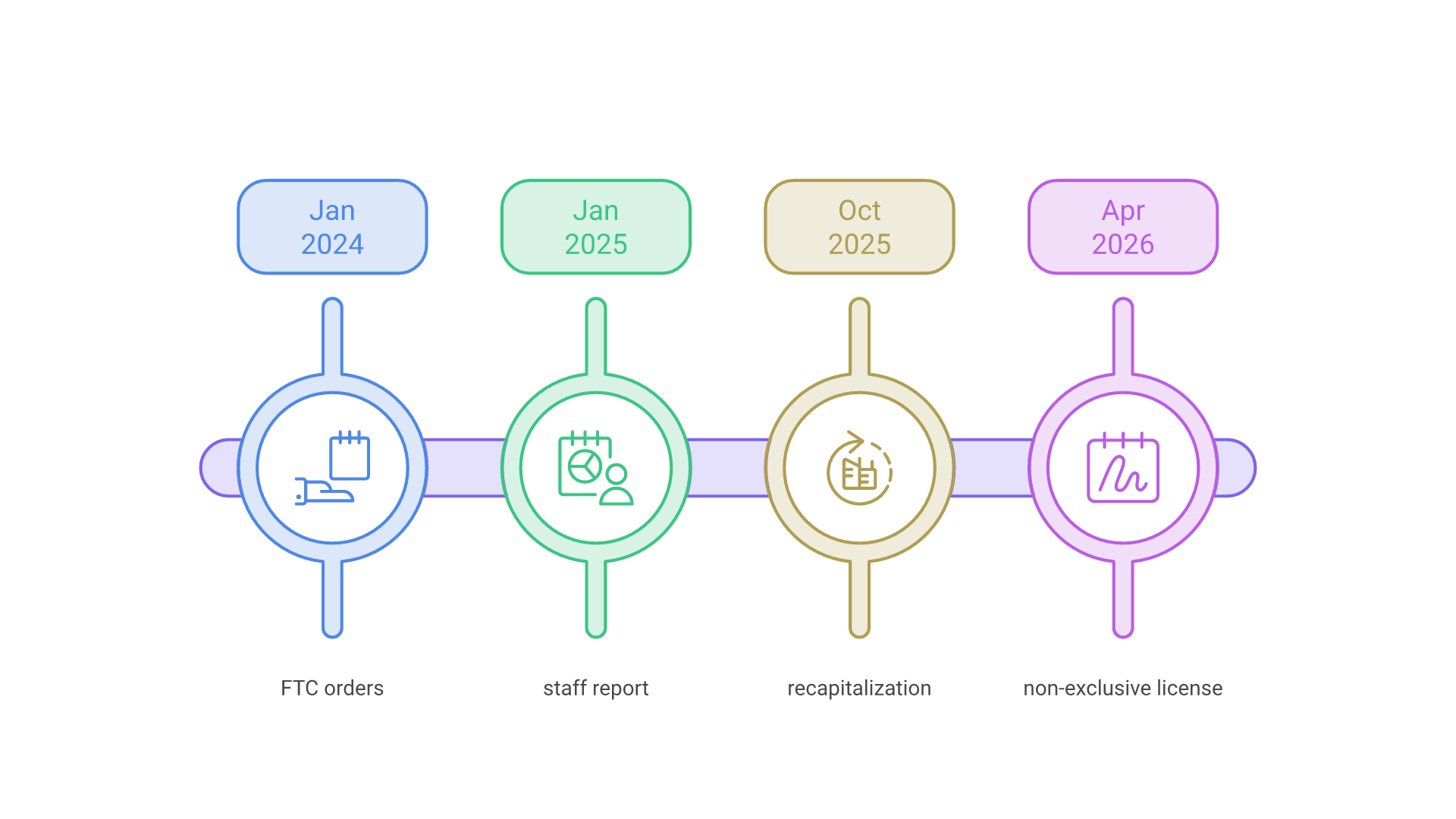
The scrutiny began on January 25, 2024, when the FTC voted 3-0 to issue Section 6(b) orders to Alphabet, Amazon, Anthropic, Microsoft and OpenAI. Section 6(b) lets the agency gather non-public information without opening an enforcement case.
Scope and Focus of the Investigation
The orders sought the agreements, the reasons for each deal, governance rights, competitive effects and competition for generative AI inputs. The resulting staff report, released January 17, 2025, reflects information available to staff as of September 2024 and public information through January 2025. The Commission voted 5-0 to allow its release.
Separately, Bloomberg reported on November 27, 2024 that the FTC had opened a broader antitrust investigation into Microsoft covering cloud computing, software licensing, cybersecurity and AI. The FTC has not published a complaint in that matter, so its details rest on press reporting.
Background on the Microsoft-OpenAI Partnership
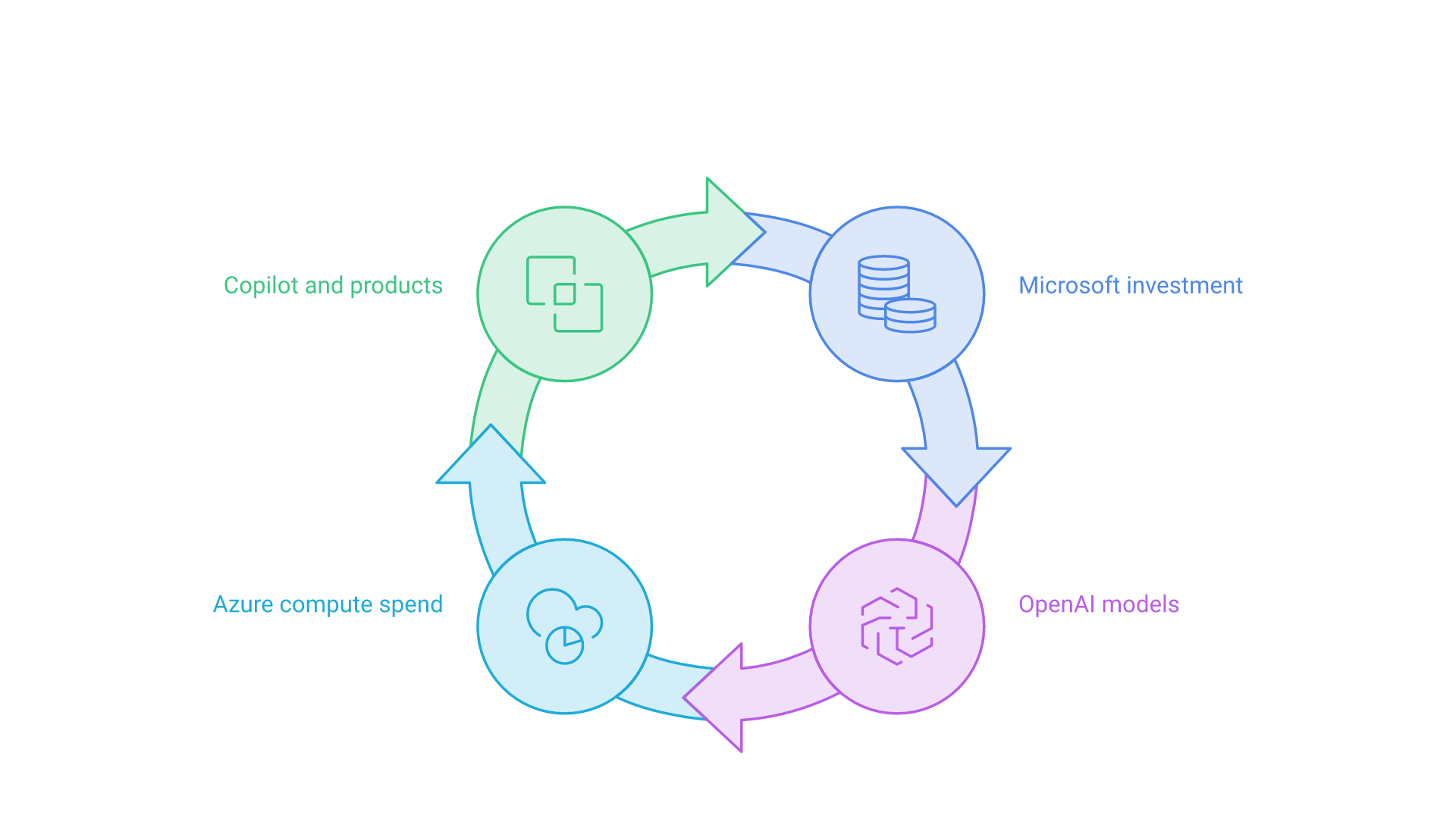
Microsoft is OpenAI's largest strategic backer. In its April 2026 quarterly filing, Microsoft reports total funding commitments of $13 billion to OpenAI. In return, it gained rights to OpenAI models and technology for products such as Copilot, and OpenAI committed heavy spending to Azure.
AI and Cloud Computing Collaboration
The FTC report describes this pattern across all three deals: cloud providers receive equity and revenue-sharing rights, hold varying consultation, control and exclusivity rights, and AI developers commit to spending a large share of the investment on their partner's cloud services. Partners also share discounted computing, model-related intellectual property and certain financial and training data.
Impact on Innovation and Competition
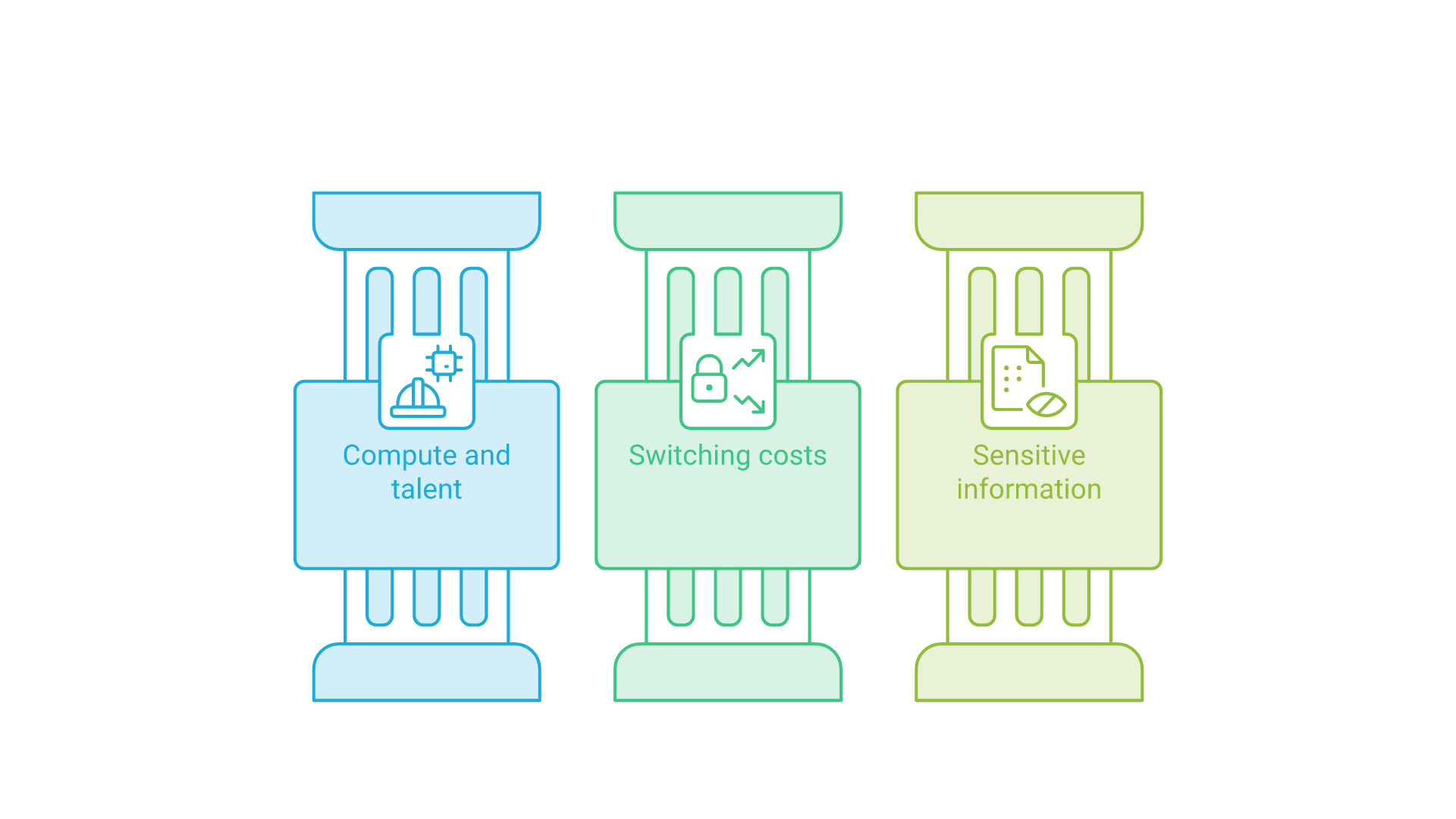
The concern is circular value: investment returns to the provider as cloud revenue, along with early access to models for its own products. Staff said this could affect access to computing resources and engineering talent for AI developers outside these partnerships.
Cloud Computing and Data Sharing Practices
Data sharing sits at the center of the "AI data sharing" headline. The report notes that partners exchange financial and training data and that cloud providers may gain access to sensitive technical and business information that rivals do not have.
Microsoft's Cloud Services and Lock-In Effects
Staff also warned that the partnerships could raise contractual and technical switching costs, making it harder for an AI developer to change cloud providers or use several at once.
| Area to watch | Potential impact |
|---|---|
| Access to compute and talent | Non-partner AI developers may face tighter access to key inputs |
| Switching costs | Contracts and technical integration can tie a developer to one cloud |
| Sensitive information | Cloud providers may see business data unavailable to competitors |
Enterprise buyers face a smaller version of the same issue: when models, data and identity all sit with one provider, exit becomes expensive. That is one reason some teams weigh the business case for a private LLM alongside managed APIs.
Compliance with Consumer Protection Laws
The 6(b) study was a competition inquiry. It made no consumer protection findings against Microsoft or OpenAI, and readers should not treat it as one.
Regulatory Environment and Antitrust Enforcement
The report was released in the final days of Chair Lina Khan's tenure. Commissioners Andrew Ferguson and Melissa Holyoak voted to publish it but issued a concurring and dissenting statement objecting to the section that speculated about future implications.
Political and Regulatory Context
On January 20, 2025, President Trump named Ferguson FTC Chairman.
Key Regulatory Players
| Agency or official | Role |
|---|---|
| Federal Trade Commission (FTC) | Ran the 6(b) study and oversees competition and consumer protection |
| Department of Justice (DOJ) | Shares federal antitrust enforcement with the FTC |
| FTC Chair | Lina Khan through January 2025, then Andrew Ferguson |
Industry Trends and the Role of US Regulators
For AI adopters, vendor terms and data flows now draw regulatory attention. A documented enterprise AI governance framework makes those dependencies visible before an auditor or regulator asks.
National Security and Cybersecurity Dimensions
The 2024 press reports tied part of the broader Microsoft inquiry to cybersecurity, including the bundling of security and identity products with cloud services, after several high-profile security incidents. Microsoft's role as a government cloud supplier adds resilience questions. The FTC has not published findings on these points.
What Has Happened Since (Through October 30, 2026)
These updates come from FTC and Microsoft primary sources.
January 2025: Exclusivity Becomes a Right of First Refusal
On January 21, 2025, Microsoft announced that it would no longer be OpenAI's exclusive provider of new capacity. It received a right of first refusal instead, while the OpenAI API stayed exclusive to Azure.
September 2025: A Separate FTC Inquiry Into Chatbots
On September 11, 2025, the FTC issued 6(b) orders to seven companies, including OpenAI, about AI chatbots acting as companions. Microsoft was not among them.
October 2025: OpenAI Recapitalization
On October 28, 2025, Microsoft said it held roughly 27% of OpenAI on an as-converted diluted basis, valued at about $135 billion. Its IP rights were extended through 2032, OpenAI contracted an additional $250 billion of Azure services, and Microsoft gave up its right of first refusal on compute.
April 2026: The License Becomes Non-Exclusive
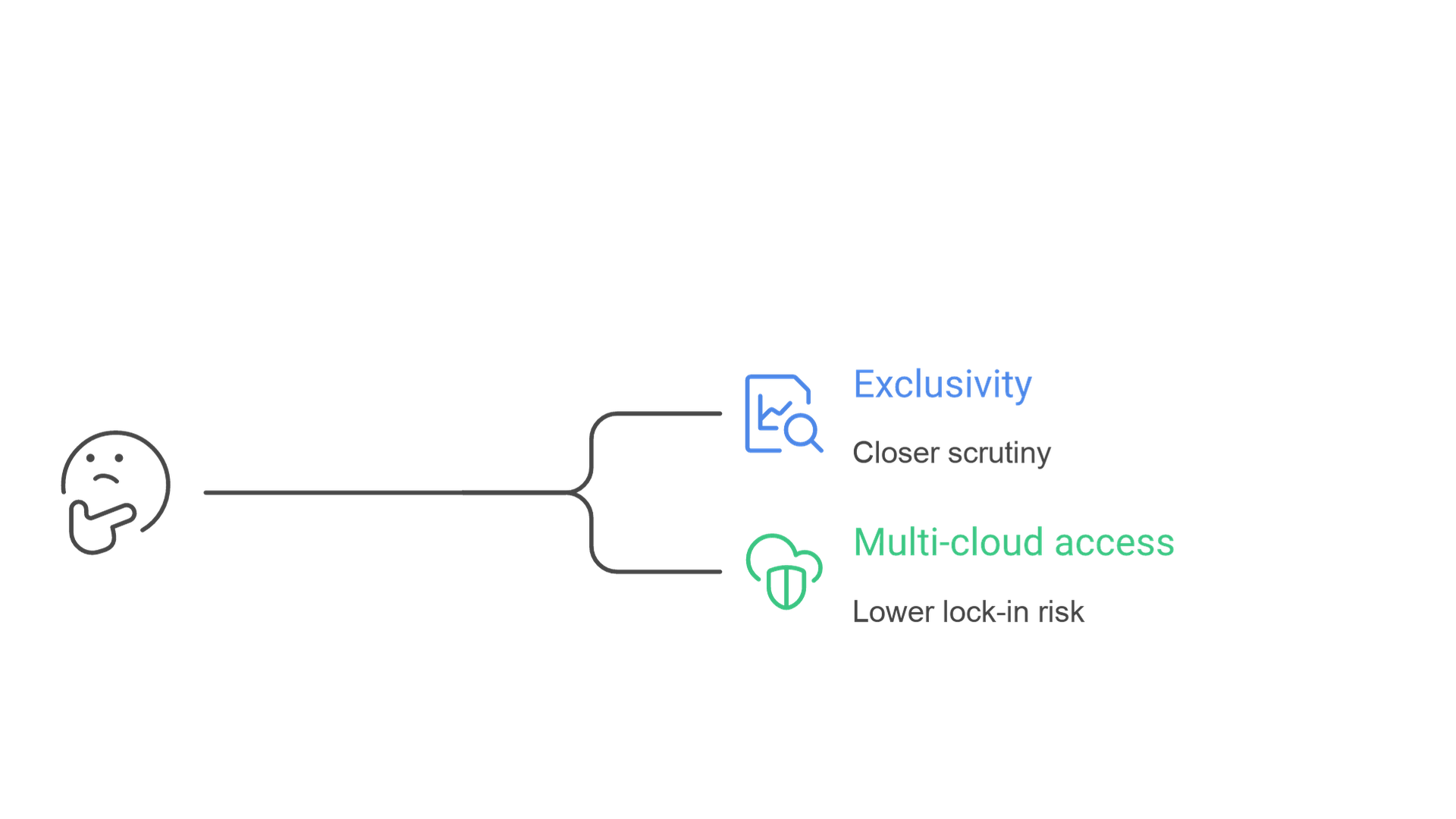
On April 27, 2026, the companies amended the deal again. Microsoft remains the primary cloud partner and keeps its license through 2032, but the license is now non-exclusive and OpenAI may serve its products on any cloud. Several lock-in features the FTC flagged have been loosened. As of October 30, 2026, we found no FTC enforcement action against the partnership. Builders using OpenAI's agents API have more hosting choices than in 2024.
Antitrust Concerns and Future Outlook
The report gives regulators a documented baseline for judging future AI partnerships.
Potential Enforcement Actions
Any future action would depend on facts the FTC has not made public. Likely pressure points remain the original areas to watch: exclusivity, switching costs and access to sensitive information.
Implications for Major Tech Companies
Amazon and Alphabet face the same questions about their Anthropic investments. For buyers, the practical response is to keep workloads portable; an independent cloud infrastructure review can show where contracts or architecture create lock-in.
Frequently Asked Questions
Did the FTC sue Microsoft over OpenAI?
No. The January 2025 report came from a Section 6(b) study, which gathers information without charging anyone. As of October 30, 2026, the FTC had not announced an enforcement action against the partnership.
What data do Microsoft and OpenAI share?
The FTC said partners in these deals share discounted computing, model-related intellectual property and certain financial and training data.
Which companies were in the FTC study?
Alphabet, Amazon, Anthropic, Microsoft and OpenAI, across three partnerships.
Is Microsoft's OpenAI license still exclusive?
No. Under the April 2026 amendment, Microsoft keeps a license to OpenAI models and products through 2032, but it is non-exclusive.
Can OpenAI run on clouds other than Azure?
Yes. Since April 2026, OpenAI may serve its products to customers on any cloud provider, while Microsoft remains its primary cloud partner.
Conclusion: Why the FTC's Microsoft Scrutiny Still Matters
The FTC's January 2025 report made the Microsoft and OpenAI partnership a reference case for cloud-provider AI investments. The deal has since moved toward a non-exclusive, multi-cloud arrangement that addresses several risks staff described.
For organizations that build on these platforms, the takeaway is to manage vendor dependency as a governance issue. Clear AI governance practices help document data flows, contract terms and exit options. If you want to review your AI vendor strategy, talk to Cognativ about your AI project.