

Kleiner Perkins Makes A Larger Capital Bet On AI Platforms
Kleiner Perkins' new $3.5 billion pool shows investors still crowding into the AI stack. A look at the two funds, platform consolidation and what SMBs can do.
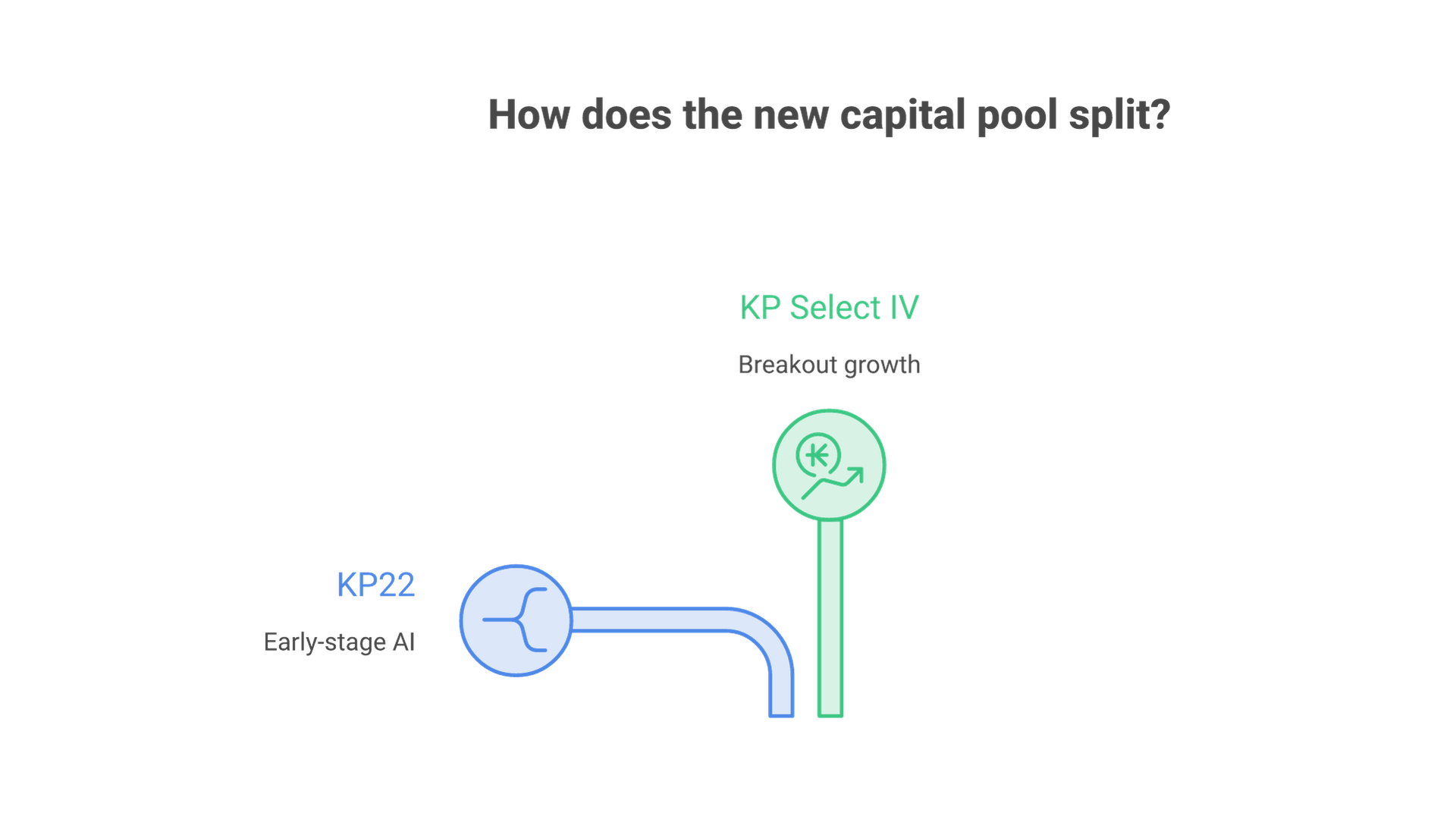
Kleiner Perkins raised a new $3.5 billion capital pool that reinforces investor conviction around AI platform and infrastructure bets. On March 24, 2026 the firm announced two new vehicles: KP22, a $1 billion early-stage fund, and $2.5 billion for growth investments under KP Select IV. The operating consequence is clearer than the headline alone: venture capital is still concentrating heavily around AI platforms and infrastructure even as enterprise buyers demand clearer execution value.
The useful next question is operational rather than rhetorical. Leadership teams should expect more aggressive product competition, infrastructure investment and platform bundling as capital continues to crowd into the AI stack. For a small or mid-sized business, that means deciding which workflows, data and vendor relationships need to be ready before the market settles around you.
This article was first published on March 26, 2026. We have kept the original analysis and added a dated update for October 2026.
Key Takeaways
Venture capital is still concentrating heavily around AI platforms and infrastructure even as enterprise buyers demand clearer execution value. The real constraint is no longer awareness; it is ownership, workflow design and measurable execution.
- Kleiner Perkins raised $3.5 billion in March 2026: $1 billion for KP22 and $2.5 billion for growth investments.
- Leadership teams should expect more aggressive product competition, infrastructure investment and platform bundling as capital continues to crowd into the AI stack.
- The main risk sits where rollout speed rises faster than ownership, governance or measurement discipline.
What Kleiner Perkins Announced in March 2026
Kleiner Perkins described KP22 as its twenty-second venture fund, meant to invest broadly across AI and back founders building new products, platforms and categories. The growth capital will be deployed selectively, adding to breakout companies where the firm's conviction is deepening. Named focus areas include professional services, healthcare, autonomy, security, financial services, productivity and the physical economy.
| Vehicle | Size | Stated purpose |
|---|---|---|
| KP22 | $1 billion | Early-stage investing broadly across AI |
| KP Select IV (growth) | $2.5 billion | Selective growth investing in breakout companies |
| Total | $3.5 billion | Primary focus on AI |
How It Compares With the 2024 Raise
Crunchbase News reported that the firm's 2024 flagship raise brought in just over $2 billion, and Fortune broke it down as the $825 million KP21 and the $1.2 billion KP Select III. Crunchbase also listed recent Kleiner-led rounds in Applied Intuition, Chainguard and Harvey, and Fortune named Anthropic and Safe Superintelligence among the firm's AI investments. The 2026 pool is a larger and more explicit bet on AI.
Technology Strategy Is Colliding With Infrastructure Limits
The story matters because it exposes a real operating change rather than another abstract market signal. Venture capital is still concentrating heavily around AI platforms and infrastructure even as enterprise buyers demand clearer execution value. That gives teams a concrete way to connect the story to architecture, governance and rollout choices.
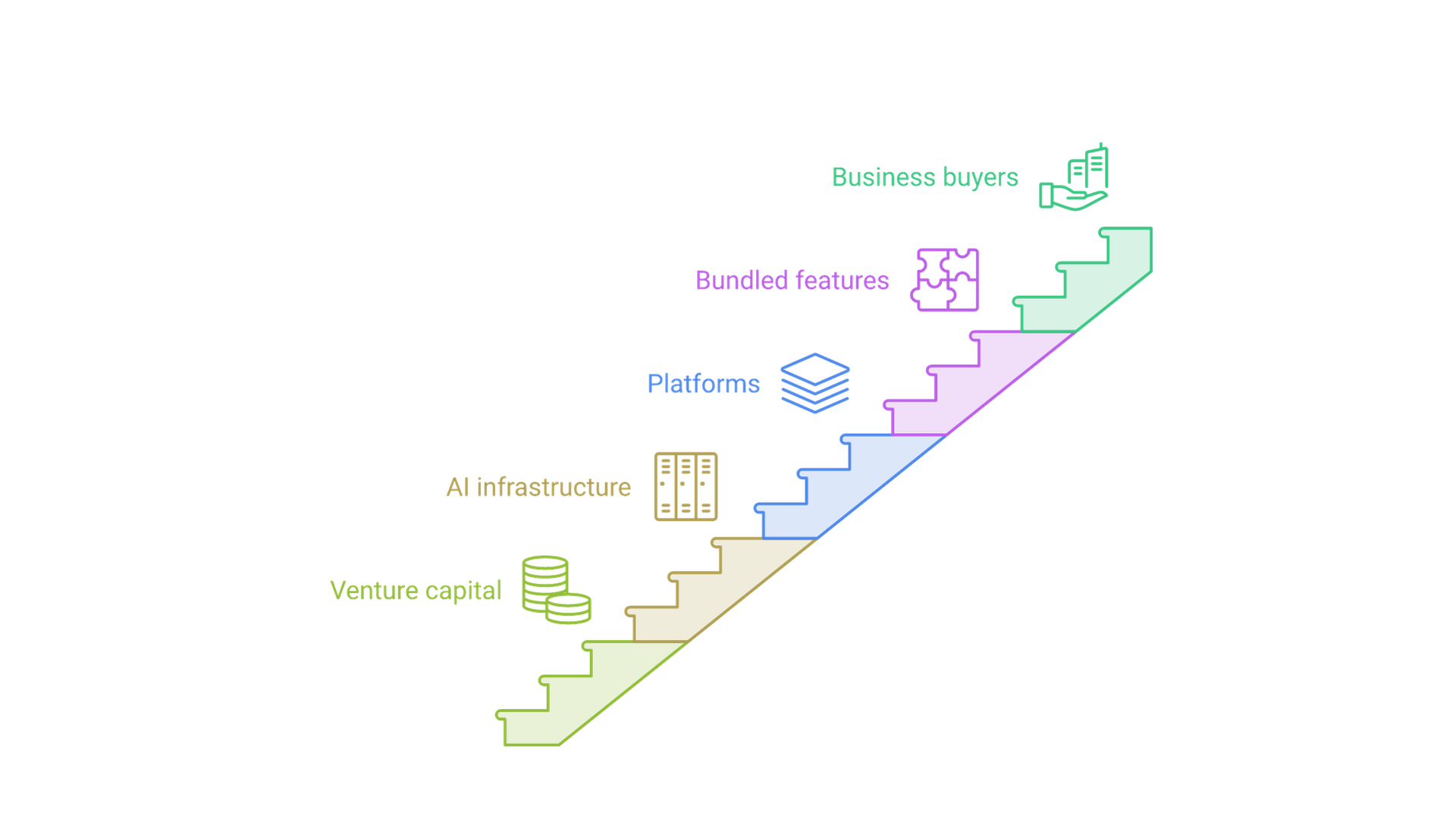
Infrastructure capital eventually becomes products: inference platforms, specialized chips, agent runtimes and AI features bundled into existing software. Our analysis of Nvidia's competitive edge in the AI chip market explains why the hardware layer still shapes what platforms can offer and at what cost.
Why AI Infrastructure Funding Strategy Matters Now
Kleiner Perkins raised a new $3.5 billion capital pool that reinforces investor conviction around AI platform and infrastructure bets. That moves the question from abstract interest to operating baseline: where do existing systems, workflows or decisions now need to move? When well-funded vendors compete for the same customers, switching is easy at first, then harder once data and integrations accumulate inside one platform.
Operational Impact Of Kleiner Perkins All in on AI
Leadership teams should expect more aggressive product competition, infrastructure investment and platform bundling as capital continues to crowd into the AI stack. The event has to be translated into bounded systems, owned workflows and measurable execution outcomes.
The pressure point is not ambition but control. Once adoption outpaces ownership, controls or measurement, early enthusiasm usually turns into stall, sprawl or waste.
The Kleiner Perkins Raise Changes The Strategic Control Surface
What matters here is the operating reference the event creates. The deeper issue is how quickly teams now have to change what they design, standardize or govern.
| Market Signal | Operating Consequence |
|---|---|
| Strategy move | A $3.5 billion pool reinforces investor conviction around AI platform and infrastructure bets. |
| Timing risk | Capital keeps concentrating in AI platforms while buyers demand clearer execution value. |
| Decision focus | Expect more product competition, infrastructure investment and platform bundling. |
On the surface this can look incremental. In practice it forces teams to revisit ownership, decision rights, rollout sequencing and the measures that define success once adoption pressure rises.
The pressure point is coordination rather than awareness. Once the baseline shifts, sourcing, enablement, measurement and operating ownership all need to move with it.
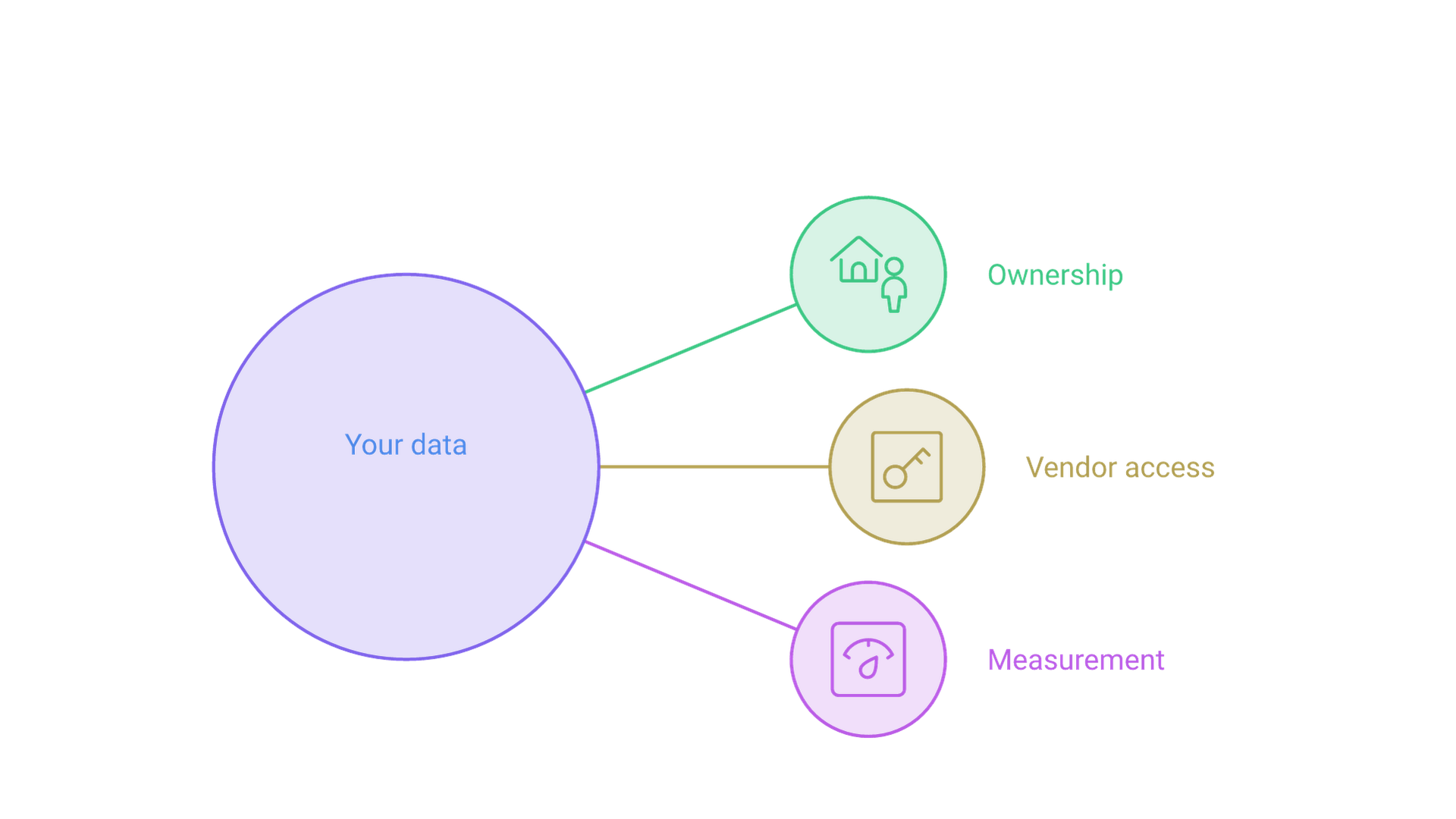
The more durable takeaway is where the signal changes investment logic, decision timing and platform dependence. For most businesses the control surface that matters is their own data: where it lives and which vendors can see it. Our guide to using an LLM with private data covers the choices that keep that control in your hands.
Leaders Need Better Timing On Capital And Capacity
The harder part starts after the announcement. The first gains will go to teams that can place the change inside owned workflows, visible controls and repeatable review cycles.
What Execution Teams Need To Clarify
Execution teams should clarify who owns rollout rules, what dependencies must stay synchronized, and which measurements will prove that the change is improving performance instead of just expanding the tool surface.
Where Governance Pressure Shows Up
Leaders should assume that rollout pressure will expose hidden weak points in governance, handoffs or measurement. If those weak points stay vague, the change will be described as progress long before it becomes repeatable performance. Clear AI governance rules for data access, human review and vendor approval keep faster adoption from becoming unmanaged risk.
What Has Happened Since (October 2026)
Updated October 30, 2026. These facts come from Kleiner Perkins' own posts and Crunchbase News. Where a source states no deal amount, we give none. They cover the status of Kleiner Perkins' funds, notable AI investments and exits, and the wider venture market.
Fund Status
We found no public update from Kleiner Perkins changing the size or structure of KP22 or the growth pool, and the firm has not published deployment figures.
Notable AI Investments and Exits
The firm's public posts show a clear tilt toward inference and the infrastructure layer:
- Fauna Robotics (March 24). Amazon acquired the home robotics company; terms were not disclosed.
- Mirendil (June 24). Kleiner is backing this frontier AI lab, which trains models for AI research, from day one.
- Sail Research (June 25). An inference platform for long-horizon, asynchronous agents.
- Etched (August 18). Purpose-built AI inference hardware and rack-scale systems.
- Alif Semiconductor (September 9). Analog Devices agreed to acquire this maker of low-power AI microcontrollers, where Kleiner led the Series A.
Kleiner's Etched post says the company has more than $1 billion in signed customer contracts, and its Sail post calls agentic workloads the fastest-growing inference segment. These are the firm's own claims, not independent measurements. See also the Mirendil, Fauna and Alif posts.
The Wider Venture Market
According to Crunchbase News, global venture funding reached about $159 billion in the third quarter of 2026, and AI companies took $102 billion of it, or 64%. A record 27 companies raised rounds of $1 billion or more. Fewer, larger platform companies absorbing most of the capital tends to speed up bundling in the tools businesses buy.
Competitive Advantage Depends On Operational Discipline
The decision pressure is more concrete than the headline suggests. The next step is to decide which rule, dependency or governance choice now needs named ownership.
Where Leadership Should Move First
A practical first move is to name one workflow, one escalation path and one owner that now need to change because of this event. That level of specificity usually converts awareness into usable execution direction. If the workflow involves agents, our guide to local AI agents explains the trade-offs between hosted platforms and models you run yourself.
How To Turn The Signal Into A Working Decision
The teams that move best will make one near-term operating decision now instead of waiting for the market baseline to set around them. In practice that means deciding where to standardize, where to stay flexible and where to keep human review visible.
If the event does not change governance, workflow ownership or measurement discipline, it remains a headline rather than an operating shift.
Practical Takeaways for SMB Leaders
None of these steps depends on predicting which funded company wins:
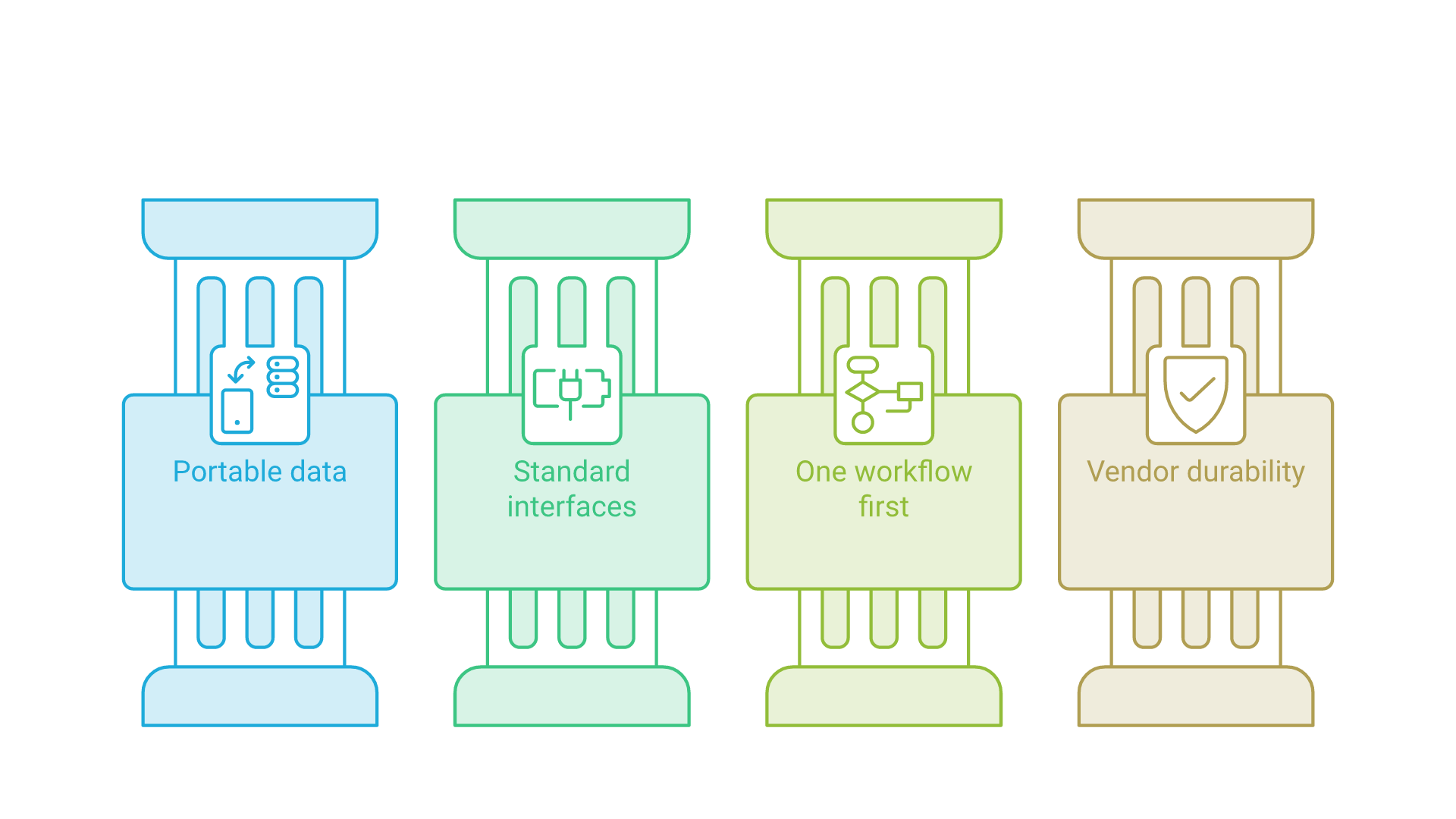
- Keep your data portable. Store documents and outputs in systems you control, and confirm export rights in contracts.
- Prefer standard interfaces. Documented APIs are easier to move if a vendor is acquired or changes pricing.
- Buy for one workflow at a time. Tie each AI purchase to a named process and a metric.
- Check vendor durability. Ask what happens to your data on acquisition and what notice you get before product changes.
A short technology strategy review can turn these points into a vendor and data plan sized for your business.
Frequently Asked Questions
How much did Kleiner Perkins raise in 2026?
$3.5 billion, announced March 24, 2026: $1 billion for KP22 and $2.5 billion for growth investments under KP Select IV.
What is KP22?
Kleiner Perkins' twenty-second venture fund, which will invest broadly across early-stage AI companies.
What is KP Select IV?
The firm's growth vehicle, with $2.5 billion for selective investments in breakout companies.
Which sectors are the new funds targeting?
Professional services, healthcare, autonomy, security, financial services, productivity and the physical economy, with AI as the primary focus.
What has Kleiner Perkins backed since the raise?
Public posts include Mirendil, Sail Research and Etched, plus exits as Amazon acquired Fauna Robotics and Analog Devices agreed to acquire Alif Semiconductor.
What should small businesses do about AI platform consolidation?
Keep data portable, prefer standard integrations, buy for one workflow at a time and check vendor durability before committing.
Conclusion
Venture capital is still concentrating heavily around AI platforms and infrastructure even as enterprise buyers demand clearer execution value. The organizations that benefit will be the ones that convert the event into tighter execution design before the baseline settles.
One useful test is to name one workflow decision, one governance rule and one owner that now need to change because of this event. That usually separates real readiness from descriptive agreement.
If this signal now maps to a live priority in your business, talk to Cognativ about scoping your next AI step.