

Dream Raises $17M From a16z to Build AI World Models for Construction
Two ex-Palantir leaders launched Dream with a $17M seed to automate building design. See what is verified, what is not, and how AEC firms should pilot it.
Dream, a San Francisco startup founded by two former Palantir leaders, came out of stealth on October 29, 2026 with $17 million in seed funding to build AI world models for construction. Andreessen Horowitz (a16z) is its best-known backer, and the company says its models already design real commercial and residential buildings.
The headline is a funding round. The more useful story for owners, developers and AEC firms is what a "built world model" is, which of Dream's claims can be checked today, and how to evaluate AI design tools before they touch a permit set.
This guide separates what the company announced from what has only been reported, explains AI world models in plain language, and ends with a practical checklist for construction firms and the software vendors that serve them.
What Dream Announced on October 29, 2026
The funding round
According to Dream's own announcement, the company raised $17 million in a seed round that included a16z, SV Angel, XYZ and Zigg Capital, among others. The release lists a16z first but does not use the word "led." TechCrunch reported that a16z led the round.
TechCrunch also reported that a16z partner Kimberly Tan said the firm first invested more than a year earlier, when Dream was still an idea. The company release quotes Tan describing AI "that can reason in three dimensions" as the next frontier. No valuation was disclosed.
Who founded Dream
The co-founders are Andy Elder and Arjun Mathur. Dream's release says both spent more than a decade at Palantir building mission-critical systems: Elder led global design teams across defense, intelligence and commercial work, and Mathur built Palantir's manufacturing and supply chain practice.
TechCrunch adds details the release does not state: that the two were Stanford roommates who studied computer science, that Mathur held a senior vice president role in Palantir's commercial business, and that neither has a formal architecture background. Treat those points as reported, not company-confirmed.
What Dream says it has shipped
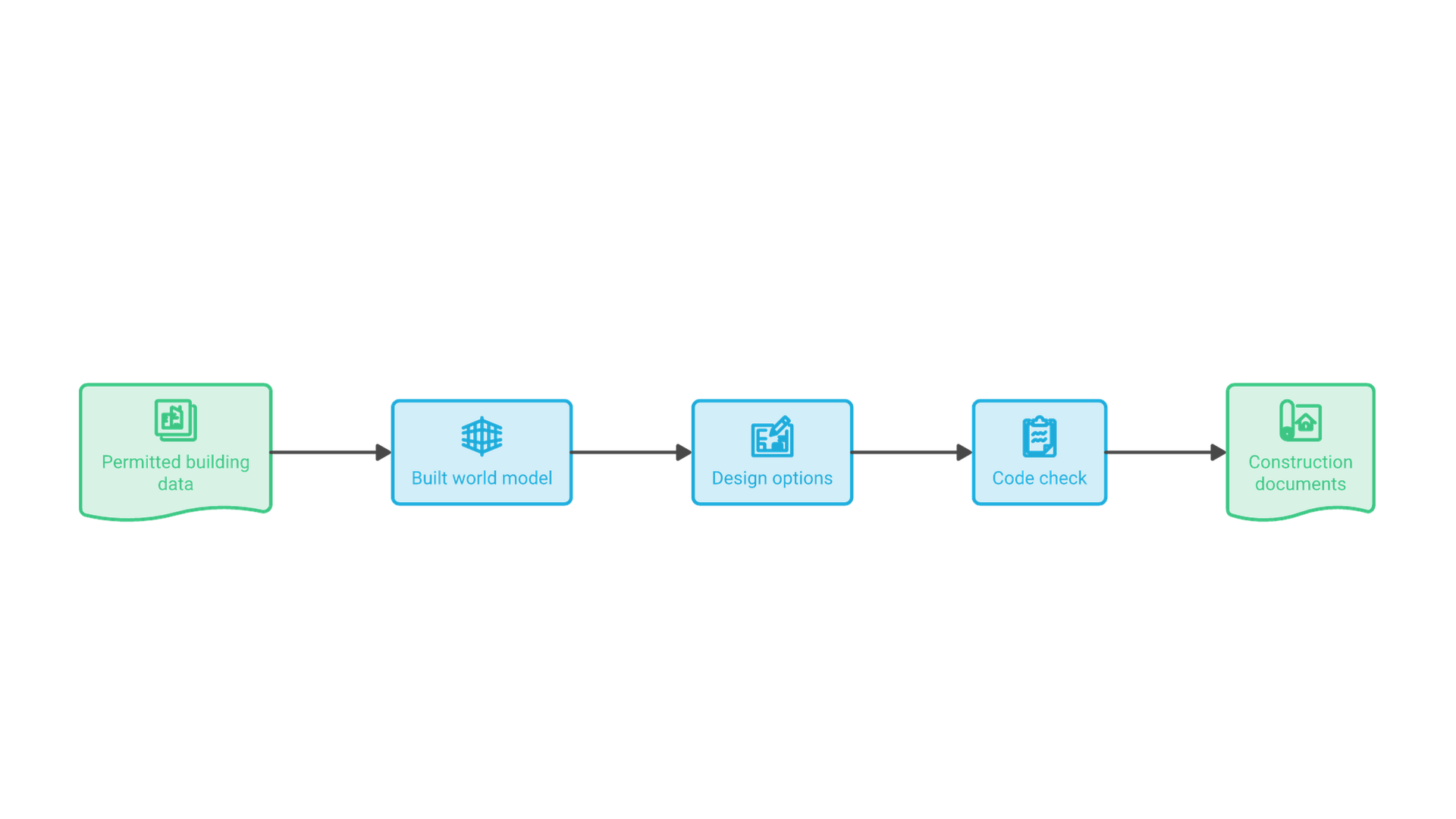
Dream says its models are trained on more than 100 million square feet of real, permitted U.S. buildings, including commercial properties, apartments and single-family homes. It calls the capability "structural cognition" and says the output is a drawing set a general contractor can build from, with design options checked against code.
The company also says it is architect of record on 10 construction projects in California and Texas, that one single-family home in Austin is complete, and that it has supported $20 million in project developments. Its website says it is starting with commercial buildings such as storefronts, offices and data centers.
What Are AI World Models?
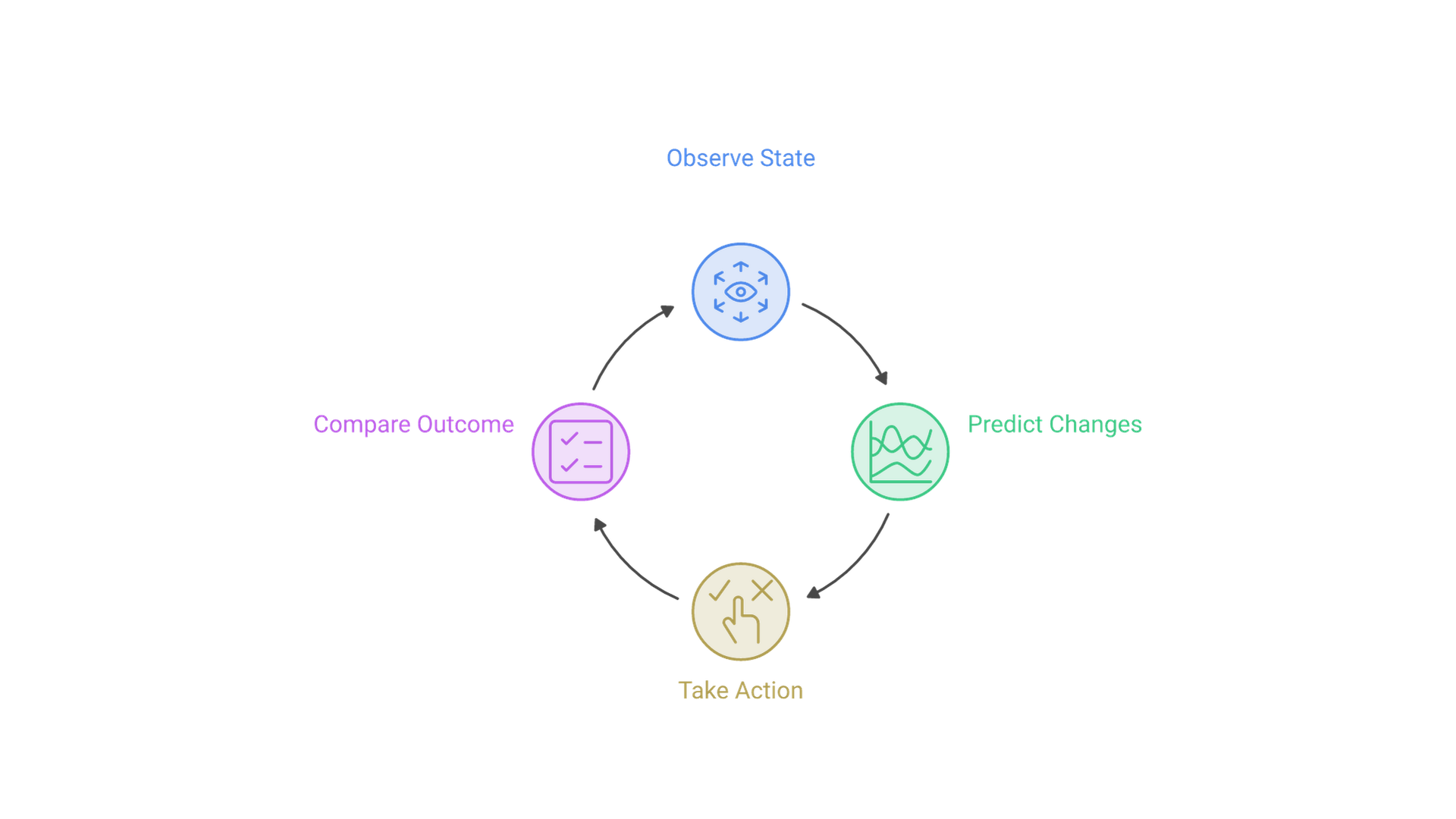
An AI world model is a system that learns how an environment behaves so it can predict what happens next, including how an action changes the result.
The idea is older than today's chatbots. In their 2018 paper "World Models," David Ha and Jürgen Schmidhuber trained a model to learn a compressed picture of a game environment and let an agent practice inside it.
Google DeepMind describes world models as systems that simulate parts of the world so agents can forecast how environments change. Its Genie 3 announcement in August 2025 showed interactive worlds generated from text, while noting limits such as short interaction times and imperfect geographic accuracy.
NVIDIA's definition stresses physics and spatial relationships, and its Cosmos platform targets robotics and autonomous vehicles. Investor interest is large: tech.eu reported in March 2026 that Yann LeCun's AMI Labs raised more than $1 billion to build world models as an alternative to large language models.
How a built world model differs from a chatbot
A language model predicts the next word. A building model has to respect geometry, loads, clearances, egress and the plumbing, electrical and HVAC systems hidden inside walls. A plausible but wrong answer in a chat window is an annoyance; in a drawing set it is a change order or a safety problem.
That is why the failure modes covered in our guide to AI hallucinations matter even more here. Dream's pitch is that grounding the model in permitted buildings and code rules reduces those errors. That is a reasonable design goal, but it is the company's description, not an independent test result.
Why Investors Are Betting on AI in Construction Design
Construction is a large industry with a long productivity problem. Economists Austan Goolsbee and Chad Syverson documented a decades-long decline in measured U.S. construction productivity in their 2023 NBER working paper, and found that physical productivity in housing construction has been flat or falling.
Design and engineering sit early in that chain. Every week saved on schematic design, coordination and permit drawings can pull a project forward and lower carrying costs. That is the bet behind Dream and competitors that TechCrunch named, including Motif, Snaptrude and Arcol.
The incumbent response
Incumbents are moving too. At Autodesk University in September 2025, Autodesk introduced "neural CAD" foundation models, including a building version for its Forma platform that moves from concepts to detailed layouts, as Engineering.com reported. Dream positions itself as a replacement for tools like AutoCAD and Revit, so this is a direct contest.
| Effort | Focus | Stage, as described publicly |
|---|---|---|
| Google DeepMind Genie 3 | General interactive worlds | Research preview announced August 2025 |
| NVIDIA Cosmos | Robotics and autonomous vehicles | Open platform for developers |
| Autodesk neural CAD | Geometry and building layouts | Announced September 2025 for Fusion and Forma |
| Dream | Whole-building design and engineering | Seed-stage, company-reported live projects |
What Dream's Claims Mean, and What Is Still Unproven
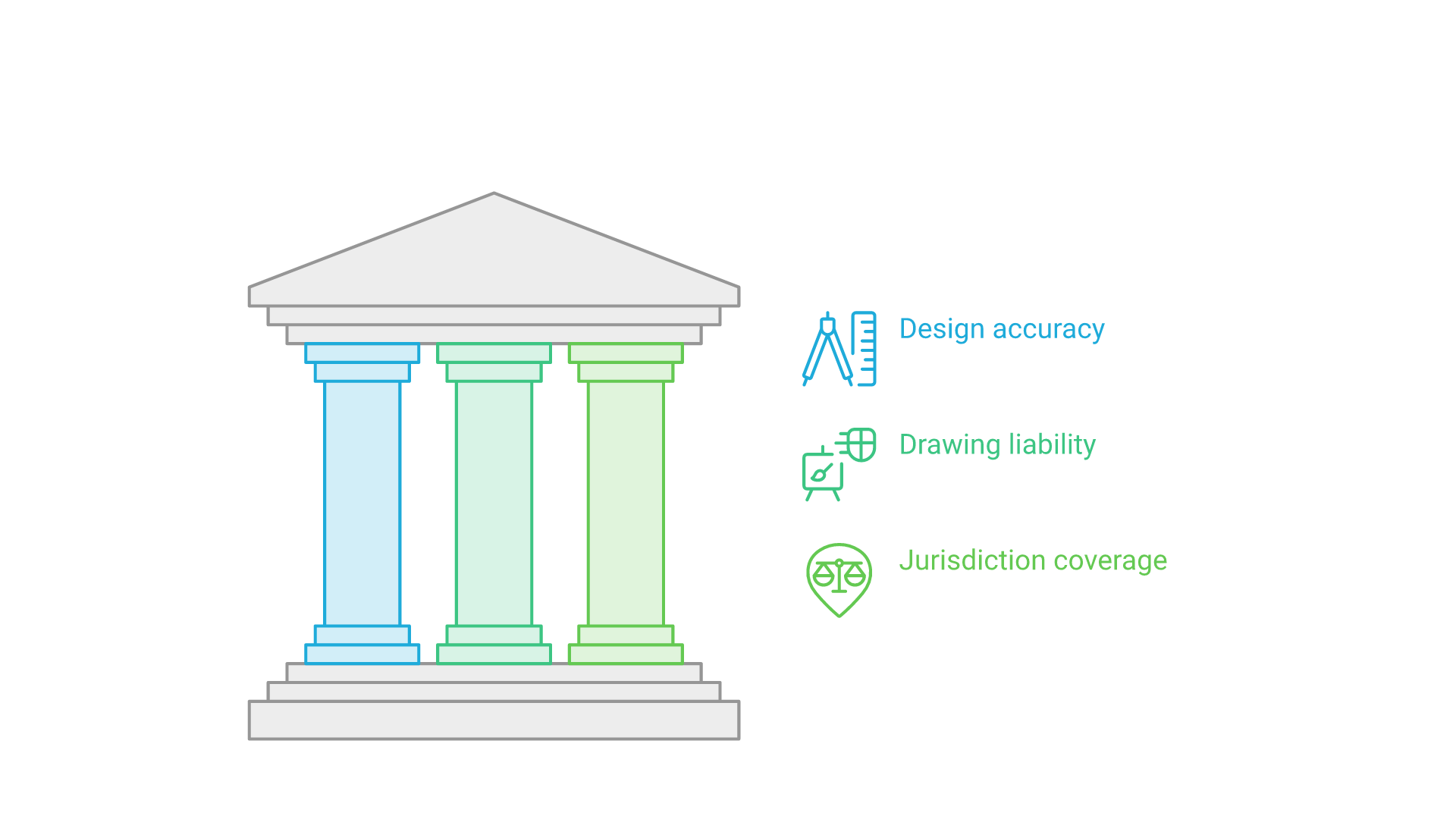
"Architect of record" is the most important claim. In the U.S., the architect of record is the licensed party responsible for the drawings submitted for permits. Dream's release does not explain who holds the license or how professional liability is insured. Buyers should ask, because accountability for the drawings matters more than the software license.
The 100 million square feet of training data is a meaningful scale for a seed company, but square footage is not the same as quality. Permit archives vary by city, and permitted drawings do not always match what was built. How Dream cleans, labels and validates that data is not public.
Ten projects in two states is real traction and a small sample. California and Texas have very different code and permitting environments, which is a good test, but it says little yet about seismic retrofits, healthcare, mixed-use towers or other jurisdictions. The $20 million in project developments is company-reported and was not broken down.
What changed since the announcement
As of November 1, 2026, three days after launch, we found no independent customer case study, peer-reviewed evaluation or regulatory statement about Dream. Most coverage repeats the release and the TechCrunch report. That is normal for a seed-stage launch, and it is why the next section focuses on evidence buyers can request.
What Construction Firms and Software Vendors Should Do Now
Do not treat this as a reason to replace your design stack this quarter. Treat it as a signal that AI design tools are moving from renderings and chat assistants toward drawings that carry legal weight. The right response is a controlled pilot with clear accountability.
For developers and owners
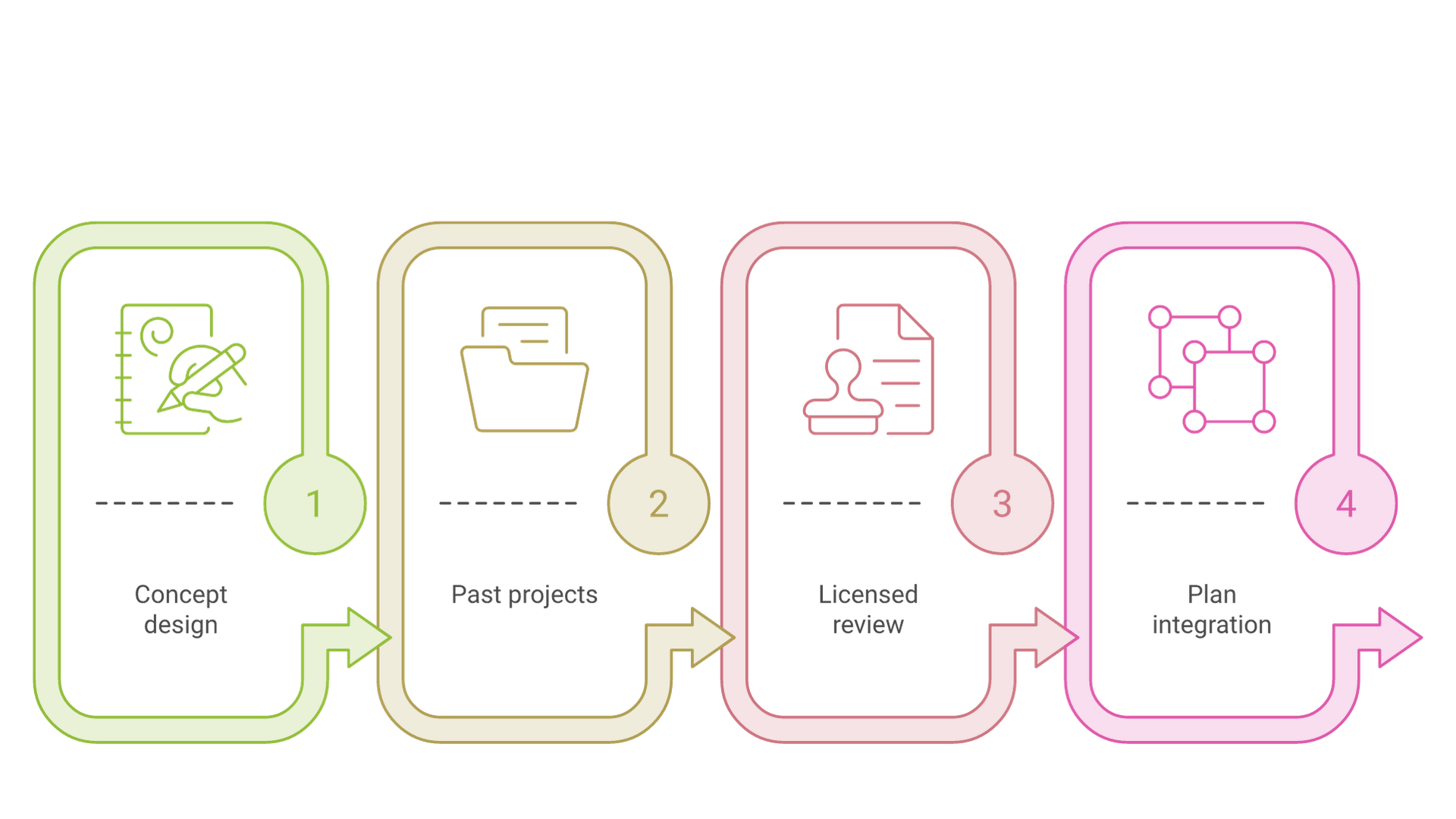
Start with conceptual design and early cost estimates, where errors are cheap and speed matters. Keep a licensed architect and engineer in the loop for anything that goes to permit. If you are weighing several AI design vendors against your current partners, a short technology strategy review can set evaluation criteria before contracts are signed.
For architecture, engineering and contractor firms
Measure the tool on your own past projects. Compare its output against drawings you already built, count the coordination issues it misses, and track how much review time it saves or adds. Most adoption problems are organizational, as we cover in enterprise AI implementation challenges.
For AEC software vendors
Your proprietary project data is the asset. Decide what you will share with third-party models and what stays private; our guide to using LLMs with private data covers the main patterns. If you plan to connect a world model to existing BIM, estimating or permitting systems, plan the AI integration work early.
Before any pilot, ask every AI design vendor these questions:
- Who is the licensed architect or engineer of record, and who carries the insurance?
- Which code editions and jurisdictions has the model been tested against?
- Can the output be exported into the BIM and CAD tools your team already uses?
- What happens to your project data after it enters the system?
- Can you see a completed project, permit history and contractor feedback?
Frequently Asked Questions
What is Dream AI for construction?
Dream is a San Francisco startup building what it calls "built world models," AI trained on permitted U.S. buildings to automate building design and engineering. It says it produces construction drawing sets and acts as architect of record on projects in California and Texas.
How much did Dream raise and who invested?
Dream announced a $17 million seed round on October 29, 2026. Its release names a16z, SV Angel, XYZ and Zigg Capital among the investors. TechCrunch reported that a16z led the round. No valuation was disclosed.
Who founded Dream?
Andy Elder and Arjun Mathur, both former Palantir leaders. The company says Elder led design teams across defense, intelligence and commercial work, and Mathur built Palantir's manufacturing and supply chain practice.
What is a world model in AI?
A world model is an AI system that learns how an environment behaves so it can predict how it will change and how actions affect it. Google DeepMind, NVIDIA and others use world models for simulation, robotics and interactive environments.
Will AI replace architects?
Not on current evidence. Permit drawings still need a licensed professional who is accountable for them. AI tools are more likely to speed up concept design, coordination and documentation while architects and engineers keep responsibility for the result.
How is a world model different from an LLM?
A large language model predicts text. A world model predicts the state of an environment, such as geometry, physics or motion. Building design needs spatial and physical reasoning that text prediction alone does not guarantee.
Conclusion: What Dream's $17M Seed Means for Construction
Dream's $17 million seed round, backed by a16z, is an early but clear signal that AI world models are moving from games and robotics into building design. The founders bring enterprise software experience, and the company reports real projects. Independent proof of accuracy, liability handling and scale is still ahead.
For owners, AEC firms and software vendors, the sensible move is a measured pilot: test on your own projects, keep licensed professionals accountable, protect your data and plan integration before you commit. If you want help designing that evaluation, talk to our team.